Photo: Wikipedia
Quality of Life in Barton County
A livable area that tracks near national norms for affordability, walkability, and neighborhood health.
What does Quality of Life tell us?
Quality of Life measures an area by evaluating factors like cost of living, nearby amenities, country club access, airport proximity, socioeconomic signals and neighborhood character. For large states, this is a general average — quality of life can vary dramatically between metro areas, suburbs, and rural communities within the same state.
What does this tell us?
Quality of Life measures an area by evaluating factors like cost of living, nearby amenities, country club access, airport proximity, socioeconomic signals and neighborhood character. For large states, this is a general average — quality of life can vary dramatically between metro areas, suburbs, and rural communities within the same state.
Cost of Living
45% below national average
169%
The Real Cost of Living in Barton County for 2026
| Tier | Individual | Family (4) |
|---|---|---|
| Survival | $12k | $22k |
| Comfortable | $23k | $33k |
| Luxury | $93k+ | $145k+ |
| Elite (Top 5%) | $110k+ | $170k+ |
Quality-of-Life Analysis
Barton County, Kansas, offers a broad spectrum of quality-of-life options, from the modest urban amenities of its county seat to the quiet, wide-open spaces of its rural townships. The county’s character is defined by its central location in the state, its agricultural and energy-sector economy, and a cost of living that is dramatically below the national average. People drawn to Barton County typically fall into two camps: those seeking affordable, small-city convenience in Great Bend, and those prioritizing land, privacy, and a slower pace in the county’s smaller communities and unincorporated areas.
Largest town(s) & population centers
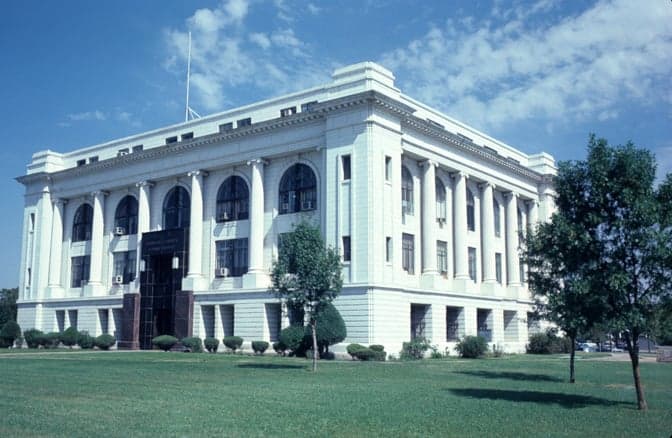
Great Bend is the undisputed hub of Barton County, home to roughly 15,000 residents and the vast majority of the county’s commercial, medical, and educational services. Daily life here centers around the Arkansas River corridor, with the Barton County Courthouse, Central Kansas Medical Center, and Barton Community College forming the institutional backbone. The town offers a functional downtown with local retailers, a Walmart Supercenter, and a range of chain and independent restaurants. For families, the Great Bend USD 428 school district provides multiple elementary schools, a middle school, and Great Bend High School. The town’s parks, including the 80-acre Veterans Memorial Park and the Cheyenne Bottoms Wildlife Area just north, offer outdoor recreation. The average commute in the county is a remarkably low 15.2 minutes, meaning most residents in Great Bend can reach work, school, or shopping in a matter of minutes. Hoisington, with a population near 2,700, is the county’s second-largest town, offering a quieter alternative with its own K-12 school system (USD 431) and a small but loyal downtown core. Life in Hoisington is more self-contained, with residents often commuting the 10 miles to Great Bend for specialized shopping or healthcare.
Smaller towns & rural pockets
Beyond the two main towns, Barton County is dotted with small communities that each carry a distinct identity. Ellinwood (pop. ~2,000) is known for its historic downtown and the Ellinwood German Festival, and it maintains its own school district (USD 355). Claflin (pop. ~600) and Albert (pop. ~150) are classic Kansas farm towns, where life revolves around grain elevators, local churches, and volunteer fire departments. The unincorporated area of Odin is little more than a crossroads, representing the most remote living option in the county. These smaller pockets offer the lowest housing costs and the highest degree of privacy, but they lack grocery stores, gas stations, and healthcare facilities, making a vehicle essential for daily errands. Residents here often drive 15-25 minutes to Great Bend for work or supplies, a commute that still falls well below the national average.
Cost & lifestyle range
The cost of living in Barton County is exceptionally low, with a composite index of 55 (100 is the U.S. average). This figure is driven by housing costs that are among the most affordable in the nation. The median home value is $117,200, and the median rent is $742. At the high end of the lifestyle spectrum, Great Bend offers the most amenities—rentals near the college or newer subdivisions on the west side command the highest prices, though still far below national norms. At the low end, a buyer can find a fixer-upper home in Claflin or Albert for under $70,000, or rent a small house in Ellinwood for $500-$600 per month. The trade-off is clear: Great Bend provides walkable sidewalks, a hospital, and a movie theater, while the smaller towns offer larger lots, less traffic, and a stronger sense of neighborly interdependence. Property taxes in Kansas are moderate, and the county’s lack of a local sales tax on groceries keeps everyday expenses low.
Barton County is best suited for people who value financial breathing room and a slower pace over urban excitement. Retirees on fixed incomes, remote workers seeking a low-overhead base, and young families looking to buy their first home without a six-figure mortgage will find the county’s economics compelling. Those who thrive here are comfortable with a 15-minute drive to the grocery store and appreciate the quiet, open landscapes of central Kansas. The county offers a genuine choice between small-city convenience and deep rural living, all within a single, affordable region.

Crime in Barton County
Crime rates similar to the national median for U.S. locations.
Violent CrimeViolent Crime Analysis
Property CrimeProperty Crime Analysis
Crime Analysis
Barton County, Kansas, reports a violent crime rate of 389.4 per 100,000 residents and a property crime rate of 1,587.4 per 100,000, placing it above both the state and national averages for overall crime. The county’s largest city, Great Bend, accounts for the majority of reported incidents, while smaller communities like Ellinwood, Hoisington, and Claflin generally experience lower crime volumes. For those considering relocation, the safety picture is mixed: property crime is a more pressing concern than violent crime, and outcomes vary significantly depending on the specific town and neighborhood.
Crime in context
Barton County’s violent crime rate of 389.4 per 100,000 is roughly 12% higher than the Kansas state average and about 10% above the national median. The property crime rate of 1,587.4 per 100,000 is nearly 20% above the Kansas average and significantly exceeds the national benchmark. Great Bend, as the county seat and economic hub, drives these numbers: the city’s police department handles the bulk of theft, burglary, and assault reports. In contrast, Ellinwood and Hoisington report rates closer to or below state averages, partly due to smaller populations and tighter community policing. The 20th Judicial District, which covers Barton County, has not adopted the progressive prosecutorial policies seen in larger urban areas like Johnson County or Wyandotte County; local judges and the district attorney maintain a more traditional, law-and-order approach, which correlates with fewer repeat offenses and a lower incidence of plea-deals that reduce felony charges.
What residents experience
Residents in Great Bend most frequently encounter property crimes such as vehicle break-ins, theft from unlocked sheds or garages, and occasional burglaries of unoccupied homes. The Great Bend Police Department has responded by increasing patrols in commercial corridors like 10th Street and by running neighborhood watch programs in the city’s older residential districts. In Hoisington and Ellinwood, residents report a stronger sense of security, with violent incidents being rare and property crime largely limited to opportunistic theft. Claflin, a small farming community, sees almost no violent crime and only sporadic theft. Across the county, the judicial system’s reluctance to embrace progressive sentencing reforms means that convicted offenders—especially those with prior records—face more consistent incarceration, which many residents view as a deterrent. However, the county’s proximity to Interstate 70 makes it a corridor for transient property crime, particularly theft from vehicles at truck stops and motels near the Great Bend exit.
Neighborhood-level variation
Within Great Bend, the safest areas are generally the newer subdivisions west of Main Street and the neighborhoods around the Barton Community College campus, where home values are higher and police response times are shorter. The eastern side of Great Bend, particularly near the railroad tracks and older industrial zones, sees a higher concentration of reported thefts and occasional assaults. In Ellinwood, the historic downtown and surrounding residential blocks are considered very safe, with crime largely confined to isolated incidents at the city’s lone convenience store. Hoisington’s south side, near the high school and city park, is the most secure, while the north side near the grain elevators has occasional trespassing and minor theft. For those seeking the lowest crime risk, the rural towns of Albert, Olmitz, and Susank report virtually no crime year over year, though they offer limited amenities. Overall, Barton County’s safety profile is shaped by a traditional justice system that prioritizes public protection, but residents should still exercise standard precautions—especially regarding property security—in Great Bend and along the I-70 corridor.
* Values derived from national, state, county, city and local statistics and may differ in a specific area. Last updated: 2026-05-11T23:27:15.000Z
Narrative content on this page is AI-generated and may contain mistakes. Verify any details that matter before acting on them.
ReloMaps may earn a commission from affiliate links at no extra cost to you.

