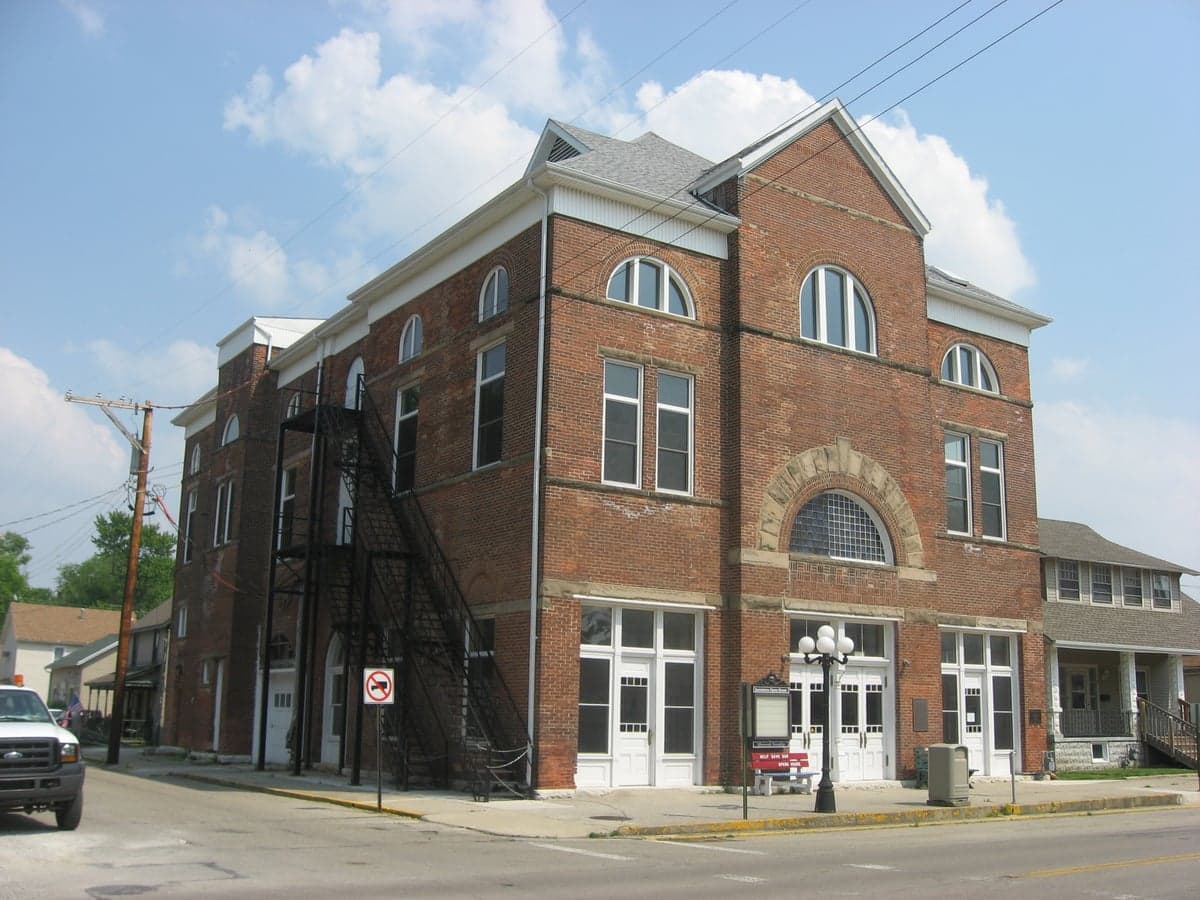
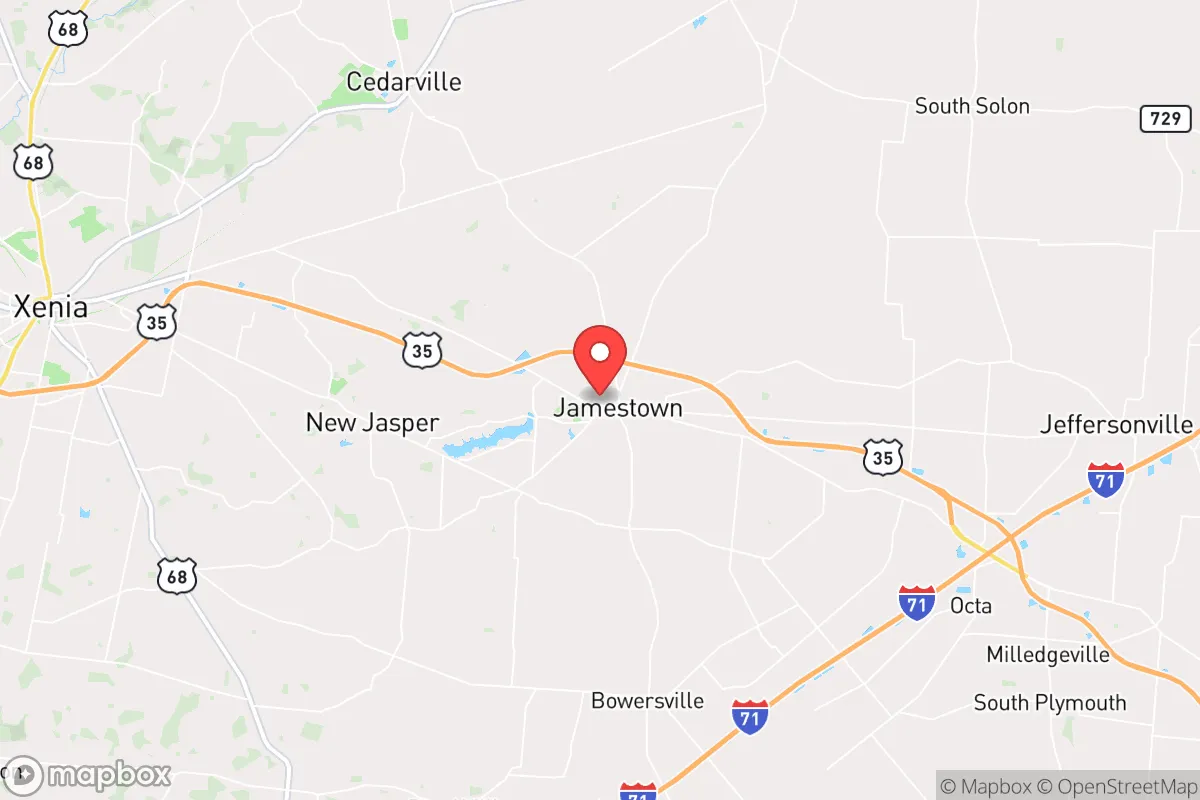
Photo: Wikipedia
Quality of Life in Jamestown, OH
A high quality of life with strong walkability, manageable living costs, healthy neighborhood signals, and solid amenity access.
What does Quality of Life tell us?
Quality of Life blends cost of living, nearby amenities, socioeconomic signals, and neighborhood character. City-level scores represent the whole municipality; individual neighborhoods can differ.
What does this tell us?
Quality of Life blends cost of living, nearby amenities, socioeconomic signals, and neighborhood character. City-level scores represent the whole municipality; individual neighborhoods can differ.
Cost of Living
39% below national average
The Real Cost of Living in Jamestown, OH for 2026
| Tier | Individual | Family (4) |
|---|---|---|
| Survival | $13k | $24k |
| Comfortable | $28k | $41k |
| Luxury | $91k+ | $140k+ |
| Elite (Top 5%) | $107k+ | $165k+ |
145%
The Area Signal
A metric tracking the socioeconomic signals of the area.
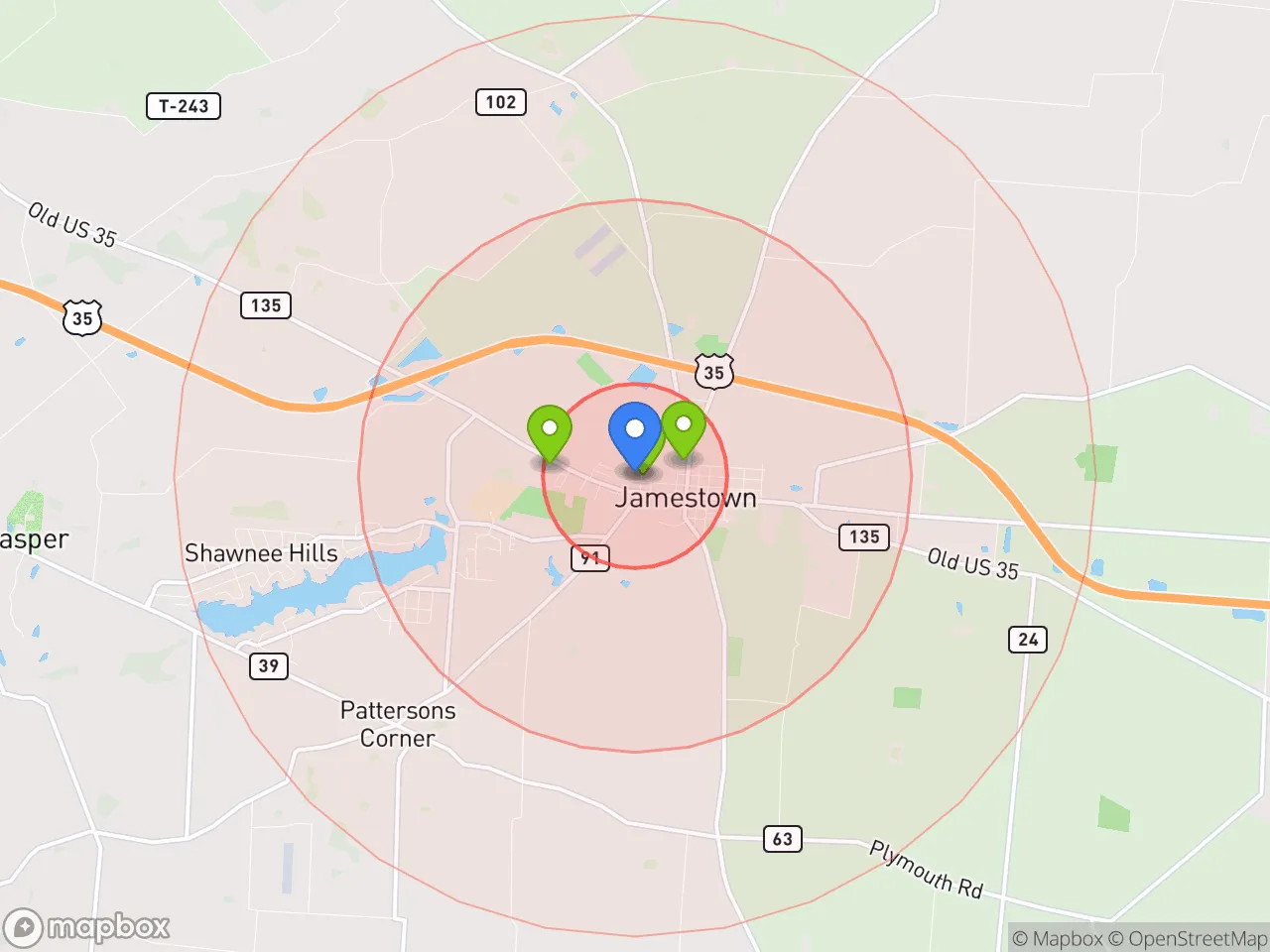
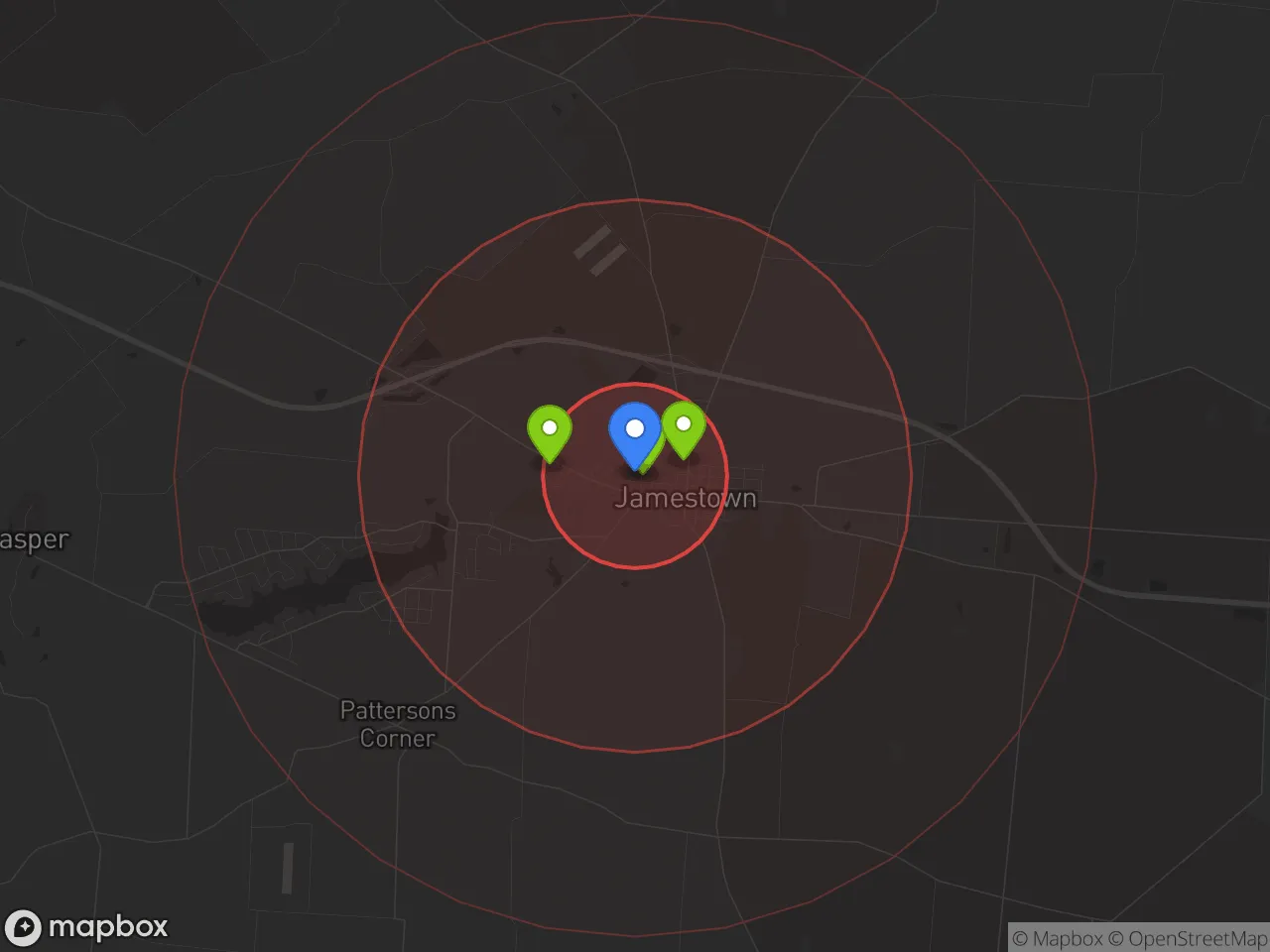
Limited data for this area
Limited data for this area
Hobbies
Explore the areaGroceries
0 within 10 miles
Gas
11 within 10 miles
Hospital
7 within 20 miles
Airport
John Glenn Columbus International Airport
Post Office
USPS — Jamestown, OH
Critical Amenities
Quality-of-Life Analysis
Jamestown, Ohio, is a low-cost, family-oriented village in Greene County where the cost of living sits at a striking 61 on the index (100 = U.S. average), making it one of the more affordable communities in the Dayton-Springfield metro area. The population skews toward working-class families, retirees, and commuters who value small-town quiet over urban amenities. With a median home value of $142,300 and median rent of $798, the area attracts buyers and renters priced out of nearby Xenia, Beavercreek, or Dayton proper.
How housing costs and daily expenses compare to nearby towns
Jamestown’s cost of living is roughly 39 percent below the national average, a gap that is especially visible in housing. The median home value of $142,300 is about half the Greene County median of roughly $260,000 and significantly undercuts the Dayton metro average of $175,000. Renters also benefit: the median rent of $798 is well below the national median of $1,200. Utility costs and grocery prices track similarly low, though residents pay a slightly higher share of income on transportation due to the area’s rural layout. The average one-way commute of 26.5 minutes is longer than the national average of 25 minutes, reflecting the fact that many residents drive to jobs in Xenia (15 minutes east), Beavercreek (20 minutes northeast), or Dayton (30 minutes north). Property taxes in Greene County are moderate — about 1.5 percent of assessed value — which keeps monthly carrying costs low for homeowners.
Local amenities, schools, and what daily life feels like
Daily life in Jamestown revolves around a compact downtown with a grocery store, a few local restaurants, and a public library. For most shopping, dining, and medical needs, residents drive to Xenia or Beavercreek. The village is served by the Greeneview Local School District, which consistently earns a B rating from Niche and draws families for its small class sizes and strong extracurricular programs. Outdoor recreation centers on the nearby Caesar Creek State Park, a 7,900-acre park with a 2,830-acre lake offering fishing, boating, and hiking trails. The village itself has a small municipal park with a playground and ball fields. Nightlife is essentially nonexistent; social life revolves around school events, church gatherings, and community festivals like the annual Jamestown Street Fair. High-speed internet is available through Spectrum and T-Mobile Home Internet, though rural fringes may have slower options.
Jamestown is best suited for people who prioritize affordability and quiet over convenience and entertainment. Families with young children benefit from the strong school district and low crime rates — the village’s violent crime rate is roughly one-third the national average. Retirees on fixed incomes find the low housing costs and property taxes appealing. Commuters willing to drive 25–30 minutes each way gain access to Dayton’s job market while living in a low-stress environment. Those who need walkable amenities, diverse dining, or a vibrant social scene will likely find Jamestown too sparse. For budget-conscious buyers and renters who value space, safety, and a slower pace, the village offers one of the best value propositions in southwestern Ohio.

Crime in Jamestown, OH
Crime rates similar to the national median for U.S. locations.
Violent CrimeViolent Crime Analysis
Property CrimeProperty Crime Analysis
Crime Analysis
Jamestown, Ohio, presents a mixed safety profile for prospective residents. The village's violent crime rate of 268 incidents per 100,000 residents is notably lower than the national average, while its property crime rate of 1,369.9 per 100,000 sits slightly above the national benchmark. However, these figures must be weighed against the broader criminal justice environment of Greene County and the surrounding Dayton metro area, where progressive prosecutorial policies have raised concerns about recidivism and public safety.
Crime in context
Jamestown's violent crime rate is approximately 23% lower than the national average of roughly 380 per 100,000, placing it in a relatively safer tier for a small village. Property crime, however, runs about 10% higher than the national rate of 1,247 per 100,000, driven largely by theft and vehicle break-ins. Compared to Ohio's statewide violent crime rate of 290 per 100,000, Jamestown is slightly below the state figure. The village's small population (roughly 1,900) means that even a handful of incidents can skew annual rates, but the trend over the past five years shows property crime creeping upward while violent offenses have remained stable.
What residents experience
In daily life, Jamestown residents report that most crime is opportunistic—unlocked cars, package thefts, and occasional vandalism. Violent incidents are rare and typically involve individuals known to one another rather than random attacks. A significant concern for families and retirees is the influence of the broader Dayton-area justice system. Greene County has seen a shift toward progressive prosecution policies, including diversion programs and reduced bond requirements for non-violent offenders. While intended to reduce jail overcrowding, these policies have been linked to higher recidivism rates for property crimes, as repeat offenders cycle through the system quickly. Residents should be aware that a liberal-leaning district attorney's office may prioritize rehabilitation over incarceration, which can embolden property criminals and delay justice for victims. This dynamic is especially relevant for Jamestown, as its proximity to Dayton (about 25 miles west) means that criminals from the metro area sometimes target smaller, less policed communities.
Neighborhood-level variation
Safety in Jamestown varies noticeably by location. The historic core along Xenia Avenue and the streets near the village park tend to have lower incident rates, benefiting from higher foot traffic and neighborhood watch participation. In contrast, the outlying subdivisions and rural roads on the village's eastern edge see more property crime, particularly theft from vehicles and sheds. The area around the Jamestown Elementary School and the village's single traffic light (at Limestone and Xenia) is considered the safest quadrant, while the commercial strip along US-35, which funnels traffic toward Dayton, experiences more transient-related incidents. For those considering a move, homes on dead-end streets or cul-de-sacs north of the railroad tracks generally report the fewest problems, though no neighborhood is immune to the regional property crime trend.
* Values derived from national, state, county, city and local statistics and may differ in a specific area. Last updated: 2026-08-19T15:25:37.000Z
Narrative content on this page is AI-generated and may contain mistakes. Verify any details that matter before acting on them.
ReloMaps may earn a commission from affiliate links at no extra cost to you.

