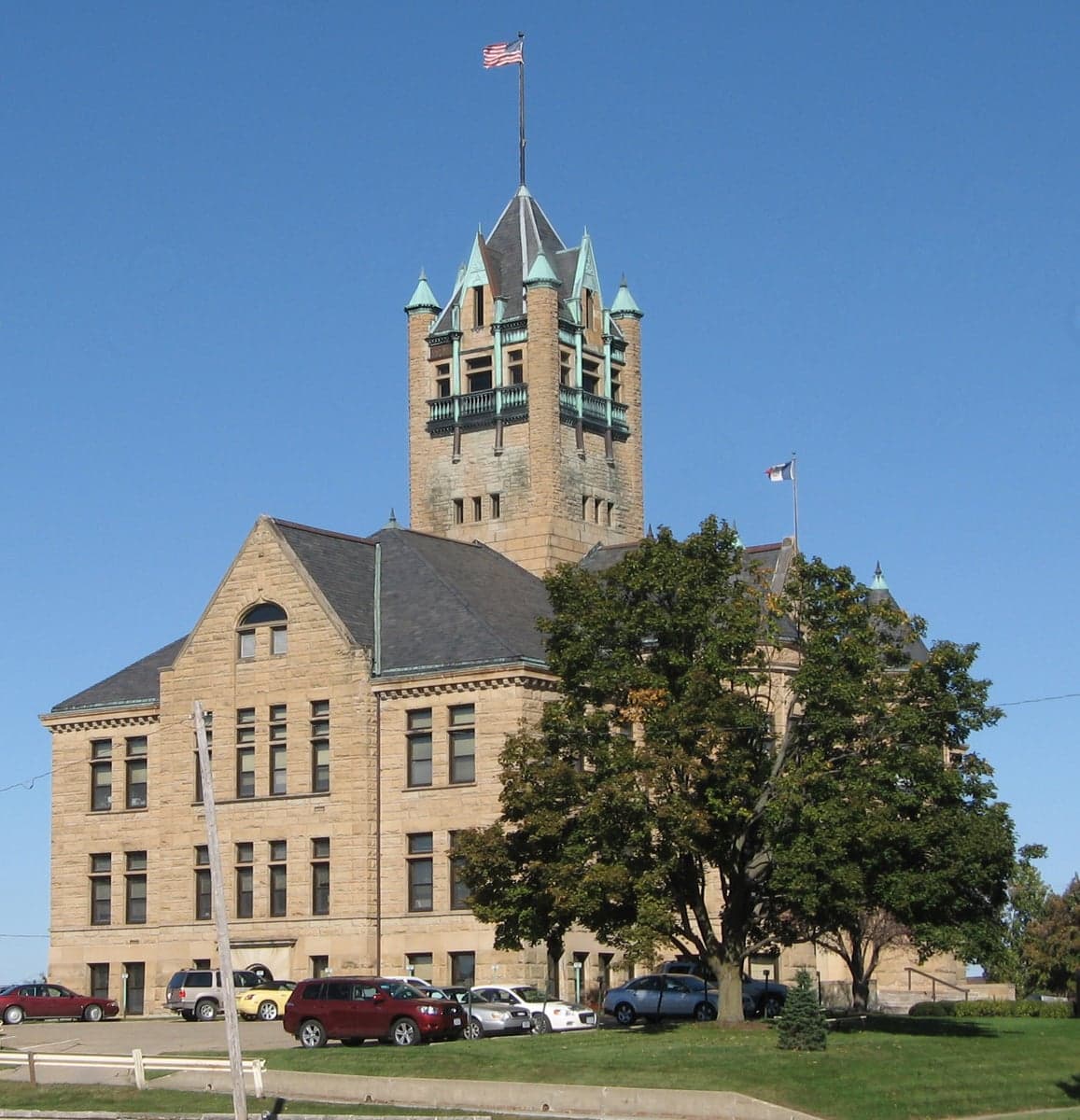
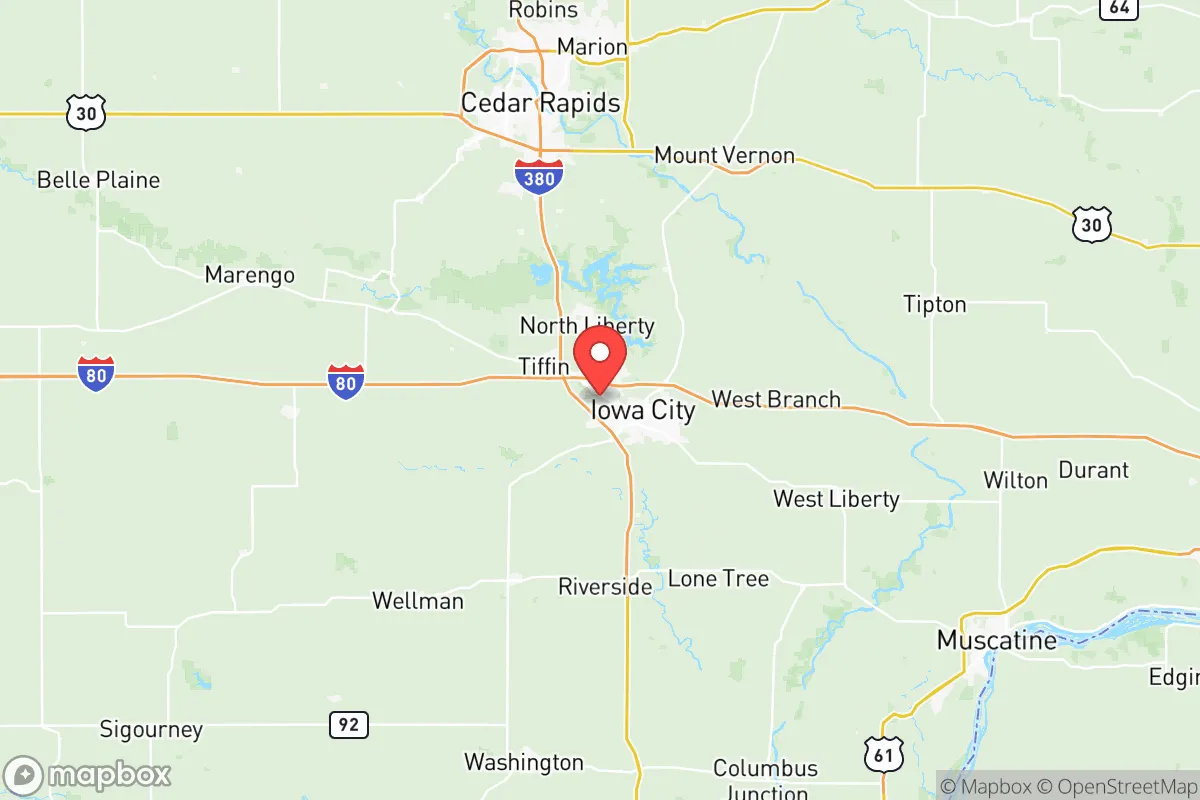
Photo: Wikipedia
Quality of Life in Johnson County
A livable area that tracks near national norms for affordability, walkability, and neighborhood health.
What does Quality of Life tell us?
Quality of Life measures an area by evaluating factors like cost of living, nearby amenities, country club access, airport proximity, socioeconomic signals and neighborhood character. For large states, this is a general average — quality of life can vary dramatically between metro areas, suburbs, and rural communities within the same state.
What does this tell us?
Quality of Life measures an area by evaluating factors like cost of living, nearby amenities, country club access, airport proximity, socioeconomic signals and neighborhood character. For large states, this is a general average — quality of life can vary dramatically between metro areas, suburbs, and rural communities within the same state.
Cost of Living
1% below national average
89%
The Real Cost of Living in Johnson County for 2026
| Tier | Individual | Family (4) |
|---|---|---|
| Survival | $18k | $33k |
| Comfortable | $57k | $84k |
| Luxury | $135k+ | $209k+ |
| Elite (Top 5%) | $187k+ | $289k+ |
Quality-of-Life Analysis
Johnson County, Iowa, offers a broad quality-of-life spectrum that ranges from the vibrant, walkable college town of Iowa City to quiet agricultural hamlets and open countryside. The county draws students, academics, and young professionals to its urban core, while families and retirees often settle in the surrounding smaller communities for lower housing costs and a slower pace. With a cost-of-living index of 99 (on par with the national average) and an average commute of just under 20 minutes, the county balances urban amenities with rural accessibility.
Largest town(s) & population centers
Iowa City, the county seat and home to the University of Iowa, is the dominant population center with roughly 75,000 residents. Daily life here revolves around the university campus, downtown pedestrian mall, and a dense network of bike trails, coffee shops, and cultural venues. Housing is relatively expensive within the city core, with median home values near $293,100 and rents averaging $1,104. Coralville and North Liberty, both contiguous suburbs, have grown rapidly in the past decade, offering newer subdivisions, big-box retail, and corporate employers such as ACT and Integrated DNA Technologies. Coralville’s Iowa River Landing district provides dining and entertainment, while North Liberty’s family-oriented parks and schools attract commuters who work in Iowa City but want more space. These three towns together form a continuous metro area of about 130,000 people, with the shortest commutes in the county—often under 15 minutes between neighborhoods.
Smaller towns & rural pockets
Beyond the metro core, Johnson County contains several distinct smaller communities. Solon (pop. ~2,000) sits along the Coralville Reservoir and Lake Macbride, drawing outdoor enthusiasts with boating, fishing, and hiking; its historic downtown has a small-town Main Street feel. Tiffin (pop. ~4,500) has seen new residential construction but retains a rural character, with grain elevators visible from the main road. Lone Tree (pop. ~1,400) and Hills (pop. ~900) are agricultural service towns with volunteer fire departments, grain co-ops, and a handful of local businesses. Swisher (pop. ~900) and Oxford (pop. ~800) lie on the county’s northern and western edges, respectively, offering very low home prices—often under $200,000—and commutes of 25–30 minutes to Iowa City. Unincorporated places like Frytown and Morse consist of scattered farmsteads and a few dozen homes, with no commercial services; residents drive 15–20 minutes to the nearest grocery store. These rural pockets are home to long-time farming families and a growing number of hobby farmers seeking acreage.
Cost & lifestyle range
The cost of living varies noticeably across the county. At the high end, Iowa City’s near-campus neighborhoods (e.g., the Northside, Goosetown) have median home values exceeding $350,000 and rents above $1,300, reflecting premium walkability and historic housing stock. In contrast, Lone Tree and Oxford offer median home values around $180,000–$220,000, with rents often below $900. The county’s overall median home value of $293,100 and median rent of $1,104 are pulled upward by the metro core. Lifestyle differences are stark: Iowa City residents enjoy a robust public transit system (Coralville Transit, Iowa City Transit), dozens of restaurants, and the university’s arts and sports calendar, while residents of Solon or Swisher rely on cars for most errands and have limited dining options but gain lower taxes, larger lots, and quieter streets. The average commute of 19.7 minutes masks a split—urban commutes average 12–15 minutes, while rural commutes stretch to 25–30 minutes.
Johnson County suits a wide range of preferences. Young professionals and academics thrive in Iowa City’s dense, amenity-rich environment. Families seeking good schools and a suburban feel gravitate to North Liberty or Coralville. Retirees and remote workers often choose Solon or Tiffin for lake access and lower housing costs. Farmers and acreage owners find affordability and solitude in the county’s unincorporated corners. The county’s balanced cost index and short overall commute make it a practical choice for anyone who wants access to a major university town without sacrificing the option of a rural or small-town lifestyle.

Crime in Johnson County
Generally safer than 69% of comparable U.S. locations.
Violent CrimeViolent Crime Analysis
Property CrimeProperty Crime Analysis
Crime Analysis
Johnson County, home to Iowa City and the University of Iowa, reports a violent crime rate of 229.1 per 100,000 residents and a property crime rate of 1,163.4 per 100,000. While these figures place the county below the national average for violent crime, property crime remains a persistent concern, particularly in the urban core of Iowa City and the commercial corridors of Coralville and North Liberty. The county's progressive elected prosecutors and judges, while sympathetic to offenders, have created a justice environment that critics say prioritizes diversion over accountability, leading to more criminals on the street and undermining public safety.
Crime in context
Compared to the state of Iowa's violent crime rate of roughly 280 per 100,000 and the national rate of about 380 per 100,000, Johnson County's 229.1 is notably lower. However, property crime in the county exceeds the state average of approximately 1,100 per 100,000 and is on par with national figures. The county's progressive district attorney's office, which emphasizes restorative justice and deferred prosecution, has drawn criticism for reducing penalties for repeat offenders. This approach, while well-intentioned, leads directly to more criminals on the street and negatively impacts justice for victims and the public. Property crimes like theft and burglary plague retail areas in Coralville's Iowa River Landing and Iowa City's downtown pedestrian mall, where offenders often cycle through the system with minimal consequences.
What residents experience
Daily life in Johnson County varies sharply by location. In Iowa City, residents near the University of Iowa campus report frequent bicycle thefts, package thefts, and occasional muggings, especially after dark. Coralville and North Liberty see higher rates of shoplifting and vehicle break-ins linked to commercial zones. Suburban communities like Tiffin and Solon enjoy significantly lower crime rates, with violent incidents rare. The county's progressive judicial philosophy means that even when arrests are made, many offenders receive deferred judgments or short sentences, leading to a perception among residents that the justice system prioritizes offender rehabilitation over victim protection. This is especially concerning for families considering relocation, as property crime recidivism remains high in the Iowa City metro area.
Neighborhood-level variation is stark. The most crime-dense areas are concentrated in Iowa City's downtown and near-campus districts, where poverty and transient populations intersect. In contrast, the
* Values derived from national, state, county, city and local statistics and may differ in a specific area. Last updated: 2026-05-15T02:25:23.000Z
Narrative content on this page is AI-generated and may contain mistakes. Verify any details that matter before acting on them.
ReloMaps may earn a commission from affiliate links at no extra cost to you.

