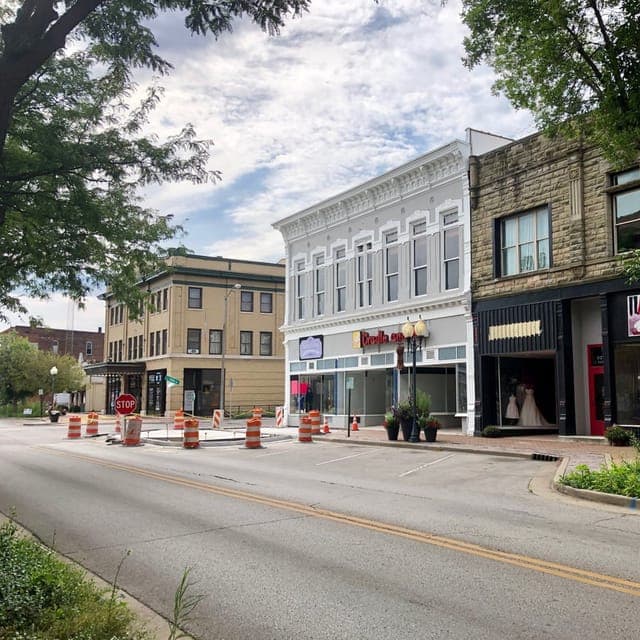
Photo: Wikipedia
Quality of Life in Indiana
A livable area that tracks near national norms for affordability, walkability, and neighborhood health.
What does Quality of Life tell us?
Quality of Life measures an area by evaluating factors like cost of living, nearby amenities, country club access, airport proximity, socioeconomic signals and neighborhood character. For large states, this is a general average — quality of life can vary dramatically between metro areas, suburbs, and rural communities within the same state.
What does this tell us?
Quality of Life measures an area by evaluating factors like cost of living, nearby amenities, country club access, airport proximity, socioeconomic signals and neighborhood character. For large states, this is a general average — quality of life can vary dramatically between metro areas, suburbs, and rural communities within the same state.
Cost of Living
19% below national average
83%
The Real Cost of Living in Indiana for 2026
| Tier | Individual | Family (4) |
|---|---|---|
| Survival | $31k | $58k |
| Comfortable | $58k | $85k |
| Luxury | $127k+ | $196k+ |
| Elite (Top 5%) | $146k+ | $226k+ |
Quality-of-Life Analysis
Indiana offers a surprisingly broad spectrum of quality-of-life options, from dense urban cores to quiet agricultural hamlets, all within a state where the cost of living index sits at 81 (well below the national average of 100). The median home value of $201,600 and median rent of $1,020 mean that even the most expensive Indiana neighborhoods remain accessible compared to coastal peers, while the average commute of just over 24 minutes keeps daily life manageable across most of the state. This range attracts distinct groups: young professionals and creatives gravitate toward the revitalized downtowns of major metros, families and academics fill the college towns, and retirees or remote workers seek the slower pace and lower taxes of rural areas.
Major metros
Indiana's two dominant urban centers are Indianapolis and Fort Wayne, each with a distinct identity. Indianapolis, the state capital and largest city, offers a dense, walkable core anchored by the Mass Ave cultural district, a growing tech and life sciences sector (Eli Lilly, Salesforce), and professional sports (Colts, Pacers). Its downtown population has surged past 30,000 residents, and the city's Monon Trail network connects neighborhoods to a vibrant food scene. Fort Wayne, the second-largest city, provides a more affordable urban experience with a median home value around $170,000, a revitalized riverfront development, and a manufacturing-to-logistics economy anchored by companies like Parkview Health and Sweetwater Sound. Both metros offer strong school options, with Carmel (a northern Indianapolis suburb) consistently ranking among the nation's best places to live for families, while Zionsville and Fishers provide top-tier public schools and low crime rates.
Mid-size cities & college towns
Indiana's mid-size cities and college towns punch well above their weight in quality of life. Bloomington, home to Indiana University, combines a progressive, walkable downtown with the Monroe Lake recreation area and a median home value near $250,000—higher than the state average but still affordable for a college town. West Lafayette, paired with Purdue University, offers a STEM-driven economy, a compact downtown, and some of the state's lowest unemployment rates. South Bend has undergone a notable revival, with the Studebaker corridor redevelopment and the University of Notre Dame anchoring a growing innovation district; its median home value sits around $130,000, making it one of the most affordable mid-size cities in the Midwest. Evansville, on the Ohio River, provides a slower pace with a strong healthcare sector (Deaconess Health System) and a median home value under $150,000. Lafayette, adjacent to West Lafayette, offers a more working-class feel with access to Purdue's amenities and a median home value near $180,000.
Small towns & rural areas
For those seeking true small-town living, Indiana's rural regions offer distinct landscapes and communities. Nashville, in Brown County, is a tourist-friendly artist colony with rolling hills, covered bridges, and a median home value around $220,000—higher due to its vacation-home appeal. Madison, on the Ohio River, features a historic downtown with Federal-style architecture and a slower pace, with median home values near $160,000. Amish Country in northern Indiana (centered around Shipshewana and Nappanee) offers a unique cultural experience, low property taxes, and a strong sense of community, though internet access can be limited. The Hoosier National Forest region in southern Indiana (towns like Bedford and Mitchell) provides outdoor recreation—hiking, fishing, and camping—with median home values often below $140,000. These areas attract retirees, remote workers, and those who prioritize space and quiet over urban amenities.
Luxury vs. affordable living
The luxury end of Indiana's housing market is concentrated in a few affluent suburbs and lake communities. Carmel consistently ranks among the wealthiest suburbs in the Midwest, with median home values exceeding $450,000, top-rated schools, and the Arts & Design District. Zionsville offers historic charm with median home values near $500,000, while Geist Reservoir (near Indianapolis) features waterfront properties starting at $600,000. On the affordable end, Muncie (home to Ball State University) has median home values around $110,000, making it one of the cheapest places to buy a home in the state. Kokomo and Anderson offer similar affordability, with median home values under $120,000, though they face higher poverty rates and slower economic growth. Gary, while struggling with population loss and crime, has median home values below $70,000, attracting investors and those willing to take on a fixer-upper in a city with potential for revival.
The practical reality is that Indiana's quality-of-life spectrum is defined by trade-offs between cost, opportunity, and lifestyle. Young professionals and families thrive in the Indianapolis suburbs (Carmel, Fishers, Zionsville) where schools and jobs are abundant but home prices are 2-3x the state median. College towns like Bloomington and West Lafayette offer cultural vibrancy and walkability at a moderate premium. Rural areas and smaller cities like Muncie or Evansville provide the lowest cost of living—often 30-40% below the national average—but with fewer job opportunities and longer drives to amenities. The state's overall cost-of-living index of 81 means that even the most expensive areas remain affordable by national standards, while the cheapest areas offer a path to homeownership that is increasingly rare elsewhere in the United States.

Crime in Indiana
Generally safer than 63% of comparable U.S. locations.
Violent CrimeViolent Crime Analysis
Property CrimeProperty Crime Analysis
Crime Analysis
Indiana's overall crime picture is mixed, with a violent crime rate of 228.1 incidents per 100,000 residents that sits well below the national average, while its property crime rate of 948.7 per 100,000 closely mirrors the U.S. median. This means that while the risk of a violent encounter is comparatively low in most Hoosier communities, property crimes like theft, burglary, and vehicle break-ins remain a persistent concern, particularly in urban centers and along interstate corridors. The state's safety profile varies dramatically depending on whether you are in a small rural county, a conservative-leaning suburb, or a larger city with a progressive prosecutorial approach.
Crime in context
Indiana's violent crime rate is roughly 39% lower than the national average of roughly 380 per 100,000, placing it among the safer states in the Midwest for personal safety. However, the property crime rate of 948.7 per 100,000 is nearly identical to the national figure, indicating that theft and vandalism are widespread issues. Much of the state's violent crime is concentrated in a handful of cities. Indianapolis (Marion County) consistently reports the highest violent crime totals, driven by gang activity and drug trafficking along the I-65 and I-70 corridors. Gary, in Lake County near Chicago, also posts violent crime rates several times the state average, a legacy of deindustrialization and chronic underfunding of public safety. In contrast, suburban and exurban communities such as Carmel, Fishers, and Zionsville routinely report violent crime rates below 50 per 100,000, making them among the safest cities in the entire Midwest.
What residents experience
For the average Hoosier, property crime is the most likely safety concern. Car break-ins, package thefts, and residential burglaries are common complaints in both urban and suburban settings. In Bloomington (Monroe County), home to Indiana University, property crime rates spike during the academic year, driven by bicycle theft and burglaries targeting student housing. Fort Wayne (Allen County) has seen property crime decline modestly since 2020 but still struggles with theft from vehicles in commercial corridors. A critical factor shaping safety outcomes is the local criminal justice philosophy. In Marion County, the prosecutor's office has adopted progressive policies, including diversion programs and reduced charging for low-level drug offenses. While intended to reduce incarceration, critics argue these policies have contributed to a revolving-door effect, with repeat property offenders cycling through the system quickly. Conversely, in Hamilton County (which includes Carmel and Fishers) and Hendricks County, district attorneys maintain a more traditional, tough-on-crime stance, which correlates with lower recidivism and higher resident confidence in public safety.
Neighborhood-level variation
Within any given Indiana city, safety can change block by block. In Indianapolis, the near-east side and parts of the Martindale-Brightwood neighborhood see violent crime rates three to four times higher than the city average, while the far-north side near Broad Ripple and Geist Reservoir are significantly safer. In South Bend (St. Joseph County), the northwest side near the old Studebaker plant has higher crime, while the Erskine Park area and suburban Granger are low-crime enclaves. For newcomers, the safest strategy is to target communities with conservative-leaning local governments and prosecutors—places like Westfield, Noblesville, and Avon—where property crime is low and violent crime is rare. Avoiding neighborhoods in cities with progressive district attorneys, particularly in Marion and Lake Counties, is a prudent move for those prioritizing personal safety and property security.
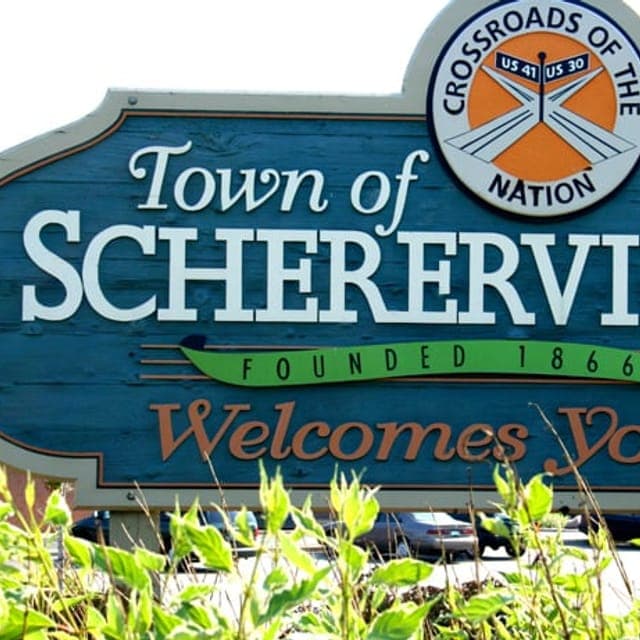
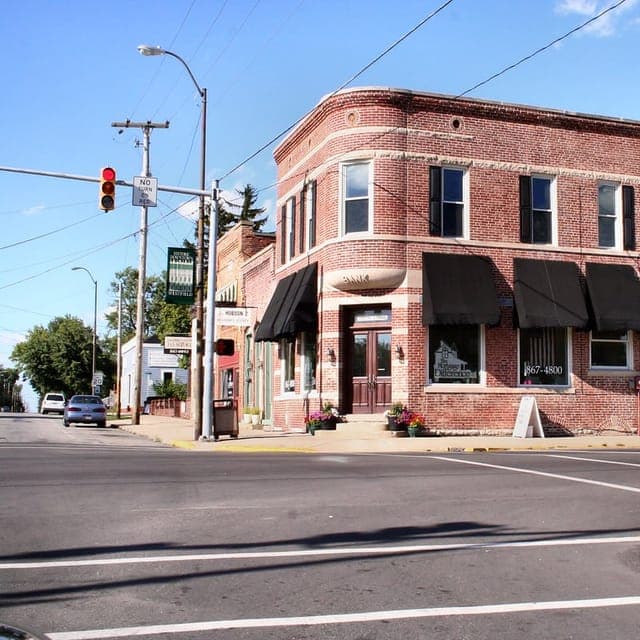
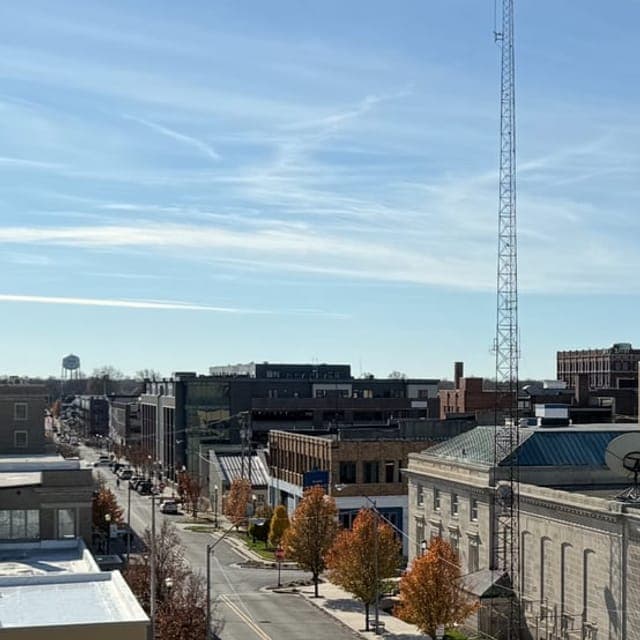
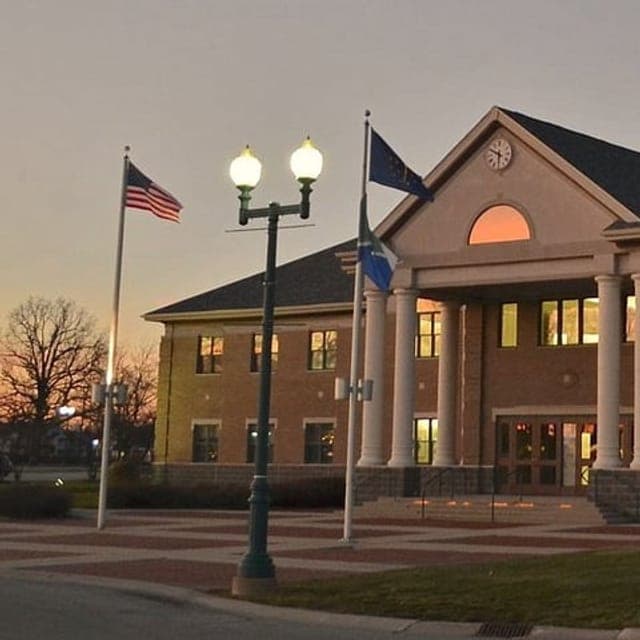
Top Cities for Quality of Life in Indiana
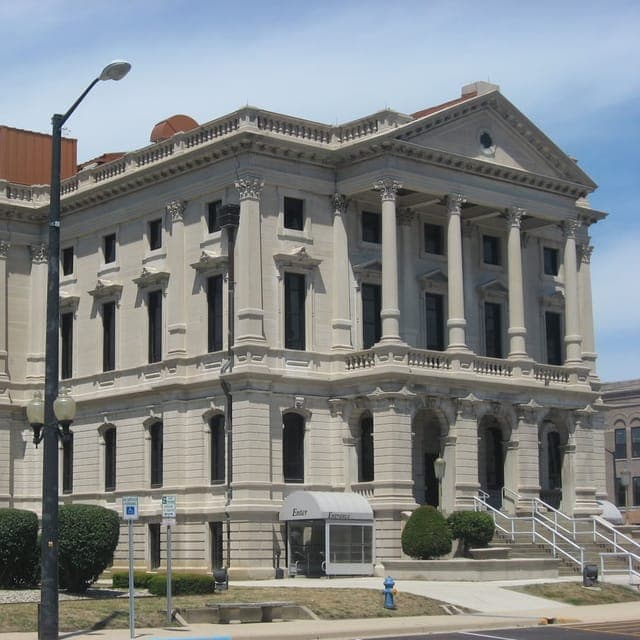
* Values derived from national, state, county, city and local statistics and may differ in a specific area. Last updated: 2026-04-14T06:23:11.000Z
Narrative content on this page is AI-generated and may contain mistakes. Verify any details that matter before acting on them.
ReloMaps may earn a commission from affiliate links at no extra cost to you.

