Photo: Wikipedia
Political ClimatePolitical Climate in Indiana
Political Environment in the State
Indiana is a solidly Republican state with a Cook PVI of R+9, meaning it votes about nine points more Republican than the national average in presidential elections. The dominant coalition is a mix of rural conservatives, suburban moderates, and a growing number of working-class voters who have shifted right in the last decade. Over the past 20 years, the state has moved from a competitive purple state—where Democrats could still win statewide races like governor and Senate—to a reliably red one, driven largely by the collapse of Democratic support in small towns and the exurbs of Indianapolis and Fort Wayne.
Urban vs. rural divide
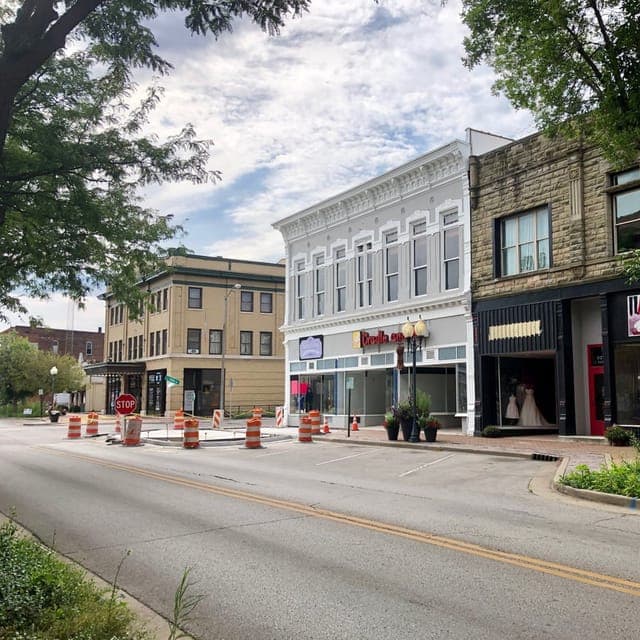
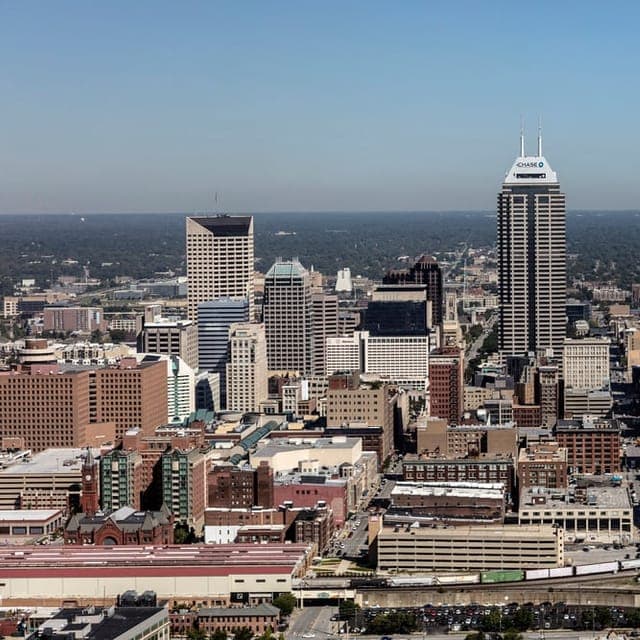
The political map of Indiana is a textbook study in the urban-rural split. The state’s largest city, Indianapolis (Marion County), is a Democratic stronghold, voting about 60-40 for Biden in 2020. But the rest of the state is overwhelmingly red. Fort Wayne (Allen County) is a Republican bastion, while Evansville (Vanderburgh County) has trended redder as its industrial base shrinks. The real action is in the suburbs: Hamilton County (north of Indianapolis) is one of the most Republican counties in the nation, with a Cook PVI of R+20. But even here, there are cracks—Carmel and Fishers, two wealthy suburbs, have seen a slight uptick in Democratic votes among college-educated professionals. Meanwhile, Bloomington (Monroe County) is the state’s liberal college town, home to Indiana University, and votes reliably blue. The rural counties—like Pulaski, Switzerland, and Rush—routinely vote 75-80% Republican. The divide is stark: the I-69 corridor from Indianapolis to Fort Wayne is a red wall, while the I-65 corridor from Indianapolis to Chicago is a mix of red and purple.
Policy environment
Indiana’s policy environment is broadly conservative, with a few notable exceptions. The state has a flat income tax rate of 3.05% (down from 3.23% in 2023), with a plan to phase it out entirely by 2027. Property taxes are capped at 1% of assessed value for owner-occupied homes, which keeps housing costs manageable. There is no state-level sales tax on groceries, and the overall tax burden is among the lowest in the Midwest. On education, Indiana has a robust school choice program—the Choice Scholarship Program—that allows state funds to follow students to private or religious schools. This is a major draw for conservative parents. Healthcare is a mixed bag: the state expanded Medicaid under the Healthy Indiana Plan, but it also passed a near-total abortion ban in 2022 (Senate Enrolled Act 1), with exceptions only for rape, incest, and life of the mother. Election laws are strict: voter ID is required, early voting is limited to 28 days, and absentee voting requires an excuse. The state also passed a law in 2023 (House Enrolled Act 1334) that bans the use of private money for election administration, a response to the Zuckerberg-funded grants in 2020.
Trajectory & freedom
Indiana is trending more free in several key areas, but there are warning signs. On gun rights, the state passed constitutional carry in 2022 (House Enrolled Act 1296), allowing permitless carry for anyone 18 or older who can legally possess a firearm. This was a major win for Second Amendment advocates. On parental rights, the state passed a law in 2023 (House Enrolled Act 1608) requiring schools to notify parents of any changes in a student’s mental or physical health, effectively banning secret gender-transition plans. On medical freedom, Indiana banned COVID-19 vaccine passports in 2021 (Senate Enrolled Act 5) and prohibited mask mandates in schools in 2023 (House Enrolled Act 1314). However, there are concerning trends. The state’s property tax caps, while popular, have led to underfunded local services in rural areas. And the state’s heavy reliance on corporate tax incentives—like the deal with Eli Lilly in Lebanon—raises questions about cronyism. On speech, the state has not passed any major anti-censorship laws, leaving Big Tech largely unregulated. Overall, Indiana is moving in a libertarian-leaning direction on guns and education, but remains interventionist on social issues like abortion and drug policy (marijuana is still illegal, with no medical program).
Civil unrest & political movements
Indiana has seen its share of political flashpoints. The 2020 protests in Indianapolis over George Floyd’s death turned violent, with looting and arson in the downtown area. The city’s Democratic mayor, Joe Hogsett, faced criticism for a slow police response. On the right, the Indiana Freedom Coalition and local Moms for Liberty chapters have been active in school board meetings, particularly in Hamilton County and Johnson County, pushing for book bans and curriculum transparency. Immigration politics are relatively quiet—Indiana is not a border state, and the state passed a law in 2011 (Senate Enrolled Act 590) requiring police to check immigration status during lawful stops, but it was largely unenforced. There is no sanctuary city movement; Indianapolis has a “welcoming city” policy but does not actively defy federal immigration law. Election integrity has been a hot topic: the 2020 election saw no major fraud in Indiana, but the state passed a law in 2021 (Senate Enrolled Act 398) requiring signature verification for mail-in ballots and limiting drop boxes to one per county. No secession or nullification rhetoric exists, but there is a strong strain of localism, particularly in rural counties that resent Indianapolis’s influence.
Projection
Over the next 5-10 years, Indiana will likely become more Republican in the legislature but more divided at the local level. The in-migration pattern is key: people moving to Indiana are largely coming from Illinois and California, drawn by lower taxes and housing costs. Many of these newcomers are conservative-leaning families, but a subset—particularly those moving to Carmel and Fishers—are moderate professionals who may vote Republican but support some progressive policies like marijuana legalization. The state’s population is aging, and the rural counties are shrinking, which could shift power to the suburbs. The biggest wildcard is the state’s abortion ban: if it leads to a backlash among suburban women, you could see a repeat of the 2022 midterms, where Democrats overperformed in places like Hamilton County. But the legislature is so gerrymandered that a Democratic majority is unlikely. Expect continued fights over school funding, property taxes, and marijuana legalization. The state’s fiscal conservatism will keep taxes low, but the infrastructure—roads, broadband, and water systems—will strain under growth.
Bottom line for a new resident: If you’re a conservative single or parent, Indiana is a solid bet. You’ll find low taxes, strong school choice, constitutional carry, and a government that mostly stays out of your business. But don’t expect a libertarian paradise—the state is still socially conservative on abortion and drugs, and the local politics in Indianapolis and Bloomington can feel like a different country. If you move to the suburbs of Fort Wayne or Evansville, you’ll find a community that shares your values. If you move to Carmel, you’ll find a more moderate, affluent environment. Either way, you’re in a state that respects your right to live as you see fit—as long as you don’t expect the government to fund it.

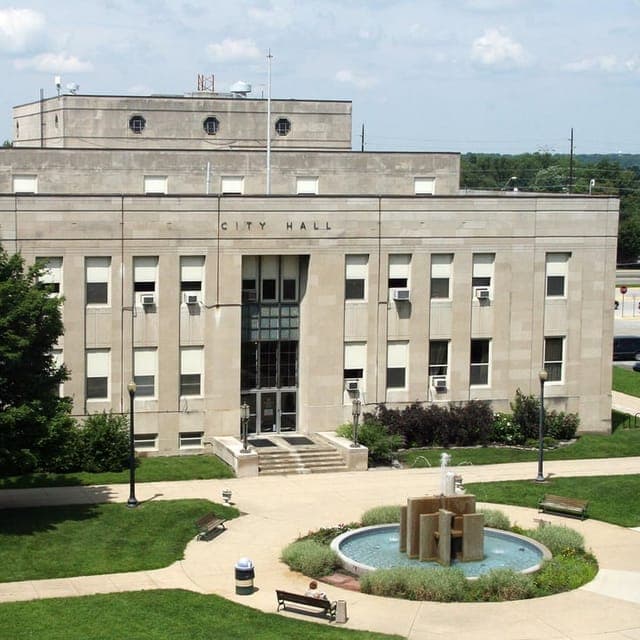
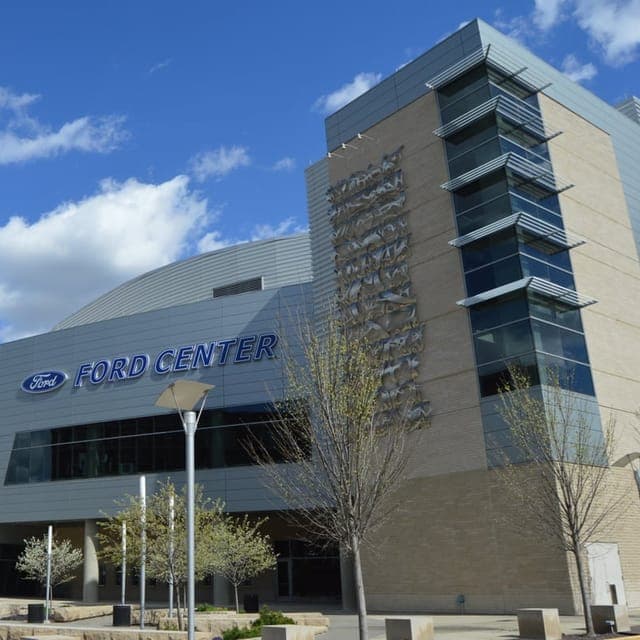
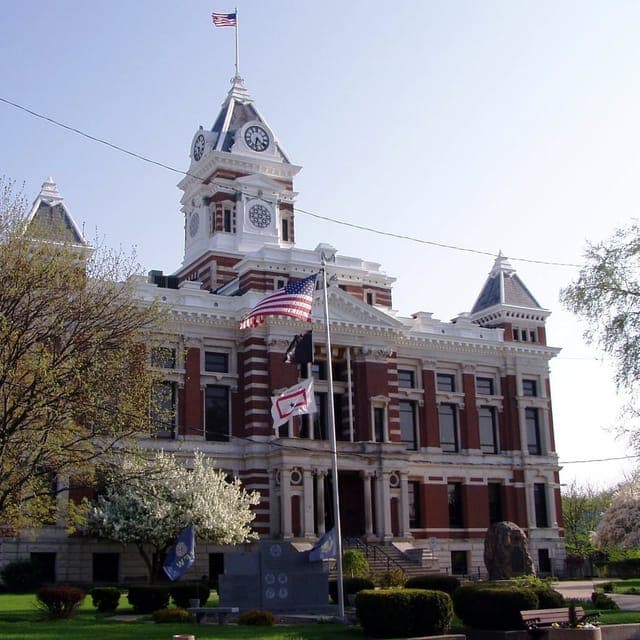
Most Conservative Cities in Indiana
Most Liberal Cities in Indiana

* Values derived from national, state, county, city and local statistics and may differ in a specific area. Last updated: 2026-04-14T06:23:11.000Z
Narrative content on this page is AI-generated and may contain mistakes. Verify any details that matter before acting on them.
ReloMaps may earn a commission from affiliate links at no extra cost to you.

