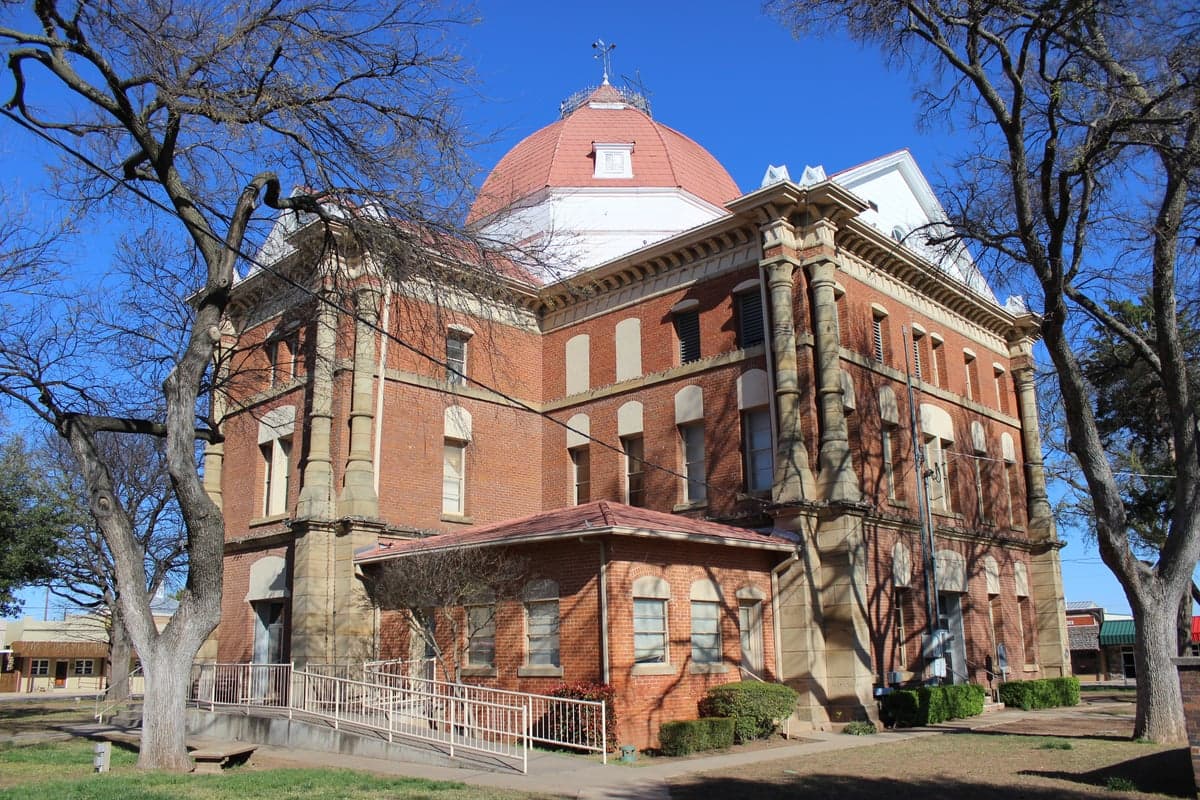
Photo: Wikipedia
Personal Sovereignty in Henrietta, TX
Strong independent fundamentals that actively favor personal liberty and low regulation.
What does Personal Sovereignty tell us?
Personal Sovereignty measures your capacity for self-reliance and independence with minimal government friction. Higher scores mean fewer barriers between you and the way you want to live... but it assumes you have the space you need and good neighbors.
What does this tell us?
Personal Sovereignty measures your capacity for self-reliance and independence with minimal government friction. Higher scores mean fewer barriers between you and the way you want to live... but it assumes you have the space you need and good neighbors.
State Policy
Energy independence: Net exporter (220% of energy produced in-state)
Personal Liberty
Homesteading

Personal Liberty Analysis
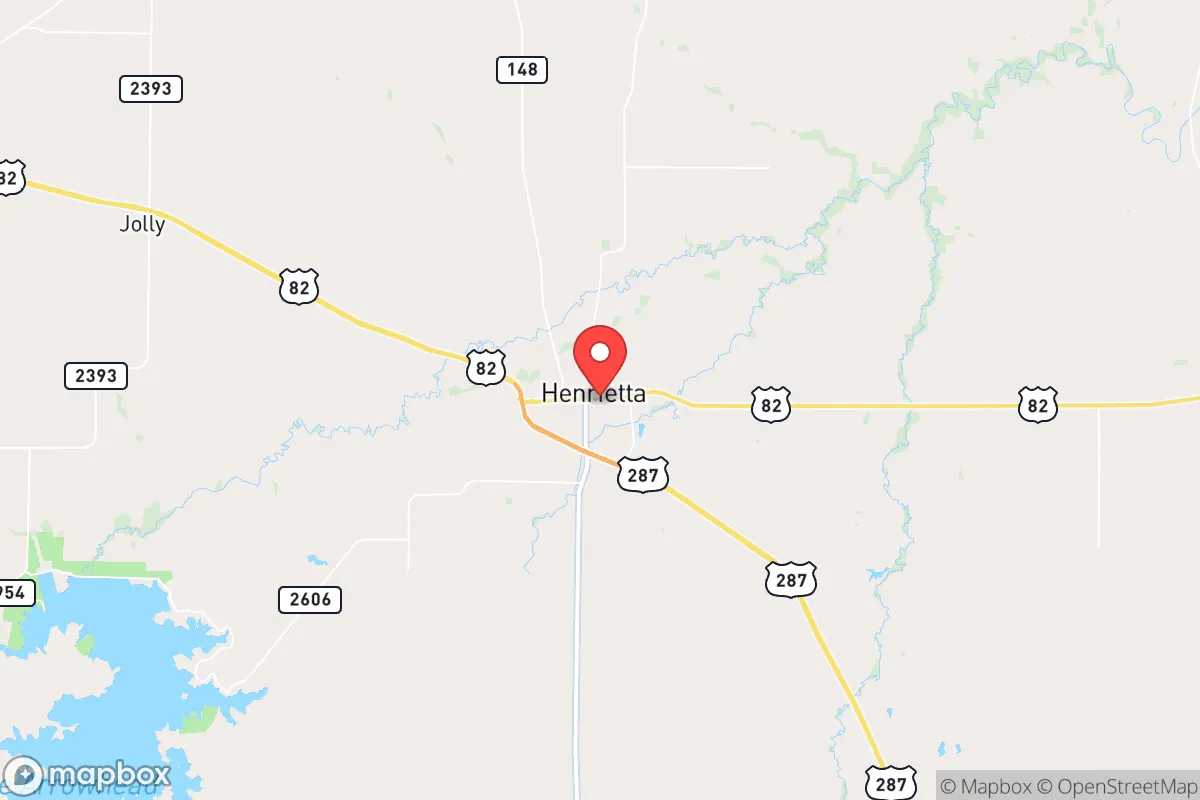
Henrietta, Texas, offers a personal sovereignty environment shaped by its location in a deeply conservative, rural North Texas county where state-level preemption and local custom combine to create a notably light-touch regulatory atmosphere. As the seat of Clay County, Henrietta sits about 30 miles east of Wichita Falls, and its governance reflects a community where individual autonomy is the baseline expectation rather than a concession. For a relocation-minded reader prioritizing freedom and self-reliance, the area presents a legal and cultural framework that minimizes bureaucratic interference in daily life, though practical constraints like limited local services and distance from major metro areas shape what that sovereignty looks like on the ground.
Tax burden and regulatory posture in Clay County
Texas has no state income tax, which directly benefits Henrietta residents by leaving more disposable income in their hands. Property taxes, however, are the primary local revenue source, and Clay County's effective property tax rate typically hovers around 1.2% to 1.5% of assessed value, which is moderate by Texas standards but higher than some neighboring rural counties due to a smaller tax base. The regulatory posture in Henrietta is decidedly hands-off: there is no city-level zoning ordinance in place, meaning property use is governed primarily by county-level subdivision regulations and state law rather than a municipal planning department. This absence of zoning allows residents greater flexibility in how they use their land, from running a home-based business to keeping livestock on residential lots, without needing variances or special permits. Business licensing requirements are minimal, and the county does not impose the kind of environmental or operational red tape common in more urbanized parts of the state. For a reader evaluating tax burden, the key tradeoff is that lower service expectations (fewer parks, limited public transit, no city planning staff) keep the overall cost of government low, but the property tax rate is not negligible and can rise with school district bond elections.
Self-defense and gun law specifics in Henrietta
Henrietta operates under Texas's robust firearm preemption laws, which prohibit local governments from enacting ordinances that are more restrictive than state law. This means that the city council cannot ban open carry, restrict magazine capacities, or impose waiting periods beyond what the Texas Legislature allows. Texas is a permitless carry state as of 2021, so any law-abiding adult 21 or older can carry a handgun openly or concealed without a license, though a License to Carry (LTC) remains available for reciprocity with other states. Clay County is a strong Second Amendment area culturally, and the local sheriff's office is known for a pro-self-defense stance; there are no "gun-free zones" beyond those mandated by state law (schools, courthouses, and certain government buildings). Stand-your-ground and castle doctrine protections are fully in effect, meaning there is no duty to retreat before using deadly force in any place where a person has a legal right to be. For a family or individual prioritizing self-defense, Henrietta offers one of the most permissive legal environments in the country, with the practical caveat that rural law enforcement response times can be 15 to 30 minutes depending on location, placing a premium on personal preparedness.
Self-reliance and homesteading viability in Henrietta
Henrietta's rural character makes it a viable location for homesteading and off-grid living, though with important caveats. Standard residential lots within the city limits are typically one-quarter to one-half acre, but larger parcels of one to five acres are common on the outskirts and in unincorporated Clay County. The absence of zoning means that keeping chickens, goats, or even a small number of cattle on a residential lot is generally permissible, provided the animals are not a nuisance under county health ordinances. Off-grid feasibility is high: well water is common in rural areas, and septic systems are standard, so a property can operate independently of municipal water and sewer. Solar panels are legal and not subject to HOA restrictions in unincorporated areas, though net metering with the local electric cooperative (North Texas Electric Cooperative) is available but not as generous as in some other states. The main constraint is that building codes apply to new construction in the unincorporated county only if the property lies within a floodplain or is financed with a federally backed mortgage; otherwise, owner-built structures are largely unregulated. For a reader seeking maximum self-reliance, Henrietta's regulatory environment is permissive, but the tradeoff is that the nearest major building supply center is in Wichita Falls, and specialized tradespeople may require travel time.
Personal liberties in Henrietta: parental rights, medical autonomy, speech, and property
Parental rights in Henrietta are strongly protected under Texas law, which includes a Parents' Bill of Rights that affirms the fundamental right of parents to direct the upbringing, education, and healthcare of their children. Clay County schools do not have mask mandates or vaccine requirements beyond state minimums, and parental opt-out provisions for sex education and other sensitive curriculum are robust. Medical autonomy is shaped by Texas's generally permissive stance on alternative treatments, though the state's strict abortion laws and limited medical marijuana program (limited to low-THC cannabis for specific conditions) reflect a conservative approach to healthcare regulation. Free speech and religious expression are broadly protected; there are no local ordinances restricting political signage or public assembly, and the county courthouse square is a traditional venue for public discourse. Property rights are strong, with Texas's private property rights laws limiting eminent domain abuse and requiring just compensation. The absence of zoning in Henrietta means that property owners have wide latitude to use their land as they see fit, subject only to nuisance laws and state environmental regulations. For a reader evaluating personal liberties, Henrietta offers a legal environment where government intervention in daily life is minimal, but the community's social norms are conservative, which may influence the practical exercise of certain freedoms in a small-town context.
Overall, Henrietta ranks among the more sovereignty-friendly small towns in Texas, with a regulatory and tax environment that prioritizes individual autonomy over collective planning. Compared to larger Texas cities like Austin or Dallas, Henrietta offers dramatically lower taxes, no zoning, and a cultural expectation of self-reliance. The tradeoffs are real: limited local services, a smaller tax base that can lead to higher property tax rates relative to services received, and a social environment where community expectations can be as influential as formal law. For a single individual or family who values personal freedom and is willing to accept the responsibilities of rural self-sufficiency, Henrietta provides a legal and cultural foundation that supports a high degree of personal sovereignty.

* Values derived from national, state, county, city and local statistics and may differ in a specific area. Last updated: 2026-08-04T15:41:15.000Z
Narrative content on this page is AI-generated and may contain mistakes. Verify any details that matter before acting on them.
ReloMaps may earn a commission from affiliate links at no extra cost to you.

