Photo: Wikipedia
Demographics of Helotes, TX
Affluence Level in Helotes, TX
An upper-middle-class area. Household wealth, education levels, and homeownership run ahead of national benchmarks.
People of Helotes, TX
Helotes today is a small, affluent Hill Country edge city of 9,372 residents where 53.2% of the population is Hispanic and 39.2% is white, a demographic mix that reflects two centuries of ranching families, military retirees, and San Antonio commuters layered onto the same few square miles. Only 3.1% of residents are foreign-born, and 52.2% hold a college degree — a profile closer to a settled, home-owning exurb than a gateway immigrant community. The city's identity is bound up in places like Old Town Helotes, the Scenic Loop corridor, and the gated subdivisions off Bandera Road, where descendants of Bexar County's original land-grant families live alongside newcomers who arrived for the schools and the short commute.
How the city was settled and grew
Helotes is not a colonial-era town; its permanent settlement dates to the mid-1800s, when Mexican and Anglo ranchers moved into the creek valleys northwest of San Antonio. The name comes from the Spanish elotes — corn on the cob — a reference to the roasting corn sold at early gatherings near Helotes Creek. Families with names like Ybarra, Rodriguez, and Casillas established small ranches along the creek, while Anglo and German-Texan settlers took up land along what became Bandera Road and Scenic Loop Road. The Old Town Helotes district around the original townsite grew as a trading and school crossroads, and Los Reyes and the surrounding creek-bottom tracts became the heart of the Hispanic ranching community whose descendants still dominate local landholdings. Through the first half of the 20th century, Helotes remained a rural Bexar County community of a few hundred people, sustained by ranching, cedar clearing, and limestone quarrying, with San Antonio's edge still miles away.
Modern era (post-1965)
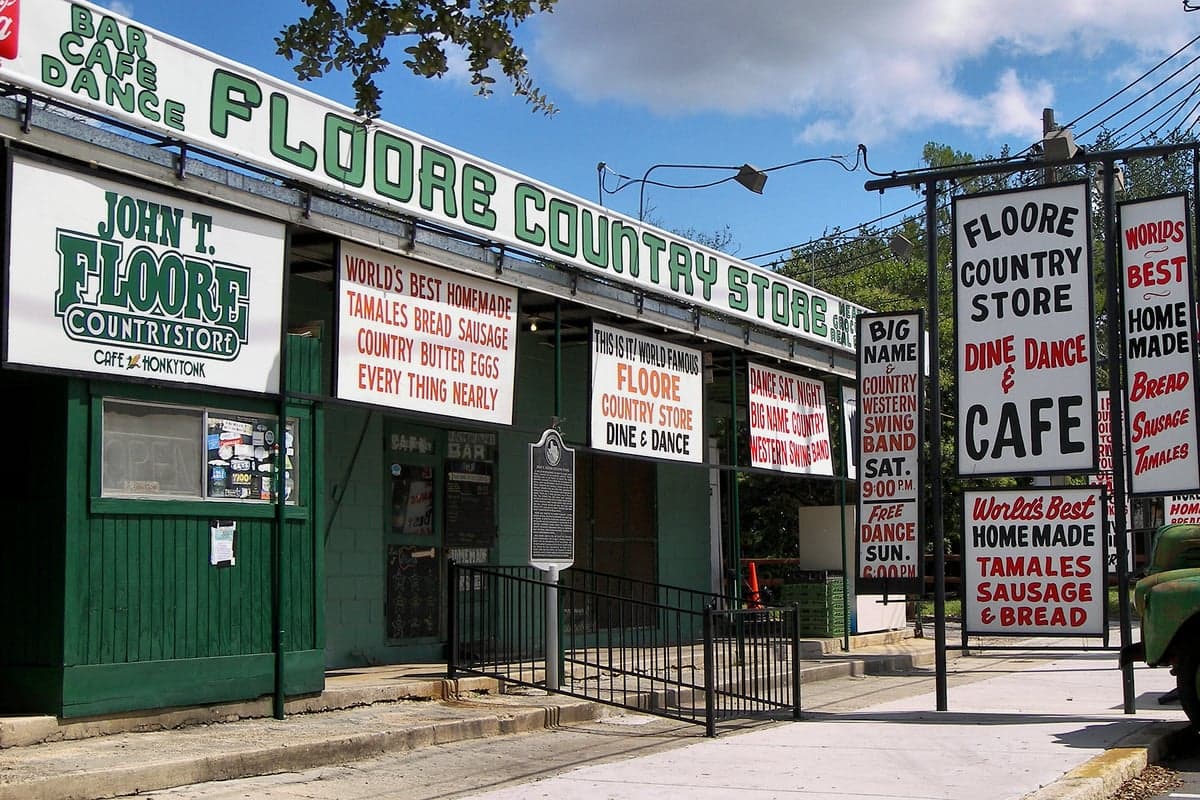
The 1965 Immigration and Nationality Act reshaped the nation's immigration but barely touched Helotes directly — the city's modern growth came almost entirely from domestic in-migration. As San Antonio sprawled northwest along Loop 1604 and Bandera Road in the 1970s and 1980s, Helotes incorporated in 1981 specifically to control its own zoning and slow dense development. Suburban subdivisions such as Helotes Park Estates, Sonoma Ranch, and Iron Horse Canyon absorbed thousands of newcomers — military families tied to Lackland and Randolph, oil-and-gas and healthcare professionals, and retirees drawn by low taxes and large lots. The Hispanic share stayed high not through immigration but through the natural growth of the old ranching families and the arrival of upwardly mobile Mexican-American households from San Antonio's West Side. The foreign-born share remains low at 3.1%, and the East/Southeast Asian community is small at 1.9%, with an Indian-subcontinent population of 1.3% — both concentrated among professional households in the newer gated communities. Black residents make up 2.5%. The city's cultural identity is anchored less in immigrant institutions than in Old Town Helotes, the John T. Floore Country Store dance hall, and the annual Cornyval festival, which celebrate a Texan-Mexican ranching heritage rather than a melting-pot narrative.
The future
Helotes is nearing build-out: with little undeveloped land inside city limits, population growth over the next decade will be modest, likely plateauing in the low-to-mid 10,000s. The Hispanic share should hold near or above half as the established families age in place and their children buy homes nearby, while the white share continues a slow decline. Diversity will increase gradually rather than sharply — the East/Southeast Asian and Indian shares are likely to edge up as professional households filter into Sonoma Ranch and the Scenic Loop corridor, but the foreign-born share will stay well under 5%. The bigger story is generational turnover: aging homeowners in Helotes Park Estates and Old Town are being replaced by younger families priced out of closer-in San Antonio, which will keep the city family-heavy and college-educated. Cultural identity will likely remain conservative, ranching-rooted, and Texan-Mexican in flavor, with Cornyval and Old Town as its anchors.
For someone moving in now, Helotes is a stable, low-density, high-education Hill Country suburb where Hispanic and white Texan traditions have blended for generations and where demographic change is slow and incremental rather than transformative. Buyers should expect a settled community with limited new construction, strong schools, and a cultural identity that rewards those who value continuity over novelty.

* Values derived from national, state, county, city and local statistics and may differ in a specific area. Last updated: 2026-11-03T01:41:49.000Z
Narrative content on this page is AI-generated and may contain mistakes. Verify any details that matter before acting on them.
ReloMaps may earn a commission from affiliate links at no extra cost to you.

