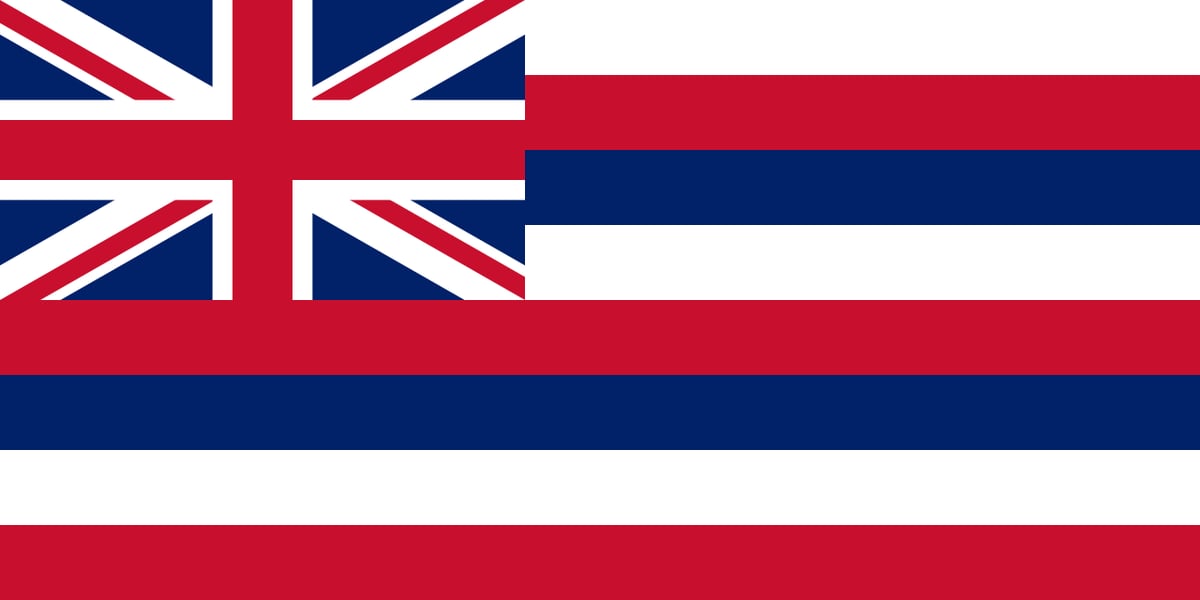
Photo: Wikipedia
Political ClimatePolitical Climate in Hawaii
Political Environment in the State
Hawaii has been a one-party Democratic stronghold for decades, with Democrats holding supermajorities in both legislative chambers and every statewide office since 1962. The state’s political culture is deeply collectivist, prioritizing government-led solutions over individual autonomy, and the trajectory over the last 20 years has been a steady march toward higher taxes, more regulation, and expanding government control over daily life. While the state’s natural beauty and Aloha Spirit are real, the political climate is increasingly hostile to conservative values, especially for those who value fiscal restraint, parental rights, and personal freedom.
Urban vs. rural divide
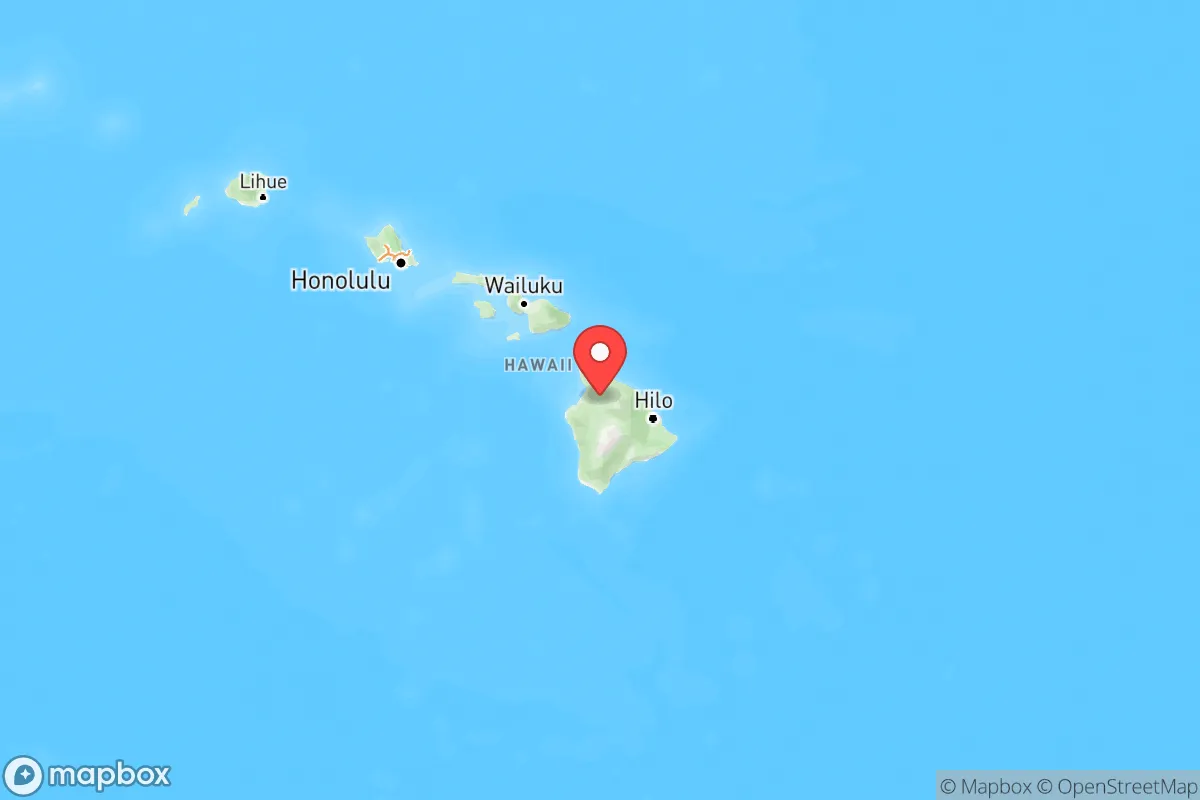
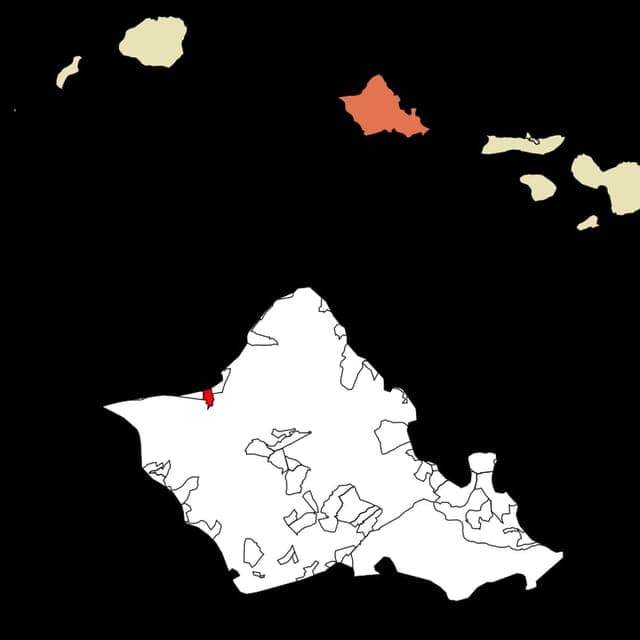
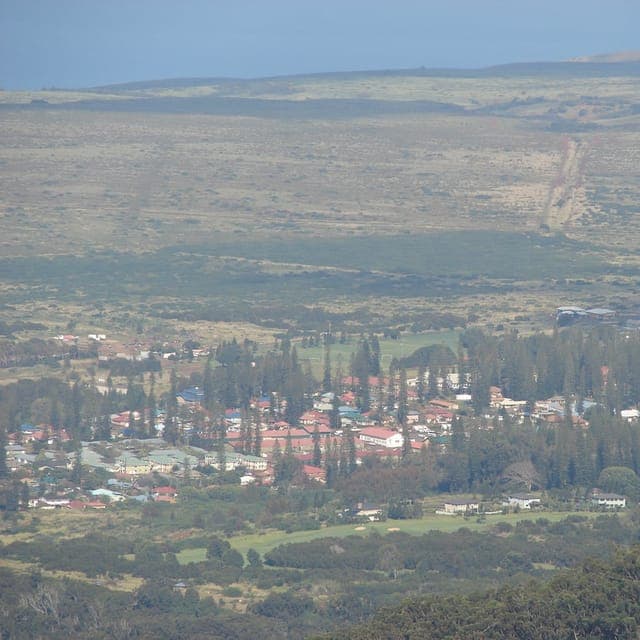
The political map of Hawaii is starkly divided between the urban core of Honolulu on Oahu and the more rural, less populated neighbor islands. Honolulu and its suburbs—places like Waikiki, Kailua, and Kaneohe—drive the state’s deep blue lean, with precincts routinely delivering 70-80% of the vote to Democratic candidates. The rest of Oahu, particularly the Leeward Coast (e.g., Waianae, Nanakuli), also votes heavily Democratic, though with more working-class, Native Hawaiian influence. On the neighbor islands, the divide is more nuanced. Hilo on the Big Island is a progressive stronghold, while Kailua-Kona and the North Kohala coast lean more conservative, with pockets of libertarian-leaning ranchers and farmers. Maui’s central valley (Kahului, Wailuku) is blue, but upcountry areas like Makawao and Kula have a noticeable Republican presence. Kauai is solidly blue, though the north shore (Hanalei, Princeville) is more environmentally progressive than the south (Koloa, Poipu). The only county that occasionally flips Republican is Hawaii County (the Big Island), where in 2020, Donald Trump won 42% of the vote—his best showing in the state. Still, no county has voted Republican for president since 1984.
Policy environment
Hawaii’s policy environment is a textbook case of progressive governance. The state has the highest combined state and local tax burden in the nation, with a general excise tax (GET) that applies to nearly all goods and services, including business-to-business transactions, effectively creating a hidden tax on everything. Property taxes are relatively low, but the state’s income tax is steeply progressive, with a top marginal rate of 11% on income over $200,000. Education policy is centralized and union-dominated; the Hawaii State Teachers Association is a powerful political force, and school choice is virtually nonexistent—no charter schools of substance, no vouchers, and a strict cap on homeschooling oversight that still requires annual paperwork. Healthcare is heavily regulated, with the state mandating employer-provided insurance and maintaining a robust Medicaid expansion. Election laws are moderately restrictive: no-excuse absentee voting is allowed, but same-day registration is not available, and voter ID laws are minimal. The state also has a strict gun control regime, including a permit-to-purchase system, a ban on “assault weapons” (broadly defined), and a 14-day waiting period—one of the longest in the nation.
Trajectory & freedom
Hawaii is becoming less free by almost any measure, and recent legislation confirms the trend. In 2023, the state passed Act 2, which expanded background checks to private firearm sales and raised the minimum age to purchase a firearm to 21. In 2024, the legislature passed Act 46, which created a state-level “red flag” law allowing courts to temporarily seize firearms from individuals deemed a risk—without a criminal conviction or a hearing. On the parental rights front, the state has moved aggressively to centralize authority. In 2022, the legislature overrode the governor’s veto to pass Act 208, which prohibits public schools from notifying parents if a student changes their gender identity or pronoun—a direct assault on parental rights. Medical autonomy has also eroded: Hawaii has some of the most restrictive vaccine mandates in the country, including a requirement for all schoolchildren to be vaccinated against COVID-19 (though this was later relaxed). Property rights are weak; the state’s Land Use Commission has near-total control over zoning and development, and the county-level permitting process is notoriously slow and expensive, often taking years for simple renovations. The only bright spot for freedom advocates is the state’s constitutional carry law (no permit needed to carry a concealed firearm in public), which was enacted in 2023 after a federal court ruling struck down the state’s restrictive carry regime. But that victory is fragile—the legislature is already working on new restrictions.
Civil unrest & political movements
Hawaii has a long history of organized protest, but the most visible flashpoints in recent years have been around housing, development, and Native Hawaiian sovereignty. The Thirty Meter Telescope (TMT) protests on Mauna Kea from 2015-2019 were a major national story, with activists blocking construction and clashing with police. The movement was a coalition of Native Hawaiian groups, environmentalists, and left-wing activists, but it also drew support from some conservatives who opposed government overreach and eminent domain. More recently, the Maui wildfires of 2023 sparked intense political debate, with many residents accusing the state and county of negligence and mismanagement. The disaster exposed deep distrust of government, particularly among Lahaina residents who felt abandoned. On the right, the Hawaii Republican Party is small but active, with a focus on fiscal conservatism, property rights, and opposition to new taxes. The Hawaii Firearms Coalition is a well-organized gun rights group that has successfully lobbied against some restrictions. Immigration politics are less heated than on the mainland, but the state has a sanctuary policy that limits cooperation with federal immigration enforcement. Election integrity concerns are muted, but the 2020 election saw a surge in mail-in voting, and some conservatives have raised questions about signature verification and ballot security.
Projection
Over the next 5-10 years, Hawaii’s political trajectory is likely to continue leftward, driven by demographic trends and in-migration patterns. The state’s population is aging and declining, with many native-born residents leaving for lower-cost, lower-tax states like Texas, Nevada, and Idaho. Those moving in are disproportionately wealthy retirees, remote workers, and progressive-minded individuals attracted to the state’s environmental policies and social liberalism. The Native Hawaiian population is growing, and while it is not monolithic, it tends to vote Democratic. The military presence (Pearl Harbor, Schofield Barracks) provides a small conservative counterweight, but military families are transient and less politically engaged. The state’s housing crisis will likely intensify, leading to more government intervention—rent control, stricter short-term rental bans, and increased property taxes on non-owner-occupied homes. The Democratic supermajority is unlikely to be broken, as the Republican Party remains weak and fractured. However, there is a growing libertarian and independent streak, particularly on the Big Island and Maui, that could produce more competitive races in the future. For a conservative moving in, the realistic expectation is that the state will become more expensive, more regulated, and less tolerant of dissenting views on issues like guns, education, and parental rights.
Bottom line for a new resident: If you value low taxes, school choice, gun rights, and minimal government interference, Hawaii is a challenging place to live. The natural beauty is unmatched, but the political climate is increasingly hostile to conservative values. You’ll need to be prepared for high costs, slow bureaucracy, and a culture that prioritizes collective well-being over individual freedom. If you’re willing to fight for your rights—and you have the resources to do so—places like Kailua-Kona or Makawao offer pockets of like-minded community. But don’t expect the state to change direction anytime soon.

Most Conservative Cities in Hawaii

Most Liberal Cities in Hawaii
* Values derived from national, state, county, city and local statistics and may differ in a specific area. Last updated: 2026-06-03T05:30:39.000Z
Narrative content on this page is AI-generated and may contain mistakes. Verify any details that matter before acting on them.
ReloMaps may earn a commission from affiliate links at no extra cost to you.

