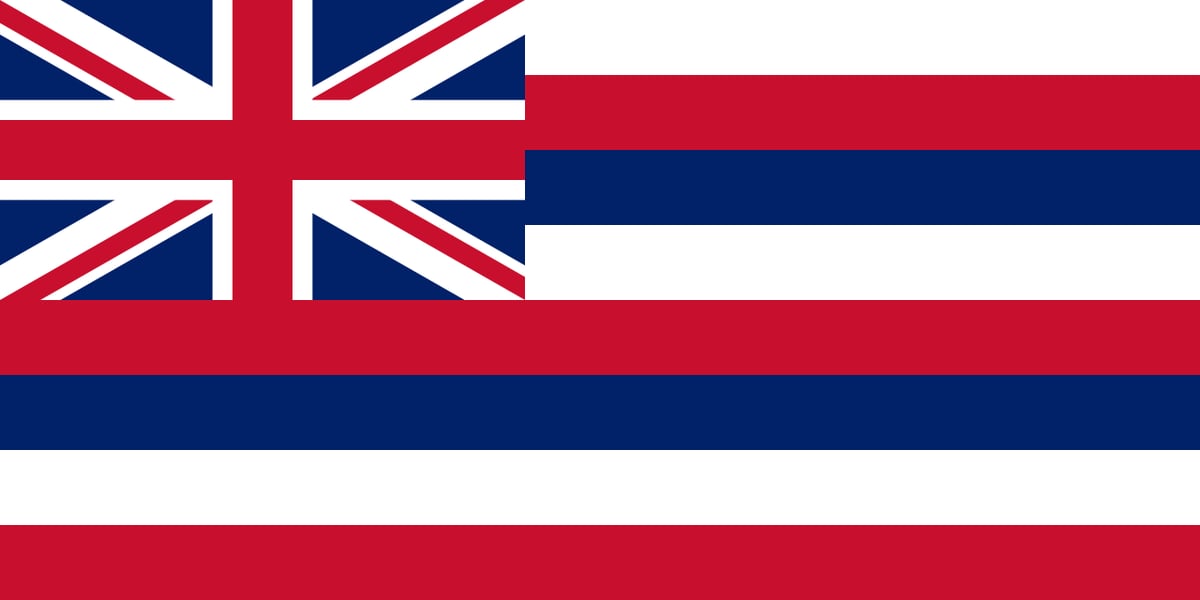
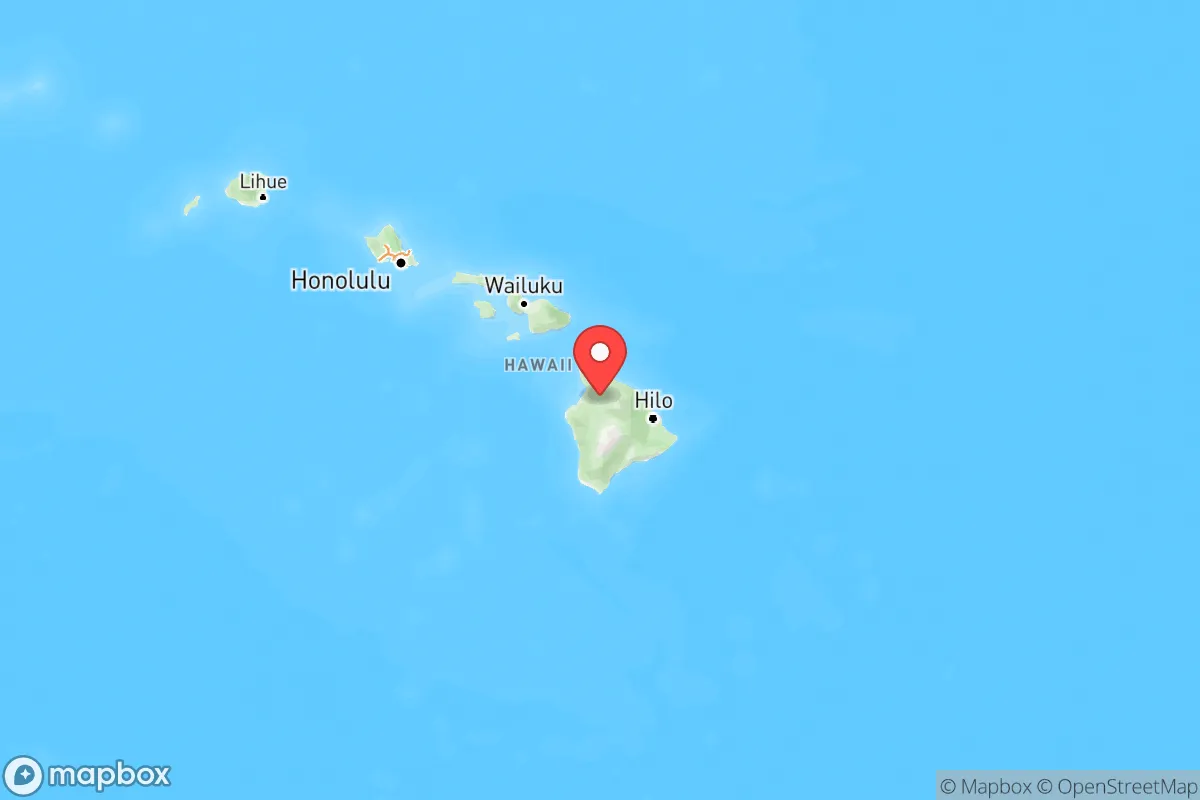
Photo: Wikipedia
Personal Sovereignty in Hawaii
Moderate friction. Expect trade-offs in some aspect of personal liberty and independence.
What does Personal Sovereignty tell us?
Personal Sovereignty measures your capacity for self-reliance and independence with minimal government friction. Higher scores mean fewer barriers between you and the way you want to live... but it assumes you have the space you need and good neighbors.
What does this tell us?
Personal Sovereignty measures your capacity for self-reliance and independence with minimal government friction. Higher scores mean fewer barriers between you and the way you want to live... but it assumes you have the space you need and good neighbors.
State Policy
Energy independence: Importer (2% of energy produced in-state)
Personal Liberty
Homesteading

Personal Liberty Analysis
Hawaii presents one of the most challenging environments in the United States for those seeking personal sovereignty. The state's remote island geography, combined with a deeply entrenched regulatory apparatus and a political culture that leans heavily toward collective control, means that autonomy in decision-making—from how you defend your home to what you teach your children—faces constant friction. While the islands offer breathtaking natural beauty and a slower pace of life, the trade-off for personal freedom is significant, and anyone considering relocation with a self-reliant or conservative mindset must understand where the lines are drawn between individual rights and government authority.
The real cost of living: tax burden and regulatory posture in Hawaii
Hawaii's tax burden is among the heaviest in the nation, and it directly erodes the financial independence that fuels personal sovereignty. The state imposes a progressive income tax with a top marginal rate of 11%, applying to income over $200,000 for single filers—one of the highest rates in the country. General excise tax (GET) of 4% to 4.5% is levied on nearly every transaction, including services, groceries, and rent, which effectively functions as a broad consumption tax. Property taxes are comparatively moderate, but that’s cold comfort when the cost of land itself is astronomical—a typical single-family home on Oahu now exceeds $1 million. Regulatory posture is equally restrictive. The state's Land Use Commission classifies most land into urban, rural, or agricultural districts with strict zoning rules. Building permits can take months or years, and the cost of compliance with environmental and historical preservation laws is high everywhere from Honolulu to Hilo. For someone used to the relatively light touch of a Texas or Florida jurisdiction, Hawaii's bureaucracy feels like a second occupation. Even something as simple as adding a rainwater catchment system on the Big Island can require county permits, inspections, and approved designs.
Self-defense and gun law specifics: what you can and cannot do to protect yourself
Gun rights are among the most restricted in the United States, and that reality heavily constrains self-defense sovereignty. Hawaii is a "may-issue" state for concealed carry, and after the Bruen decision, the state responded with a law requiring a permit based on "good moral character" and a demonstrated "exceptional case"—effectively keeping issuance rates near zero outside of a handful of sheriffs on the Big Island and Kauai. Open carry is prohibited entirely. Firearm registration is required for all purchases, and there is a 14-day waiting period even for long guns. The state maintains a registry of all firearms owners, and magazine capacity is limited to 10 rounds. Self-defense in the home is legally recognized under a "stand your ground" framework, but the defensive use of deadly force is narrowly interpreted by prosecutors, especially in urban counties like Honolulu. The practical effect: law-abiding citizens in Hilo, Kona, or Hanapepe find themselves at a severe disadvantage compared to criminals who have no regard for the law. If personal protection is a priority, Hawaii demands a strategy that relies more on physical security, situational awareness, and less on firearms—a reality that many conservatives find unacceptable.
Self-reliance and homesteading viability: lot sizes, zoning, and off-grid feasibility
Homesteading in Hawaii is possible, but only if you navigate a byzantine zoning system and accept that off-grid living remains a legal gray area. On the Big Island's Puna district, you can find agricultural-zoned lots as small as 1 acre or as large as 40 acres, and many residents there already rely on rainwater catchment, solar power, and composting toilets. However, the Hawaii County code requires that any dwelling constructed on agricultural land must be used primarily for farming, and the county has recently stepped up enforcement against "unpermitted dwellings." In the rural areas of Kau (near Naalehu) and along the Hamakua Coast, off-grid setups are more tolerated by code enforcement, but a new owner should budget for a county-approved septic system and building permit costs that can exceed $10,000. On Maui, the Upcountry region (Kula, Makawao) offers larger parcels but with stricter watershed protections—rainwater harvesting is legal but must meet county health standards. On Oahu and Kauai, homesteading is largely confined to existing agricultural subdivisions, and the costs are prohibitive. The bottom line: you can live off-grid, but you cannot hide from the permitting process. Preppers must plan for a three- to five-year timeline to get a legal dwelling established, and they should expect regular visits from building inspectors if neighbors complain.
Personal liberties: parental rights, medical autonomy, speech, and property
Personal freedoms in Hawaii face continuous pressure from both state mandates and a dominant progressive culture. Parental rights have been tested strongly: Hawaii mandates a detailed "standards-based" education curriculum, and homeschooling is legal but requires annual notice and quarterly progress reports. Parents seeking to opt children out of sex education or certain health screenings may fight an uphill battle with the Department of Education, especially in districts like Honolulu's Kaimuki or Maui's Kahului. Medical autonomy is also constrained; during the pandemic, Hawaii maintained some of the longest-lasting vaccine mandates and quarantine rules in the nation, and the state retains broad emergency powers that can be invoked with little legislative oversight. Freedom of speech is formally protected, but social and professional pressure in close-knit island communities can be intense for anyone who expresses conservative views—especially in more liberal enclaves like Honolulu, Kailua, or on Maui's north shore. Property rights are heavily circumscribed by the state's ability to impose conservation easements, shoreline setbacks, and agricultural deed restrictions; eminent domain for "public purposes" is used more aggressively here than in many states. All of this adds up to an environment where a libertarian or survivalist mindset requires constant vigilance and a willingness to accept that government oversight reaches deep into daily life.
Compared to states like Texas, Idaho, or Montana, Hawaii ranks near the bottom for personal sovereignty. Its combination of high taxes, strict gun control, dense land-use regulation, and a cultural expectation of conformity produces a system where the individual is expected to answer to the collective at nearly every turn. For those who place a premium on self-reliance and autonomy—whether in defending a home, raising children, or simply living undisturbed on one's own land—Hawaii will feel like a cage wrapped in paradise. The natural environment is unmatched, but the legal and regulatory environment is hostile to the independent spirit. If you value sovereignty above scenery, look elsewhere; if you do come, come prepared to fight for every inch of freedom you intend to keep.

Top Cities for Personal Sovereignty in Hawaii

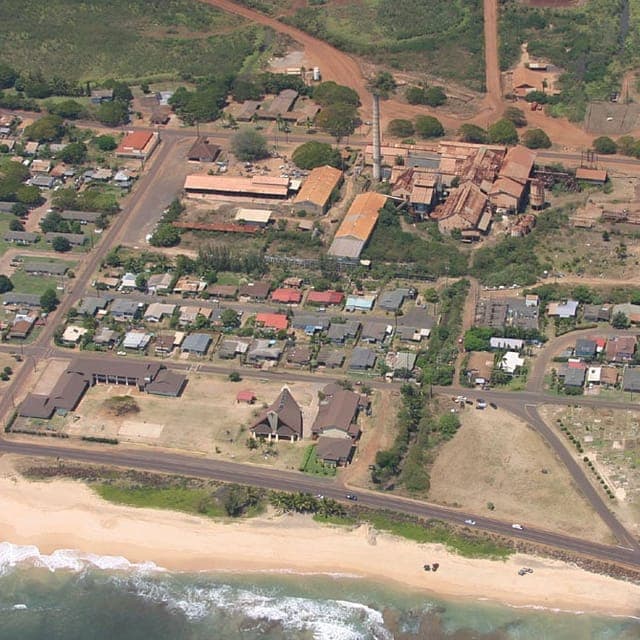

* Values derived from national, state, county, city and local statistics and may differ in a specific area. Last updated: 2026-06-03T05:30:39.000Z
Narrative content on this page is AI-generated and may contain mistakes. Verify any details that matter before acting on them.
ReloMaps may earn a commission from affiliate links at no extra cost to you.

