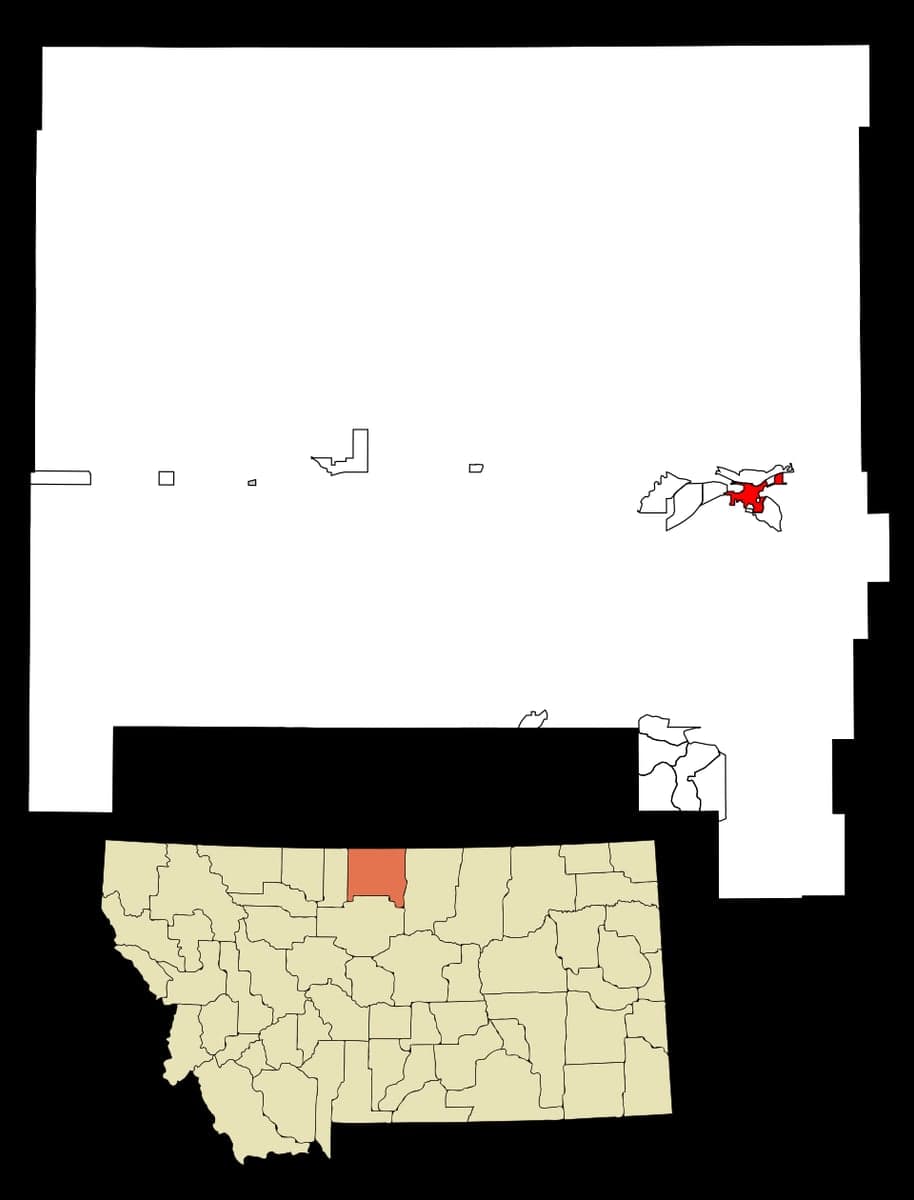
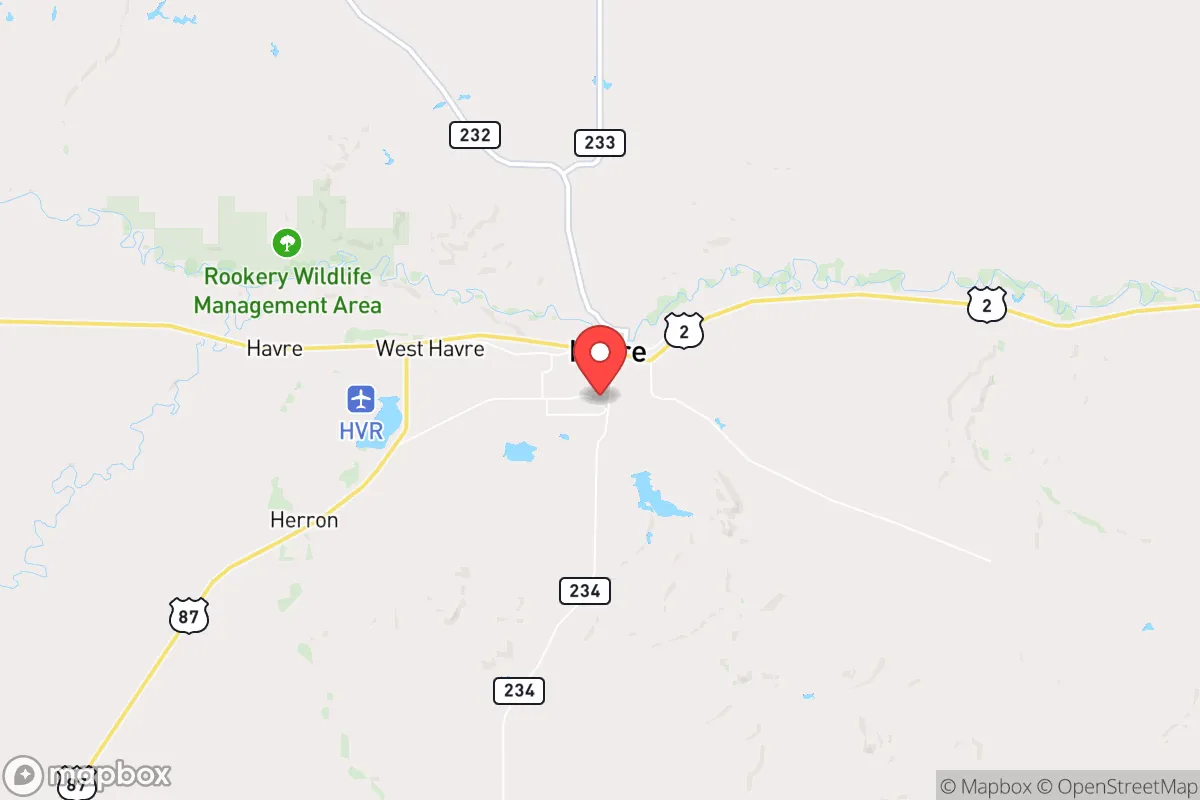
Photo: Wikipedia
Quality of Life in Havre, MT
A high quality of life with strong walkability, manageable living costs, healthy neighborhood signals, and solid amenity access.
What does Quality of Life tell us?
Quality of Life blends cost of living, nearby amenities, socioeconomic signals, and neighborhood character. City-level scores represent the whole municipality; individual neighborhoods can differ.
What does this tell us?
Quality of Life blends cost of living, nearby amenities, socioeconomic signals, and neighborhood character. City-level scores represent the whole municipality; individual neighborhoods can differ.
Cost of Living
31% below national average
The Real Cost of Living in Havre, MT for 2026
| Tier | Individual | Family (4) |
|---|---|---|
| Survival | $13k | $24k |
| Comfortable | $38k | $56k |
| Luxury | $105k+ | $162k+ |
| Elite (Top 5%) | $125k+ | $193k+ |
103%
The Area Signal
A metric tracking the socioeconomic signals of the area.
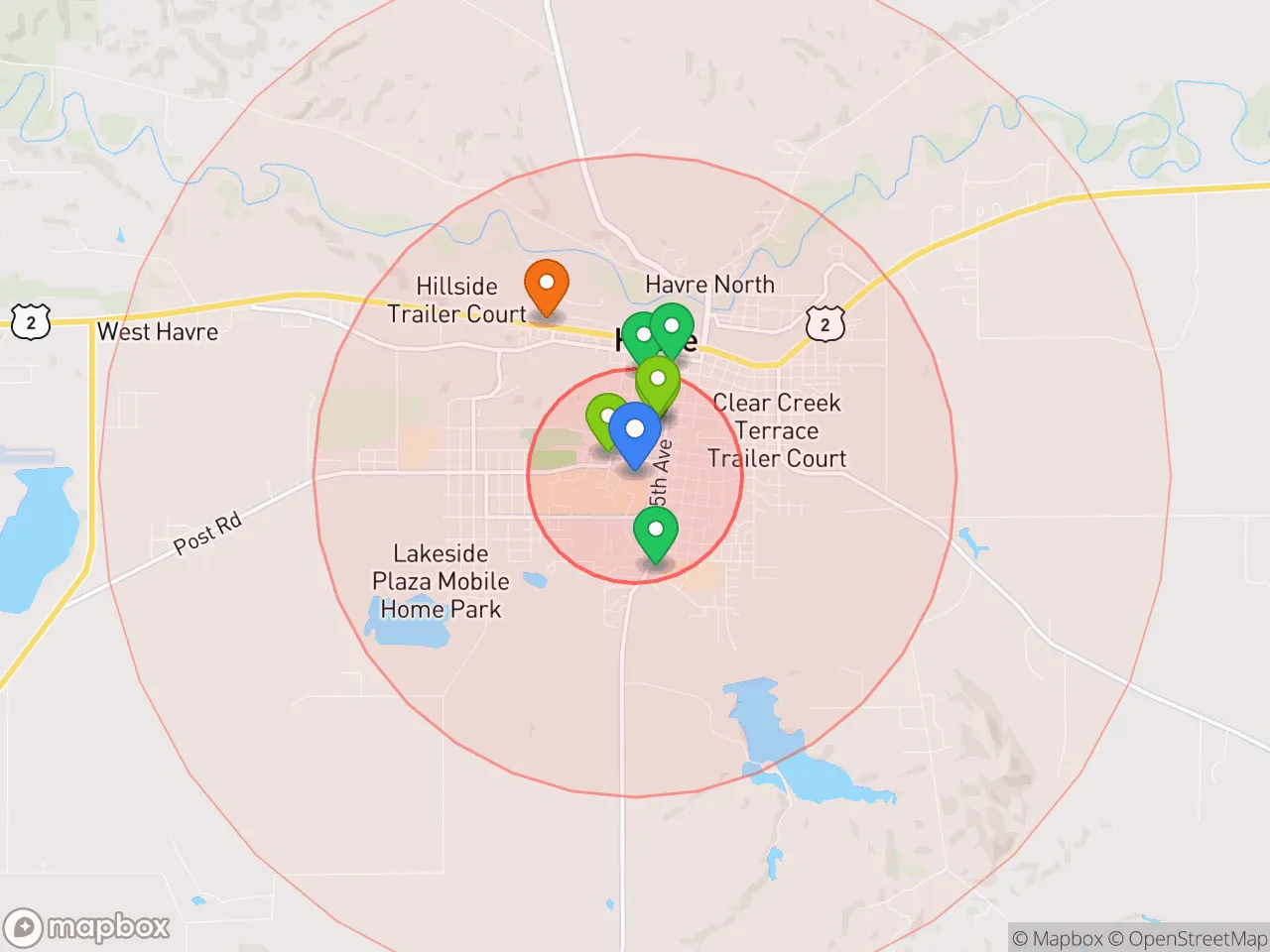
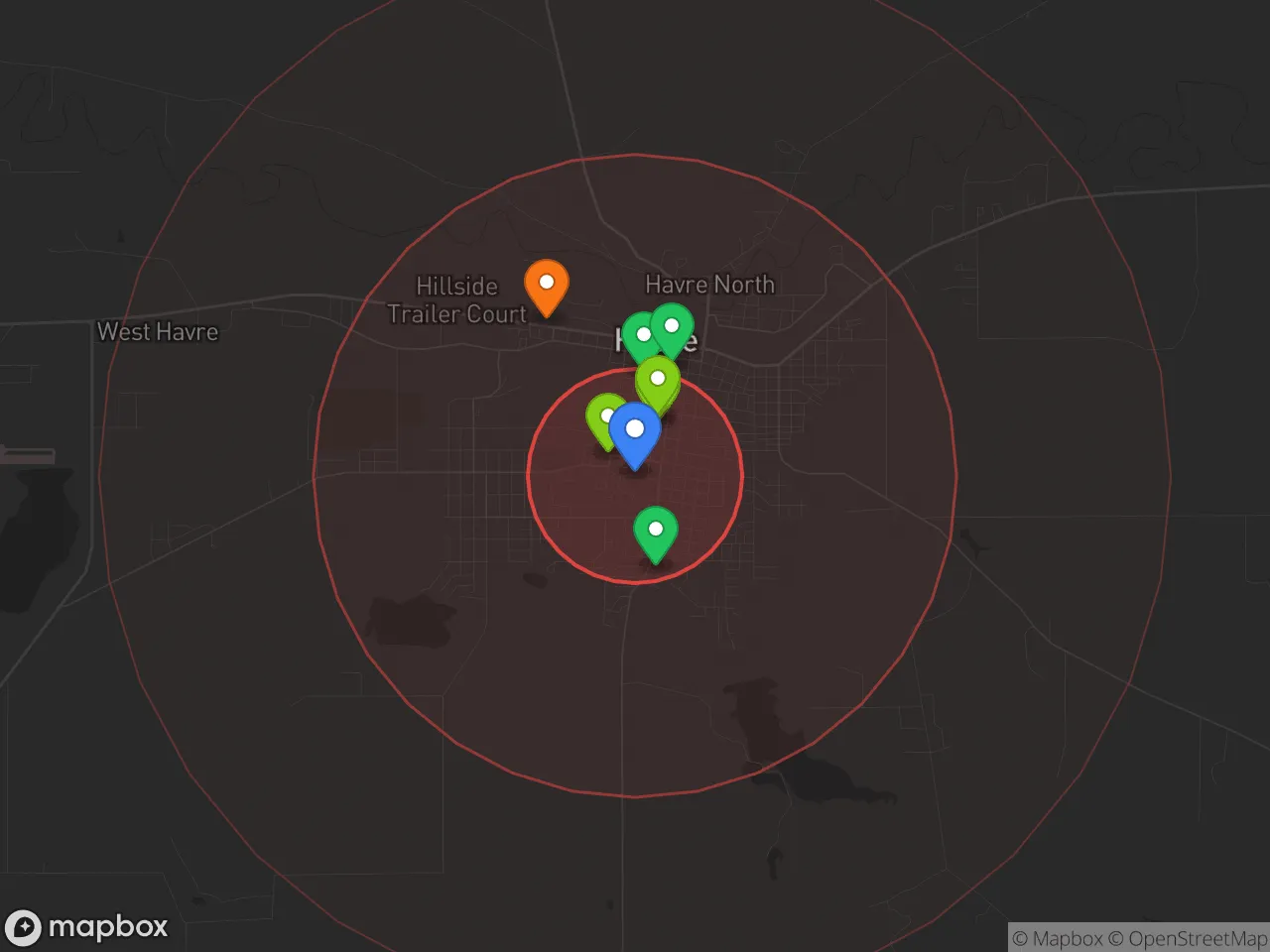
Hobbies
Explore the areaGroceries
2 within 10 miles
Gas
6 within 10 miles
Hospital
2 within 20 miles
Airport
Post Office
USPS — Havre, MT
Critical Amenities
Quality-of-Life Analysis
Havre, Montana, offers a notably affordable quality of life that attracts a mix of working-class families, Montana State University–Northern students, and retirees seeking a low-cost, quiet lifestyle. With a cost-of-living index of 69 (31% below the U.S. average), the area stands out as one of the most budget-friendly communities in the state, though its remote location in north-central Montana means fewer big-city amenities than in Bozeman or Missoula. The population of roughly 9,400 is predominantly white and leans conservative, with a strong sense of local pride centered on agriculture, the railroad, and the university.
Cost of living and housing affordability compared to nearby towns
Havre’s housing market is a primary draw for newcomers. The median home value sits at $197,600, roughly half the Montana state median of around $400,000, while the median rent is just $802 per month. This makes homeownership attainable for entry-level buyers and renters alike, especially compared to larger Montana cities like Great Falls (median home value ~$280,000) or Billings (~$350,000). The average commute of 19 minutes is short by national standards, reflecting the town’s compact layout and minimal traffic congestion. Utility costs and grocery prices also run below state averages, though residents pay slightly more for goods shipped into the Hi-Line region. For those willing to live 30–45 minutes outside town, rural properties in Hill County offer even lower land prices, though with fewer services.
Local amenities, schools, and what daily life feels like
Daily life in Havre centers on a small downtown core along U.S. Highway 2, with locally owned restaurants, a historic railroad depot, and the Havre Public Schools system, which serves about 1,800 students across three elementary schools, one middle school, and Havre High School. Montana State University–Northern adds a collegiate atmosphere and hosts cultural events, rodeos, and vocational programs. Outdoor recreation is limited compared to western Montana—there are no major ski resorts within two hours—but the nearby Bear Paw Mountains offer hiking and hunting, and the Milk River provides fishing and canoeing. Healthcare is handled by Northern Montana Hospital, a critical-access facility with a 24-hour emergency room. Residents often drive 1.5 hours to Great Falls for specialized medical care or major shopping. The pace is slow; most errands can be done within a 10-minute drive, and community events like the Great Northern Fair in August draw crowds from across the Hi-Line.
Havre is best suited for people who prioritize low housing costs, a tight-knit community, and a slower pace over urban nightlife or career diversity. Remote workers, retirees on fixed incomes, and students at MSU–Northern will find the affordability freeing, while those seeking high-end dining, frequent concerts, or robust job markets outside healthcare, education, and agriculture may feel isolated. For anyone comfortable with harsh winters and a 4-hour drive to the nearest international airport (in Great Falls), Havre delivers a stable, low-stress quality of life that is increasingly rare in the Mountain West.

Crime in Havre, MT
Higher crime rates than 64% of comparable U.S. locations.
Violent CrimeViolent Crime Analysis
Property CrimeProperty Crime Analysis
Crime Analysis
Havre, Montana, reports a violent crime rate of 763 incidents per 100,000 residents and a property crime rate of 2,964.9 per 100,000, both significantly exceeding national averages. These figures place Havre among the higher-crime communities in Montana, a concern amplified by the city's location as a regional hub along the Hi-Line. The overall safety picture is one where residents face elevated risks, particularly from property offenses, and must remain vigilant.
Crime in context
Havre's violent crime rate is roughly double the national average (about 380 per 100,000) and well above Montana's statewide rate of approximately 400 per 100,000. The property crime rate is also elevated, surpassing the national figure of around 2,000 per 100,000. These statistics place Havre in a concerning tier compared to other Montana cities of similar size, such as Glasgow or Malta, which report lower rates. The high property crime rate—driven by thefts, burglaries, and vehicle break-ins—is a persistent issue, while the violent crime rate, though lower in raw numbers, reflects a serious problem given the city's population of roughly 9,500.
What residents experience
Residents commonly report theft from vehicles and unlocked homes, as well as occasional vandalism. The elevated violent crime rate, while less frequent in daily life, includes aggravated assaults and, in some years, robberies. Havre's justice system, operating under Montana's state laws, has faced criticism for progressive sentencing practices in Hill County, where judges and prosecutors sometimes prioritize rehabilitation over incarceration. This approach, while sympathetic to offenders, can result in repeat offenders returning to the streets quickly, undermining public safety and victim justice. Local news outlets frequently cover incidents where individuals with multiple prior arrests are released pending trial, contributing to a sense of frustration among residents.
Neighborhood-level variation
Crime in Havre is not uniform. The downtown core and areas near the railroad tracks and the U.S. Highway 2 corridor see higher concentrations of property crime and disorder, including drug-related activity. Residential neighborhoods on the city's south and east sides, such as those near Havre High School and the Montana State University-Northern campus, tend to experience fewer incidents. However, the city's small size means that no area is entirely insulated from the broader crime trends. Property crime can occur in any neighborhood, particularly when vehicles are left unlocked or valuables are visible. Residents in lower-crime areas still report occasional thefts, underscoring the need for proactive prevention measures citywide.
* Values derived from national, state, county, city and local statistics and may differ in a specific area. Last updated: 2026-04-29T21:49:15.000Z
Narrative content on this page is AI-generated and may contain mistakes. Verify any details that matter before acting on them.
ReloMaps may earn a commission from affiliate links at no extra cost to you.

