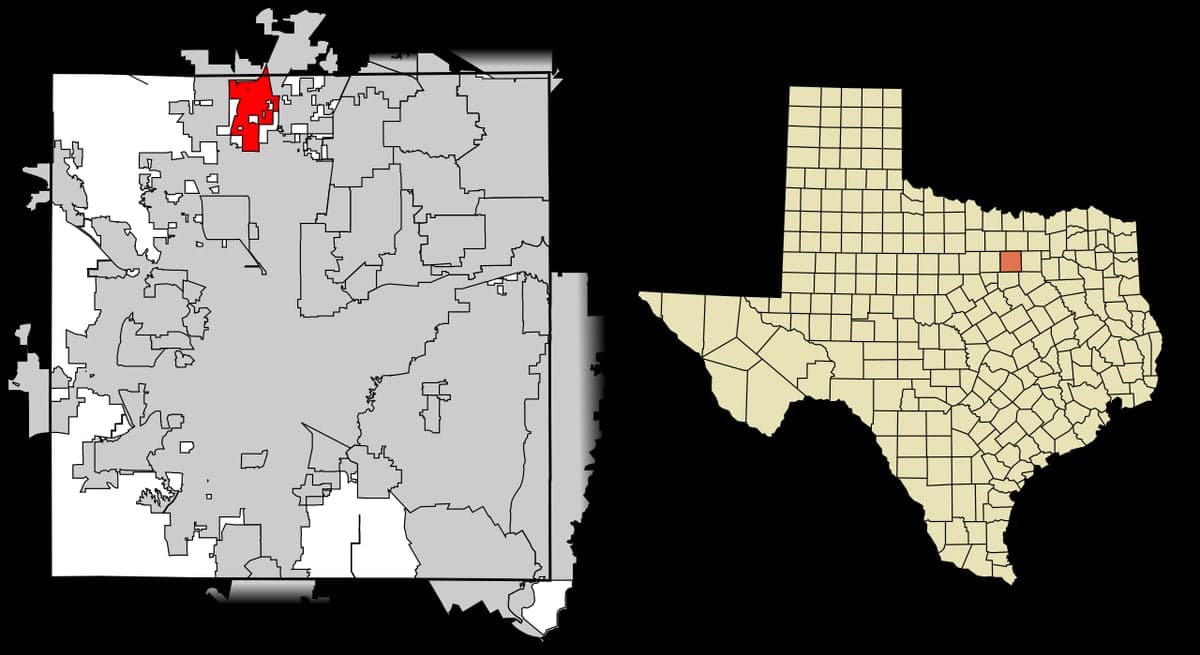
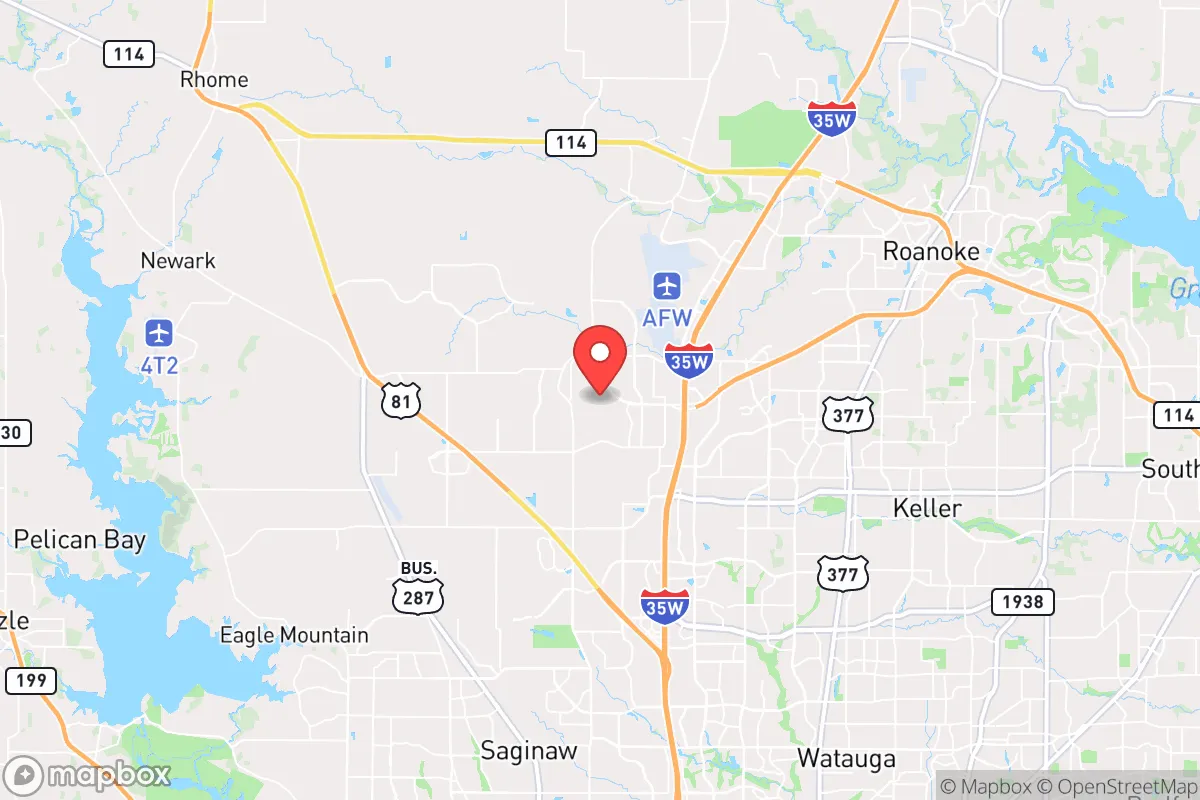
Photo: Wikipedia
Strategic Assessment of Haslet, TX
Meaningful friction. Expect exposure to either population pressure, blast zones, or natural disaster risk. Consider buying a retreat property.
What does the Strategic Assessment tell us?
Our Strategic Assessment grades tactical survivability of an area. Major population centers, military targets, fallout zones, natural disasters, and border exposure all drive risk — lower exposure means a more defensible position in a crisis.
This is heavily inspired by Joel Skousen's Strategic Relocation book. Highly recommended you checkout the book ($)What does this tell us?
Our Strategic Assessment grades tactical survivability of an area. Major population centers, military targets, fallout zones, natural disasters, and border exposure all drive risk — lower exposure means a more defensible position in a crisis.
This is heavily inspired by Joel Skousen's Strategic Relocation book. Highly recommended you checkout the book ($)Strategic Pillars
Key Distances
Regional Safe Places
Below is our recommended "safe zones" in Texas and the surrounding area based on our strategic heuristics. For most people, it's unrealistic to live in a “safe zone” full-time due to work, family or other personal reasons. They tend to be more rural. However, many of these areas are perfect for second homes and retreat properties that double as a vacation home or even a short-term rental.

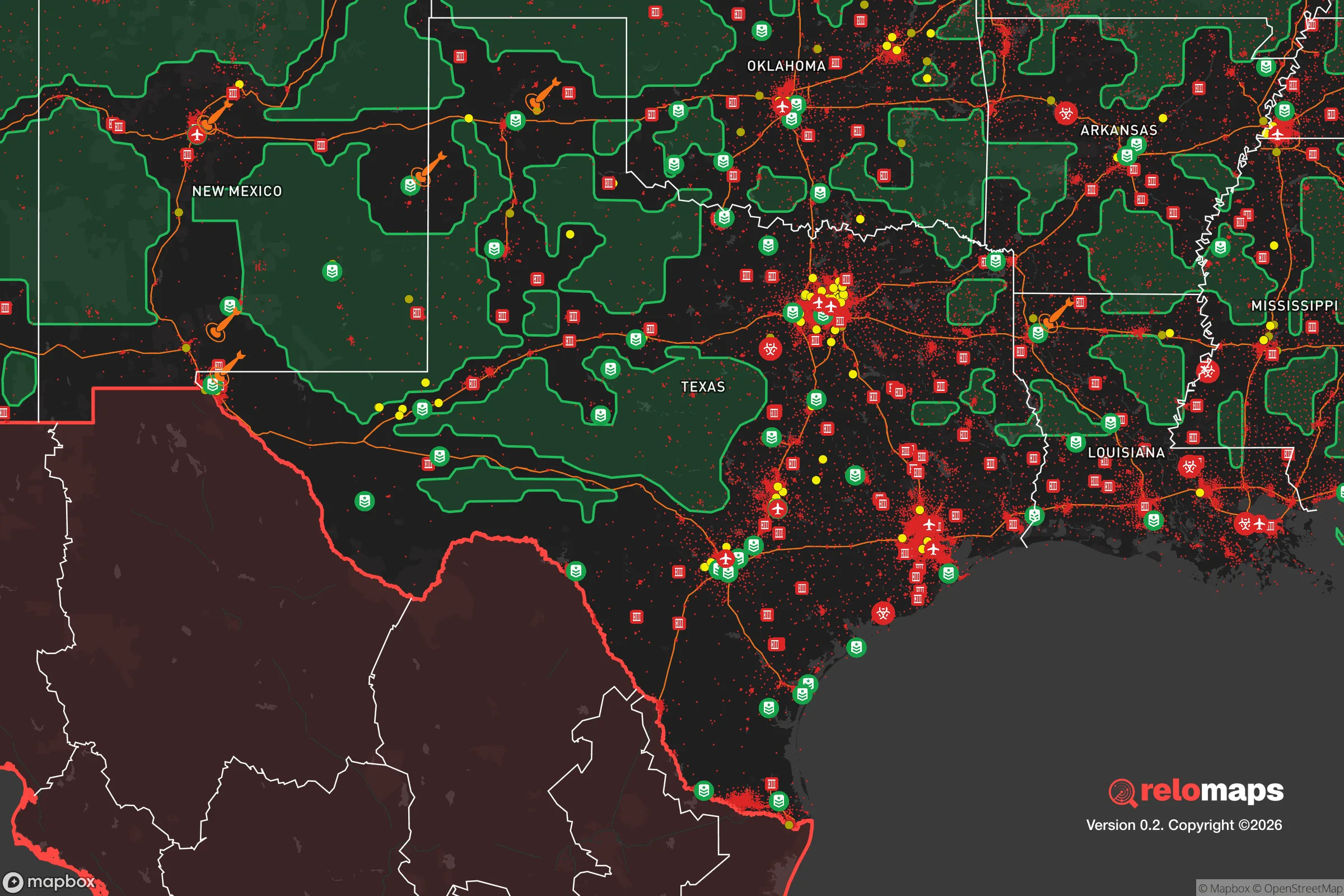


Important Note: For informational purposes only. This does not mean nothing bad ever happens in the green zones. Please use common sense. This is based on public data and modeled with AI. We tried to take a conservative approach but mistakes happen. We update this regularly as new information becomes available.
Solar Generator Recommendations
Backup power matters more here than in safer locations. We've picked three solar generators across budgets and capacity tiers — start with the budget unit if you only need a few essentials, or step up if you want to run a fridge and HVAC for days at a time.

Jackery Portable Power Station Explorer 300
Budget OptionPower on the Go: Weighing only 11 lbs, it's convenient to set up and store with book-sized foldable solar panels

BLUETTI Portable Power Station AC180
Designed for both indoor and outdoor scenarios, AC180 is highly capable as it has a robost capacity and continuous output power.

EF ECOFLOW DELTA Pro Ultra Power Station
Upgraded PickEcoFlow DELTA Pro Ultra is a whole-home energy system designed to grow with your family. Integrated with the Smart Home Panel 2, it scales to meet your evolving energy needs — keeping your home powered, intelligent, and secure through every stage of life.
We earn a commission, at no additional cost to you.
Strategic Assessment Analysis
Haslet, Texas, offers a compelling mix of proximity to the Dallas-Fort Worth metroplex and a semi-rural buffer that appeals to those thinking seriously about disaster readiness and self-sufficiency. Located in the far northern corner of Tarrant County, the town sits roughly 15 miles northwest of downtown Fort Worth and 30 miles from Dallas, placing it within the blast radius of a major metropolitan event while still providing enough distance to allow for a tactical retreat. For the conservative-leaning relocator, Haslet represents a strategic compromise: close enough to urban infrastructure and employment, yet far enough to maintain a degree of autonomy and defensibility in a crisis.
Geographic position and natural advantages for long-term stability
Haslet's geographic position is defined by its location on the Blackland Prairie, a region of relatively flat, fertile land that transitions into the Cross Timbers ecoregion to the west. This terrain offers moderate natural advantages: the soil is suitable for small-scale agriculture, and the area's elevation—roughly 680 feet above sea level—keeps it above the floodplains of the Trinity River, which runs about 10 miles to the east. The town is not situated on any major fault lines, and the risk of earthquakes is negligible. The local climate is humid subtropical, with hot summers and mild winters, which supports year-round growing seasons for hardy crops like corn, beans, and squash. However, the region is prone to severe thunderstorms, hail, and occasional tornadoes—Tarrant County sits in the heart of Tornado Alley, and Haslet has experienced direct hits in the past, including an EF-2 tornado in 2015 that damaged homes and infrastructure. For the self-sufficient relocator, the land itself is a net positive, but the weather patterns demand robust shelter and storm preparedness.
Risks, exposures, and proximity to fallout-relevant landmarks
The most significant risk for Haslet residents is its proximity to the Dallas-Fort Worth metroplex, a population center of over 7.5 million people that includes multiple high-value targets in a major conflict scenario. DFW International Airport, located roughly 20 miles southeast, is a primary civilian and military logistics hub, and the nearby Naval Air Station Joint Reserve Base Fort Worth (about 15 miles south) houses F-16s and other assets. In a nuclear exchange, these sites would be primary targets, and Haslet lies within the moderate fallout zone for a ground burst at either location. Prevailing winds in North Texas blow from the south and southwest, meaning fallout from a strike on Fort Worth or DFW would likely drift northeast, away from Haslet—a slight but meaningful advantage. The town is also within 50 miles of the Pantex nuclear weapons assembly plant near Amarillo, though that facility is far enough north to pose minimal direct fallout risk. On the natural disaster front, the area faces moderate wildfire risk, particularly during drought years, and the flat terrain offers little natural cover from storm surges or tornadoes. For the relocator, the primary man-made risk is the sheer density of the surrounding population: in a grid-down scenario, Haslet's 2,500 residents could face pressure from evacuees fleeing the metroplex along Interstate 35W and US 287, both of which run through or near the town.
Practical resilience for a relocator: food, water, energy, and defensibility
Haslet's practical resilience is a mixed bag. The town is served by the Trinity River Authority and the City of Fort Worth's water system, meaning municipal water is piped in from the Cedar Creek Reservoir, about 60 miles southeast. In a prolonged outage, this supply is vulnerable to infrastructure failure and contamination. However, the water table in Tarrant County is relatively high—around 30 to 50 feet in most areas—making private wells a viable option for those who drill before a crisis. The soil quality is adequate for small-scale farming, though the heavy clay content requires amendment for optimal yields. Local zoning is generally permissive, and many properties in the surrounding unincorporated areas allow for livestock, including chickens, goats, and cattle. For energy, Haslet is served by Oncor Electric Delivery, and the grid is part of the Texas Interconnection, which has a history of instability during extreme weather events, as seen in the 2021 winter storm. Solar panels with battery storage are a practical investment here, given the region's average of 230 sunny days per year. Natural gas is widely available, and propane tanks are common for backup heating and cooking. Defensibility is moderate: the town's layout is mostly suburban and rural, with a mix of newer subdivisions and older farmsteads. The flat terrain offers limited natural chokepoints, but the low population density and long sightlines on rural roads provide some tactical advantage. The local law enforcement presence is minimal—the Tarrant County Sheriff's Office patrols the area, and response times in a widespread emergency could be hours. For the serious prepper, Haslet's best defensive feature is its obscurity: it is not a major destination or through-route, which reduces the likelihood of being overrun by refugees compared to towns directly on the interstate.
The overall strategic picture for Haslet is one of cautious viability. It offers genuine advantages in terms of land availability, water access, and distance from the most likely ground-zero targets, but it is not a remote or hardened location. The relocator who chooses Haslet should plan for a layered defense: a well-drilled well, solar backup, a storm shelter rated for EF-5 winds, and a community network of like-minded neighbors. The town's proximity to Fort Worth is a double-edged sword—it provides economic opportunity and supply access in normal times, but it becomes a liability in a collapse scenario. For the conservative family seeking a balance between suburban convenience and rural self-sufficiency, Haslet is a reasonable choice, provided they enter with eyes open to the risks of being within the metroplex's gravitational pull. It is not a bug-out location, but it is a defensible home base for those willing to invest in infrastructure and community ties.

* Values derived from national, state, county, city and local statistics and may differ in a specific area. Last updated: 2026-10-29T12:43:11.000Z
Narrative content on this page is AI-generated and may contain mistakes. Verify any details that matter before acting on them.
ReloMaps may earn a commission from affiliate links at no extra cost to you.

