Photo: Wikipedia
Demographics of Haslet, TX
Affluence Level in Haslet, TX
An upper-middle-class area. Household wealth, education levels, and homeownership run ahead of national benchmarks.
People of Haslet, TX
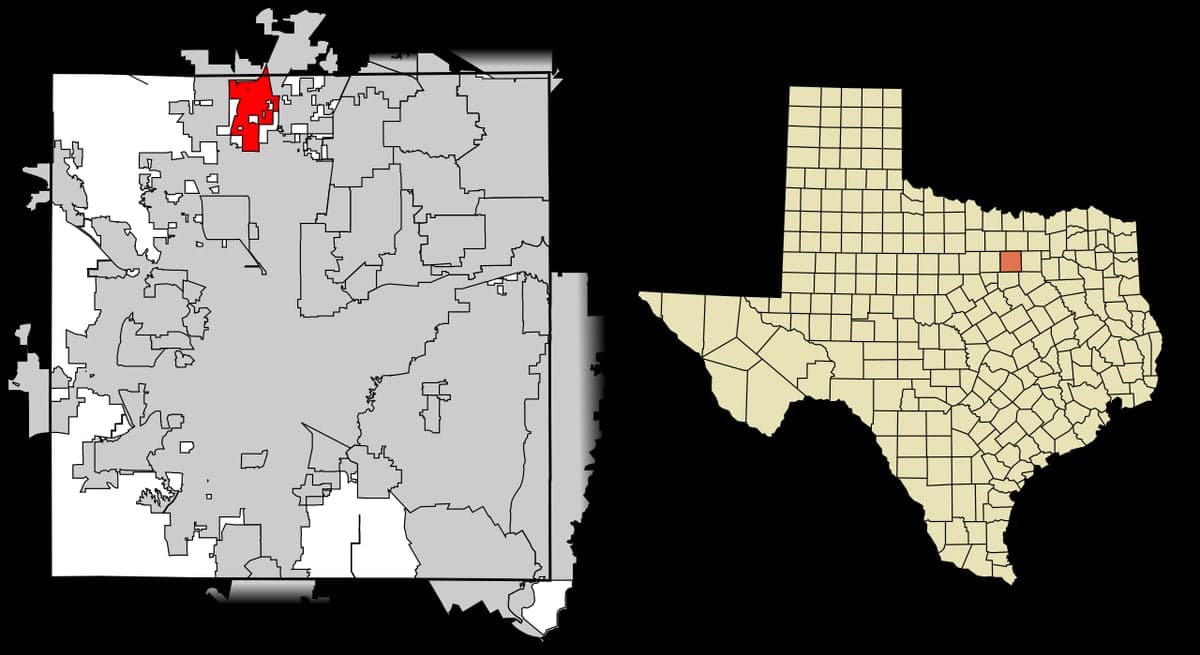
Today, Haslet, Texas is a small but rapidly evolving city of 2,710 residents, characterized by a predominantly White population (71.4%) with a notable and growing Indian-subcontinent community (7.6%) and a Hispanic presence (10.7%). The city sits at the intersection of rural heritage and suburban expansion, with a highly educated workforce—40.7% hold a college degree—and a foreign-born share of 4.7% that reflects targeted in-migration rather than broad diversity. Haslet’s identity is shaped by its roots as a farming and railroad town, now transitioning into a bedroom community for Fort Worth and Alliance Airport, attracting families seeking space and affordability.
How the city was settled and grew
Haslet’s original population arrived in the late 19th century, drawn by the expansion of the Fort Worth and Denver Railway, which established a depot here in the 1880s. The town was platted in 1882 and named after a railroad official, attracting Anglo-American farmers and ranchers from the South and Midwest who took advantage of land grants and cheap prairie soil. These early settlers built homes and businesses along the railroad corridor, forming the historic Old Town Haslet district, centered around what is now Main Street and Avondale Avenue. A second wave of domestic migrants arrived during the Dust Bowl and Great Depression, with families from Oklahoma and Arkansas settling in the Haslet Heights area, a modest neighborhood of small lots and farmhouses that still retains its working-class character. The population remained small and overwhelmingly White through the mid-20th century, with the 1960 census recording fewer than 300 residents.
Modern era (post-1965)
The post-1965 period brought gradual change, driven by the expansion of Dallas/Fort Worth International Airport (opened 1974) and the development of the AllianceTexas megadevelopment in nearby Fort Worth. Haslet began absorbing domestic in-migrants from other parts of Texas and the Sun Belt, many of whom were White professionals and skilled tradespeople seeking newer, larger homes on larger lots. The Pecan Creek subdivision, developed in the 1990s and 2000s, became a primary destination for these families, offering four-bedroom homes on half-acre lots. More recently, the Indian-subcontinent community has grown significantly, rising to 7.6% of the population, with families concentrated in the Willow Creek and Summer Creek neighborhoods—newer subdivisions built after 2010 that attract tech and logistics professionals working at Alliance Airport or in the DFW tech corridor. The Hispanic share (10.7%) includes both long-standing Tejano families in Old Town and newer arrivals in the Oak Creek area, while the Black population (5.8%) is dispersed across newer developments. The East/Southeast Asian share remains minimal at 0.6%, reflecting limited pull for those groups compared to other DFW suburbs.
The future
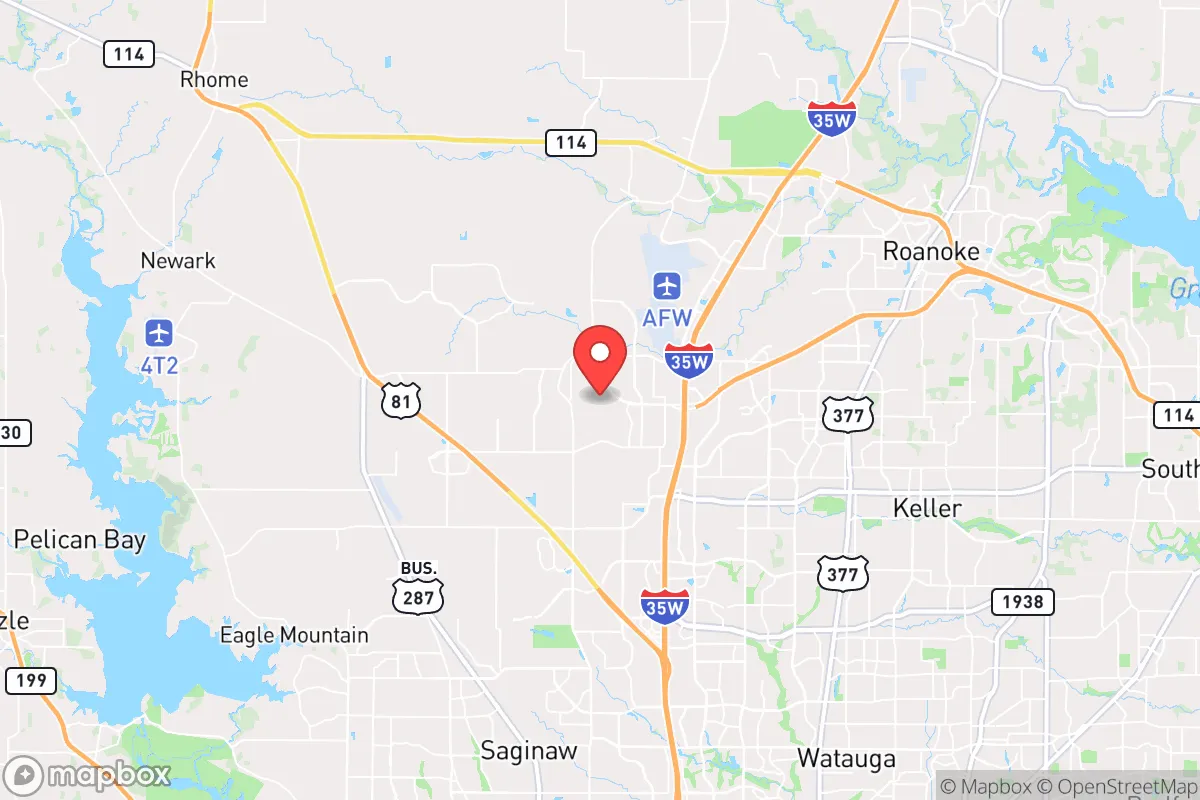
Haslet’s population is projected to grow significantly, with the city’s location along the I-35W corridor and proximity to Alliance Airport driving continued residential development. The population is becoming more diverse, but primarily through the growth of the Indian-subcontinent community, which is likely to increase as tech and logistics employment expands. New master-planned communities, such as the proposed Haslet North development near U.S. 287, are expected to attract a mix of White professionals and Indian families, while Hispanic and Black shares may grow more slowly. The White share, while still dominant, will likely decline as a percentage as these groups expand. The city’s cultural identity is evolving from a quiet farming town into a family-oriented, car-dependent suburb with a strong emphasis on schools and low crime, though it remains less diverse than larger DFW suburbs like Irving or Carrollton. Over the next 10-20 years, Haslet will likely become more educated and more affluent, with a growing Indian professional class and a stable but shrinking White majority.
For someone moving in now, Haslet offers a transitional environment—still rural in feel but increasingly suburban, with a population that is becoming more diverse primarily through Indian-subcontinent in-migration. The city is not a melting pot but a series of distinct neighborhoods where different groups have settled in waves, and new arrivals will find a community that values space, safety, and schools over urban amenities. The future points toward continued growth and gradual diversification, with the Indian community becoming a more visible and integrated part of the city’s fabric.

* Values derived from national, state, county, city and local statistics and may differ in a specific area. Last updated: 2026-10-29T12:43:11.000Z
Narrative content on this page is AI-generated and may contain mistakes. Verify any details that matter before acting on them.
ReloMaps may earn a commission from affiliate links at no extra cost to you.

