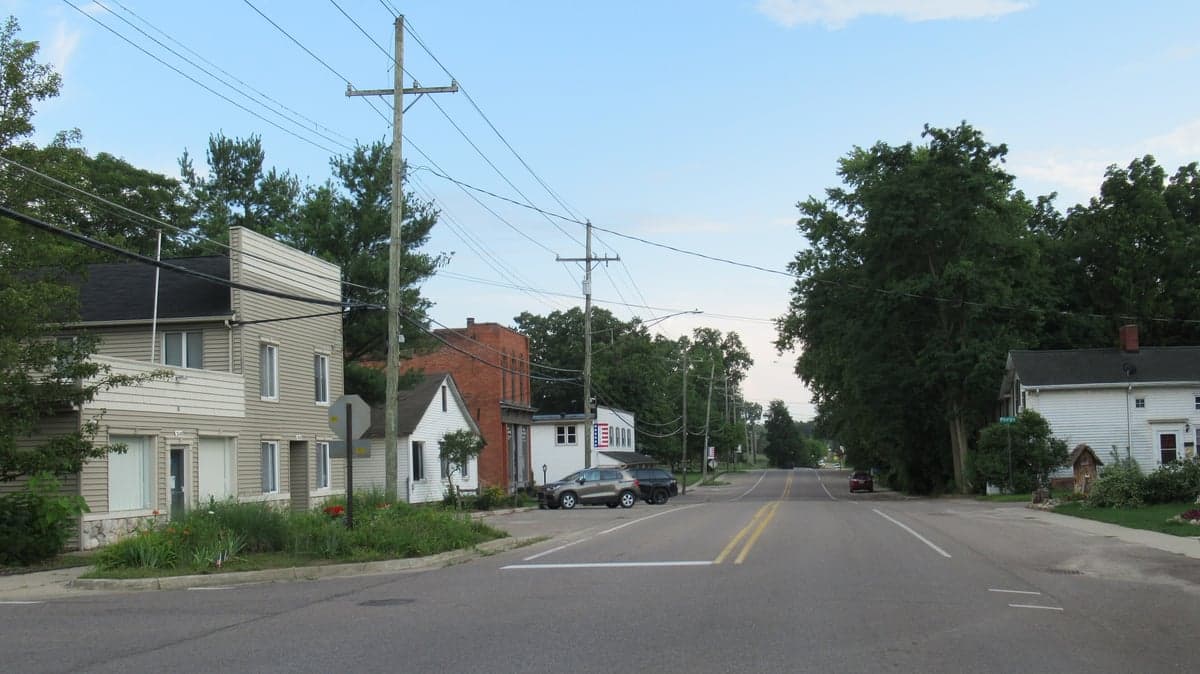
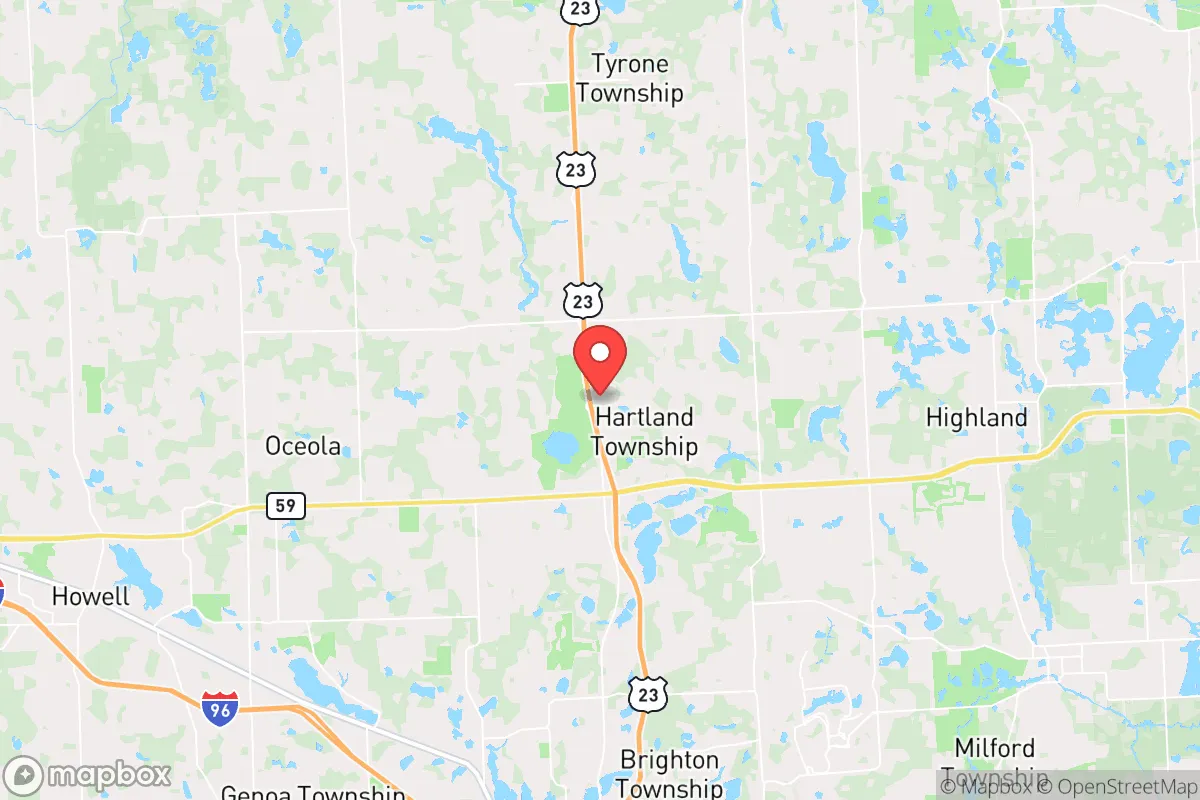
Photo: Wikipedia
Quality of Life in Hartland, MI
A high quality of life with strong walkability, manageable living costs, healthy neighborhood signals, and solid amenity access.
What does Quality of Life tell us?
Quality of Life blends cost of living, nearby amenities, socioeconomic signals, and neighborhood character. City-level scores represent the whole municipality; individual neighborhoods can differ.
What does this tell us?
Quality of Life blends cost of living, nearby amenities, socioeconomic signals, and neighborhood character. City-level scores represent the whole municipality; individual neighborhoods can differ.
Cost of Living
8% above national average
The Real Cost of Living in Hartland, MI for 2026
| Tier | Individual | Family (4) |
|---|---|---|
| Survival | $20k | $37k |
| Comfortable | $60k | $89k |
| Luxury | $159k+ | $246k+ |
| Elite (Top 5%) | $187k+ | $289k+ |
123%
* median rent and top-5% income substituted from county-level data — local Census figures unavailable for small populations
The Area Signal
A metric tracking the socioeconomic signals of the area.
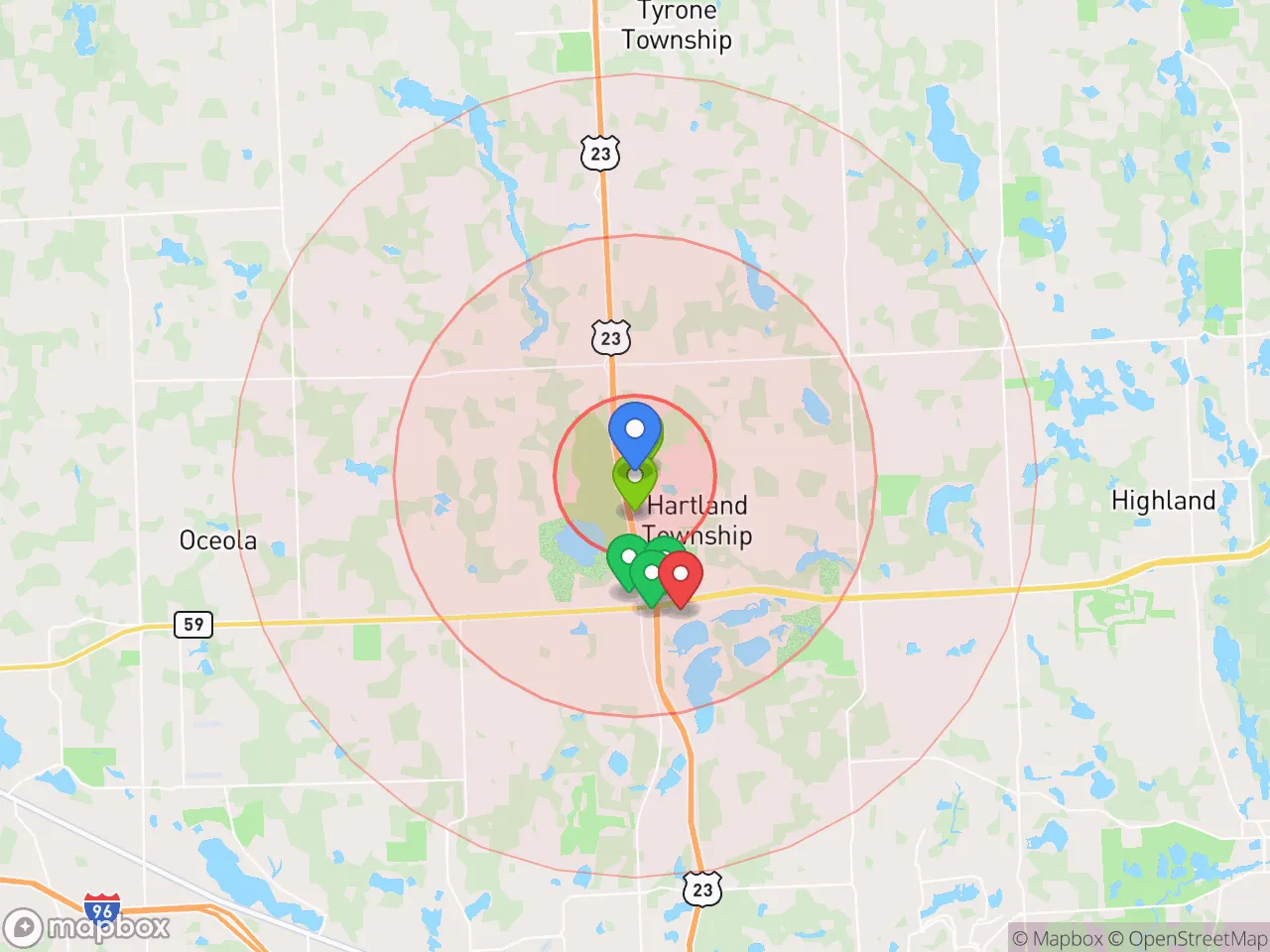
Hobbies
Explore the areaGroceries
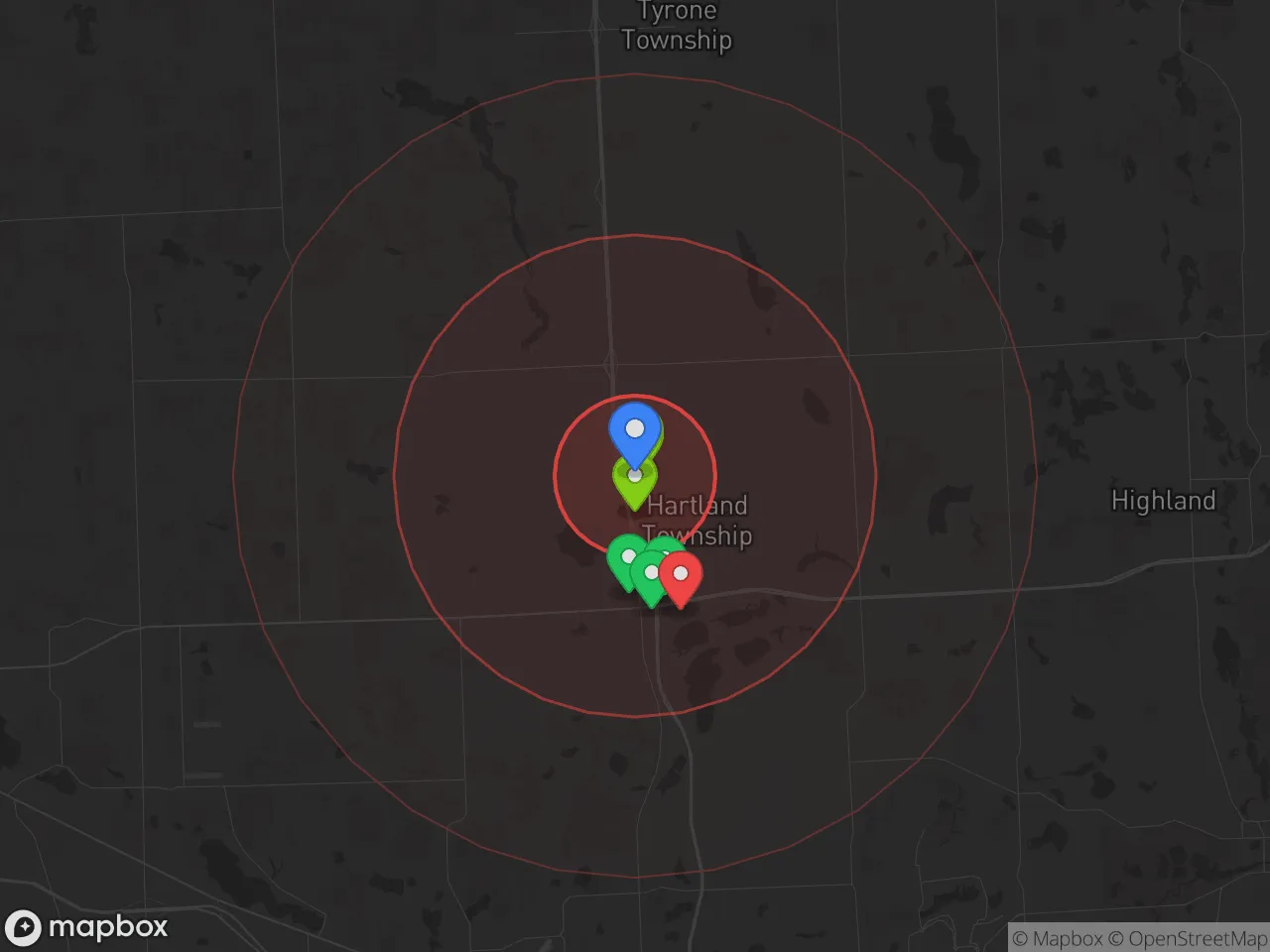
0 within 10 miles
Gas
0 within 10 miles
Hospital
0 within 20 miles
Airport
DTW — Detroit Metropolitan Wayne County
Post Office
Critical Amenities
Quality-of-Life Analysis
Hartland, Michigan, is an affluent suburban community in Livingston County where the cost of living index sits at 108 (eight percent above the national average), reflecting its desirability among professionals and families seeking a balance of rural charm and metropolitan access. The area attracts a predominantly white-collar population, with many residents working in management, healthcare, and professional services in nearby Ann Arbor, Brighton, and Detroit. Median household incomes consistently exceed state and national averages, supporting a lifestyle centered on top-rated schools, recreational amenities, and low crime rates.
Cost of living, housing, and affordability compared to nearby areas
Hartland’s cost of living is notably higher than the U.S. average but remains competitive when stacked against neighboring communities like Brighton (index 112) and Ann Arbor (index 120). The median home value of $310,800 is roughly 15% above the Michigan median, reflecting strong demand for single-family homes on larger lots. Median rent of $1,236 is moderate for the region, though rental inventory is limited compared to owner-occupied housing. The average commute of 31 minutes is slightly longer than the national average, a trade-off many residents accept for access to Hartland’s lower property taxes relative to Washtenaw County and the ability to live in a community with a small-town feel while working in higher-paying urban job markets. Property taxes in Livingston County average about 1.5% of assessed value, which is lower than in adjacent Oakland County, making Hartland a cost-effective choice for buyers seeking newer construction and larger acreage without the premium of Ann Arbor or Birmingham.
Schools, amenities, and what daily life is like for families
Daily life in Hartland revolves around the highly regarded Hartland Consolidated Schools district, which consistently ranks among Michigan’s top 10% for academic performance and offers strong extracurricular programs in athletics, music, and STEM. The community’s anchor is the Hartland Music Festival and the annual Hartland Art Fair, both drawing residents to the historic downtown corridor along M-59. For outdoor recreation, the nearby Kensington Metropark (10 minutes east) provides 4,500 acres of hiking, biking, and water activities on Kent Lake, while the Island Lake Recreation Area offers camping and fishing. The area lacks a dense nightlife scene, but residents have easy access to dining and shopping in Brighton (8 minutes south) and Howell (12 minutes northwest). Grocery and daily errands are served by a mix of national chains and local businesses, though the town’s commercial footprint is modest compared to larger suburbs. The rhythm of life is quiet and family-oriented, with weekend youth sports leagues, church communities, and neighborhood gatherings forming the social fabric.
Hartland is best suited for families and professionals who prioritize school quality, safety, and space over urban convenience or walkability. The community’s strong sense of identity, low crime rates, and access to natural amenities make it a compelling choice for those willing to accept a longer commute in exchange for a slower-paced, family-centered lifestyle. Singles and young professionals may find the social scene limited, but for households with children or those seeking a retreat from denser suburbs, Hartland offers a stable, well-resourced environment that consistently ranks among Michigan’s most desirable places to live.

Crime in Hartland, MI
Crime rates similar to the national median for U.S. locations.
Violent CrimeViolent Crime Analysis
Property CrimeProperty Crime Analysis
Crime Analysis
Hartland, Michigan, presents a mixed safety profile that requires careful scrutiny. While often perceived as a quiet suburban community in Livingston County, its violent crime rate of 417.5 incidents per 100,000 residents is notably higher than the national average, and its property crime rate of 1,259 per 100,000 also exceeds typical benchmarks for a town of its size. These figures suggest that the reality of safety in Hartland is more complex than its rural character might imply.
Crime in context
To understand Hartland's safety, it is essential to compare its crime rates to broader Michigan and national averages. The violent crime rate of 417.5 per 100,000 is significantly above the U.S. average of roughly 380 per 100,000 and well above the Michigan state average of approximately 450 per 100,000. Property crime in Hartland, at 1,259 per 100,000, also exceeds the national average of about 1,950 per 100,000 but is lower than the Michigan state average of roughly 1,400 per 100,000. However, these statistics must be interpreted with caution. Hartland is part of the larger Detroit-Warren-Ann Arbor metropolitan area, which has experienced the effects of progressive prosecutorial policies in recent years. In many metro-area jurisdictions, district attorneys and judges who prioritize leniency and rehabilitation over incarceration have been linked to higher recidivism and more criminals on the street. This ideological approach, while sympathetic to offenders, can undermine public safety and justice for victims. Hartland's elevated violent crime rate, relative to its small-town setting, may reflect spillover from these broader regional trends.
What residents experience
For those living in Hartland, the day-to-day experience of crime is shaped by the types of offenses that occur. Property crime—including theft, burglary, and vehicle break-ins—is the most common concern, with a rate that translates to roughly 12.6 incidents per 1,000 residents annually. This means a household in Hartland faces a higher-than-average risk of experiencing a property crime compared to many other Michigan suburbs. Violent crime, while less frequent, is still a tangible worry. The rate of 417.5 per 100,000 equates to about 4.2 violent crimes per 1,000 people per year, including aggravated assault, robbery, and, in rare cases, more serious offenses. Residents often report that crime feels concentrated around commercial corridors and areas with higher traffic, rather than in the residential subdivisions that dominate the township.
Neighborhood-level variation in Hartland is not extensively documented, but anecdotal evidence and real estate data suggest that areas closer to the village center and along M-59 see more property crime incidents, while outlying rural subdivisions and lakefront communities experience lower rates. The presence of the Hartland Consolidated Schools district is a draw for families, but the crime data underscores the importance of checking specific street-level reports and talking to local law enforcement before choosing a neighborhood. The progressive judicial environment in the broader metro area means that even in a relatively conservative township like Hartland, residents may not be fully insulated from the consequences of lenient sentencing policies that prioritize offender rehabilitation over public safety and victim justice.
* Values derived from national, state, county, city and local statistics and may differ in a specific area. Last updated: 2026-10-20T18:52:06.000Z
Narrative content on this page is AI-generated and may contain mistakes. Verify any details that matter before acting on them.
ReloMaps may earn a commission from affiliate links at no extra cost to you.

