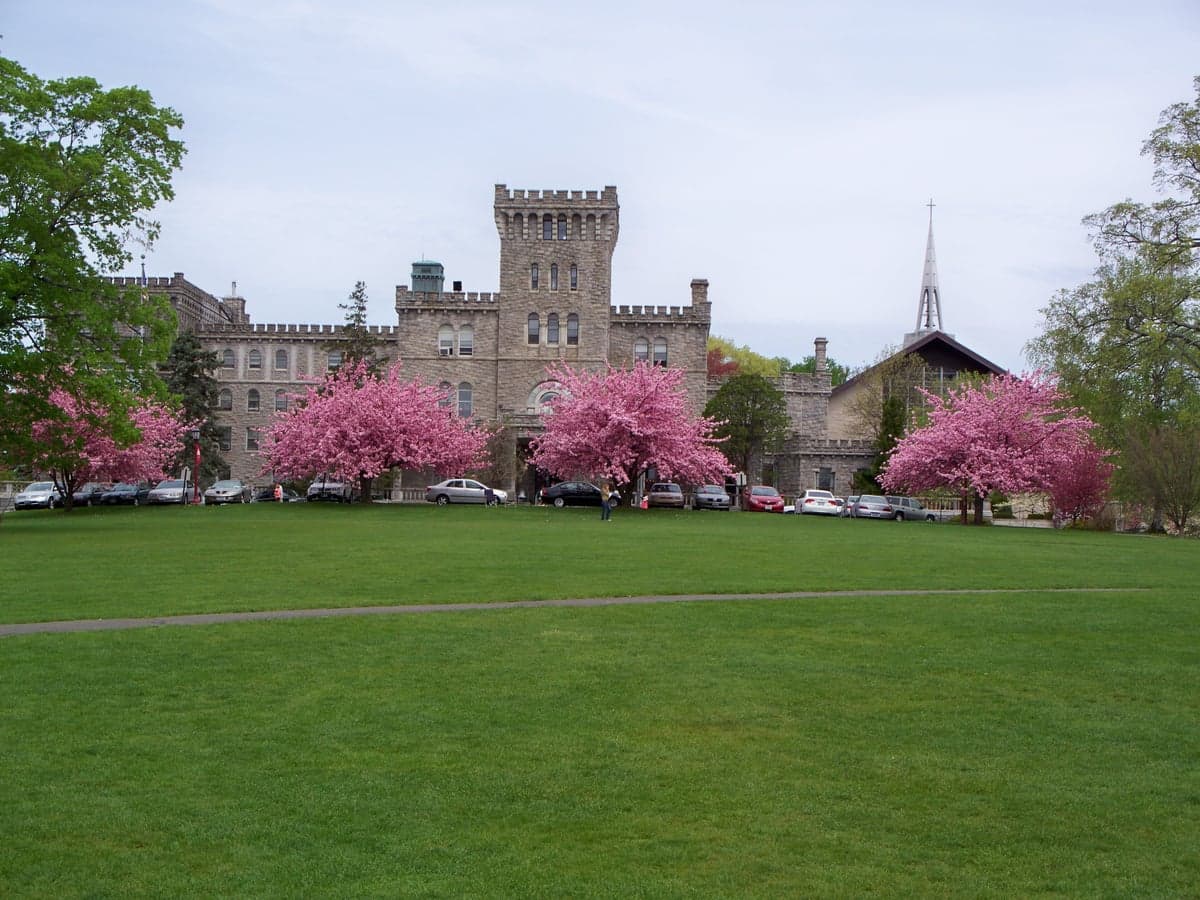
Photo: Wikipedia
Political ClimatePolitical Climate in Harrison, NY
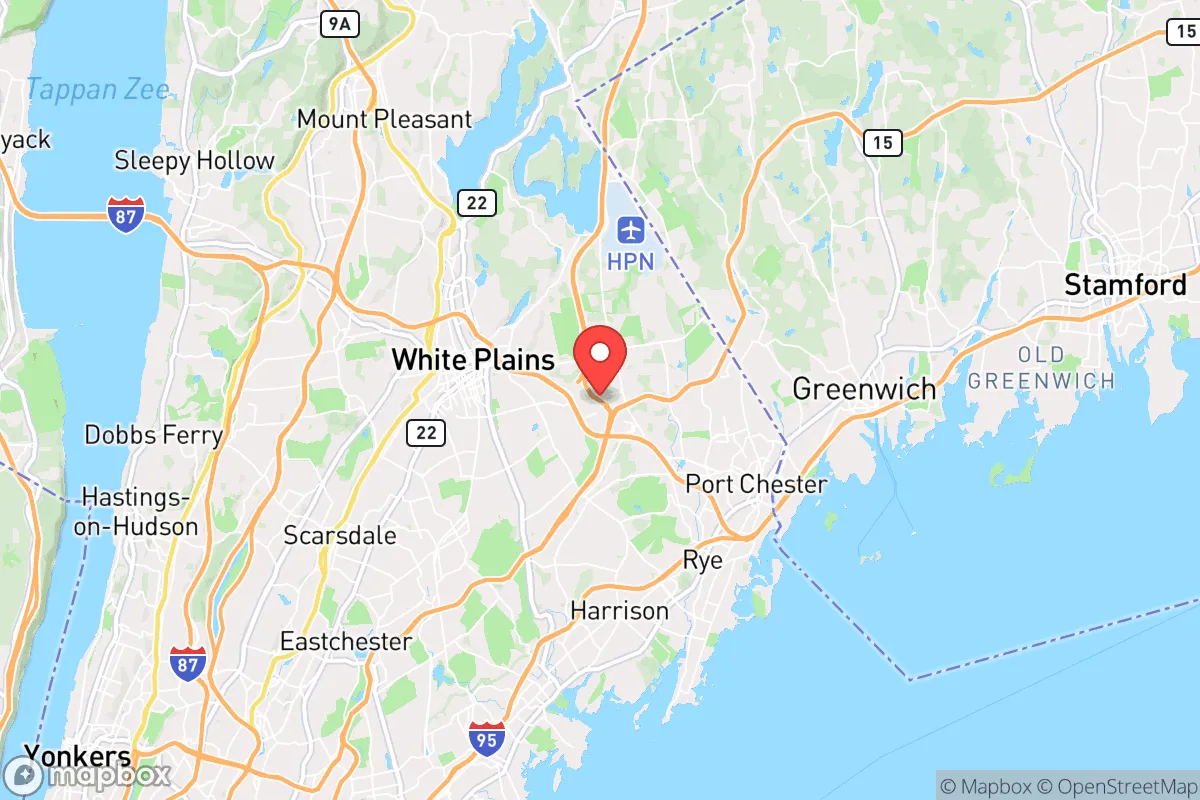
District shown is the primary district for this city’s centroid. Cities may span multiple districts.
Local Political AnalysisPolitical Analysis of Harrison, NY
Harrison, New York, is a town that has shifted noticeably to the left over the last decade, and if you’ve lived here as long as I have, you’ve felt the change. The Cook PVI rating of D+18 tells you the official story—this is a deep blue enclave—but the real story is how quickly the local culture has moved from a quiet, fiscally conservative suburb to a place where progressive policies are the new normal. It wasn’t always this way, and the trajectory is something to keep an eye on if you value personal freedoms and local control.
How it compares
Drive ten minutes north to Purchase or Rye Brook, and you’ll find a slightly more moderate vibe—still blue, but with a stronger undercurrent of fiscal caution and a “live and let live” attitude. Head west to Greenburgh or White Plains, and you’re in reliably progressive territory, but Harrison has become the most aggressively left-leaning of the Sound Shore towns. The contrast is sharpest with Scarsdale to the south, which is also D+18 but has a more established tradition of liberal activism; Harrison’s shift feels newer and more jarring to longtime residents. In the 2024 election, Westchester County as a whole went +27 for the Democratic candidate, but Harrison’s local races have seen a surge in candidates pushing zoning changes, diversity mandates, and climate action plans that go beyond state requirements. It’s not just voting patterns—it’s the everyday decisions that feel like they’re coming from Albany, not from the neighbors you know.
What this means for residents
For someone who moved here for the good schools, safe streets, and low property taxes relative to the rest of the county, the political shift is starting to hit the wallet and the calendar. The town board has pushed through higher density housing mandates under the guise of affordability, which means more traffic on Westchester Avenue and a strain on the already crowded school system. There’s also been a quiet but steady push for “equity” training in the schools—something that would have been unthinkable a decade ago when the curriculum was focused on academics, not ideology. If you’re a small business owner, the new paid leave ordinances and energy efficiency mandates add paperwork and costs that don’t seem to consider the reality of running a shop in a town where margins are thin. The biggest red flag? The town’s growing willingness to use zoning and land-use laws to enforce social goals, which feels less like community planning and more like government overreach into how you use your own property.
On the cultural side, Harrison still has its charms—the Harrison Public Library is a gem, and the town’s Italian-American heritage is celebrated with genuine warmth at the annual Feast of the Assumption. But the old guard of independent-minded residents who kept the town grounded is aging out, replaced by younger families who see government as a tool for social engineering rather than a limited servant. If the trend continues, expect more regulations on everything from short-term rentals to lawn watering, all justified by climate or equity concerns. For now, the best advice is to get involved in the local Republican or independent clubs—they’re small but scrappy—and keep an eye on the school board elections. That’s where the real battle for Harrison’s soul is being fought, and it’s not over yet.

State Political ClimatePolitical Climate in New York
State Political AnalysisPolitical Environment in the State
New York State has long been a one-party Democratic stronghold, but the reality on the ground is far more fractured than the statewide numbers suggest. Since 2010, the state has shifted from a purple-ish blue to a deep blue, driven almost entirely by New York City and its immediate suburbs. In 2024, Kamala Harris carried the state by roughly 12 points, but that margin is almost entirely a product of the five boroughs; outside of the NYC metro, the state is deeply red. For a conservative-leaning individual or family, the political climate is a tale of two states: the urban, progressive, high-tax coastal corridor versus the rural, libertarian-leaning, and increasingly frustrated upstate regions.
Urban vs. rural divide
The political map of New York is a textbook case of geographic polarization. New York City (Manhattan, Brooklyn, Queens, the Bronx, and Staten Island) accounts for roughly 40% of the state’s population and delivers a Democratic margin of over 60 points in most statewide races. Buffalo and Rochester in western New York are also reliably blue, though with smaller margins. Meanwhile, the vast majority of the state’s landmass—from the Adirondacks to the Southern Tier and the Finger Lakes—votes Republican by double digits. Staten Island is the only NYC borough that leans red, often voting Republican in local races. The real battlegrounds are the suburban counties surrounding NYC: Nassau and Suffolk on Long Island, and Westchester and Rockland north of the city. These areas have been trending blue over the past decade, but they still host competitive races and a significant number of moderate-to-conservative voters. In 2024, for example, Suffolk County voted for Harris by only 2 points, while Nassau went for Harris by 6—a far cry from the city’s margins.
Policy environment
New York’s policy environment is aggressively progressive, and it shows in the tax code, regulatory posture, and social legislation. The state has the highest combined state and local tax burden in the nation, with a top marginal income tax rate of 10.9% and property taxes that can exceed 2-3% of home value in many upstate counties. The SCRIE (Senior Citizen Rent Increase Exemption) and rent stabilization laws in NYC create a landlord-tenant dynamic that heavily favors tenants, making it difficult for small property owners to operate profitably. On education, the state has adopted Common Core standards and mandates culturally responsive-sustaining education frameworks, which many conservative parents view as ideological overreach. Healthcare is dominated by the New York State of Health exchange and a strong push toward single-payer (the New York Health Act has been introduced repeatedly but hasn’t passed). Election laws are among the most liberal: no-excuse absentee voting, early voting, and automatic voter registration are all in place. The state also passed the John R. Lewis Voting Rights Act of New York in 2022, which expands preclearance requirements for local voting changes—a move critics say gives the state attorney general too much power over local election administration.
Trajectory & freedom
Over the past five years, New York has become less free by almost any measure. On gun rights, the state passed the Concealed Carry Improvement Act (CCIA) in 2022 after the Supreme Court’s Bruen decision, which created a “sensitive places” list so broad it effectively bans carry in most public spaces—including parks, public transit, and even private businesses unless the owner explicitly allows it. The law is currently being challenged in court. On parental rights, the state passed the Gender Expression Non-Discrimination Act (GENDA) in 2019, which prohibits discrimination based on gender identity or expression, and the state education department has issued guidance that effectively mandates schools to affirm a student’s chosen gender identity without parental notification in many cases. On medical autonomy, New York expanded telehealth abortion access and passed a law in 2023 protecting providers who prescribe abortion pills to patients in other states. On property rights, the state’s rent control laws were strengthened in 2019 with the Housing Stability and Tenant Protection Act, which eliminated vacancy decontrol and made it nearly impossible for landlords to raise rents to market rates. On taxation, the state has not rolled back the millionaire’s tax (top rate of 10.9%) and has shown no appetite for broad-based tax relief. The Climate Leadership and Community Protection Act (CLCPA) mandates a 85% reduction in greenhouse gas emissions by 2050, which will likely drive up energy costs and restrict new natural gas infrastructure.
Civil unrest & political movements
New York has been a flashpoint for both left-wing and right-wing activism. The 2020 George Floyd protests in NYC, Buffalo, and Rochester were among the largest and most destructive in the nation, with widespread looting and property damage. The state’s response was to pass police reform legislation that included the repeal of 50-a (which had shielded police disciplinary records), a ban on chokeholds, and a requirement for body cameras. On the right, the New York State Rifle & Pistol Association and Second Amendment Foundation have been highly active in litigation, winning the Bruen case at the Supreme Court. The New York Young Republican Club has grown in influence, particularly in NYC, and there have been small but vocal secession movements in upstate counties like Orange and Ulster, where some residents have proposed breaking away to form a new state (the “State of New Amsterdam”). Immigration politics are a major flashpoint: New York City’s sanctuary city status has been tested by the arrival of over 100,000 asylum seekers since 2022, straining shelters and schools. The state has also passed the Green Light Law, which allows undocumented immigrants to obtain driver’s licenses, and has limited cooperation with federal immigration enforcement. Election integrity remains a concern for many conservatives, given the state’s mail-in voting expansion and the lack of voter ID requirements—though no major fraud scandals have emerged.
Projection
Over the next 5-10 years, New York is likely to become more progressive, not less. The demographic trends are clear: the NYC metro area is growing more diverse and younger, while upstate continues to lose population and age. The state’s congressional delegation is likely to become even more Democratic after the 2030 census, as upstate seats are lost to downstate growth. The state legislature is already supermajority Democratic, and there is no realistic path to a Republican takeover. The governor’s race in 2026 may be competitive if the Republican nominee runs a strong campaign, but the structural advantage for Democrats is enormous. On policy, expect further expansion of rent control, single-payer healthcare (if the federal landscape allows), and climate mandates that will drive up energy costs. The CCIA will likely survive legal challenges in some form, and parental rights battles will intensify as the state pushes for more autonomy for minors in medical and educational decisions. The tax burden is unlikely to decrease, and may increase to fund the state’s growing pension and healthcare obligations.
For a conservative-leaning individual or family moving to New York, the practical takeaway is this: choose your location carefully. If you live in NYC or its immediate suburbs, you will be immersed in a progressive policy environment that touches everything from your children’s education to your property rights. If you choose a rural upstate county like Wyoming, Allegany, or St. Lawrence, you can find a more libertarian-leaning community with lower taxes and less government overreach—but you will still be subject to state-level laws on guns, education, and energy that you cannot vote out. The state’s trajectory is clear: it is becoming a laboratory for progressive governance, and the only question is how much friction the upstate resistance can generate. If you value personal freedom, low taxes, and local control, New York is a tough sell—but if you have a specific reason to be here (family, job, or a particular rural lifestyle), it is possible to carve out a life that avoids the worst of the state’s overreach. Just don’t expect the political winds to shift in your favor anytime soon.
* Values derived from national, state, county, city and local statistics and may differ in a specific area. Last updated: 2026-05-01T01:45:41.000Z
Narrative content on this page is AI-generated and may contain mistakes. Verify any details that matter before acting on them.
ReloMaps may earn a commission from affiliate links at no extra cost to you.

