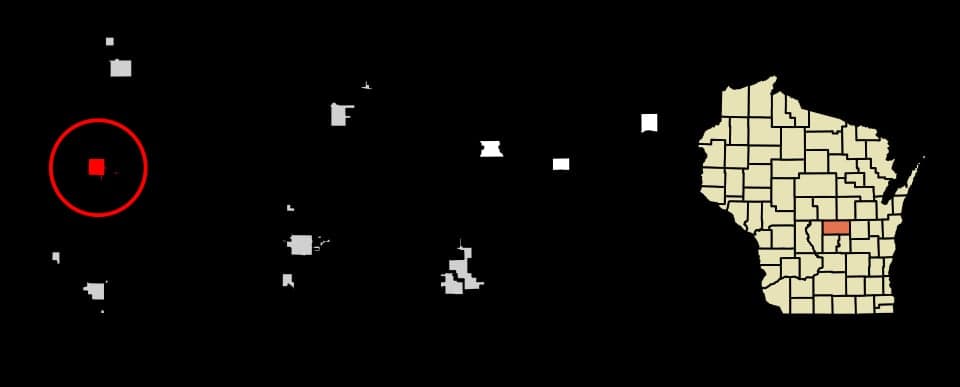
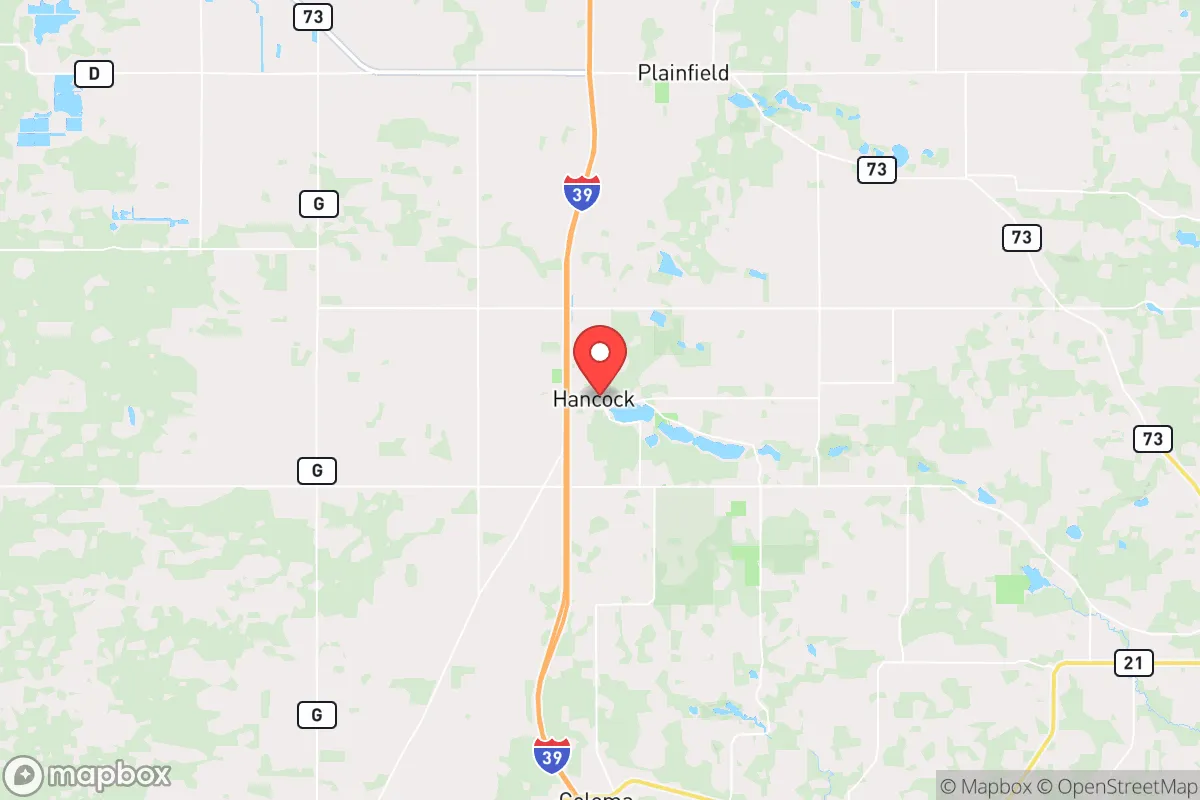
Photo: Wikipedia
Quality of Life in Hancock, WI
A livable area that tracks near national norms for affordability, walkability, and neighborhood health.
What does Quality of Life tell us?
Quality of Life blends cost of living, nearby amenities, socioeconomic signals, and neighborhood character. City-level scores represent the whole municipality; individual neighborhoods can differ.
What does this tell us?
Quality of Life blends cost of living, nearby amenities, socioeconomic signals, and neighborhood character. City-level scores represent the whole municipality; individual neighborhoods can differ.
Cost of Living
44% below national average
The Real Cost of Living in Hancock, WI for 2026
| Tier | Individual | Family (4) |
|---|---|---|
| Survival | $11k | $20k |
| Comfortable | $29k | $42k |
| Luxury | $49k+ | $75k+ |
| Elite (Top 5%) | $57k+ | $89k+ |
115%
The Area Signal
A metric tracking the socioeconomic signals of the area.
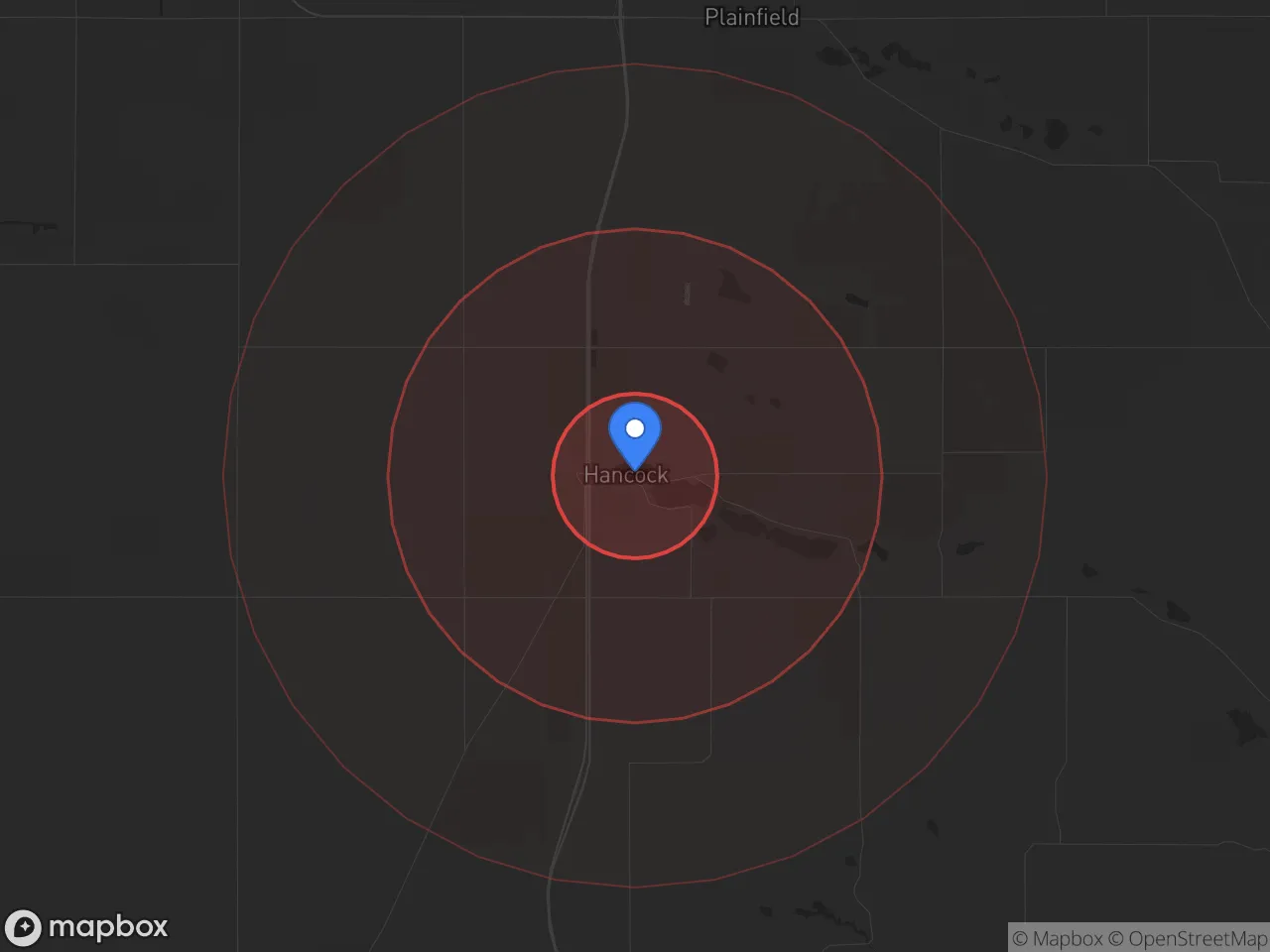
Limited data for this area
Limited data for this area
Hobbies
Explore the areaGroceries
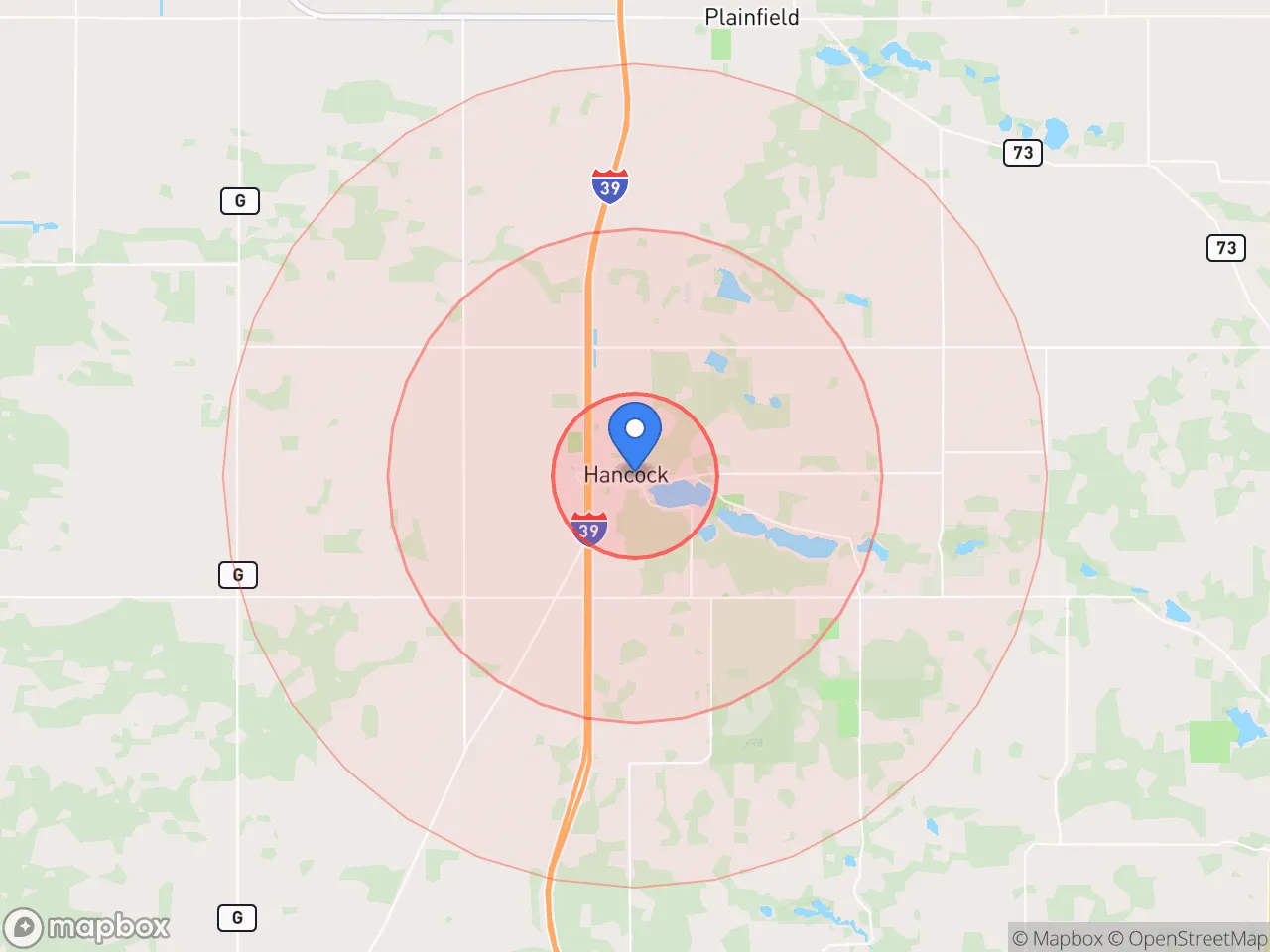
0 within 10 miles
Gas
3 within 10 miles
Hospital
2 within 20 miles
Airport
ORD — O'Hare International
Post Office
USPS — Hancock, WI
Critical Amenities
Quality-of-Life Analysis
Hancock, Wisconsin, is a small, affordable village in Waushara County where the cost of living sits well below state and national averages, attracting a mix of retirees, outdoor enthusiasts, and families seeking a quieter, lower-stress lifestyle. With a cost-of-living index of 56 (compared to the U.S. average of 100), Hancock offers a notably low barrier to entry for homebuyers and renters alike, while its median home value of $147,200 and median rent of $677 place it among the most budget-friendly communities in central Wisconsin. The area’s population skews older and more rural than the state average, with many residents drawn by the proximity to lakes, forests, and the Wisconsin River corridor.
Cost of living, housing affordability, and how Hancock compares to nearby towns
Hancock’s cost-of-living index of 56 is roughly half the national figure, making it one of the most economical places to live in Waushara County. The median home value of $147,200 is significantly lower than the Wisconsin median of roughly $230,000 (2025 estimates) and far below the national median of $420,000. For renters, the median monthly rent of $677 is about 35% less than the state average of $1,050. Compared to nearby communities like Stevens Point (20 miles north) or Wisconsin Rapids (25 miles west), Hancock’s home prices are 20–30% lower, though the trade-off is a smaller inventory of homes and fewer rental options. The average commute of 22.2 minutes is slightly longer than the national average of 26 minutes, but still manageable for workers commuting to larger employment hubs in Portage County or Adams County. Property taxes in Waushara County are moderate, with an effective rate around 1.5% of assessed value, keeping monthly housing costs low for both owners and renters.
Local amenities, schools, and the daily rhythm of life in Hancock
Daily life in Hancock revolves around a small downtown core with a grocery store, a hardware store, a handful of restaurants, and a public library. For more extensive shopping, dining, and healthcare, residents drive 20–25 minutes to Stevens Point or Wisconsin Rapids. The village is served by the Tri-County Area School District, which operates an elementary school in Hancock and a combined middle/high school in Plainfield (about 10 miles east). The district’s student-teacher ratio of 13:1 is favorable, though standardized test scores hover near the state average. Outdoor recreation is a major draw: Hancock sits within 15 minutes of the 6,000-acre Roche-A-Cri State Park (known for its ancient petroglyphs and hiking trails) and within 30 minutes of the Wisconsin River for fishing, kayaking, and boating. The village hosts an annual Hancock Summer Festival in July, featuring a parade, live music, and a car show, which anchors the social calendar. The pace of life is distinctly slow and neighborly, with most errands done locally and larger trips reserved for weekends.
Hancock is best suited for retirees, remote workers, and families who prioritize affordability and a quiet, nature-oriented lifestyle over urban amenities or career density. The low cost of housing and utilities makes it particularly attractive for those on fixed incomes or with flexible work arrangements, while the short commute to larger towns ensures access to jobs and services without sacrificing the peace of rural living. Young professionals seeking nightlife or diverse employment options may find the area too limited, but for anyone valuing space, low stress, and a strong sense of community, Hancock offers a compelling quality of life at a fraction of the cost found elsewhere in Wisconsin.

Crime in Hancock, WI
Generally safer than 61% of comparable U.S. locations.
Violent CrimeViolent Crime Analysis
Property CrimeProperty Crime Analysis
Crime Analysis
Hancock, Wisconsin, presents a mixed safety profile that demands careful consideration from potential residents. The village's violent crime rate of 240.6 per 100,000 residents is notably lower than the national average, while its property crime rate of 1,009.8 per 100,000 sits significantly above the national benchmark. This combination suggests that while the risk of violent confrontation is relatively low, residents face a heightened probability of theft, burglary, and vandalism compared to typical American communities.
Crime in context
Hancock's violent crime rate of 240.6 per 100,000 is roughly 31% lower than the U.S. average of 380 per 100,000, placing it in a safer bracket for serious offenses like assault, robbery, and homicide. However, the property crime rate of 1,009.8 per 100,000 is approximately 30% higher than the national average of 1,954 per 100,000, indicating a pronounced issue with non-violent crime. When compared to the state of Wisconsin, which reports a violent crime rate of about 290 per 100,000 and a property crime rate near 1,500 per 100,000, Hancock fares better on violent crime but remains elevated on property crime. This disparity suggests that local law enforcement and community programs may be effective at preventing violent incidents but face challenges in deterring property offenses.
What residents experience
For those living in Hancock, daily life is shaped more by the risk of property crime than by fear of violence. Residents commonly report concerns about vehicle break-ins, theft from porches, and occasional burglaries of unoccupied homes. The village's small size—with a population under 600—means that many property crimes are committed by individuals known to the victims or by transient offenders passing through the area. Violent incidents are rare but not unheard of; when they occur, they typically involve domestic disputes or alcohol-fueled altercations rather than random attacks. The local police department, while limited in staffing, maintains a visible presence and responds quickly to calls, which helps mitigate some of the anxiety around property crime. However, the broader judicial environment in Waushara County, which leans conservative, has not adopted the progressive prosecutorial policies seen in larger urban centers—a factor that may contribute to the relatively lower violent crime rate by ensuring offenders face consistent consequences.
Neighborhood-level variation in Hancock is minimal due to the village's compact geography. The core residential blocks near the downtown area and the school tend to see slightly lower crime rates, while the outskirts and areas near the railroad tracks experience more frequent property incidents. The lack of significant income disparity or segregated neighborhoods means that crime risk is relatively uniform across the village, though homes with visible security measures—such as lights, cameras, or dogs—report fewer incidents. For those considering a move, the key takeaway is that Hancock offers a low risk of violent crime but demands vigilance against property theft, with the village's conservative legal framework providing a measure of reassurance for public safety.
* Values derived from national, state, county, city and local statistics and may differ in a specific area. Last updated: 2026-11-18T18:32:22.000Z
Narrative content on this page is AI-generated and may contain mistakes. Verify any details that matter before acting on them.
ReloMaps may earn a commission from affiliate links at no extra cost to you.

