Photo: Wikipedia
Quality of Life in Greenbelt, MD
A high quality of life with strong walkability, manageable living costs, healthy neighborhood signals, and solid amenity access.
What does Quality of Life tell us?
Quality of Life blends cost of living, nearby amenities, socioeconomic signals, and neighborhood character. City-level scores represent the whole municipality; individual neighborhoods can differ.
What does this tell us?
Quality of Life blends cost of living, nearby amenities, socioeconomic signals, and neighborhood character. City-level scores represent the whole municipality; individual neighborhoods can differ.
Cost of Living
30% above national average
The Real Cost of Living in Greenbelt, MD for 2026
| Tier | Individual | Family (4) |
|---|---|---|
| Survival | $29k | $54k |
| Comfortable | $50k | $74k |
| Luxury | $146k+ | $226k+ |
| Elite (Top 5%) | $172k+ | $266k+ |
117%
The Area Signal
A metric tracking the socioeconomic signals of the area.
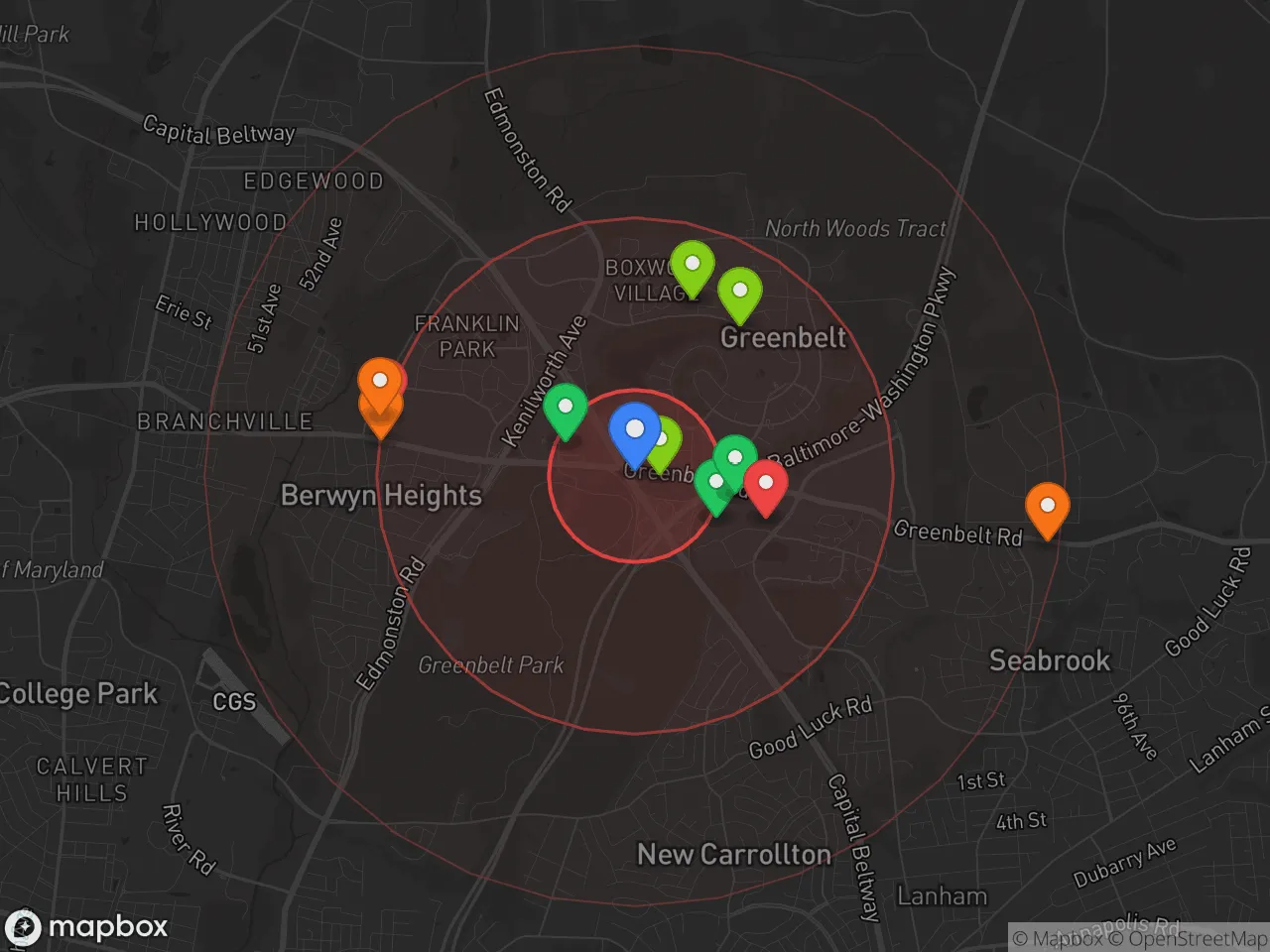
Hobbies
Explore the areaGroceries
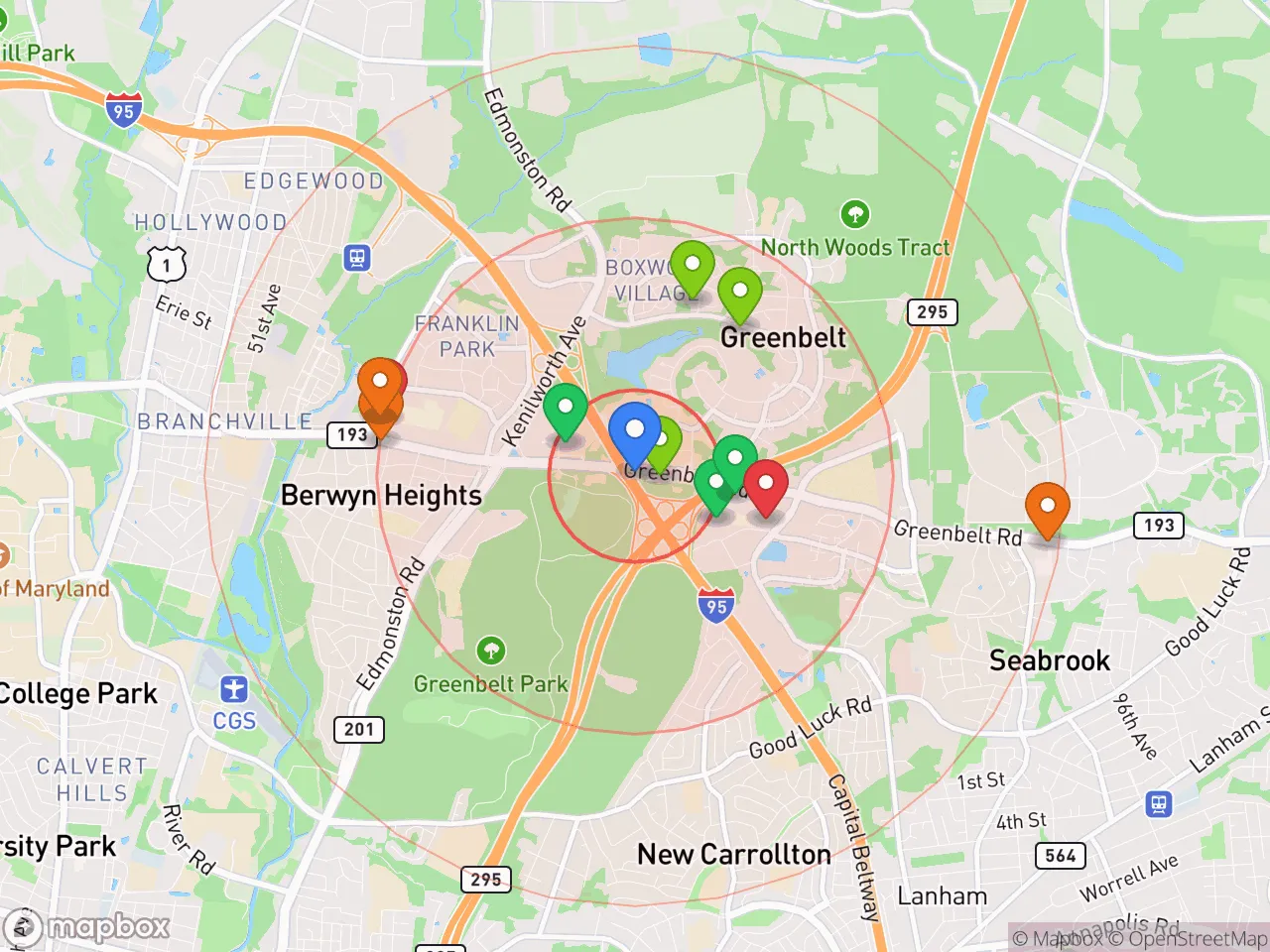
7 within 10 miles
Gas
20 within 10 miles
Hospital
20 within 20 miles
Airport
DCA — Ronald Reagan Washington National
Post Office
USPS — Greenbelt, MD
Critical Amenities
Quality-of-Life Analysis
Greenbelt, Maryland, offers a quality of life defined by its unique blend of historic planned-community charm and practical affordability within the high-cost Washington, D.C., metro area. With a cost of living index of 130 (30% above the national average), the city attracts a diverse mix of federal employees, researchers at nearby NASA Goddard Space Flight Center, and University of Maryland faculty who value walkable neighborhoods and green space over the higher price tags of closer-in suburbs. The population skews educated and middle-class, with a strong civic engagement rooted in the city’s 1930s New Deal origins as one of the nation’s first planned communities.
Cost of living and housing affordability compared to D.C. and Prince George’s County
Greenbelt’s housing market is a notable outlier in the D.C. region. The median home value of $258,600 is roughly half the D.C. metro median, while the median rent of $1,807 undercuts nearby College Park and Hyattsville by 10–15%. This affordability is driven by a large stock of historic co-ops and garden apartments in the original Greenbelt “Old Town” district, alongside newer townhomes near the Greenbelt Metro station. However, the overall cost of living index of 130 reflects higher-than-average transportation and grocery costs—partly due to the average commute of 33.6 minutes (one-way) for residents who drive or take Metro to jobs in D.C. or Bethesda. Property taxes in Prince George’s County are moderate, but Maryland’s state income tax (up to 5.75%) adds a layer that renters and buyers should factor into budgets. Compared to neighboring Montgomery County, Greenbelt offers roughly 20% more square footage for the same monthly payment.
Parks, schools, and what daily life is like for families and commuters
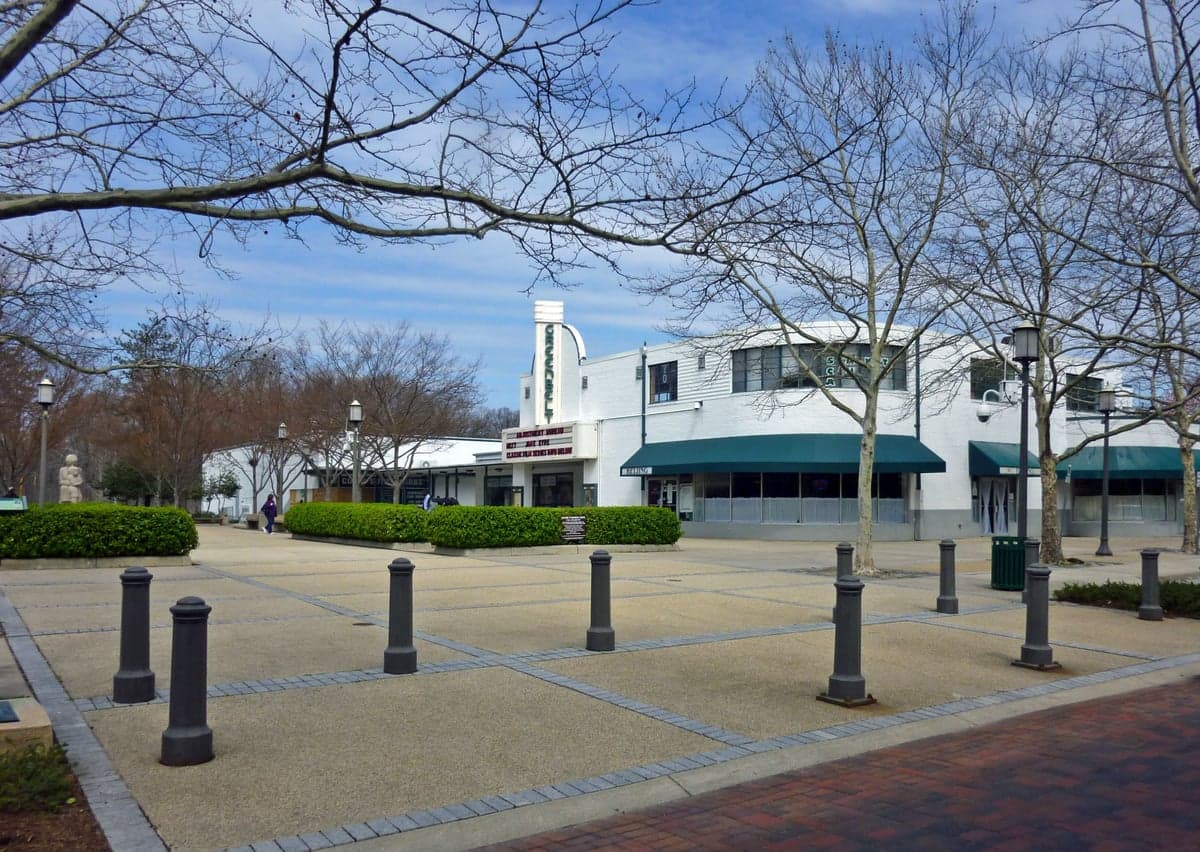
Daily life in Greenbelt revolves around its extensive park system and the historic Roosevelt Center, which houses a co-op grocery store, library, and community theater. The city’s 1,100-acre Greenbelt Park (part of the National Park Service) provides hiking, camping, and a nine-mile trail network that connects to the Anacostia Tributary Trail System. Public schools in Prince George’s County are a mixed bag: Greenbelt Elementary and Greenbelt Middle School both rate 5 out of 10 on GreatSchools, while nearby Eleanor Roosevelt High School (in the same feeder pattern) scores a 7 and offers the International Baccalaureate program. For families, the trade-off is clear—lower housing costs versus school performance that lags behind top-tier Montgomery County districts. Commuters benefit from the Greenbelt Metro station (serving the Green and Yellow lines) and direct MARC train access to D.C.’s Union Station, though the 33.6-minute average commute masks longer door-to-door times for those driving during peak hours on the Beltway (I-95/I-495).
Greenbelt is best suited for budget-conscious professionals, academics, and families who prioritize green space and community character over top-ranked schools or ultra-short commutes. The city’s strong co-op and civic association culture appeals to those who want an engaged neighborhood feel, while the proximity to NASA Goddard and the University of Maryland makes it a practical base for science and tech workers. Renters and first-time buyers who accept the trade-offs in school ratings and commute length will find a quality of life that is both affordable and rich in public amenities—a rare combination inside the Capital Beltway.

Crime in Greenbelt, MD
Significantly higher crime rates than 78% of comparable U.S. locations.
Violent CrimeViolent Crime Analysis
Property CrimeProperty Crime Analysis
Crime Analysis
Greenbelt, Maryland, reports a violent crime rate of 591.8 incidents per 100,000 residents and a property crime rate of 3,559.1 per 100,000, figures that place it above both state and national averages. As a small city within the Washington, D.C. metropolitan area, its safety profile is heavily influenced by the broader regional dynamics of a large metro area, including the policies of liberal and progressive prosecutors who often prioritize offender rehabilitation over strict enforcement. This combination of elevated crime rates and a justice system perceived as lenient creates a heightened risk environment that prospective residents should weigh carefully.
Crime in context
Greenbelt’s violent crime rate is roughly 50% higher than the national average of approximately 380 per 100,000, while its property crime rate exceeds the U.S. norm by about 20%. Compared to Maryland as a whole, which reported a violent crime rate near 500 per 100,000 in recent years, Greenbelt’s figures are notably elevated. The city’s proximity to Prince George’s County—where progressive district attorneys have implemented bail reform and diversion programs—contributes to a climate where repeat offenders face fewer consequences. This policy environment, common in liberal-leaning jurisdictions, directly correlates with higher recidivism and more property crimes like theft and burglary, as criminals face reduced risk of incarceration.
What residents experience
Daily life in Greenbelt involves navigating a tangible risk of both violent and property crime. Residents report frequent incidents of vehicle break-ins, package theft, and occasional armed robberies, particularly near transit hubs like the Greenbelt Metro station. The city’s property crime rate of 3,559.1 per 100,000 means roughly 1 in 28 households experiences a theft or burglary annually. Violent crime, while less common, includes aggravated assaults and robberies that often occur in commercial areas or near public housing complexes. The progressive judicial approach in Prince George’s County—where judges frequently issue probation instead of prison time for non-violent offenders—means that many perpetrators of these crimes remain on the street, undermining deterrence and victim confidence in the justice system.
Neighborhood-level variation
Safety conditions vary significantly across Greenbelt’s neighborhoods. The historic Greenbelt area, with its single-family homes and active community patrols, sees roughly 30% fewer property crimes than the apartment-heavy zones near the Beltway Plaza mall. The Greenbriar and Springhill Lake apartment complexes, which house a large number of low-income residents, report higher concentrations of theft and drug-related incidents. Conversely, the Woodland Hills and Lakecrest neighborhoods benefit from stronger homeowners’ associations and private security, resulting in lower crime rates. Prospective residents should prioritize properties in these lower-crime enclaves and remain vigilant in areas with higher rental density, as the progressive justice system provides limited protection against repeat offenders who target these zones.
* Values derived from national, state, county, city and local statistics and may differ in a specific area. Last updated: 2026-04-22T01:16:10.000Z
Narrative content on this page is AI-generated and may contain mistakes. Verify any details that matter before acting on them.
ReloMaps may earn a commission from affiliate links at no extra cost to you.

