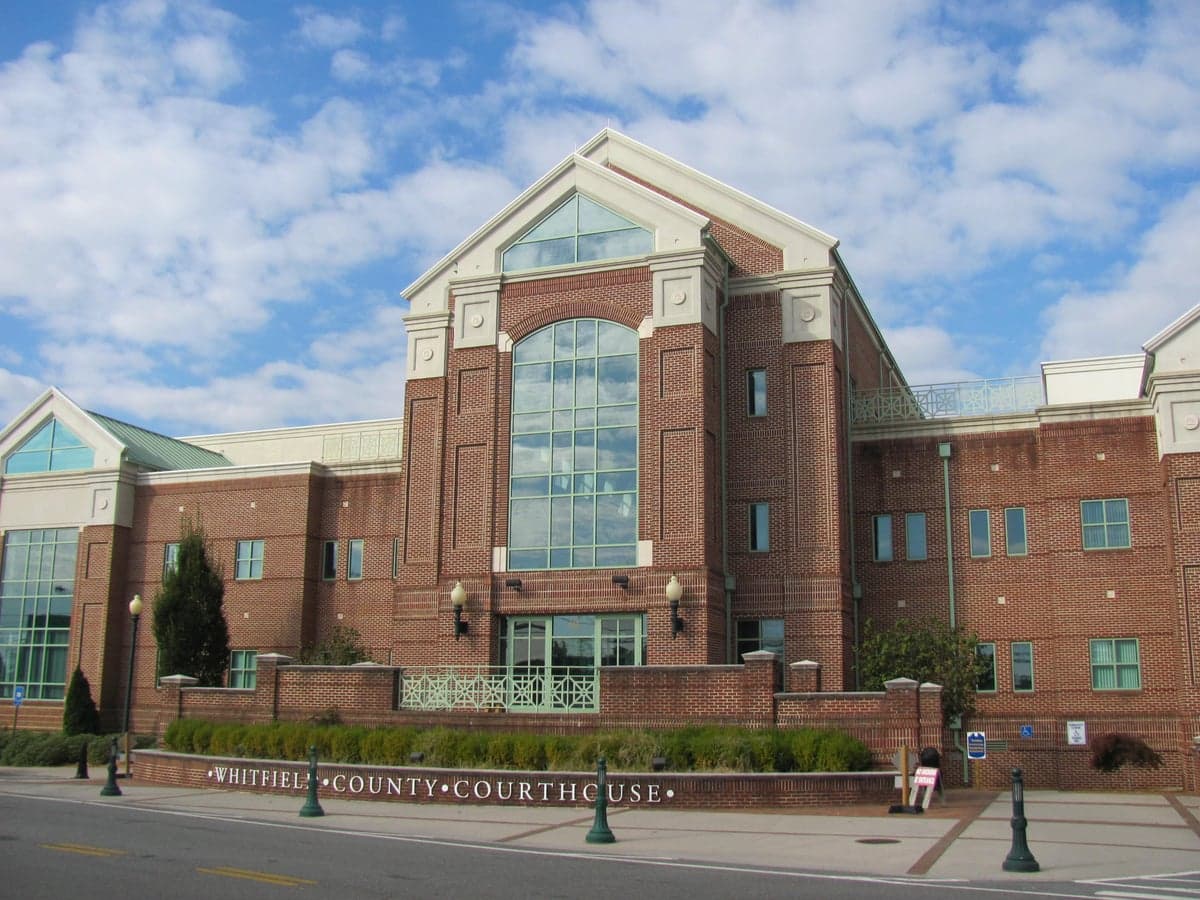
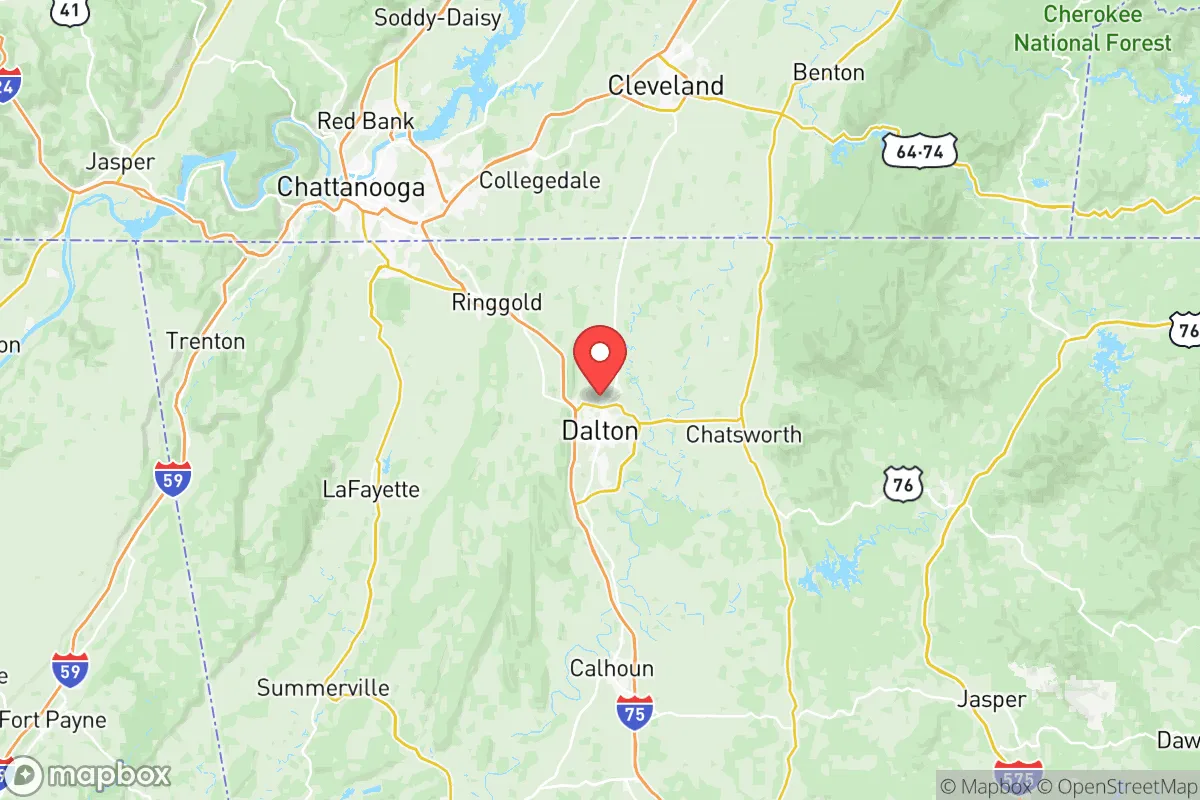
Photo: Wikipedia
Quality of Life in Whitfield County
A livable area that tracks near national norms for affordability, walkability, and neighborhood health.
What does Quality of Life tell us?
Quality of Life measures an area by evaluating factors like cost of living, nearby amenities, country club access, airport proximity, socioeconomic signals and neighborhood character. For large states, this is a general average — quality of life can vary dramatically between metro areas, suburbs, and rural communities within the same state.
What does this tell us?
Quality of Life measures an area by evaluating factors like cost of living, nearby amenities, country club access, airport proximity, socioeconomic signals and neighborhood character. For large states, this is a general average — quality of life can vary dramatically between metro areas, suburbs, and rural communities within the same state.
Cost of Living
25% below national average
113%
The Real Cost of Living in Whitfield County for 2026
| Tier | Individual | Family (4) |
|---|---|---|
| Survival | $14k | $27k |
| Comfortable | $39k | $57k |
| Luxury | $116k+ | $179k+ |
| Elite (Top 5%) | $136k+ | $211k+ |
Quality-of-Life Analysis
Whitfield County, Georgia, offers a broad spectrum of quality-of-life options, from the bustling commercial hub of Dalton to quiet, unincorporated crossroads and rural farmland. The county’s character shifts noticeably depending on where you live: professionals and families seeking convenience and amenities gravitate toward Dalton and its immediate suburbs, while those prioritizing space, lower density, and a slower pace often choose the smaller communities and rural pockets to the north and east. With a cost of living index of 75 (25% below the national average), a median home value of $198,900, and a median rent of $907, the county provides affordable entry points across this entire range.
Largest town(s) & population centers
Dalton is the county seat and by far the largest population center, home to roughly 34,000 residents. Daily life here is anchored by a walkable downtown square, the Dalton Convention Center, and a strong manufacturing base, particularly in the flooring industry (Dalton is known as the "Carpet Capital of the World"). The city offers a mix of historic homes, newer subdivisions, and apartment complexes, with most errands and services concentrated along the Walnut Avenue and Cleveland Highway corridors. Cohutta, a smaller town of about 650 people just east of Dalton, feels more like a bedroom community, with a quiet downtown and easy access to Dalton’s jobs and shopping. Tunnel Hill, with a population around 900, sits southwest of Dalton and offers a small-town historic district centered on the Western & Atlantic Railroad tunnel, plus a growing number of commuters who work in Dalton or Chattanooga (about 25 minutes north).
Smaller towns & rural pockets
Outside the main population centers, Whitfield County contains several unincorporated communities and rural areas that define its quieter side. Varnell, in the northeastern corner near the Tennessee line, is a small town of roughly 2,000 people with a strong sense of community, a volunteer fire department, and direct access to the Conasauga River for fishing and kayaking. Rocky Face, just west of Dalton, is an unincorporated area known for its namesake mountain and the historic Rocky Face Gap; it offers a mix of rural homes and newer subdivisions, with residents often commuting into Dalton or Chattanooga. Further east, Pleasant Grove and Carbondale are unincorporated crossroads where homes sit on larger lots, and daily life revolves around local churches, small farms, and the occasional country store. These areas lack municipal services like city water and sewer in many spots, but they provide the privacy and land that many rural buyers seek.
Cost & lifestyle range
The cost of living and amenity levels vary significantly across the county. At the higher end of the spectrum, Dalton’s newer subdivisions (such as those near the Dalton Golf & Country Club or off Dug Gap Road) feature homes in the $250,000–$350,000 range, with quick access to grocery stores, restaurants, and the hospital. At the lower end, rural areas around Varnell and Rocky Face offer older homes and mobile homes on acreage for $100,000–$150,000, often with lower property taxes and no city fees. Rentals follow a similar pattern: a two-bedroom apartment in Dalton averages $907, while a similar unit in a rural area may rent for $700–$800 but require a longer drive to services. The average commute across the county is 21.4 minutes, but residents in the far northeastern or western pockets can expect 30–35 minutes to reach Dalton or Chattanooga. Amenities thin out quickly outside Dalton: there are no major grocery stores in Varnell or Rocky Face, so residents rely on small markets or drive into town.
Whitfield County works best for people who want affordable housing and a choice between urban convenience and rural quiet. Families and professionals who need daily access to jobs, schools, and shopping will find Dalton and its immediate suburbs the most practical fit. Retirees, remote workers, and those who value land and privacy over proximity to services will feel at home in the smaller towns and unincorporated areas, where the trade-off is a longer drive for a lower cost of living and more space. The county’s mix of manufacturing, logistics, and growing remote-work options means it can accommodate a wide range of lifestyles without the high price tag of metro Atlanta or Chattanooga proper.

Crime in Whitfield County
Generally safer than 56% of comparable U.S. locations.
Violent CrimeViolent Crime Analysis
Property CrimeProperty Crime Analysis
Crime Analysis
Whitfield County, Georgia, reports a violent crime rate of 266.1 per 100,000 residents and a property crime rate of 1,252.7 per 100,000, placing it in a moderate risk category relative to both state and national averages. The county’s safety picture is shaped by the contrast between its largest city, Dalton, and smaller communities like Tunnel Hill, Cohutta, and Varnell, where crime rates tend to be lower. While property crime is the more frequent concern for most residents, violent incidents are concentrated in specific areas and often linked to broader regional crime patterns.
Crime in context
Whitfield County’s violent crime rate of 266.1 per 100,000 is roughly 24% below the national average of 380 per 100,000 and slightly below the Georgia state average of 280 per 100,000. Property crime, however, runs higher: the county’s rate of 1,252.7 per 100,000 exceeds the national average of 1,954 per 100,000 but is about 15% above the Georgia state average of 1,090 per 100,000. This means residents face a somewhat elevated risk of theft, burglary, and vehicle break-ins compared to the rest of Georgia, while the likelihood of violent victimization remains lower than typical for the state. The Conasauga Judicial Circuit, which covers Whitfield and Murray counties, handles felony prosecutions; local observers note that sentencing patterns and plea agreements in Dalton’s courts can influence recidivism rates, particularly for property offenders.
What residents experience
Property crime is the most common safety issue for Whitfield County residents. Larceny-theft accounts for the majority of property crime incidents, followed by burglary and motor vehicle theft. Neighborhoods in central Dalton, especially around the historic downtown and along the I-75 corridor, report higher concentrations of theft and vehicle break-ins. In contrast, the towns of Tunnel Hill and Cohutta see far fewer property crimes, with many incidents limited to unlocked vehicles or outbuildings. Violent crime, while less frequent, is not evenly distributed: Dalton accounts for roughly 70% of the county’s violent offenses, including aggravated assaults and robberies, while the smaller municipalities of Varnell and Resaca report only isolated incidents. The presence of progressive-leaning judicial policies in some Georgia metro areas has raised concerns among residents about repeat offenders cycling through the system, though Whitfield County’s courts have generally maintained a more conservative approach to sentencing compared to larger urban jurisdictions like Atlanta or DeKalb County.
Neighborhood-level variation
Safety in Whitfield County varies significantly by location. The unincorporated areas around Rocky Face and the western side of the county near the Tennessee line are considered the safest, with crime rates well below the county average. Dalton’s southern neighborhoods, particularly those near the Dalton State College campus and the newer commercial developments along Walnut Avenue, also report lower incident rates. The highest-risk areas are concentrated in Dalton’s central and northern districts, especially around the Crown Gardens and Eastside neighborhoods, where property crime and drug-related offenses are more common. For families and retirees, the communities of Tunnel Hill and Cohutta offer the lowest crime rates in the county, while those seeking proximity to Dalton’s amenities should focus on the southern and western residential zones. The Conasauga Judicial Circuit’s handling of drug and property cases remains a point of local discussion, as some residents express concern that lenient diversion programs may contribute to repeat offenses in the higher-crime pockets of Dalton.
* Values derived from national, state, county, city and local statistics and may differ in a specific area. Last updated: 2026-08-08T12:28:50.000Z
Narrative content on this page is AI-generated and may contain mistakes. Verify any details that matter before acting on them.
ReloMaps may earn a commission from affiliate links at no extra cost to you.

