
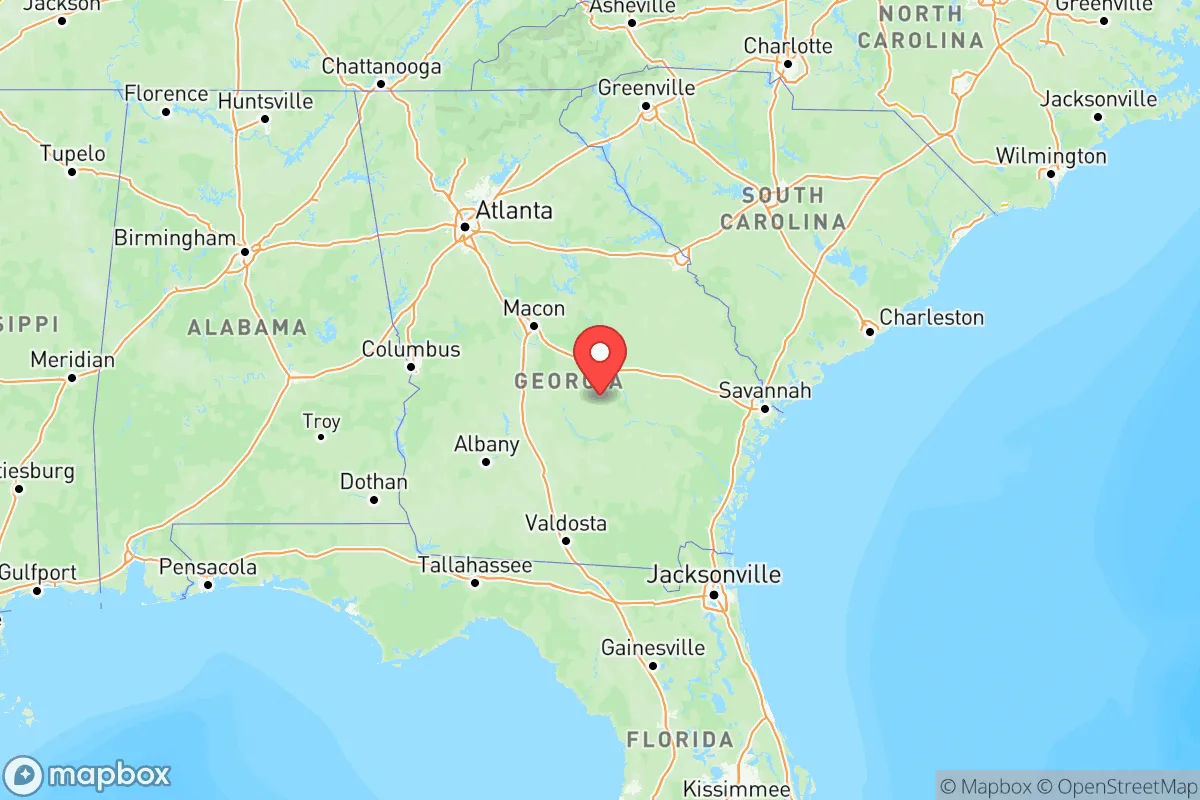
Quality of Life in Georgia
A livable area that tracks near national norms for affordability, walkability, and neighborhood health.
What does Quality of Life tell us?
Quality of Life measures an area by evaluating factors like cost of living, nearby amenities, country club access, airport proximity, socioeconomic signals and neighborhood character. For large states, this is a general average — quality of life can vary dramatically between metro areas, suburbs, and rural communities within the same state.
What does this tell us?
Quality of Life measures an area by evaluating factors like cost of living, nearby amenities, country club access, airport proximity, socioeconomic signals and neighborhood character. For large states, this is a general average — quality of life can vary dramatically between metro areas, suburbs, and rural communities within the same state.
Cost of Living
6% above national average
96%
The Real Cost of Living in Georgia for 2026
| Tier | Individual | Family (4) |
|---|---|---|
| Survival | $21k | $39k |
| Comfortable | $53k | $78k |
| Luxury | $135k+ | $209k+ |
| Elite (Top 5%) | $171k+ | $265k+ |
Quality-of-Life Analysis
Georgia offers one of the widest lifestyle spectrums in the Southeast, from the 24-hour energy of metro Atlanta to the slow rhythms of Appalachia and the coast. With a statewide cost-of-living index of 106 (just above the national average) and a median home value of $272,900, the state spans extreme contrasts: high-rise luxury condos in Buckhead, historic brownstones in Savannah, and affordable starter homes in Macon or Albany for well under $200,000. The average commute of roughly 28 minutes reflects suburban patterns around Atlanta, while smaller metro areas often cut that time in half. Which tier of Georgia living fits you depends on how you weigh job access, walkability, scenery, and budget.
Major metros
If you are seeking urban living, Georgia ’s dominant center is Atlanta, a sprawling metro of 6 million people driven by Fortune 500 headquarters (Coca‑Cola, Delta, Home Depot), Hartsfield‑Jackson (the world’s busiest airport), and a robust film production sector. The city itself offers dense intown neighborhoods like Midtown and Old Fourth Ward, but suburban sprawl dominates the metro. Augusta, home of the Masters golf tournament, provides a smaller, slower big-city feel anchored by the Savannah River and a growing cybersecurity hub (Army Cyber Command at Fort Eisenhower). Savannah combines historic squares, riverfront tourism, and a vibrant arts scene; its port is the second‑busiest on the East Coast. Columbus, on the Chattahoochee River, is a military‑ and logistics‑driven city (Fort Moore) with a surprisingly low cost of living (COL index around 92). Each metro has a distinct identity: Atlanta for career climbers and creatives, Augusta for golf and tech, Savannah for history and hospitality, Columbus for affordability and riverfront recreation.
Mid-size cities & college towns
Georgia shines in its mid‑sized cities and college towns, each offering a specific quality‑of‑life niche. Athens, home of the University of Georgia, is the classic college town: music scene, walkable downtown, and a strong sense of community; its median home value hovers near $310,000, higher than the state average due to demand. Macon sits in the center of the state with a revitalized historic district (Cherry Street, Ocmulgee Mounds) and a median home value around $165,000—one of the most affordable mid‑sized cities in the state. Gainesville, located northeast of Atlanta on Lake Lanier, blends lake lifestyle with a growing poultry and logistics economy; median rent is about $1,400. Valdosta, near the Florida line, is a retail and agricultural hub (home of Wild Adventures theme park) with very low home prices (median ~$200,000). Statesboro, home of Georgia Southern University, offers a classic Southern college town vibe with a young population and a cost of living well below the state average. These cities appeal to remote workers, retirees, and families seeking lower costs than Atlanta but with amenities like university cultural events, regional hospitals, and local food scenes.
Small towns & rural areas
Rural and small‑town Georgia offers distinct landscapes and paces. In the north Georgia mountains, Dahlonega, Blue Ridge, and Helen draw residents with hiking access, Appalachian views, and tourist‑driven economies; home prices there have risen, with median values in Dahlonega around $350,000. The coastal region includes St. Simons Island, Brunswick, and Darien, where marsh views, shrimping, and a slower island pace dominate; Brunswick’s median home value is about $190,000, while St. Simons is much higher (above $500,000). The rural Black Belt and South Georgia areas—Albany, Thomasville, Americus—offer deep history, pecan farms, and exceptionally low home prices (Albany median ~$128,000). These small towns suit retirees, farmers, and anyone seeking solitude, nature, and a cost of living well below the state index (often 85–95). The trade‑off is fewer jobs, longer drives to groceries or healthcare (commute times can exceed 30 minutes), and limited public transportation.
Luxury vs. affordable living
Upscale Georgia is concentrated in a few enclaves. Buckhead and Ansley Park in Atlanta offer mansions and high‑rise condos with median home values exceeding $1 million. Along the coast, Sea Island and St. Simons Island command luxury resort living; a Gulf‑front home there can top $2 million. In the mountains, golf communities like Reynolds Plantation (Greensboro) and Brasstown Valley (Young Harris) attract second‑home buyers. On the affordable side, Macon, Albany, Dublin, and Waycross have median home values under $170,000; a family budget of $1,300 per month can rent a decent three‑bedroom house. Augusta offers a middle ground: historic homes under $250,000 in Summerville or Harrisburg, and suburban developments near Fort Eisenhower for under $300,000. The state’s cost‑of‑living index of 106 masks huge internal variation: an Atlanta‑area COL of 115–120 vs. a Macon COL of 90. Luxury buyers get gated golf communities or intown penthouses; budget‑conscious buyers get the most space for their money in the midsized and rural interior.
The practical reality of Georgia living is that most economic opportunity concentrates in the Atlanta metro, which pulls 60% of the state’s population and has the longest average commute (Atlanta metro average around 32 minutes). For high‑income professionals and creatives who can afford $1,800+ rent or a $400,000+ home, Atlanta’s intown neighborhoods and northern suburbs (Sandy Springs, Alpharetta, Suwanee) offer amenities, jobs, and diversity. Retirees and remote workers often choose Savannah’s historic district or the mountain towns of north Georgia, balancing charm with moderate costs (Savannah COL ~103). Families on a tight budget gravitate to Macon, Augusta, or Columbus, where home values are below the state median and a solid school system exists in many suburban districts. The state’s spread in quality‑of‑life options is as wide as its geography: from the Appalachian Trail to the Okefenokee Swamp, from high‑rise downtown Atlanta to the pecan groves of southwest Georgia. No single “Georgia lifestyle” exists; rather, the state provides a

Crime in Georgia
Generally safer than 56% of comparable U.S. locations.
Violent CrimeViolent Crime Analysis
Property CrimeProperty Crime Analysis
Crime Analysis
Georgia's overall violent crime rate of 262 per 100,000 residents sits below the national average, yet the state's large metro areas with progressive prosecutors and judges drive significantly higher crime in their jurisdictions. Property crime stands at 1,236.6 per 100,000—also below the U.S. figure—but these averages hide a stark divide between conservative-leaning suburbs and cities where liberal district attorneys have reduced enforcement and bail, leading to more criminals on the street. For anyone considering a move to Georgia, understanding where these policies are in effect is critical to personal safety and property protection.
Crime in context
Georgia's violent crime rate of 262 per 100K is roughly 31% lower than the national figure, while property crime at 1,236.6 per 100K is about 37% below the U.S. average. Those numbers, however, are pulled upward by jurisdictions such as Fulton County (Atlanta), DeKalb County, and Clayton County, where progressive district attorneys have implemented policies that deprioritize prosecution for low-level offenses and eliminate cash bail for many charges. Atlanta’s own violent crime rate exceeds 1,100 per 100K—more than four times the state average—while Savannah and Augusta also report rates well above the state mean. In contrast, suburban communities like Alpharetta, Johns Creek, and Peachtree City record violent crime rates below 100 per 100K, reflecting the strong correlation between conservative judicial leadership and public safety outcomes.
What residents experience
Daily life in Georgia’s progressive-run metros involves heightened vigilance: car thefts, break-ins, and smash-and-grab retail thefts are common in Atlanta, Decatur, and Marietta, where DA policies have contributed to lower arrest rates and faster release of repeat offenders. Homeowners in these areas report persistent property crime despite security measures, and police morale has dropped as officers see offenders quickly return to the streets. In DeKalb County, a 2025 report showed recidivism among those released without bail had climbed 18% in two years. Conversely, residents in Cobb County, Forsyth County, and suburban Gwinnett—where district attorneys maintain stricter charging and bail practices—experience fewer random burglaries and feel safer walking their neighborhoods. Commuters from safer outer suburbs into Atlanta routinely adjust their schedules and parking choices to avoid theft, a daily reality shaped by the judicial philosophy at the county level.
Neighborhood-level variation is extreme even within a single metro area. Buckhead and Midtown Atlanta face higher violent crime due to their location in Fulton County’s progressive jurisdiction, while only 15 miles north, Sandy Springs and Dunwoody (both in more conservative Fulton districts) see markedly lower rates. Outside metro Atlanta, cities with traditional law enforcement approaches—such as Thomasville, Rome, and Warner Robins—report violent crime under 200 per 100K. Buyers and renters should evaluate not just the city but the county’s district attorney and judicial bench; a progressive “reform” agenda in the justice system often means higher victimization for law-abiding residents. Checking local DA policy statements and recent crime trend data for the specific county is a prudent
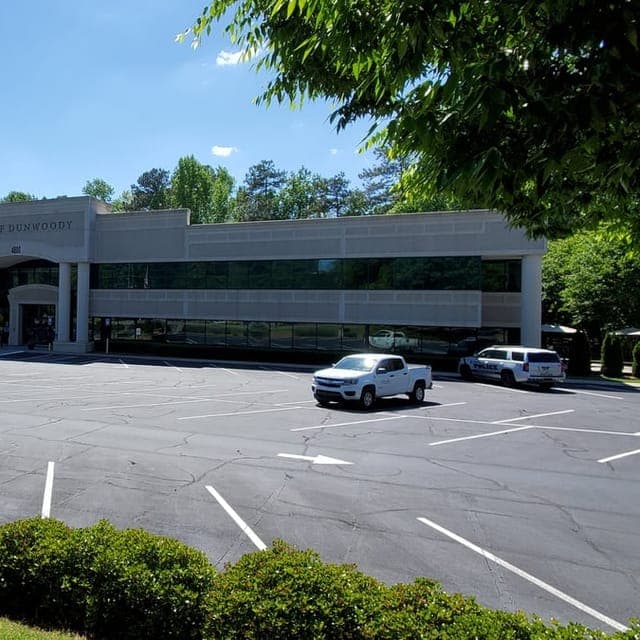
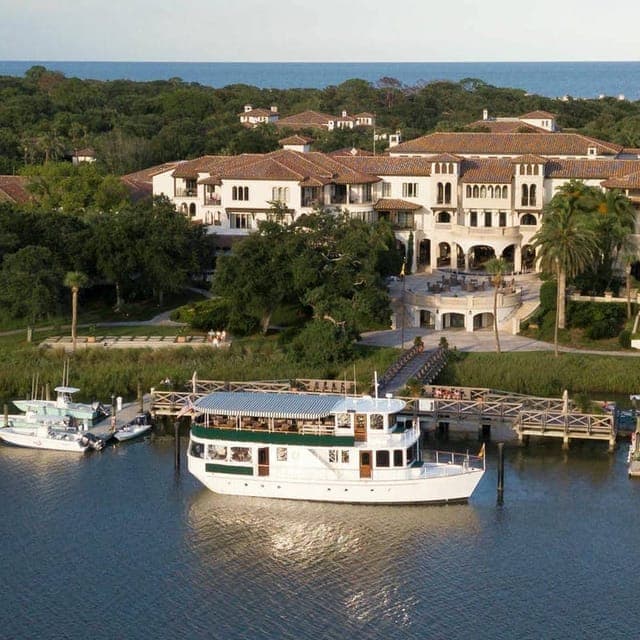
Top Cities for Quality of Life in Georgia






* Values derived from national, state, county, city and local statistics and may differ in a specific area. Last updated: 2026-06-06T00:27:15.000Z
Narrative content on this page is AI-generated and may contain mistakes. Verify any details that matter before acting on them.
ReloMaps may earn a commission from affiliate links at no extra cost to you.

