Political ClimatePolitical Climate in Georgia
Political Environment in the State
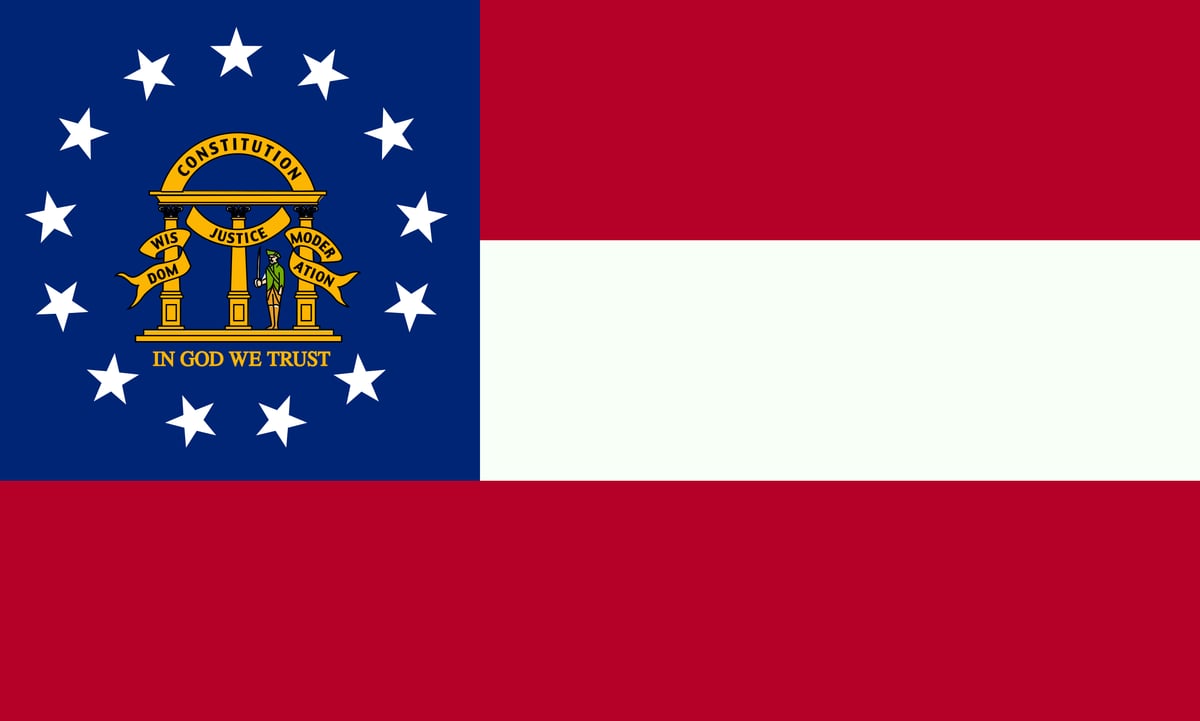
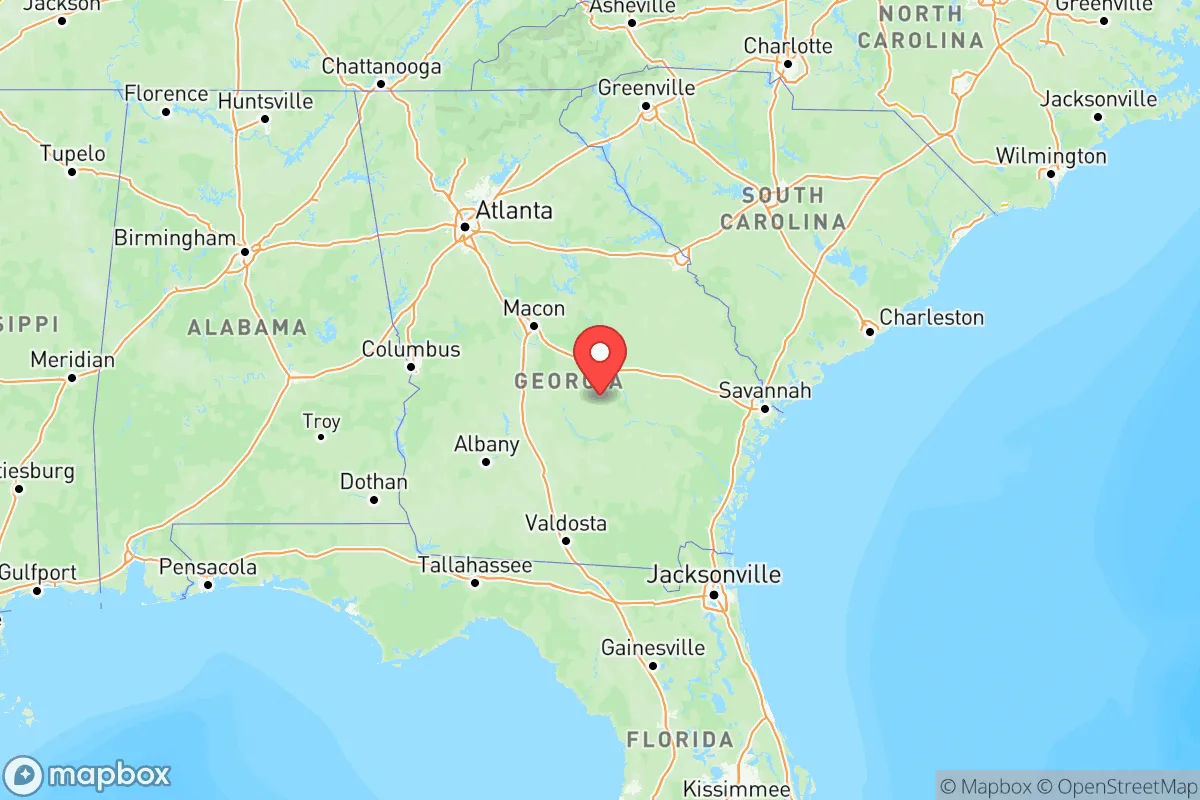
Georgia is genuinely a tale of two states politically, and for a conservative looking to relocate, you need to understand that split. For the last decade, the state has been a true battleground, with a 2024 presidential map that saw the GOP losing ground in the booming Atlanta suburbs but still holding firm in the rural and exurban counties that make up most of the state’s landmass. The overall partisan lean has shifted from reliably red to a toss-up purple over the last 20 years, driven almost entirely by the demographic transformation of the Atlanta metro area. If you are moving here, your zip code will matter at least as much as your state.
Urban vs. rural divide
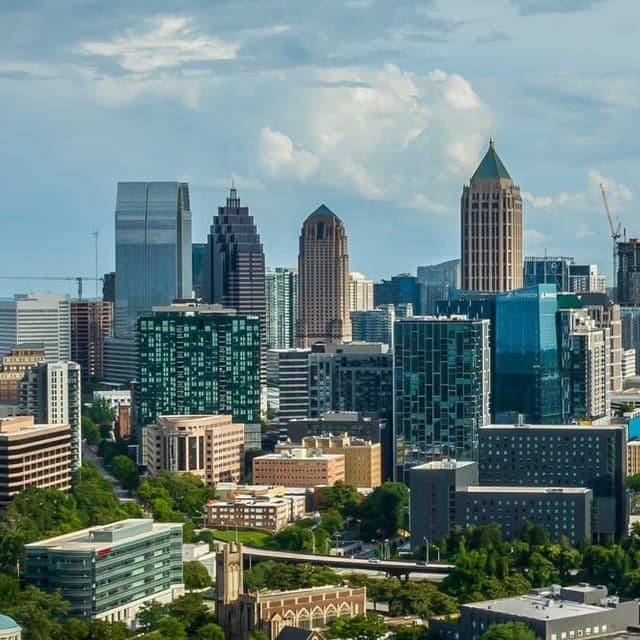
The political map of Georgia is almost comically simple: the urban core of Atlanta, plus the cities of Savannah, Augusta, and Columbus, vote overwhelmingly Democratic. In 2020, Fulton and DeKalb counties alone handed Joe Biden a margin of over 400,000 votes, which is more than enough to erase the Republican advantage everywhere else. Meanwhile, the rest of the state — from the pine woods of Coffee County in the south to the mountain counties of Gilmer and Fannin in the north — is deeply, reliably red. The exurban ring is where the battle lives: Forsyth County and Hall County (Gainesville) remain conservative strongholds, with Forsyth County voting +42 for Trump in 2024. But Cobb County and Gwinnett County, once reliably red, have flipped blue over the last decade due to massive in-migration from blue states. If you’re looking for a conservative-friendly community, the exurbs north of Atlanta are your best bet; if you land inside the Perimeter or in an inner suburb, you will find yourself in a blue voting precinct.
Policy environment
On the state level, Georgia has a solid Republican legislature and a governor, Brian Kemp, who has been decisive in locking in conservative policy wins. The state tax situation is genuinely favorable for families and retirees: since 2024, retirement income is entirely exempt from state income tax, and the flat income tax rate has been dropping (it is set to hit 4.99% in 2026). There is no inheritance or estate tax. Business regulations are light, and the state is a "right-to-work" jurisdiction. On cultural policy, Georgia has been aggressive: the Heartbeat Bill (HB 481, 2019) bans abortion after a detectable heartbeat, effectively at around six weeks, and it survived legal challenges. In 2022, the state passed constitutional carry, allowing permitless concealed carry of firearms for law-abiding adults. School choice expanded significantly with the Georgia Promise Scholarship Act in 2024, giving parents up to $6,500 per child to use for private school tuition or other educational expenses. Election integrity was a major flashpoint: the Election Integrity Act (SB 202, 2021) requires photo ID for absentee ballots, restricts ballot drop boxes to early voting hours, and bans private funding of election administration — a direct response to issues seen in 2020 that many conservatives still distrust. The state also passed SB 140 (2023), banning medical gender transition procedures for minors, and HB 1084 (2022), restricting the teaching of "divisive concepts" in K-12 schools. If you are concerned about government overreach into your children’s education or medical decisions, Georgia has been a leader in pushing back.
Trajectory & freedom
On a personal liberty scale, Georgia has become noticeably more free over the last five years for conservatives, especially on gun rights, parental rights, and school choice. The passage of constitutional carry and the school choice expansion were significant wins that give families real options outside the government system. However, the trajectory at the local level is the real concern: the Atlanta metro area is increasingly run by progressive city and county governments that are implementing policies at odds with state law. For example, the Atlanta City Council has repeatedly passed "sanctuary city" resolutions (though they are largely symbolic due to state preemption), and the "Stop Cop City" movement saw violent protests against the construction of a public safety training center. The state legislature has been forced to pass preemption laws to block local gun control measures, local rent control ordinances, and local minimum wage hikes. This tension between a conservative state government and a growing progressive local government is the central freedom debate in Georgia right now. The good news is that the state legislature has been willing to use its preemption power aggressively; the bad news is that if the political balance shifts at the state level, that protection could vanish quickly. The 2020 and 2022 elections were extremely close, with the state going for Biden by 0.2% in 2020 and then electing two Democratic senators in 2022 — a demographic change that cannot be ignored.
Civil unrest & political movements
Georgia has seen significant political flashpoints over the last few years. The 2020 election aftermath was chaotic: the 2021 U.S. Senate runoffs (won by Ossoff and Warnock) brought a flood of national money and activism to the state, and the subsequent passage of SB 202 (the election integrity law) triggered massive protests at the state capitol, including a march

Most Conservative Cities in Georgia


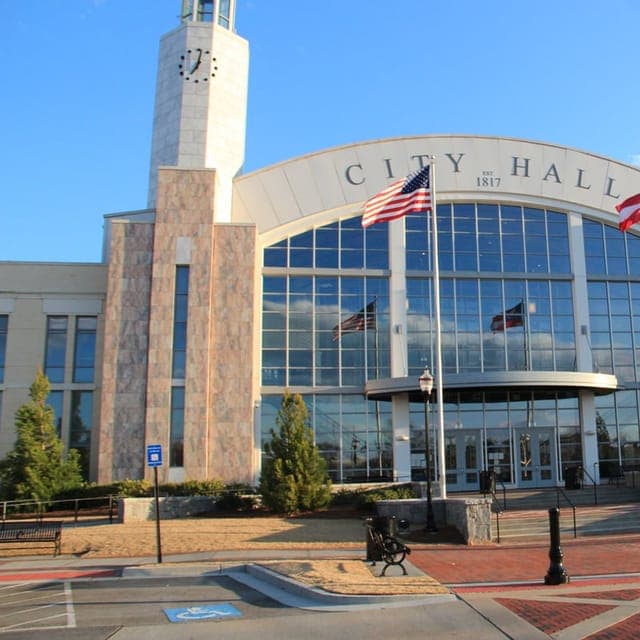


Most Liberal Cities in Georgia


* Values derived from national, state, county, city and local statistics and may differ in a specific area. Last updated: 2026-06-06T00:27:15.000Z
Narrative content on this page is AI-generated and may contain mistakes. Verify any details that matter before acting on them.
ReloMaps may earn a commission from affiliate links at no extra cost to you.

