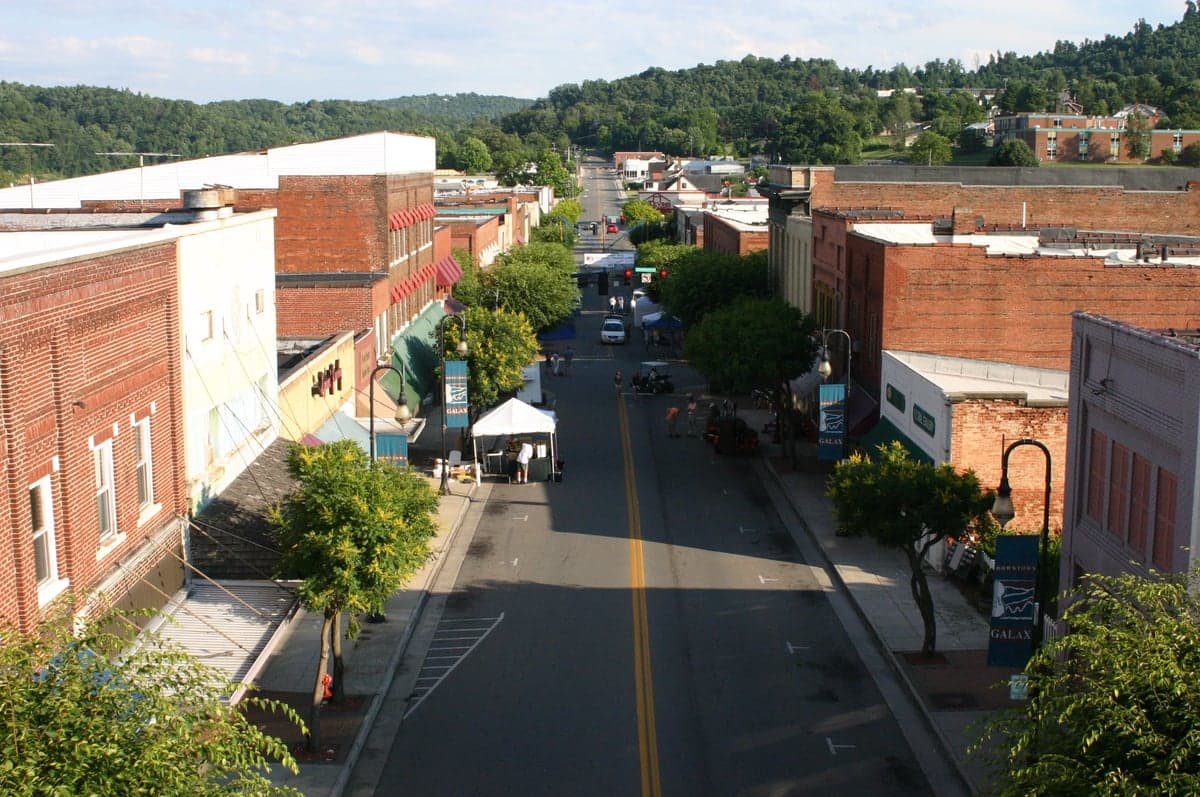
Photo: Wikipedia
Strategic Assessment of Galax, VA
Workable tactical position. Some exposure to population density or targets, but generally defensible in a crisis.
What does the Strategic Assessment tell us?
Our Strategic Assessment grades tactical survivability of an area. Major population centers, military targets, fallout zones, natural disasters, and border exposure all drive risk — lower exposure means a more defensible position in a crisis.
This is heavily inspired by Joel Skousen's Strategic Relocation book. Highly recommended you checkout the book ($)What does this tell us?
Our Strategic Assessment grades tactical survivability of an area. Major population centers, military targets, fallout zones, natural disasters, and border exposure all drive risk — lower exposure means a more defensible position in a crisis.
This is heavily inspired by Joel Skousen's Strategic Relocation book. Highly recommended you checkout the book ($)Strategic Pillars
Key Distances
Regional Safe Places
Below is our recommended "safe zones" in Virginia and the surrounding area based on our strategic heuristics. For most people, it's unrealistic to live in a “safe zone” full-time due to work, family or other personal reasons. They tend to be more rural. However, many of these areas are perfect for second homes and retreat properties that double as a vacation home or even a short-term rental.
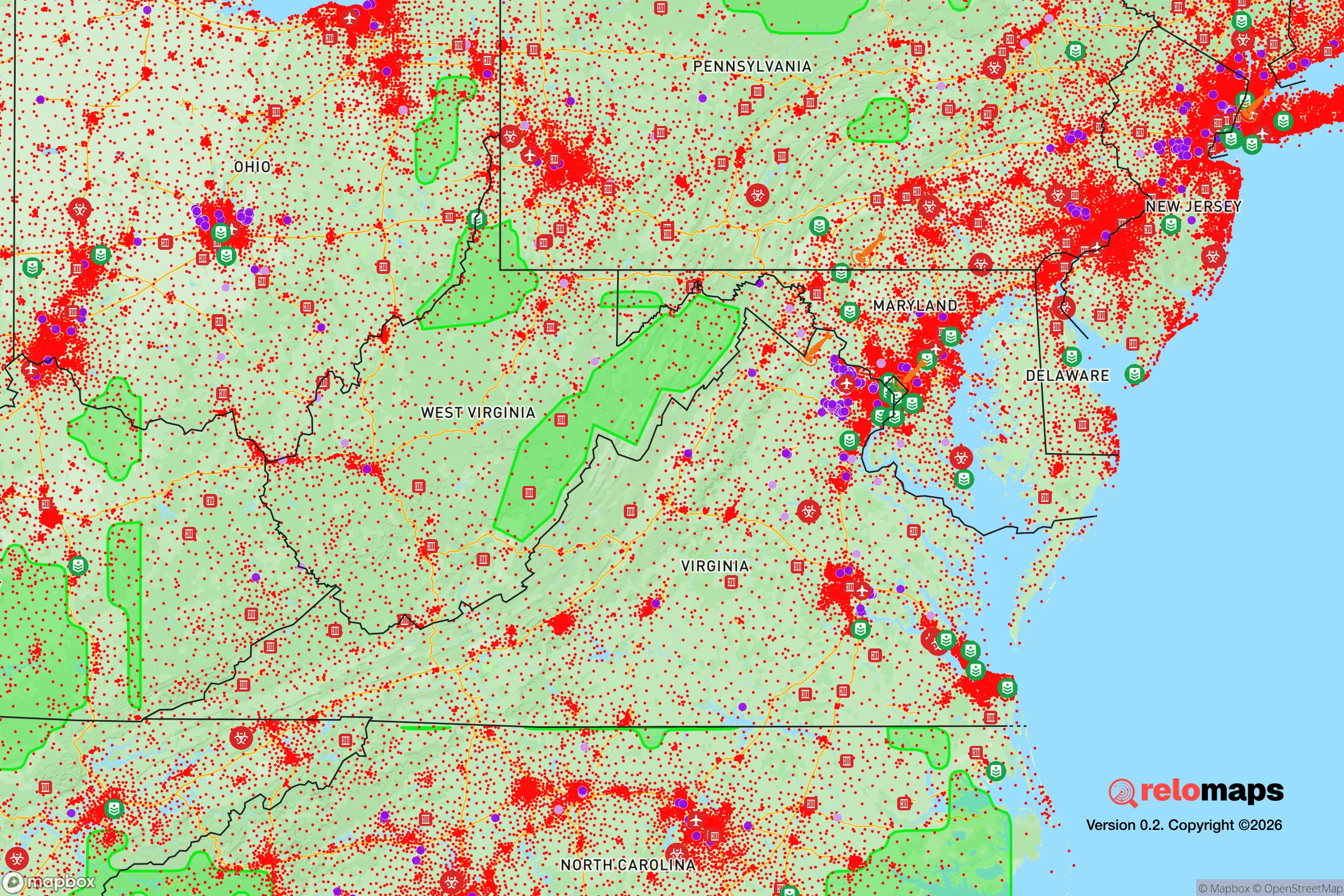
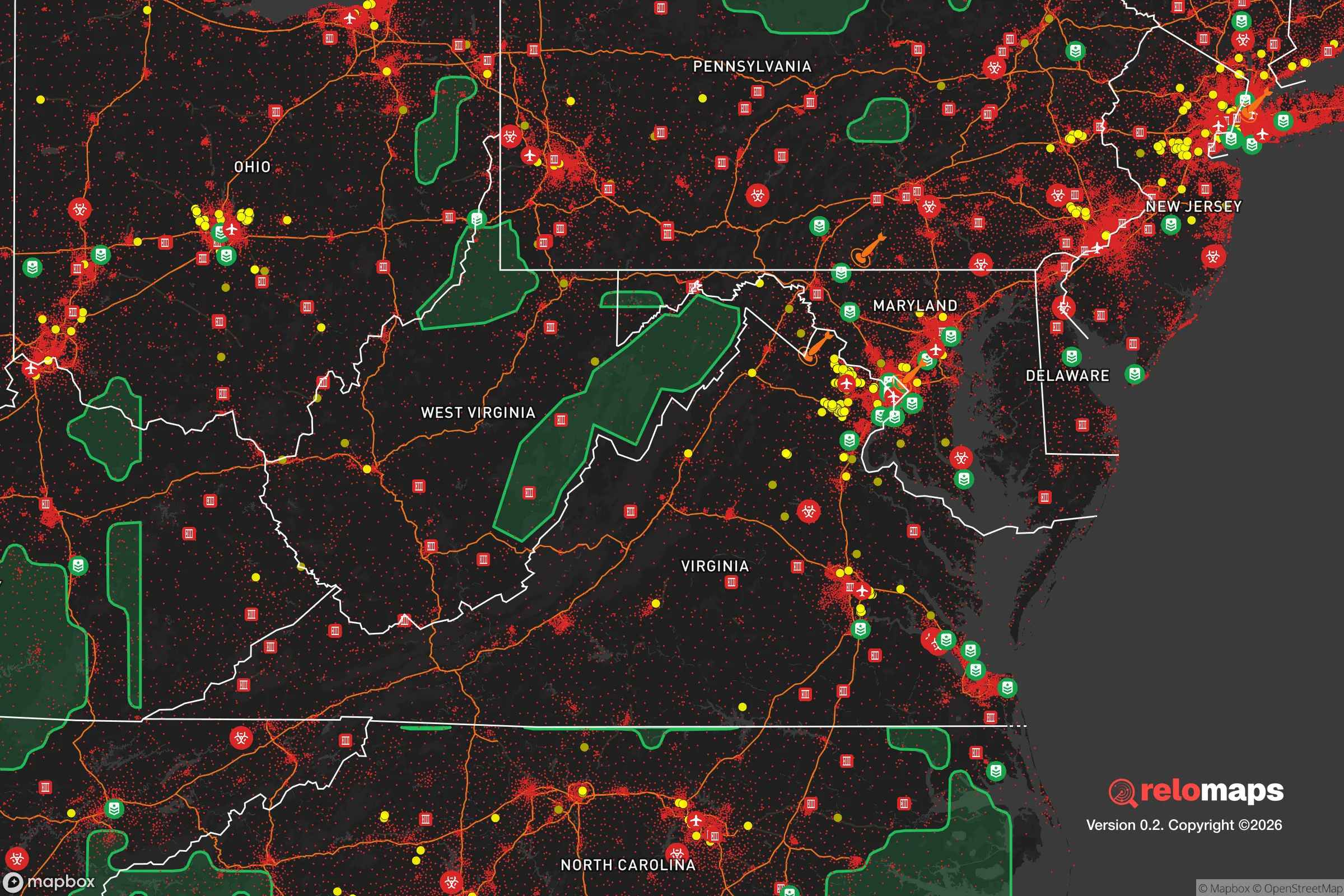


Important Note: For informational purposes only. This does not mean nothing bad ever happens in the green zones. Please use common sense. This is based on public data and modeled with AI. We tried to take a conservative approach but mistakes happen. We update this regularly as new information becomes available.
Solar Generator Recommendations
Backup power matters more here than in safer locations. We've picked three solar generators across budgets and capacity tiers — start with the budget unit if you only need a few essentials, or step up if you want to run a fridge and HVAC for days at a time.
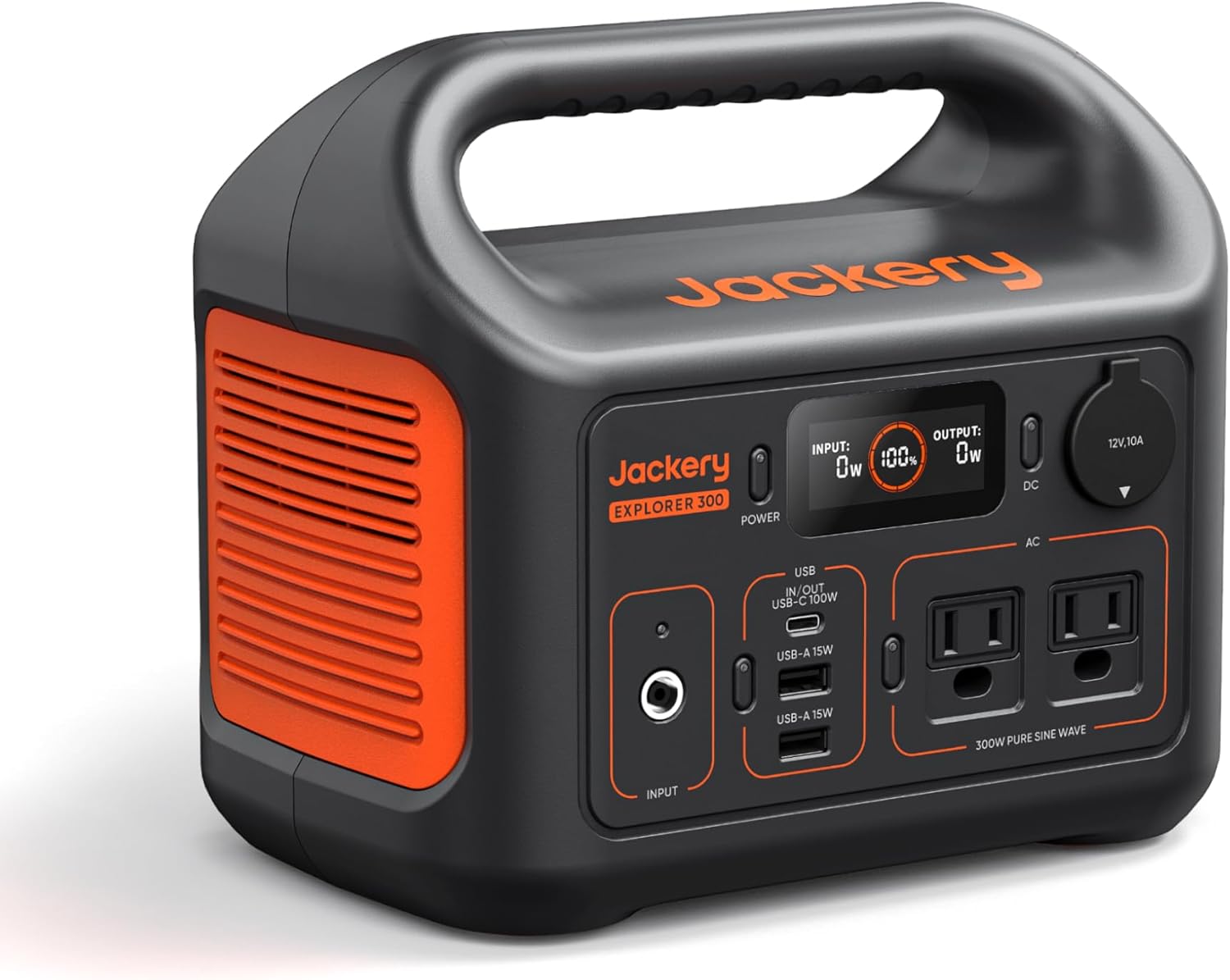
Jackery Portable Power Station Explorer 300
Budget OptionPower on the Go: Weighing only 11 lbs, it's convenient to set up and store with book-sized foldable solar panels

BLUETTI Portable Power Station AC180
Designed for both indoor and outdoor scenarios, AC180 is highly capable as it has a robost capacity and continuous output power.

EF ECOFLOW DELTA Pro Ultra Power Station
Upgraded PickEcoFlow DELTA Pro Ultra is a whole-home energy system designed to grow with your family. Integrated with the Smart Home Panel 2, it scales to meet your evolving energy needs — keeping your home powered, intelligent, and secure through every stage of life.
We earn a commission, at no additional cost to you.
Strategic Assessment Analysis
Galax, Virginia, offers a compelling mix of geographic isolation and practical self-sufficiency that makes it a serious candidate for a relocation focused on resilience and preparedness. Nestled in the Blue Ridge Mountains at the intersection of Carroll and Grayson counties, this small city of roughly 6,700 people sits far from major metropolitan targets while retaining access to essential supply routes. For a reader weighing disaster readiness and long-term sustainability, Galax presents a strategic balance of natural barriers, resource availability, and community cohesion that is increasingly rare along the Eastern Seaboard.
Geographic position and natural advantages for long-term security
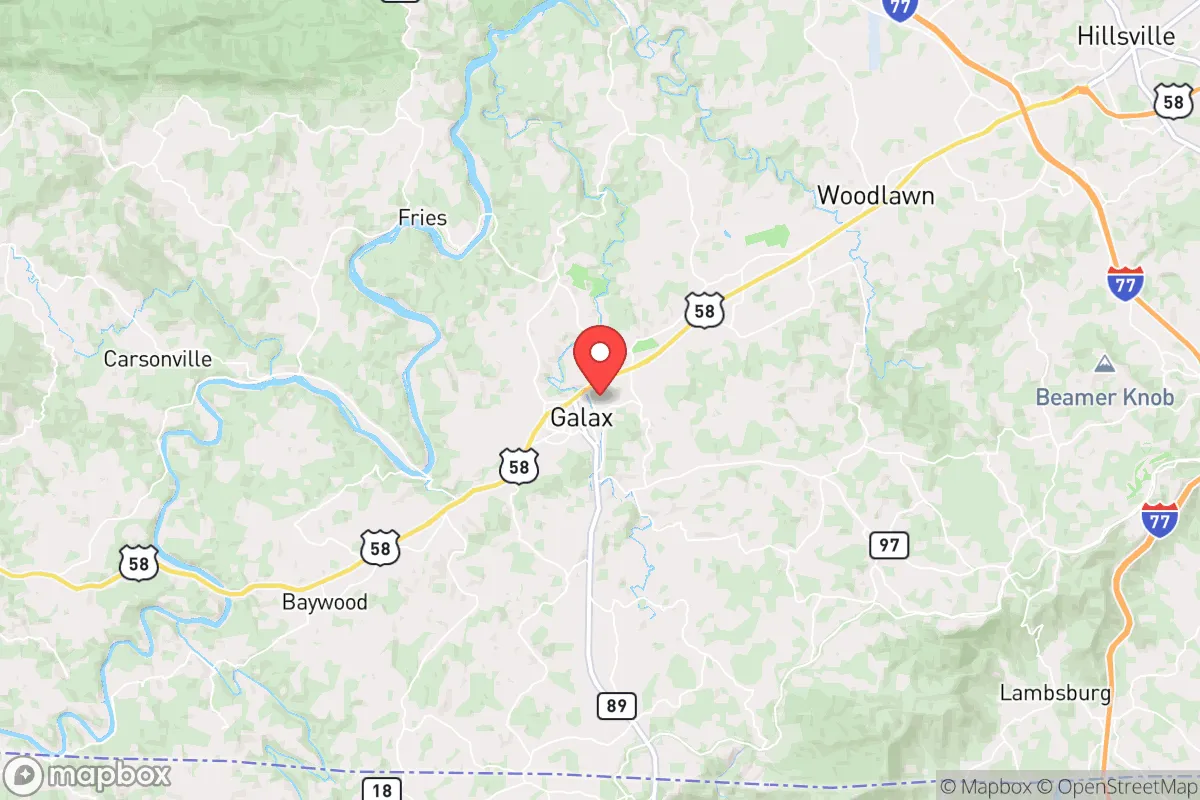
Galax's primary strategic asset is its location within the Blue Ridge physiographic province, where the terrain itself provides a natural buffer. The city sits at an elevation of approximately 2,500 feet, surrounded by the Jefferson National Forest and the New River Valley. This mountainous topography creates a natural defensive perimeter that complicates large-scale movement and provides significant standoff from coastal threats, including storm surge, sea-level rise, and naval-related disruptions. The region is roughly 100 miles from the Roanoke metropolitan area and over 200 miles from Washington, D.C., placing it well outside the immediate blast and fallout zones of any major urban or military target. The New River, one of the oldest rivers in North America, flows through the area and offers a reliable surface water source that is less prone to contamination than more developed watersheds. The surrounding national forest land also provides a buffer against suburban sprawl and industrial encroachment, preserving the area's low population density and agricultural capacity.
Risks, exposures, and proximity to fallout-relevant landmarks
While Galax avoids the worst of urban-centric threats, it is not without vulnerabilities. The region lies within the Central and Southern Appalachian seismic zone, which, while low-risk compared to the West Coast, has experienced occasional minor earthquakes. The mountainous terrain also presents a landslide risk in areas with steep slopes, particularly after heavy rainfall. More significantly, Galax is within roughly 150 miles of the Blue Ridge and Savannah River sites, both of which have historical nuclear-related activities, though neither is a primary strategic target. The closest major infrastructure that could be a secondary target is the Interstate 77 corridor, which runs about 20 miles east of the city and connects to Charlotte, North Carolina, a major financial and transportation hub. A disruption at the I-77 bridge crossings over the Blue Ridge could temporarily isolate Galax from southern supply routes. The area's reliance on a single primary highway, US-58, for east-west travel is a logistical vulnerability that relocators should account for with redundant route planning. Wildfire risk is moderate, with the fall and spring dry seasons posing the greatest threat, though the region's generally moist climate and deciduous forest composition reduce the likelihood of catastrophic fire events compared to the Western U.S.
Practical resilience for a relocator: food, water, energy, and defensibility
Galax's practical resilience is where the area truly distinguishes itself. The region has a strong agricultural tradition, with numerous small farms, orchards, and livestock operations within a 30-minute drive. The Carroll County and Grayson County extension offices actively support small-scale farming and canning, and the local farmers' market operates seasonally. For a relocator serious about food self-sufficiency, the growing season runs roughly from mid-April to mid-October, with reliable rainfall averaging 45 inches annually. The New River and its tributaries provide ample water, though relocators should plan for private well installation or rainwater catchment, as municipal water systems are vulnerable to power outages. Speaking of power, the region is served by Appalachian Power, which draws from a mix of coal, natural gas, and hydroelectric sources, including the nearby Claytor Lake Dam. The mountainous terrain is favorable for small-scale hydro and solar generation, though winter cloud cover can reduce solar efficiency. Defensibility is a strong point: the narrow valleys and winding roads create natural chokepoints, and the low population density means fewer people competing for resources in a crisis. The local culture of hunting, fishing, and wood heating is already embedded in the community, making it easier for a relocator to integrate into existing networks of mutual aid. The Galax Police Department and Carroll County Sheriff's Office maintain a visible presence, and the area's crime rate is well below national averages, which supports a stable environment for long-term preparedness efforts.
The overall strategic picture for Galax is one of balanced opportunity and manageable risk. It offers the kind of layered resilience that comes from geographic isolation, abundant natural resources, and a community that has not yet been fully absorbed into the suburban sprawl of the Mid-Atlantic. The primary trade-offs are economic: job opportunities are limited outside of manufacturing, healthcare, and the growing remote-work sector, and the nearest major medical center with trauma capabilities is in Winston-Salem, North Carolina, about 90 minutes away. For a relocator who values self-sufficiency, low population density, and a defensible position away from major targets, Galax represents a strong, grounded option that avoids the extremes of both urban vulnerability and remote inaccessibility. It is not a fortress, but it is a place where a prepared individual or family can build a sustainable, resilient life with a reasonable expectation of weathering most regional disruptions.

* Values derived from national, state, county, city and local statistics and may differ in a specific area. Last updated: 2026-10-24T15:29:05.000Z
Narrative content on this page is AI-generated and may contain mistakes. Verify any details that matter before acting on them.
ReloMaps may earn a commission from affiliate links at no extra cost to you.

