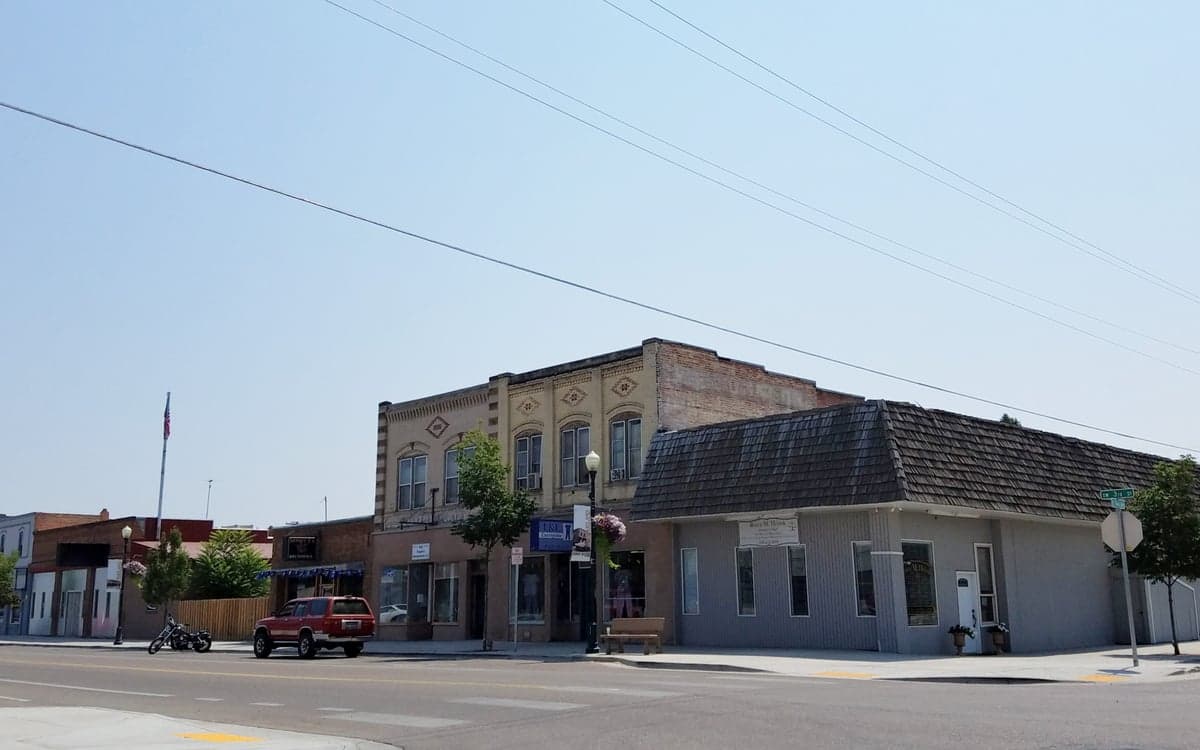
Photo: Wikipedia
Quality of Life in Fruitland, ID
Above-average quality of iife. The area offers a reasonable cost of living, decent mobility, and a mix of neighborhood amenities.
What does Quality of Life tell us?
Quality of Life blends cost of living, nearby amenities, socioeconomic signals, and neighborhood character. City-level scores represent the whole municipality; individual neighborhoods can differ.
What does this tell us?
Quality of Life blends cost of living, nearby amenities, socioeconomic signals, and neighborhood character. City-level scores represent the whole municipality; individual neighborhoods can differ.
Cost of Living
10% below national average
The Real Cost of Living in Fruitland, ID for 2026
| Tier | Individual | Family (4) |
|---|---|---|
| Survival | $15k | $29k |
| Comfortable | $54k | $80k |
| Luxury | $79k+ | $123k+ |
| Elite (Top 5%) | $93k+ | $145k+ |
79%
The Area Signal
A metric tracking the socioeconomic signals of the area.
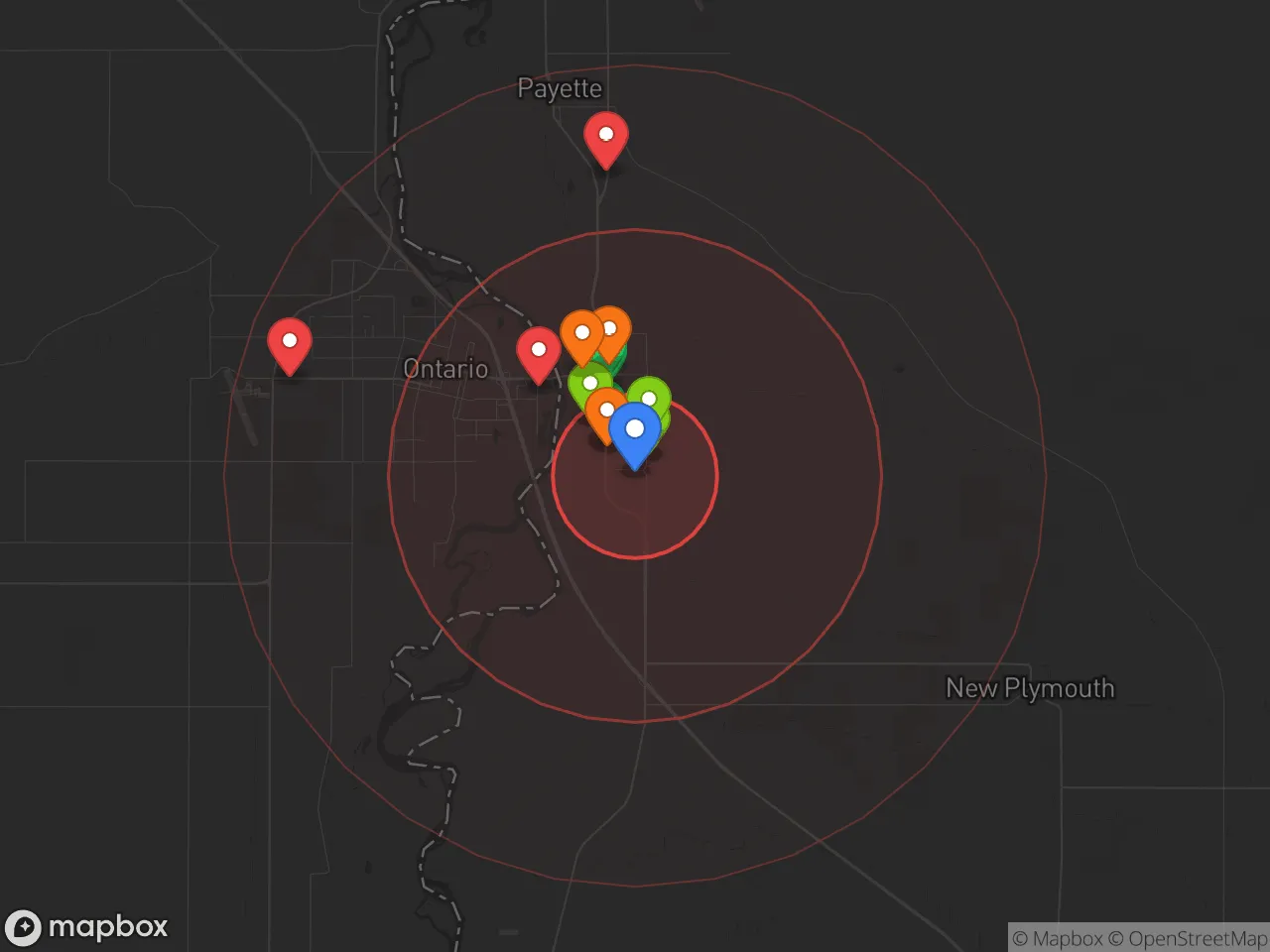
Hobbies
Explore the areaGroceries
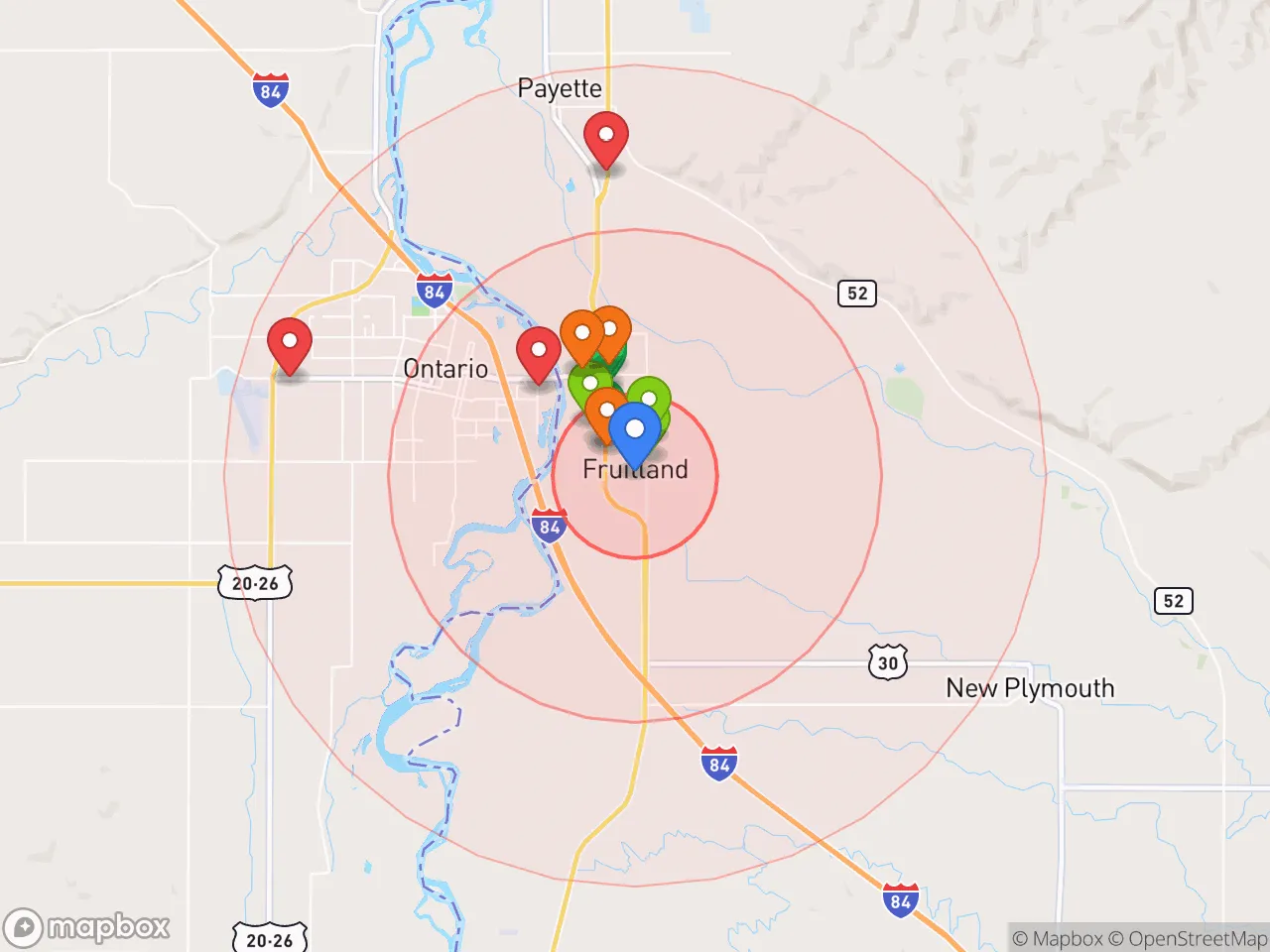
2 within 10 miles
Gas
8 within 10 miles
Hospital
3 within 20 miles
Airport
PDX — Portland International
Post Office
USPS — Fruitland, ID
Critical Amenities
Quality-of-Life Analysis
Fruitland, Idaho, offers a distinctly affordable quality of life that attracts families, agricultural workers, and remote professionals seeking a quieter alternative to the Boise metro area. With a cost of living index of 90—10 percent below the national average—and a median home value of $286,300, the city provides a middle-class lifestyle that is increasingly rare in the Treasure Valley. The population skews younger and more family-oriented than the state average, with a median age around 34 and a high proportion of married-couple households, reflecting a community built around stability and outdoor recreation.
How housing costs and everyday expenses compare to nearby cities
Fruitland’s housing market remains one of the most accessible in southwestern Idaho. The median home value of $286,300 is roughly $100,000 less than in neighboring Nampa and nearly half the median in Boise, where prices exceed $500,000. Median rent sits at $950, well below the national median of $1,200 and significantly cheaper than comparable rentals in Caldwell or Meridian. Groceries and healthcare costs also track below the U.S. average, keeping monthly budgets manageable for households earning the area’s median income of approximately $62,000. The average commute of 21.5 minutes is shorter than the national average of 26 minutes, largely because many residents work locally in agriculture, manufacturing, or at the nearby Fruitland School District, while a minority commute to jobs in Ontario, Oregon, or Boise. Property taxes in Payette County are among the lowest in the state, at roughly 0.6 percent of assessed value, which further reduces the long-term cost of homeownership compared to Ada or Canyon counties.
What daily life is like for families: schools, parks, and local amenities
Daily life in Fruitland centers on a compact, walkable downtown and easy access to the Snake River. The Fruitland School District serves about 2,200 students across four schools, with Fruitland High School earning a state accountability rating of “High” and offering dual-credit courses through the College of Western Idaho. For recreation, the city maintains six public parks, including the 20-acre Fruitland City Park with sports fields, a splash pad, and a disc golf course. The nearby Payette River and Lake Lowell provide fishing, kayaking, and boating within a 10-minute drive. Grocery shopping is limited to a single full-service supermarket (Ridley’s Family Market), but residents drive 15 minutes to Ontario for Walmart, Costco, and additional dining options. The downtown core features a handful of locally owned restaurants, a public library, and a weekly farmers market from June through September. Healthcare is served by the Fruitland Family Medicine clinic and the 25-bed Saint Alphonsus Medical Center in Ontario, with major hospitals in Boise 50 minutes away. The rhythm of life is noticeably slower than in the Boise suburbs—traffic is minimal, noise is low, and most errands can be completed within a 10-minute drive.
Fruitland is best suited for families and remote workers who prioritize affordability, outdoor access, and a tight-knit community over urban amenities or career density. The low cost of housing and short commute make it a practical choice for first-time homebuyers priced out of the Treasure Valley, while the strong school system and low crime rate appeal to parents. Retirees on fixed incomes also find the low property taxes and quiet atmosphere attractive. However, those seeking diverse dining, nightlife, or high-end retail will need to drive to Nampa or Boise. For anyone willing to trade urban convenience for financial breathing room and riverfront recreation, Fruitland delivers a solid, unpretentious quality of life.

Crime in Fruitland, ID
Lower crime rates than 94% of comparable U.S. locations.
Violent CrimeViolent Crime Analysis
Property CrimeProperty Crime Analysis
Crime Analysis
Fruitland, Idaho, presents a notably safe environment compared to national averages, with violent crime rates significantly below the U.S. norm. The city's violent crime rate of 54.5 incidents per 100,000 residents is roughly one-fifth the national average, while property crime stands at 354.1 per 100,000, also well below typical U.S. figures. This overall safety profile makes Fruitland an attractive option for families and retirees seeking a low-crime community in the Treasure Valley region.
Crime in context
When measured against both state and national benchmarks, Fruitland's crime statistics are favorable. Idaho's statewide violent crime rate is approximately 245 per 100,000, meaning Fruitland's rate is about 78% lower. Property crime in Fruitland is also lower than the Idaho average of roughly 1,500 per 100,000. These figures place Fruitland among the safer municipalities in Payette County. It is important to note that the broader Treasure Valley, including nearby larger cities like Boise and Nampa, has experienced some upward pressure on crime rates in recent years, but Fruitland has largely maintained its low-crime character. The city's law enforcement presence and community-oriented policing contribute to this stability.
What residents experience
Residents of Fruitland generally report feeling safe in their daily routines. The low violent crime rate means incidents like assault, robbery, and homicide are rare. Property crime, while more common, typically involves theft from vehicles or minor burglaries rather than organized criminal activity. The city's small-town atmosphere—with a population around 5,500—fosters neighborly watchfulness. Local schools, including Fruitland Elementary and Fruitland High School, benefit from this environment, with minimal safety incidents reported. The city's proximity to Ontario, Oregon, and the larger metro areas of the Treasure Valley does introduce some transient crime, but local law enforcement maintains a visible presence along major corridors like Highway 95.
Neighborhood-level variation
Crime in Fruitland is not uniformly distributed. The downtown core and areas near the Payette River see slightly higher property crime rates, particularly vehicle break-ins. Newer subdivisions on the city's eastern edge, such as those near Southwest 4th Street, report the lowest incident rates. The Fruitland Police Department provides publicly accessible crime mapping, allowing prospective residents to review block-level data. Overall, the city's compact size means that even its "higher crime" areas are still very safe by national standards. For those moving from larger metropolitan areas with progressive prosecutorial policies—where reduced enforcement and lenient sentencing have been linked to increased recidivism—Fruitland's traditional law-and-order approach offers a reassuring contrast. The local judiciary in Payette County is known for a balanced, victim-centered philosophy that prioritizes public safety.
* Values derived from national, state, county, city and local statistics and may differ in a specific area. Last updated: 2026-05-03T04:44:57.000Z
Narrative content on this page is AI-generated and may contain mistakes. Verify any details that matter before acting on them.
ReloMaps may earn a commission from affiliate links at no extra cost to you.

