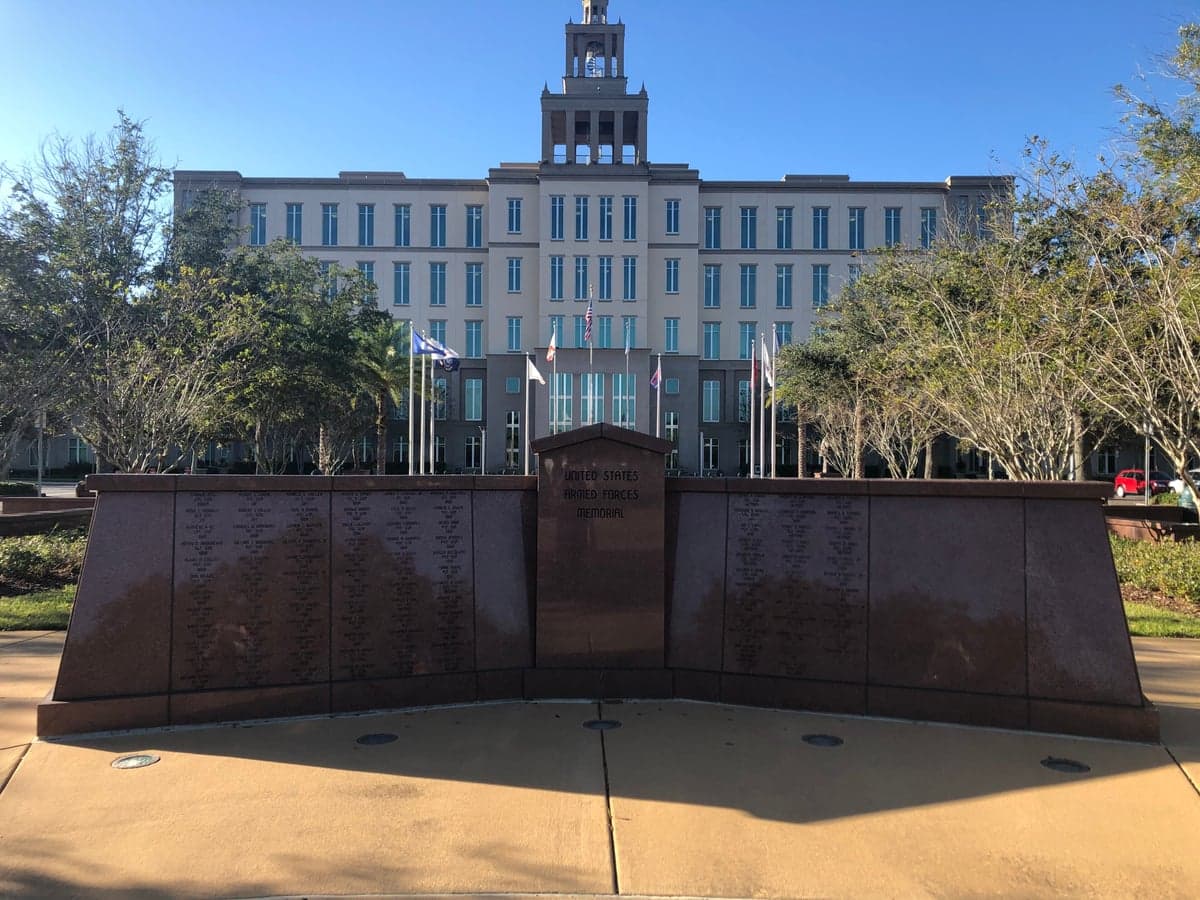
Photo: Wikipedia
Strategic Assessment of Seminole County
Meaningful friction. Expect exposure to either population pressure, blast zones, or natural disaster risk. Consider buying a retreat property.
What does the Strategic Assessment tell us?
Our Strategic Assessment grades tactical survivability of an area. Major population centers, military targets, fallout zones, natural disasters, and border exposure all drive risk — lower exposure means a more defensible position in a crisis.
This is heavily inspired by Joel Skousen's Strategic Relocation book. Highly recommended you checkout the book ($)What does this tell us?
Our Strategic Assessment grades tactical survivability of an area. Major population centers, military targets, fallout zones, natural disasters, and border exposure all drive risk — lower exposure means a more defensible position in a crisis.
This is heavily inspired by Joel Skousen's Strategic Relocation book. Highly recommended you checkout the book ($)Strategic Pillars
Key Distances
Strategic Assessment Analysis
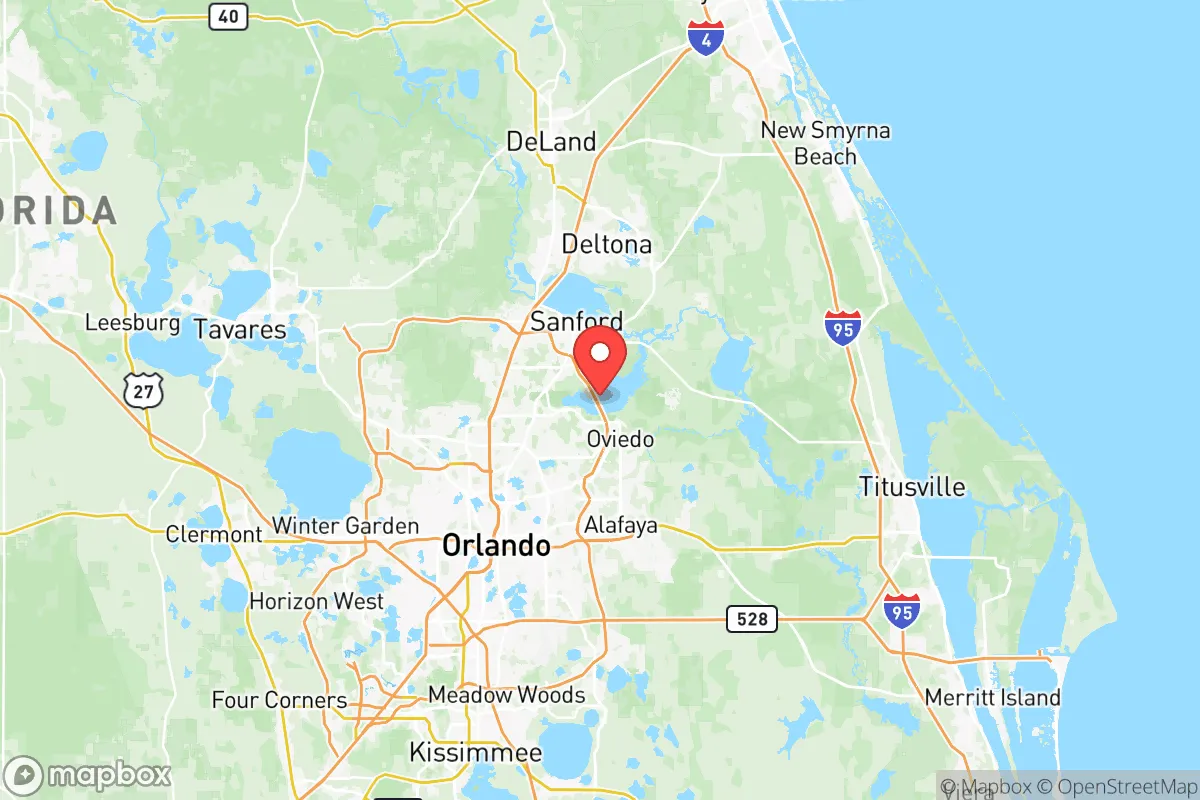
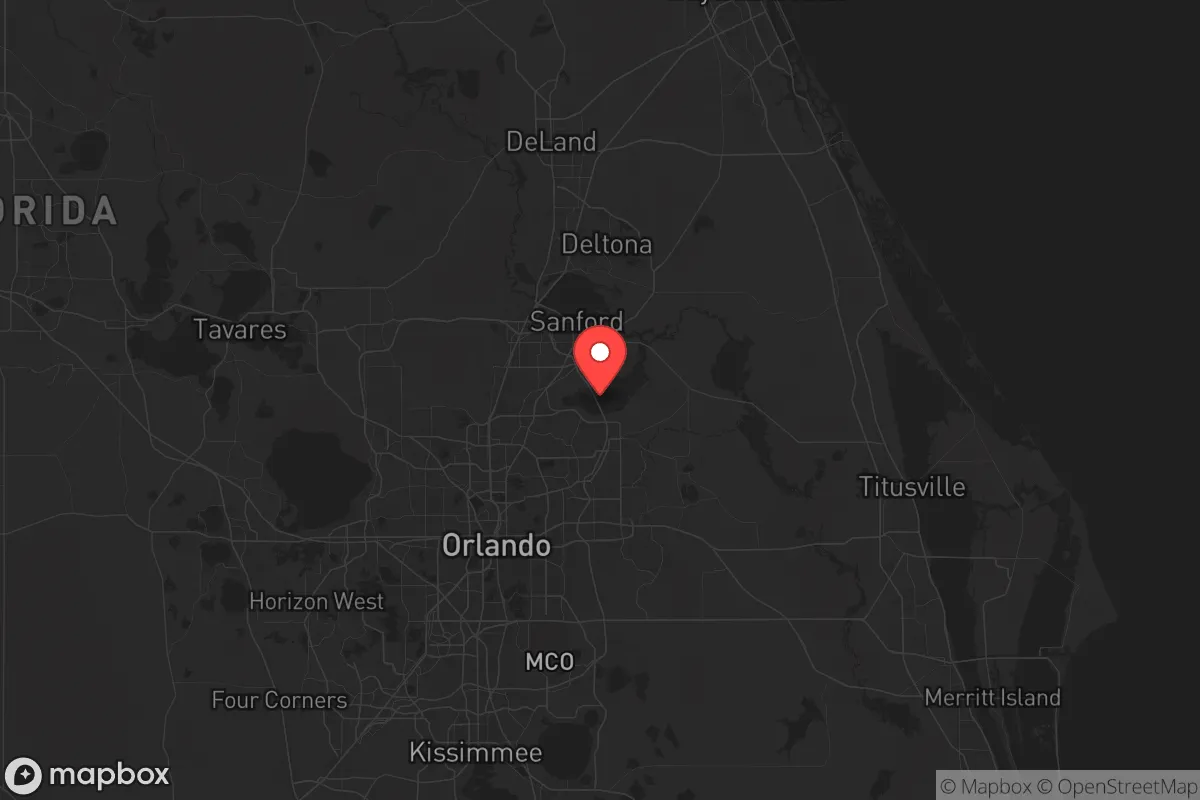
Seminole County, Florida, occupies a strategic position in the state’s central corridor, offering a blend of suburban stability and access to critical infrastructure that appeals to relocation-minded individuals and families with an eye toward long-term resilience. Located directly northeast of Orlando, the county benefits from being inland enough to avoid the most severe hurricane surge zones while remaining within a reasonable distance of major supply chains, medical centers, and transportation hubs. For a reader assessing disaster readiness and self-sufficiency, Seminole County presents a mixed picture: strong local governance and infrastructure, but with notable exposure to regional risks tied to its proximity to Orlando’s urban core and the state’s broader vulnerability to natural hazards.
Geographic position and natural advantages for long-term stability
Seminole County sits on a relatively stable geological foundation, with no significant seismic activity and a topography that is mostly flat but well-drained by the St. Johns River and its tributaries. The county’s inland location, roughly 40 miles from the Atlantic coast, reduces the direct impact of hurricane storm surge, though the area still experiences tropical storm-force winds and heavy rainfall during major events. The presence of the Wekiva River and the Econlockhatchee River provides natural water sources, and the county’s numerous springs and lakes—such as Lake Jesup and Lake Monroe—offer potential for supplemental water access in a grid-down scenario. The city of Sanford, the county seat, sits on the southern shore of Lake Monroe and has a historic downtown that serves as a logistical node. The area’s natural advantages are modest but real: it is not a floodplain for catastrophic surge, and its soils are generally suitable for small-scale agriculture, which is a plus for families interested in food self-sufficiency.
Risk exposure and proximity to fallout-relevant landmarks
The most significant risk for Seminole County relocators is its proximity to Orlando, a major metropolitan area of over 2.5 million people. In a national emergency or grid-down scenario, the county would face pressure from population movement out of the urban core, particularly along the I-4 corridor, which runs directly through the county. The Orlando International Airport and the region’s theme parks—while not direct fallout targets—are high-profile symbols that could draw secondary effects in a conflict scenario. Additionally, the county is within 100 miles of the Cape Canaveral Space Force Station and the Kennedy Space Center, which are potential military targets. On the industrial side, the Port of Tampa and the Port of Canaveral are both within a two-hour drive, and the region’s fuel terminals along the Gulf Coast could be disruption points. Seminole County itself has no major refineries or heavy industrial targets, which is a relative positive, but its position along major evacuation routes means that a relocator must plan for potential congestion and secondary risks from nearby infrastructure failures. The county’s emergency management is well-regarded, but the sheer density of the Orlando metro area amplates the consequences of any regional disruption.
Practical resilience for a relocator: food, water, energy, and defensibility
For a family or individual serious about self-sufficiency, Seminole County offers a mix of suburban and semi-rural options. The city of Oviedo, in the eastern part of the county, has a strong agricultural history and still hosts working farms and farmers’ markets, making it a practical base for those wanting to grow food or source locally. The county’s water supply is managed by the St. Johns River Water Management District, and many homes have access to well water in unincorporated areas, though most suburban developments rely on municipal systems. For energy resilience, solar adoption is growing, but the county’s grid is tied to the larger Florida power network, which has experienced outages during hurricanes. Defensibility is a challenge: Seminole County is not a remote or easily fortified location. Its population density (roughly 1,500 people per square mile in the urbanized areas) means that a relocator should prioritize a home on a larger lot, ideally with a well and septic system, in the more rural northern or eastern parts of the county near Geneva or Chuluota. These areas offer better separation from the Orlando sprawl and more room for independent water and food systems. The county’s law enforcement and fire services are robust, but in a prolonged emergency, reliance on local government support should not be assumed.
Overall, Seminole County is a reasonable choice for a relocator who wants to stay connected to Florida’s economic and medical infrastructure while maintaining a moderate level of disaster readiness. It is not a remote survivalist destination, but for a family that values community stability, good schools, and access to natural water sources, it offers a defensible middle ground. The key strategic trade-off is clear: you gain proximity to Orlando’s resources and jobs, but you also inherit its risks. For those willing to invest in home-based resilience—solar, well water, food storage, and a solid evacuation plan—Seminole County can serve as a long-term base that balances convenience with preparedness.

* Values derived from national, state, county, city and local statistics and may differ in a specific area. Last updated: 2026-10-23T18:43:48.000Z
Narrative content on this page is AI-generated and may contain mistakes. Verify any details that matter before acting on them.
ReloMaps may earn a commission from affiliate links at no extra cost to you.

