Photo: Wikipedia
Quality of Life in Florida
A livable area that tracks near national norms for affordability, walkability, and neighborhood health.
What does Quality of Life tell us?
Quality of Life measures an area by evaluating factors like cost of living, nearby amenities, country club access, airport proximity, socioeconomic signals and neighborhood character. For large states, this is a general average — quality of life can vary dramatically between metro areas, suburbs, and rural communities within the same state.
What does this tell us?
Quality of Life measures an area by evaluating factors like cost of living, nearby amenities, country club access, airport proximity, socioeconomic signals and neighborhood character. For large states, this is a general average — quality of life can vary dramatically between metro areas, suburbs, and rural communities within the same state.
Cost of Living
27% above national average
77%
The Real Cost of Living in Florida for 2026
| Tier | Individual | Family (4) |
|---|---|---|
| Survival | $25k | $47k |
| Comfortable | $63k | $93k |
| Luxury | $130k+ | $201k+ |
| Elite (Top 5%) | $172k+ | $266k+ |
Quality-of-Life Analysis
Florida offers one of the most diverse quality-of-life spectrums in the United States, ranging from hyper-urban 24-hour metros to quiet rural fishing villages and high-end luxury enclaves. With a statewide cost-of-living index of 127 (27% above the national average), a median home value of $325,000, and median rent of $1,564, the state presents a wide financial spread that attracts everyone from young professionals and retirees to seasonal residents and working families. The average commute of 28 minutes reflects the state's sprawling geography, where driving is often the only practical option outside of a few dense urban cores.
Major metros
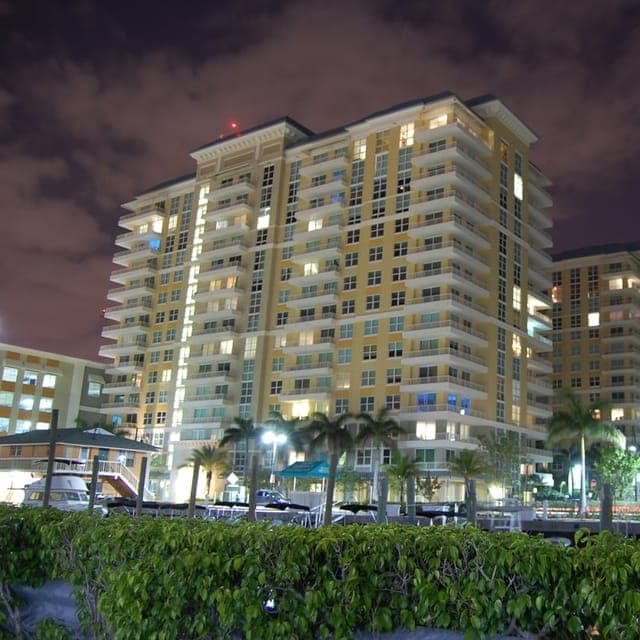
Florida's major metropolitan areas each project a distinct identity. Miami is the state's most international city, driven by finance, real estate, and Latin American trade, with a dense urban core and a notoriously high cost of living that pushes many workers to suburbs like Hialeah or Kendall. Orlando is anchored by tourism and hospitality, with a sprawling, car-dependent layout and a growing tech and healthcare sector around Lake Nona. Tampa offers a more balanced urban-suburban mix, with a revitalized downtown waterfront, a strong healthcare and finance economy, and a slightly lower cost of living than Miami. Jacksonville, the largest city by land area in the contiguous U.S., feels more like a collection of suburbs and beach towns, with a logistics and insurance industry base and a notably lower median home value near $300,000. Fort Lauderdale functions as both a bedroom community for Miami and a standalone city with a booming marine industry and a growing downtown skyline. Each metro attracts a different demographic: Miami draws international wealth and young professionals, Orlando pulls families and service workers, Tampa appeals to remote workers and retirees, and Jacksonville offers affordability for those priced out of South Florida.
Mid-size cities & college towns
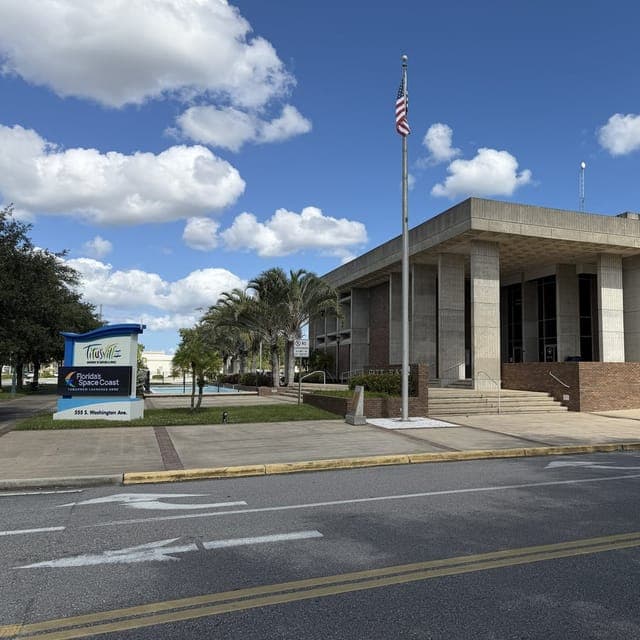
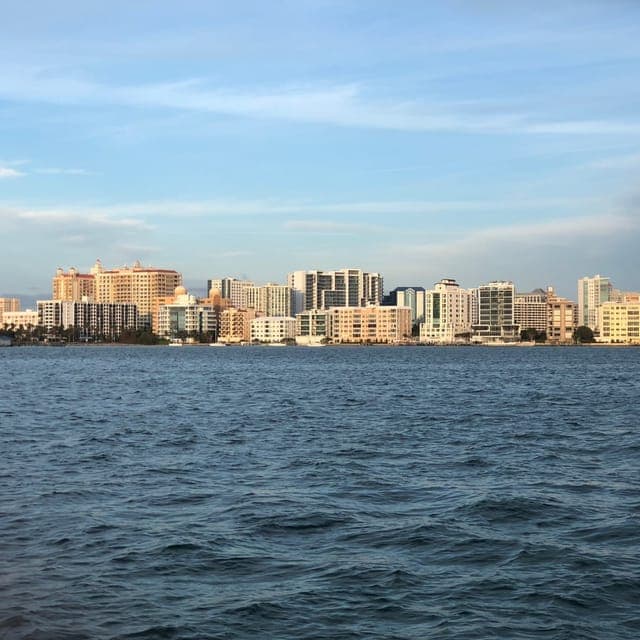
Beyond the big metros, Florida's mid-size cities and college towns offer a more manageable pace with distinct cultural and economic anchors. Gainesville, home to the University of Florida, is a classic college town with a young population, a strong healthcare sector anchored by UF Health, and a cost of living roughly 10% below the state average. Tallahassee, the state capital, combines government employment with Florida State University and Florida A&M, creating a stable job market and a slower, tree-lined atmosphere. Sarasota punches above its weight culturally with the Ringling Museum and a vibrant arts scene, attracting affluent retirees and snowbirds, though its median home value exceeds $450,000. Fort Myers and Cape Coral on the southwest coast offer a more affordable Gulf Coast alternative, with a median home value around $350,000 and a growing population of remote workers and retirees. Melbourne and Palm Bay on the Space Coast benefit from the aerospace industry around Kennedy Space Center and Patrick Space Force Base, offering a tech-oriented economy with home values still under $350,000 in many neighborhoods.
Small towns & rural areas
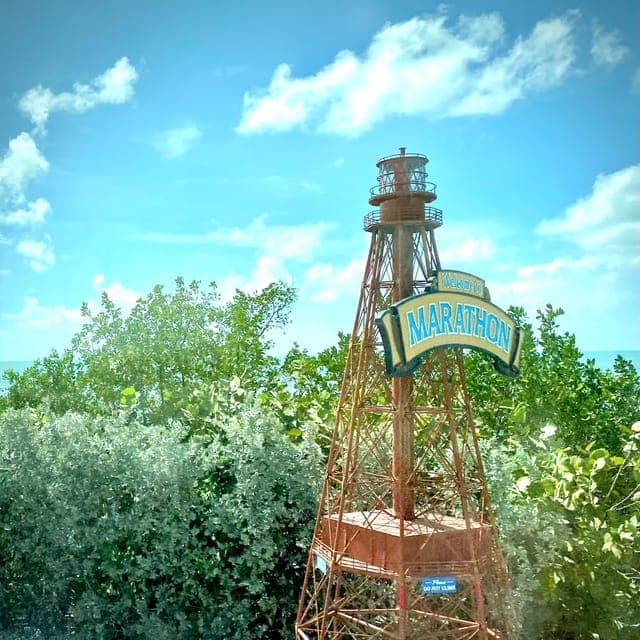
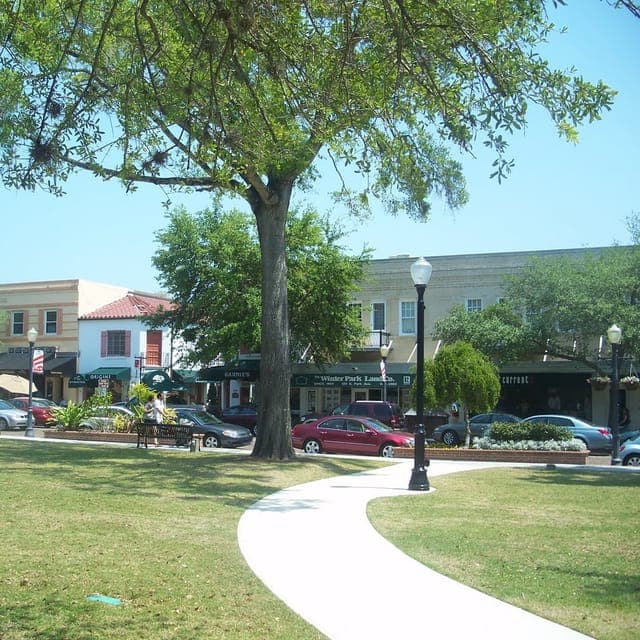
For those seeking a slower pace, Florida's small towns and rural areas provide a dramatically different lifestyle from the coastal metros. Mount Dora, northwest of Orlando, is a historic lakeside town with a walkable downtown and a strong sense of community, popular with retirees and weekenders. Cedar Key on the Gulf Coast is a tiny fishing village with no chain stores, where life revolves around the water and the pace is deliberately slow. Live Oak in the Suwannee River region offers a rural, agricultural lifestyle with a cost of living well below the state average and a population under 7,000. Apalachicola in the Panhandle is a historic oyster town with antebellum architecture and a remote feel, attracting artists and those seeking isolation. The Lake Okeechobee region, including towns like Clewiston and Belle Glade, is dominated by agriculture and fishing, with median home values often below $200,000 and a demographic profile that is predominantly working-class and Hispanic or African American. These areas appeal to people who prioritize space, quiet, and affordability over access to urban amenities.
Luxury vs. affordable living
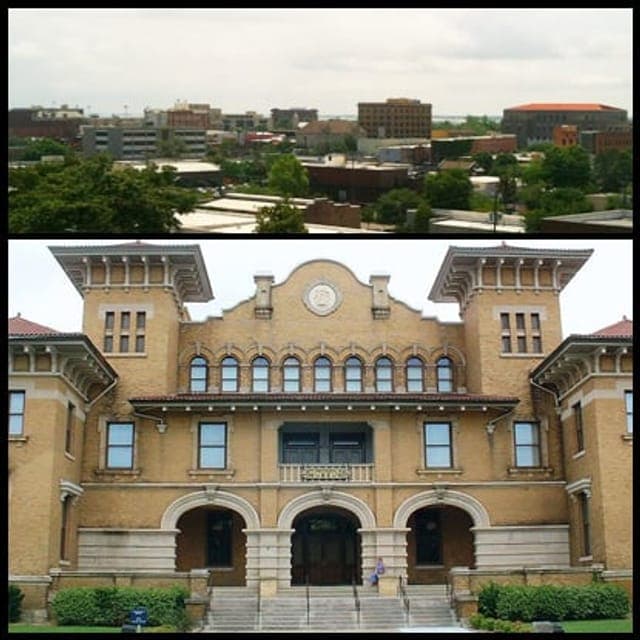
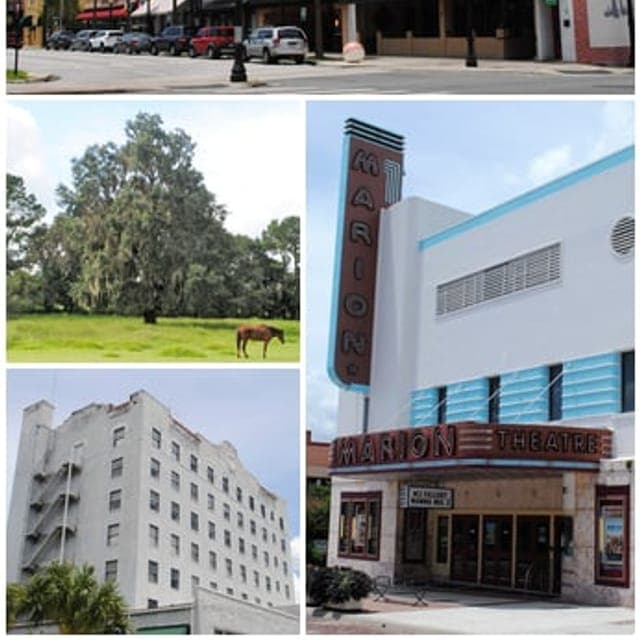
The gap between Florida's most expensive and most affordable areas is extreme. On the luxury end, Palm Beach is the state's wealthiest enclave, with median home values exceeding $1.5 million and a seasonal population of billionaires and corporate executives. Naples on the Gulf Coast offers high-end shopping, golf communities, and waterfront estates, with a median home value near $800,000. Fisher Island off Miami is accessible only by ferry and has the highest per-capita income in the country. Key West combines bohemian luxury with extreme real estate prices, where a small cottage can cost over $1 million. On the affordable end, Ocala in central Florida offers a median home value around $250,000 and a growing logistics and horse-farming economy. Lakeland, between Tampa and Orlando, has seen rapid growth but still maintains a median home value near $300,000. Pensacola in the Panhandle offers Gulf Coast living with a median home value under $280,000 and a strong military presence. Homestead, south of Miami, is one of the last affordable options in South Florida, with a median home value around $350,000 and a largely Hispanic, working-class population.
The practical reality is that Florida's quality-of-life options are stratified by geography and income. Young professionals and families who can afford it gravitate to the dense, amenity-rich cores of Miami and Tampa, while those seeking affordability often look inland to Ocala, Lakeland, or the Panhandle. Retirees split between high-end coastal enclaves like Sarasota and Naples and quieter, cheaper inland towns like The Villages or Mount Dora. The statewide cost-of-living index of 127 masks a range from roughly 95 in rural north Florida to over 150 in Palm Beach and Miami Beach, meaning a household's budget determines which tier of Florida is accessible. The average commute of 28 minutes is manageable in mid-size cities but can stretch to 45 minutes or more in the outer suburbs of Miami and Orlando, where affordable housing is increasingly distant from job centers.

Crime in Florida
Generally safer than 68% of comparable U.S. locations.
Violent CrimeViolent Crime Analysis
Property CrimeProperty Crime Analysis
Crime Analysis
Florida's overall crime landscape presents a mixed picture, with a violent crime rate of 207.9 incidents per 100,000 residents and a property crime rate of 901.5 per 100,000. These figures place the state slightly below the national average for violent crime but above it for property offenses, reflecting a safety environment that varies dramatically depending on where in the state one lives. The most significant safety concerns for newcomers center on property theft and the uneven enforcement of laws across different judicial districts.
Crime in context
Florida's violent crime rate of 207.9 per 100,000 is roughly 10% lower than the U.S. average of about 230 per 100,000, a gap that has widened since 2020 as some other states saw sharper increases. Property crime, however, runs higher than the national norm: the 901.5 rate exceeds the U.S. average of roughly 800 per 100,000, driven largely by vehicle theft and larceny in tourist-heavy corridors. The state's overall crime index has declined steadily since the early 2000s, but the distribution is uneven. Miami-Dade County and Orlando (Orange County) consistently report the highest raw numbers of violent incidents, while Naples and Marco Island in Collier County routinely post the lowest crime rates in the state. The gap between these extremes is wide: Naples averages roughly 60 violent crimes per 100,000, while parts of Miami exceed 600 per 100,000.
What residents experience
For most Floridians, property crime is the more tangible daily concern. Vehicle break-ins, package theft, and home burglaries are common complaints in suburban and urban areas alike, particularly in neighborhoods near major highways or tourist attractions. Violent crime tends to concentrate in specific corridors: Jacksonville's Northside, Tampa's Sulphur Springs area, and West Palm Beach's central districts see elevated rates of robbery and aggravated assault. A growing concern among residents is the effect of progressive prosecutorial policies in certain jurisdictions. In Orlando and Miami-Dade, where district attorneys have adopted diversion programs and reduced cash bail for non-violent offenders, property crime recidivism has ticked upward, and residents report a perception that the justice system prioritizes offender rehabilitation over public safety. This approach, while well-intentioned, has led to frustration among victims who see repeat offenders cycling through the system without meaningful consequences.
Neighborhood-level variation and judicial districts
Safety in Florida is highly localized, and the choice of neighborhood within a metro area can matter more than the city's overall statistics. In Fort Lauderdale, for example, the Victoria Park and Rio Vista neighborhoods report crime rates comparable to small towns, while the Sistrunk corridor sees rates three to four times higher. St. Petersburg shows a similar pattern: the Old Northeast and Snell Isle are among the safest urban neighborhoods in the state, while South St. Pete struggles with violent crime. Judicial district boundaries also play a role. The Ninth Judicial Circuit (Orange and Osceola counties) and the Eleventh Judicial Circuit (Miami-Dade) have adopted some of the most progressive bail and sentencing reforms in Florida, leading to higher rates of pretrial release for accused offenders. In contrast, the Twentieth Judicial Circuit (Collier, Lee, Hendry, and Glades counties) maintains a more traditional law-and-order approach, which correlates with lower recidivism and higher resident satisfaction with public safety. For families and retirees relocating to Florida, the safest strategy is to target municipalities with conservative judicial leadership and avoid the large metro cores where progressive district attorneys have deprioritized prosecution of property and drug crimes.
Top Cities for Quality of Life in Florida


* Values derived from national, state, county, city and local statistics and may differ in a specific area. Last updated: 2026-08-02T10:22:55.000Z
Narrative content on this page is AI-generated and may contain mistakes. Verify any details that matter before acting on them.
ReloMaps may earn a commission from affiliate links at no extra cost to you.

