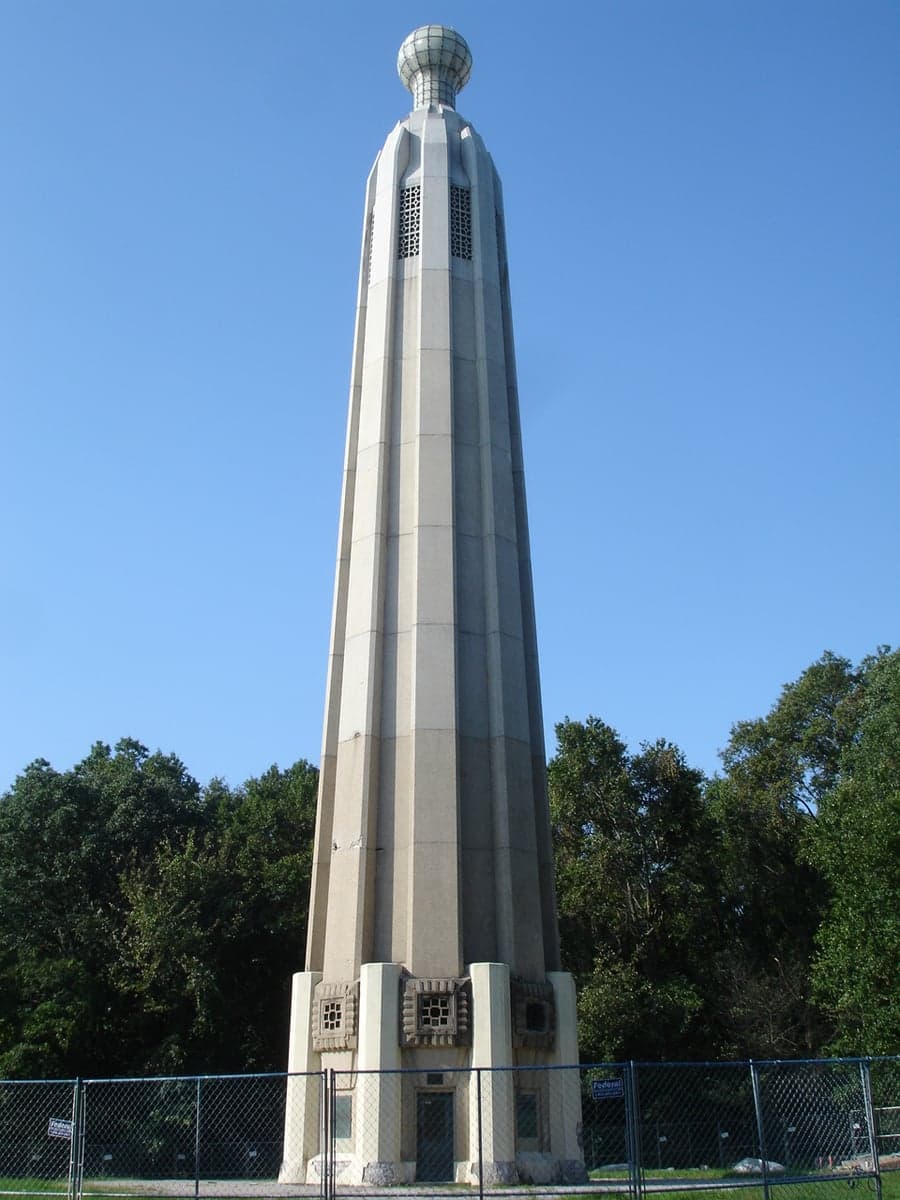
Photo: Wikipedia
Strategic Assessment of Edison, NJ
High tactical risk. This location is likely close to major population centers, strategic targets, or sits in a high-disaster corridor. A retreat property and careful exit planning is required.
What does the Strategic Assessment tell us?
Our Strategic Assessment grades tactical survivability of an area. Major population centers, military targets, fallout zones, natural disasters, and border exposure all drive risk — lower exposure means a more defensible position in a crisis.
This is heavily inspired by Joel Skousen's Strategic Relocation book. Highly recommended you checkout the book ($)What does this tell us?
Our Strategic Assessment grades tactical survivability of an area. Major population centers, military targets, fallout zones, natural disasters, and border exposure all drive risk — lower exposure means a more defensible position in a crisis.
This is heavily inspired by Joel Skousen's Strategic Relocation book. Highly recommended you checkout the book ($)Strategic Pillars
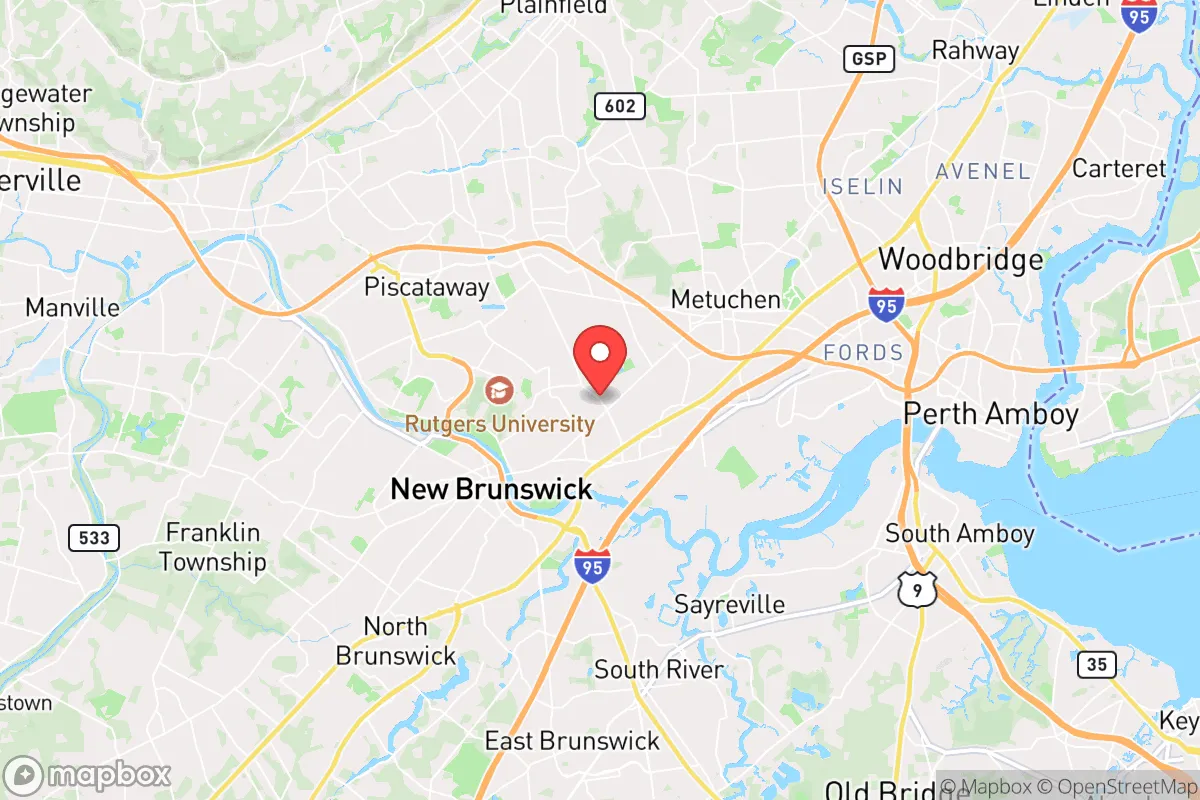
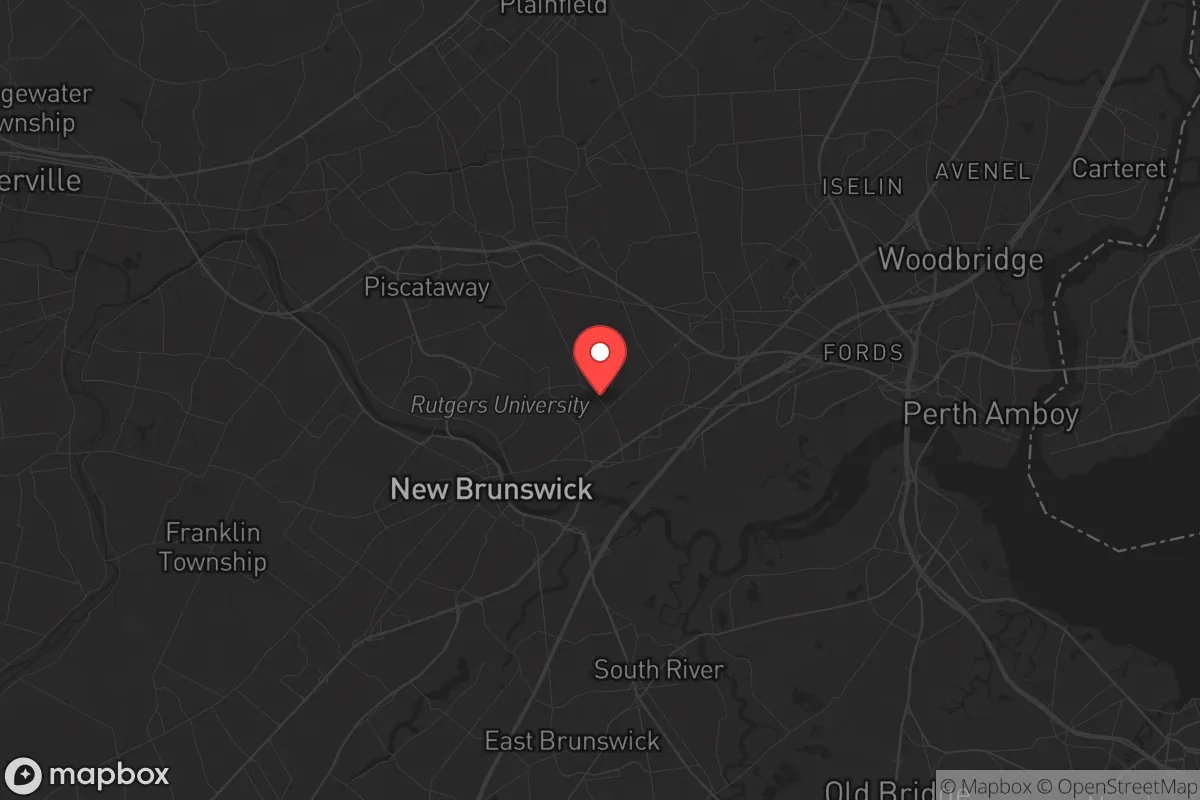
Key Distances
Regional Safe Places
Below is our recommended "safe zones" in New Jersey and the surrounding area based on our strategic heuristics. For most people, it's unrealistic to live in a “safe zone” full-time due to work, family or other personal reasons. They tend to be more rural. However, many of these areas are perfect for second homes and retreat properties that double as a vacation home or even a short-term rental.
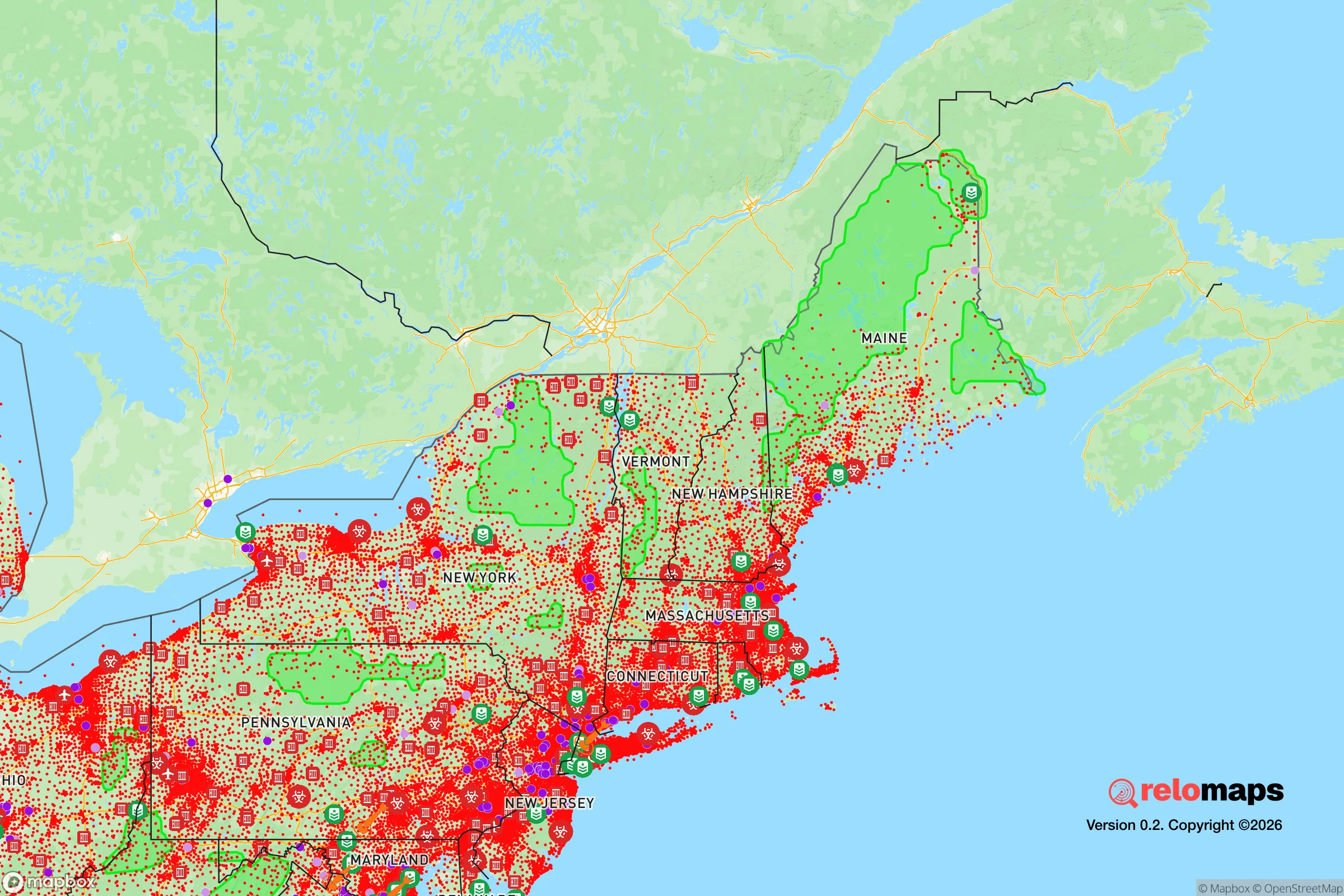
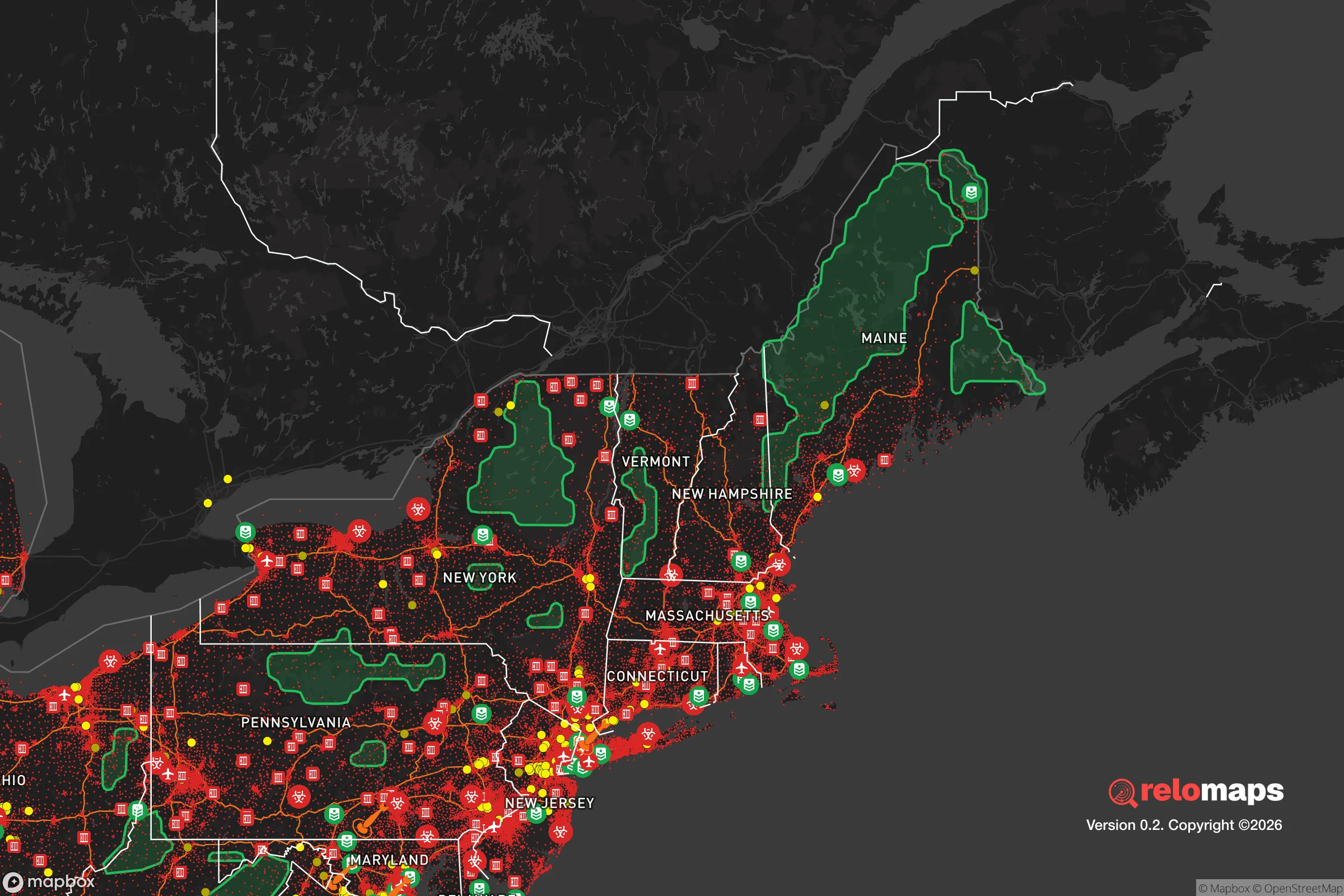


Important Note: For informational purposes only. This does not mean nothing bad ever happens in the green zones. Please use common sense. This is based on public data and modeled with AI. We tried to take a conservative approach but mistakes happen. We update this regularly as new information becomes available.
Solar Generator Recommendations
Backup power matters more here than in safer locations. We've picked three solar generators across budgets and capacity tiers — start with the budget unit if you only need a few essentials, or step up if you want to run a fridge and HVAC for days at a time.
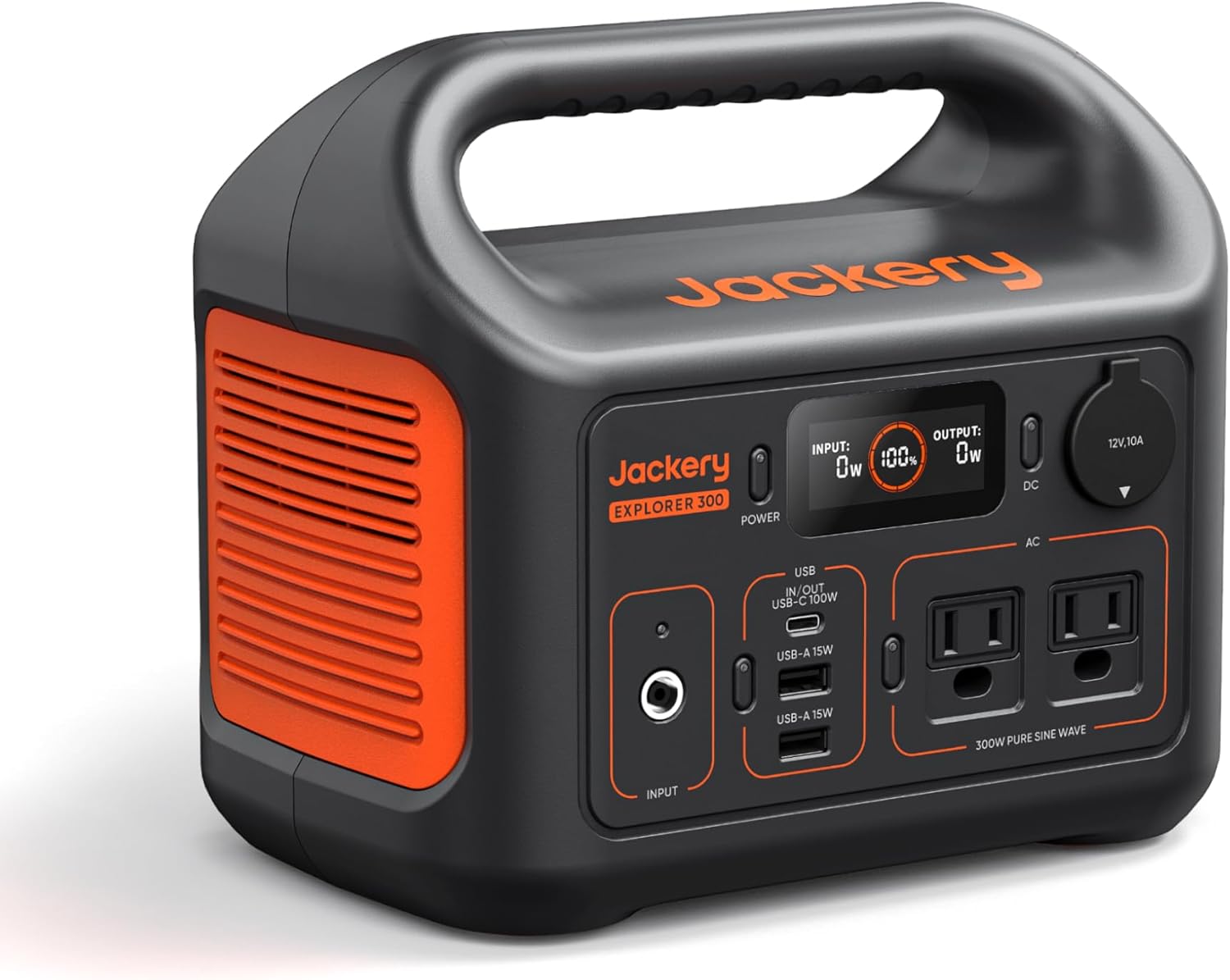
Jackery Portable Power Station Explorer 300
Budget OptionPower on the Go: Weighing only 11 lbs, it's convenient to set up and store with book-sized foldable solar panels

BLUETTI Portable Power Station AC180
Designed for both indoor and outdoor scenarios, AC180 is highly capable as it has a robost capacity and continuous output power.

EF ECOFLOW DELTA Pro Ultra Power Station
Upgraded PickEcoFlow DELTA Pro Ultra is a whole-home energy system designed to grow with your family. Integrated with the Smart Home Panel 2, it scales to meet your evolving energy needs — keeping your home powered, intelligent, and secure through every stage of life.
We earn a commission, at no additional cost to you.
Strategic Assessment Analysis
Edison, New Jersey, sits in a precarious but not hopeless position for the disaster-minded relocator. Its core strategic problem is density and proximity to New York City, but its core advantage is a robust local infrastructure and a surprisingly resilient economic base. For a family or individual weighing self-sufficiency against access to jobs and services, Edison offers a trade-off: you are 30 miles from a major target zone, but you are also 30 miles from the logistical chaos that follows any regional disruption. The town's real strength is not isolation—it is the redundancy of its surrounding systems.
Geographic position and natural advantages for long-term stability
Edison occupies a sweet spot in central New Jersey's Middlesex County, roughly equidistant from New York City to the northeast and Philadelphia to the southwest. That central location is a double-edged sword, but for resilience it means you are not on the immediate periphery of either metro's primary fallout corridor. The Raritan River runs along the town's southern edge, providing a natural water source, though it is not potable without treatment. The terrain is mostly flat, low-lying coastal plain, which is a disadvantage for defensibility but an advantage for agriculture—the surrounding farmland in neighboring Somerset and Hunterdon counties is some of the most productive in the state.
Geologically, Edison is not in a major earthquake zone, and its hurricane risk is moderate; the worst recent event was Superstorm Sandy in 2012, which caused widespread but temporary power outages. The town sits on the Newark Basin, which has no significant fault lines. Flooding is the primary natural hazard, particularly in the low-lying areas near the Raritan and its tributaries, such as the Woodbridge Creek and the Bound Brook floodplain. For a relocator, the practical takeaway is to avoid basements and first-floor living spaces in the southern half of town, and to treat the northern sections near the Metuchen border as higher ground.
Risks, exposures, and proximity to fallout-relevant landmarks
The strategic elephant in the room is Edison's proximity to the New York metropolitan area, which is a Tier-1 target in any major conflict scenario. The town is roughly 25 miles from Manhattan's core, placing it well within the moderate fallout zone for a ground burst on the city. Prevailing westerly winds in the region would carry fallout eastward, which actually works in Edison's favor—the town is west of the city, so it would see less direct contamination than Long Island or coastal Connecticut. However, the nearby infrastructure is a liability: the New Jersey Turnpike (I-95) and the Northeast Corridor rail line both run through Edison, and both are choke points that would be jammed or targeted in a crisis.
More immediate man-made risks come from the region's industrial density. Edison is home to several chemical and pharmaceutical facilities, including a major Bristol-Myers Squibb research campus, and the neighboring towns of Linden and Elizabeth host oil refineries and port facilities that are plausible secondary targets. The Raritan Bay and the Arthur Kill waterway are lined with tank farms and chemical storage. In a conventional conflict or a major industrial accident, the plume risk is real. The town's own emergency management is competent—Middlesex County has a well-funded OEM and a strong mutual-aid network with surrounding counties—but no amount of planning changes the physics of a chemical release or a nuclear detonation 25 miles away.
Practical resilience for a relocator: food, water, energy, and defensibility
For daily resilience, Edison is better than most suburban towns because of its sheer commercial density. The town has over a dozen major supermarkets, including multiple ShopRite, Wegmans, and H-Mart locations, and it sits at the center of the state's food distribution network—the nearby Port Newark and the Turnpike's trucking corridors mean grocery shelves restock faster here than in rural areas. A family can reasonably store two weeks of food without much effort, and the local farmers' markets in neighboring East Brunswick and Metuchen provide a seasonal supplement. The water supply comes from the Raritan Basin, treated by the Middlesex Water Company, which has backup generators and a decent track record during outages, though a long-term grid failure would still cut pumping.
Energy is the weak point. Edison is served by PSE&G, and the grid is aging; Sandy knocked out power for up to two weeks in parts of town. Natural gas is the primary heating fuel, and the pipeline network is robust but not hardened against a major event. For a serious relocator, a whole-house generator or a solid solar-plus-battery setup is not optional—it is the difference between riding out a week-long outage and evacuating. Defensibility is poor in the traditional sense; the town is flat, densely built, and crisscrossed by major roads, so it offers no natural chokepoints. However, its density is also a form of security: neighborhoods are tightly packed, which creates a natural neighborhood watch effect, and the police department is well-staffed and responsive. The town's crime rate is low, and the main threats are property crime and car theft, not violent confrontation.
The overall strategic picture for a disaster-minded relocator
Edison is not a bug-out location, and it never will be. It is a suburban hub with all the vulnerabilities of proximity to a major metro, and a serious analyst would not choose it as a primary retreat. But for a family that wants to stay employed, keep kids in good schools, and maintain a normal life while building a moderate level of preparedness, it is a defensible choice. The town's real value is its redundancy: multiple grocery options, a strong county-level emergency response, and a location that is far enough from the city to avoid the worst of a blast but close enough to benefit from its economic engine. The practical play is to treat Edison as a base of operations, not a fortress—store supplies, harden your home's energy systems, and have a secondary plan to move west into Pennsylvania or north into the Poconos if the situation degrades. That dual-track approach is the honest strategic assessment: Edison gives you a stable platform, but the plan must include an exit.

* Values derived from national, state, county, city and local statistics and may differ in a specific area. Last updated: 2026-11-13T06:02:11.000Z
Narrative content on this page is AI-generated and may contain mistakes. Verify any details that matter before acting on them.
ReloMaps may earn a commission from affiliate links at no extra cost to you.

