Quality of Life in Dutch Island, GA
A high quality of life with strong walkability, manageable living costs, healthy neighborhood signals, and solid amenity access.
What does Quality of Life tell us?
Quality of Life blends cost of living, nearby amenities, socioeconomic signals, and neighborhood character. City-level scores represent the whole municipality; individual neighborhoods can differ.
What does this tell us?
Quality of Life blends cost of living, nearby amenities, socioeconomic signals, and neighborhood character. City-level scores represent the whole municipality; individual neighborhoods can differ.
Cost of Living
54% above national average
The Real Cost of Living in Dutch Island, GA for 2026
| Tier | Individual | Family (4) |
|---|---|---|
| Survival | $22k | $41k |
| Comfortable | $113k | $167k |
| Luxury | $279k+ | $432k+ |
| Elite (Top 5%) | $328k+ | $508k+ |
111%
* median rent substituted from county-level data — local Census figures unavailable for small populations
The Area Signal
A metric tracking the socioeconomic signals of the area.
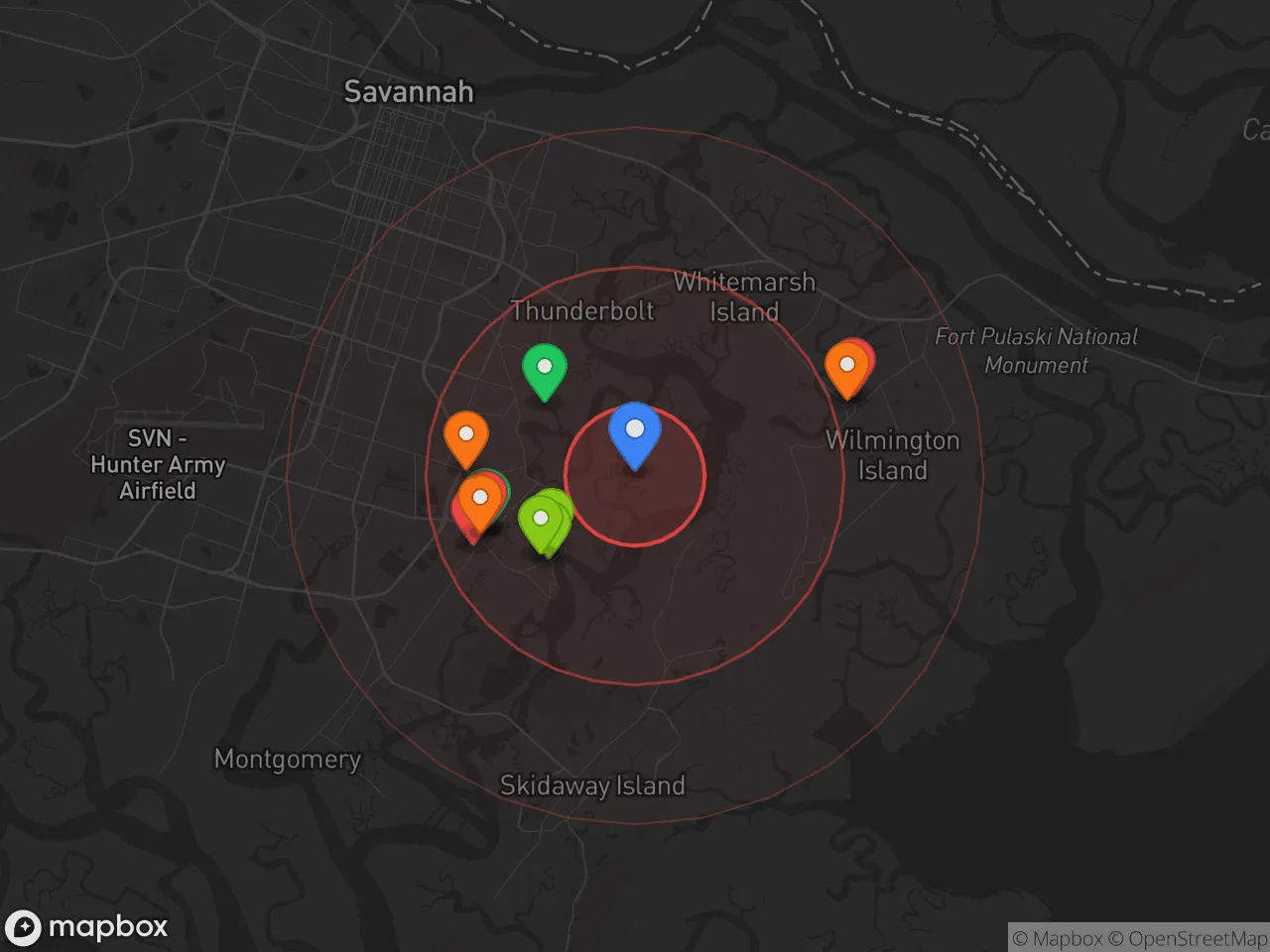
Hobbies
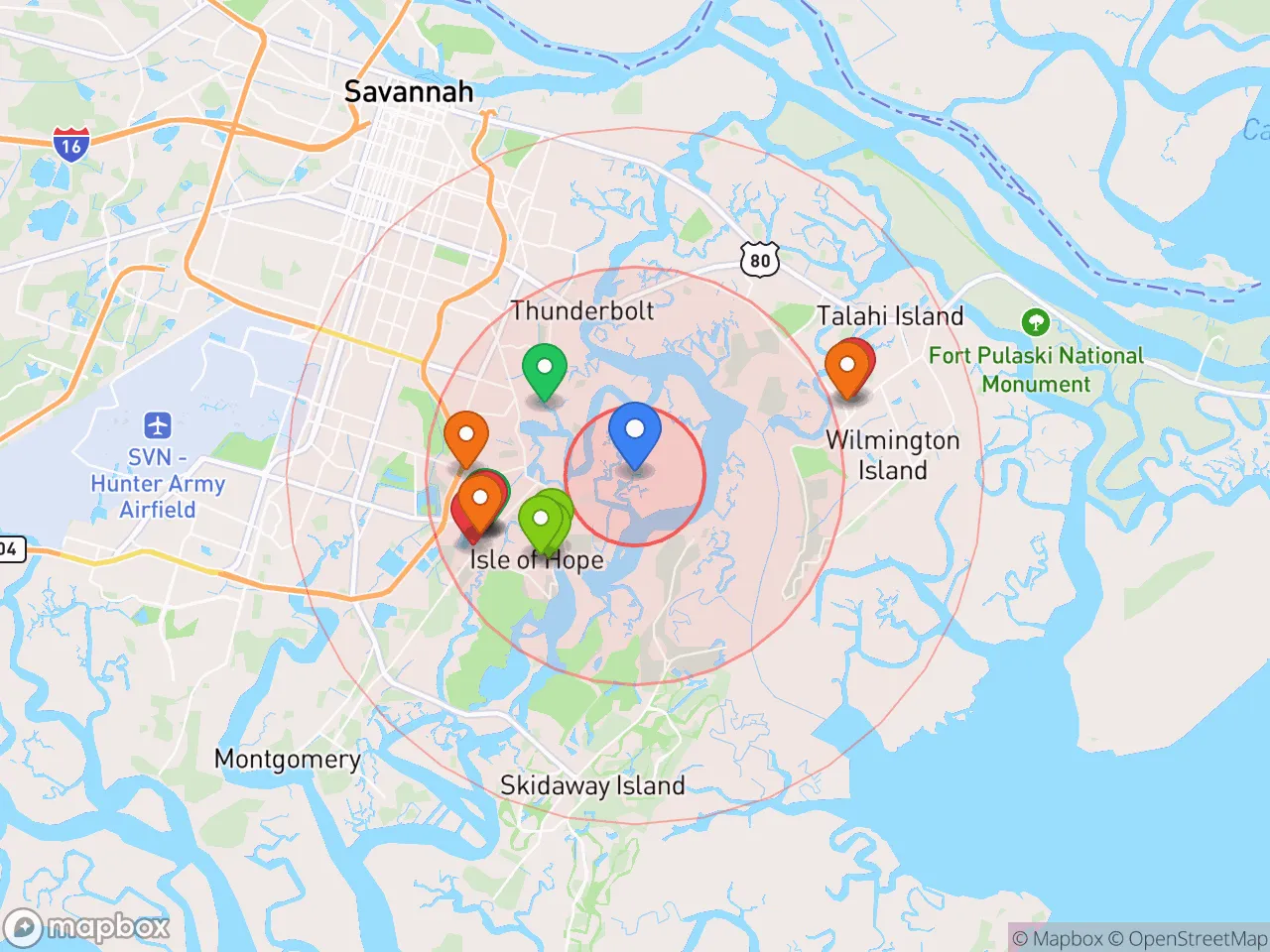
Explore the areaGroceries
0 within 10 miles
Gas
0 within 10 miles
Hospital
0 within 20 miles
Airport
CLT — Charlotte Douglas International
Post Office
Critical Amenities
Quality-of-Life Analysis
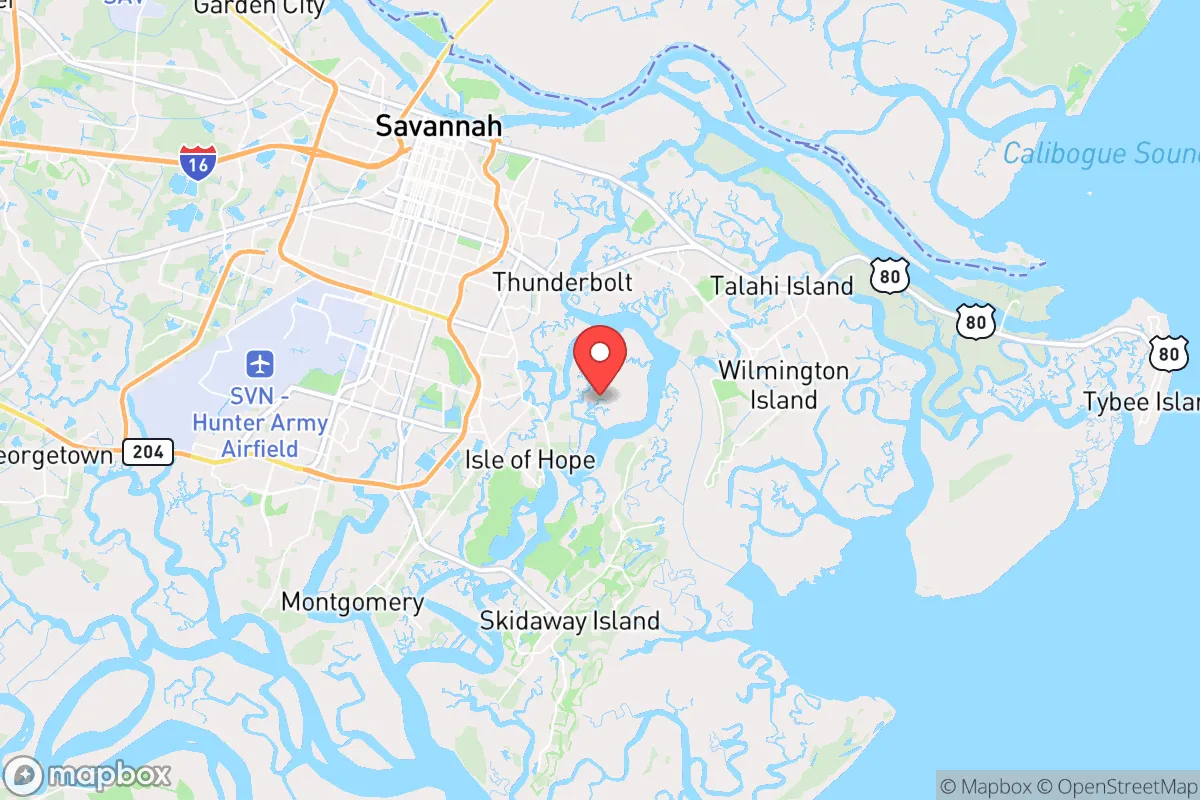
Dutch Island, Georgia, is an affluent, master-planned community located just outside Savannah, defined by its high cost of living and a demographic profile that skews toward established professionals, retirees, and families seeking a suburban sanctuary with strong community ties. With a cost of living index of 154—well above the national average of 100—the area commands a median home value of $584,000, placing it among the priciest residential enclaves in the Savannah metropolitan region. The typical resident is a homeowner in their 40s or older, often working in management, healthcare, or professional services, drawn by the promise of low crime, top-rated schools, and a slower pace of life within striking distance of the city.
Cost of living, housing, and how Dutch Island compares to nearby areas
Dutch Island's cost of living is roughly 54% higher than the U.S. average, driven almost entirely by elevated housing costs. The median home value of $584,000 is more than double the Savannah metro median of roughly $280,000 and significantly higher than in neighboring communities like Pooler or Richmond Hill. Renting is a more affordable entry point, with a median rent of $1,382, which is closer to the national average but still above the Savannah metro median of about $1,200. The average commute of 22.7 minutes is shorter than the national average of 26 minutes, reflecting Dutch Island's convenient location near major employers in Savannah and the I-95 corridor. Property taxes in Chatham County are moderate, but homeowners here pay a premium for the area's exclusivity, gated security, and access to private amenities like golf courses and clubhouses. For buyers accustomed to suburban pricing in Atlanta or Charleston, Dutch Island offers relative value; for those coming from the broader Savannah market, it represents a significant financial stretch.
Amenities, schools, and what daily life is like for families
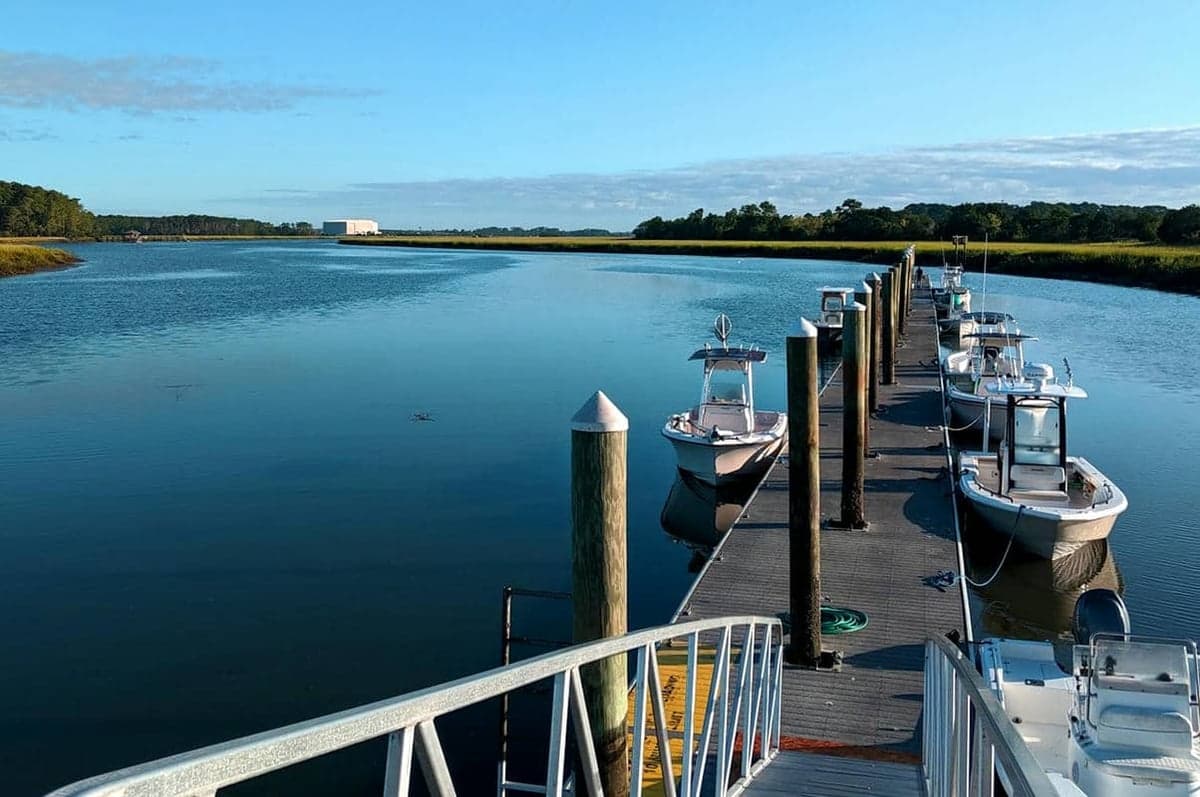
Daily life in Dutch Island revolves around its private, resort-style amenities, including an 18-hole golf course, tennis courts, swimming pools, and a clubhouse that serves as a social hub. The community is served by the Savannah-Chatham County Public School System, with students typically attending Islands Elementary School, Coastal Middle School, and Islands High School—all rated above average by the Georgia Department of Education. For shopping and dining, residents drive 10–15 minutes to the commercial corridors of Whitemarsh Island or downtown Savannah, where they find grocery stores, medical offices, and a range of restaurants. The area's natural setting along the Wilmington River provides opportunities for boating, fishing, and kayaking, and the nearby Savannah National Wildlife Refuge offers hiking and birdwatching. The rhythm of life is quiet and neighborly, with community events like holiday parades and golf tournaments fostering a strong sense of belonging. While nightlife is minimal, the proximity to Savannah's historic district—about a 20-minute drive—means cultural and entertainment options are never far away.
Dutch Island is best suited for buyers who prioritize safety, space, and a tight-knit suburban community over urban convenience or lower housing costs. It appeals strongly to families with school-age children, empty nesters downsizing from larger homes, and remote workers who can afford the premium for a high-amenity lifestyle. Those on a tight budget, seeking walkable urban living, or desiring a diverse social scene may find the area isolating or financially out of reach. For the right household, however, Dutch Island delivers a rare combination of privacy, recreation, and proximity to Savannah that justifies its elevated price tag.

Crime in Dutch Island, GA
Generally safer than 56% of comparable U.S. locations.
Violent CrimeViolent Crime Analysis
Property CrimeProperty Crime Analysis
Crime Analysis
Dutch Island, Georgia, presents a mixed safety profile that demands careful consideration from potential residents. The community's violent crime rate stands at 262 incidents per 100,000 residents, while property crime occurs at a rate of 1,236.6 per 100,000. These figures place Dutch Island in a challenging position relative to national averages, particularly given its proximity to the larger Savannah metropolitan area, where progressive prosecutorial policies have raised concerns about public safety outcomes.
Crime in context
When measured against both state and national benchmarks, Dutch Island's crime statistics warrant attention. The violent crime rate of 262 per 100,000 is approximately 25% lower than the national average of roughly 380 per 100,000, but remains a meaningful concern for a community of its size. Property crime, however, tells a more troubling story: the rate of 1,236.6 per 100,000 exceeds the national average by roughly 15-20%, placing Dutch Island above the typical risk level for theft, burglary, and vehicle-related offenses. These numbers reflect broader trends seen across the Savannah metropolitan region, where lenient sentencing practices and progressive district attorney policies in Chatham County have been linked to elevated recidivism and reduced deterrent effects. Residents should understand that while violent crime is not epidemic here, the property crime environment is notably worse than what most Americans experience in their communities.
What residents experience
Daily life in Dutch Island involves navigating a security landscape shaped by its position within a larger metro area with a liberal-leaning justice system. The elevated property crime rate means that residents face a roughly 1-in-81 annual chance of experiencing a property crime, compared to a national average closer to 1-in-100. This translates to practical concerns: package theft, vehicle break-ins, and burglaries are more common than in safer suburban enclaves. The violent crime rate, while below national averages, still produces a 1-in-382 annual risk of experiencing an assault, robbery, or similar offense. These risks are compounded by the broader regional context, where progressive prosecutorial policies in Savannah and Chatham County have been criticized for prioritizing offender rehabilitation over public safety, potentially allowing repeat offenders to remain on the streets. For families and individuals considering relocation, this means that standard precautions—secure home entry systems, neighborhood watch participation, and avoidance of high-risk areas after dark—are not optional but essential.
Neighborhood-level variation
Crime in Dutch Island is not distributed evenly across the community. Areas closer to the Savannah city limits and major transportation corridors tend to experience higher rates of both property and violent crime, while more interior, residential pockets—particularly those with limited through-traffic and active homeowners associations—report lower incident rates. Properties near commercial zones and apartment complexes generally see more frequent police calls for service, while single-family home subdivisions with private security or gated access show markedly better safety outcomes. Prospective residents should examine block-level crime maps and consult with local law enforcement about specific addresses, as the difference between a relatively safe street and a higher-risk block can be substantial within this community. The overarching concern remains the regional justice environment: even in safer neighborhoods, the spillover effects of progressive prosecutorial policies in the broader metro area mean that criminals apprehended in Dutch Island may face minimal consequences, reducing the long-term deterrent effect of law enforcement efforts.
* Values derived from national, state, county, city and local statistics and may differ in a specific area. Last updated: 2026-07-14T18:17:41.000Z
Narrative content on this page is AI-generated and may contain mistakes. Verify any details that matter before acting on them.
ReloMaps may earn a commission from affiliate links at no extra cost to you.

