
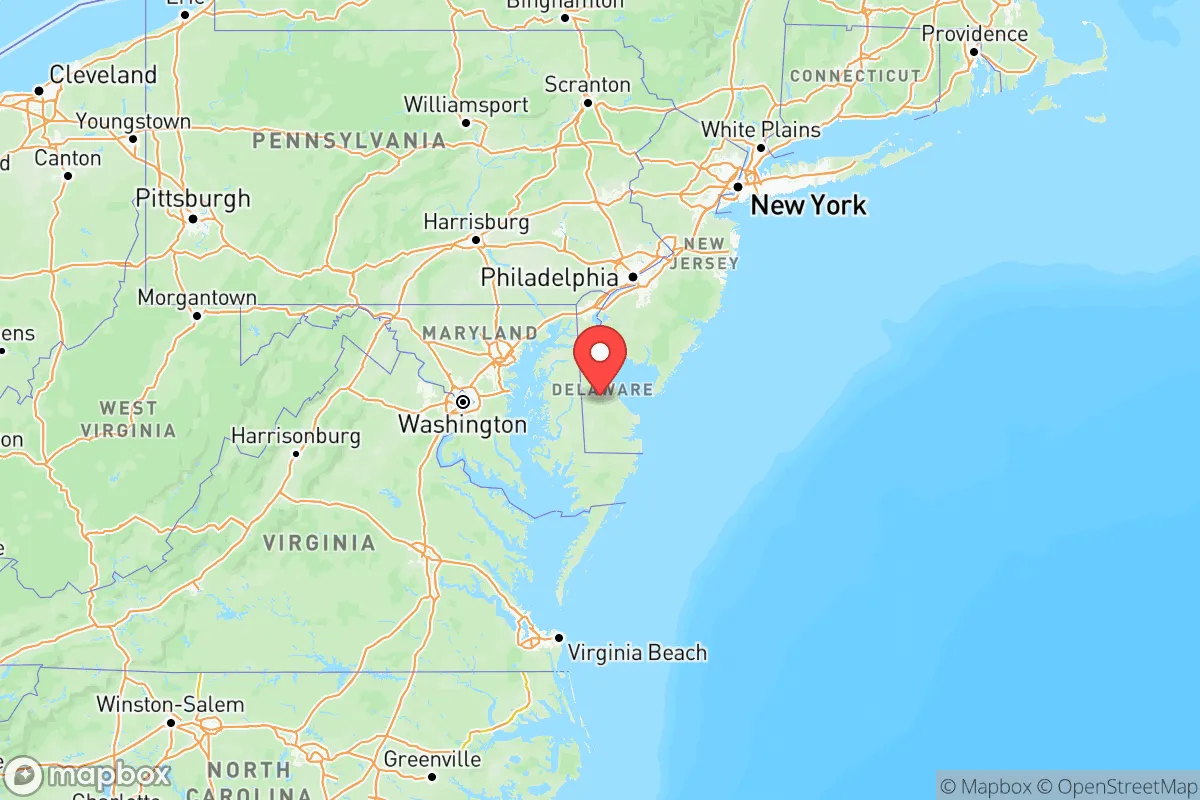
Photo: Wikipedia
Strategic Assessment of Delaware
Multiple tactical vulnerabilities. Population density, target proximity, or disaster risk are likely compounding. A retreat property and exit planning is required.
What does the Strategic Assessment tell us?
Our Strategic Assessment grades tactical survivability of an area. Major population centers, military targets, fallout zones, natural disasters, and border exposure all drive risk — lower exposure means a more defensible position in a crisis.
This is heavily inspired by Joel Skousen's Strategic Relocation book. Highly recommended you checkout the book ($)What does this tell us?
Our Strategic Assessment grades tactical survivability of an area. Major population centers, military targets, fallout zones, natural disasters, and border exposure all drive risk — lower exposure means a more defensible position in a crisis.
This is heavily inspired by Joel Skousen's Strategic Relocation book. Highly recommended you checkout the book ($)Regional Safe Places
Below is our recommended "safe zones" in Delaware and the surrounding area based on our strategic heuristics. For most people, it's unrealistic to live in a “safe zone” full-time due to work, family or other personal reasons. They tend to be more rural. However, many of these areas are perfect for second homes and retreat properties that double as a vacation home or even a short-term rental.
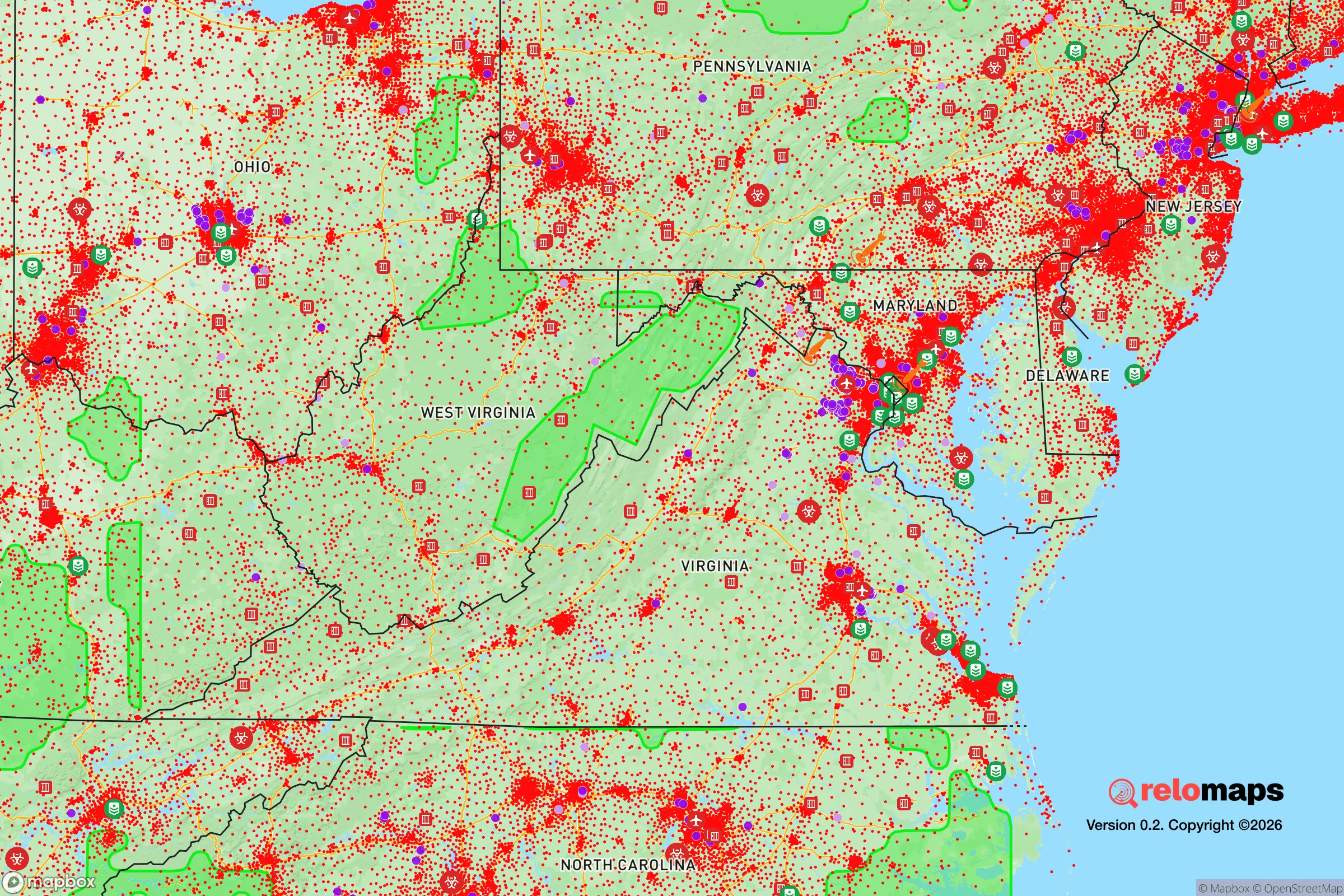
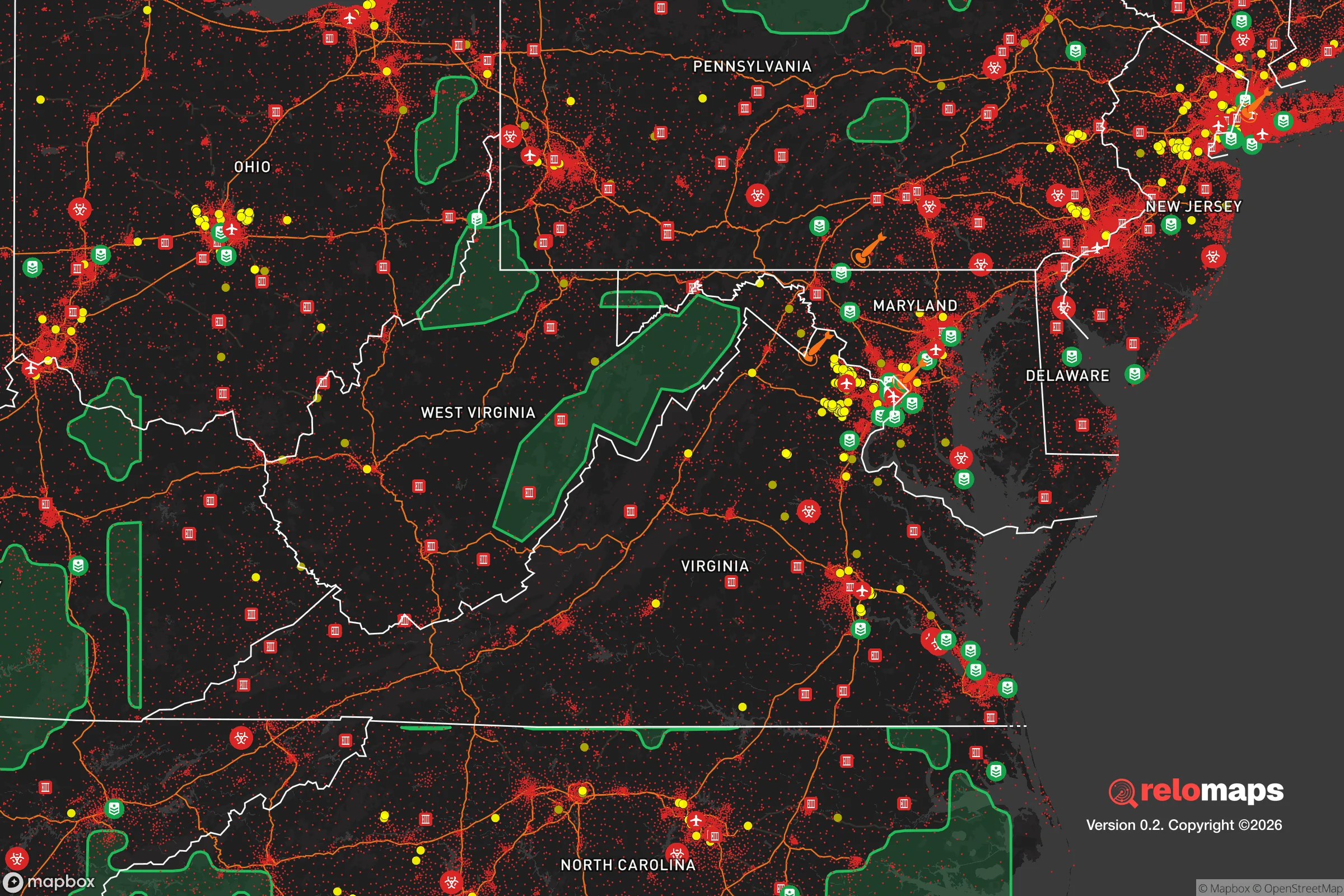


Important Note: For informational purposes only. This does not mean nothing bad ever happens in the green zones. Please use common sense. This is based on public data and modeled with AI. We tried to take a conservative approach but mistakes happen. We update this regularly as new information becomes available.
Solar Generator Recommendations
Backup power matters more here than in safer locations. We've picked three solar generators across budgets and capacity tiers — start with the budget unit if you only need a few essentials, or step up if you want to run a fridge and HVAC for days at a time.

Jackery Portable Power Station Explorer 300
Budget OptionPower on the Go: Weighing only 11 lbs, it's convenient to set up and store with book-sized foldable solar panels

BLUETTI Portable Power Station AC180
Designed for both indoor and outdoor scenarios, AC180 is highly capable as it has a robost capacity and continuous output power.

EF ECOFLOW DELTA Pro Ultra Power Station
Upgraded PickEcoFlow DELTA Pro Ultra is a whole-home energy system designed to grow with your family. Integrated with the Smart Home Panel 2, it scales to meet your evolving energy needs — keeping your home powered, intelligent, and secure through every stage of life.
We earn a commission, at no additional cost to you.
Strategic Assessment Analysis
Delaware offers a surprisingly resilient strategic position for those prioritizing security and self-sufficiency, but it comes with significant trade-offs that demand careful consideration. The state’s compact size and location along the I-95 corridor provide rapid access to critical infrastructure, yet its proximity to major population centers and industrial targets introduces real vulnerabilities. For a conservative-leaning relocator focused on preparedness—whether for civic unrest, economic collapse, or mass casualty events—Delaware is a mixed bag: strong on legal flexibility and resource access, but weak on geographic isolation and fallout security.
Geographic position and natural advantages for long-term security
Delaware’s geography is defined by its position on the Delmarva Peninsula, bordered by the Delaware River, Delaware Bay, and Atlantic Ocean. This creates a natural buffer: the state is not a primary corridor for cross-country migration during a crisis, which reduces the risk of mass displacement flows. The northern counties—New Castle County, home to Wilmington—are dense and urbanized, but the central and southern regions, particularly Dover (the capital) and Sussex County (including Georgetown and Lewes), offer more rural, low-population-density terrain. The flat coastal plain means no mountainous defensibility, but the extensive network of tidal creeks, marshes, and farmland provides natural chokepoints and concealment for those who know the land. The state’s small size—only 96 miles long—means you can reach the Atlantic, the Chesapeake Bay, or the Pennsylvania border in under two hours, which is a logistical advantage for resupply or evacuation. However, that same compactness means there’s no deep interior to retreat into; you’re always within striking distance of a major highway or waterway.
Risks, exposures, and proximity to fallout-relevant landmarks
This is where Delaware’s strategic picture gets complicated. The state sits directly adjacent to some of the most high-value targets on the East Coast. Wilmington is less than 30 miles from Philadelphia—a major population center, port, and refinery hub. The Delaware River itself hosts the Delaware City Refinery (a PBF Energy facility) and the Port of Wilmington, which handles container cargo, petroleum, and chemicals. In a mass casualty event—whether from a terrorist attack, EMP, or conventional strike—these are prime targets. Fallout patterns from a detonation in Philadelphia or a refinery explosion could easily drift over northern Delaware, especially with prevailing westerly winds. The Salem Nuclear Generating Station in New Jersey sits just across the Delaware River, roughly 10 miles from Wilmington; a containment breach there would render much of New Castle County uninhabitable for years. Southern Delaware is safer from direct blast effects, but the Dover Air Force Base—home to the 436th Airlift Wing and the Air Force Mortuary Affairs Operations—is a clear military target. Its presence brings both security (rapid military response) and risk (it’s a high-priority strike point). For a prepper, the proximity to these landmarks means you cannot rely on northern Delaware as a safe haven. The southern counties, particularly around Georgetown and Lewes, offer better standoff distance, but even there, the flat terrain means fallout could travel far. You’d need a robust shelter plan—basement, underground bunker, or at minimum a sealed safe room with HEPA filtration.
Practical resilience for a relocator: food, water, energy, and defensibility
On the practical side, Delaware has real strengths for a self-sufficient lifestyle. The state has no sales tax, which is a financial resilience factor—your supplies and gear cost less to stockpile. Property taxes are moderate, and land in Sussex County is still relatively affordable compared to the Northeast corridor. Food resilience is excellent: Delaware is a major agricultural producer, especially for poultry (Perdue and Mountaire have large operations in Sussex County), corn, and soybeans. You can buy directly from farms or join a CSA without traveling far. The extensive coastline means seafood is abundant—crabbing, clamming, and fishing in the Delaware Bay and Atlantic are viable year-round protein sources. Water resilience is strong: the water table is high across most of the state, so shallow wells are feasible in rural areas. The Delaware Aquifer is a reliable source, but you’ll need a hand pump or solar-powered system for off-grid operation. Energy resilience is a mixed picture: the grid is tied to PJM Interconnection, which is generally stable, but the state’s flat terrain and coastal exposure mean solar panels are effective (no mountain shading), and wind is consistent near the coast. However, the lack of natural gas infrastructure in rural areas means many homes rely on propane or heating oil—stockpile accordingly. Defensibility is the weakest link. Delaware has no mountains, no dense forests, and no natural barriers to movement. A determined group could traverse the state in a day by vehicle. Your best bet is a rural property with a long driveway, good sightlines, and neighbors you trust. The state’s gun laws are relatively permissive—no permit required for open carry, and concealed carry is shall-issue—which is a plus for self-defense. But the lack of terrain cover means you’d rely on standoff distance and early warning systems, not natural fortifications.
The overall strategic picture for Delaware is one of calculated compromise. If you’re a single individual or a family looking for a low-tax, agriculturally rich area with legal flexibility and access to both ocean and farmland, the southern half of the state—Sussex County, around Georgetown or Lewes—offers a viable base of operations. You’ll have food, water, and energy options that many inland states lack. But you cannot ignore the elephant in the room: the state’s proximity to Philadelphia, the Delaware City Refinery, the Salem nuclear plant, and Dover Air Force Base means that a major event—whether a terrorist strike, industrial accident, or military conflict—could turn northern Delaware into a no-go zone within hours. Your survival plan must account for evacuation routes south or across the Chesapeake Bay Bridge (which itself is a single-point-of-failure chokepoint). For the prepper who values isolation and deep defensibility, Delaware is not the answer. But for the relocator who wants a balance of resource access, legal freedom, and coastal living—with a clear-eyed understanding of the risks—it’s a contender worth scouting in person. Just don’t buy north of the C&D Canal unless you have a bunker and a fast boat.

Top 10 Cities by Strategic Assessment in Delaware
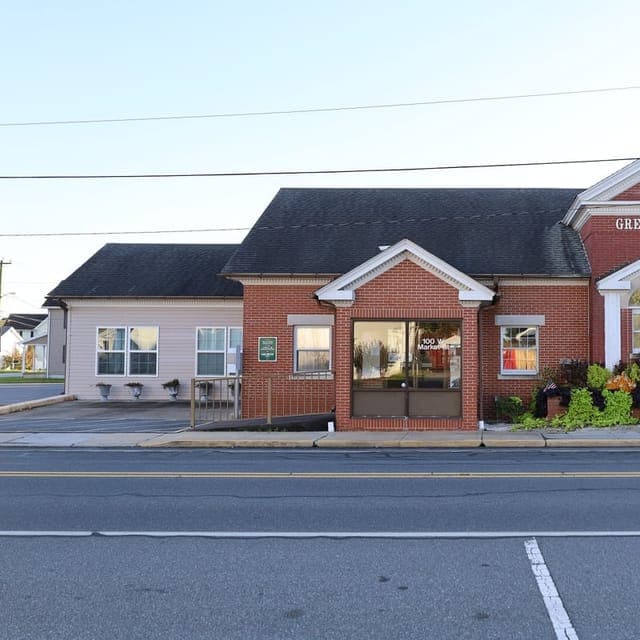
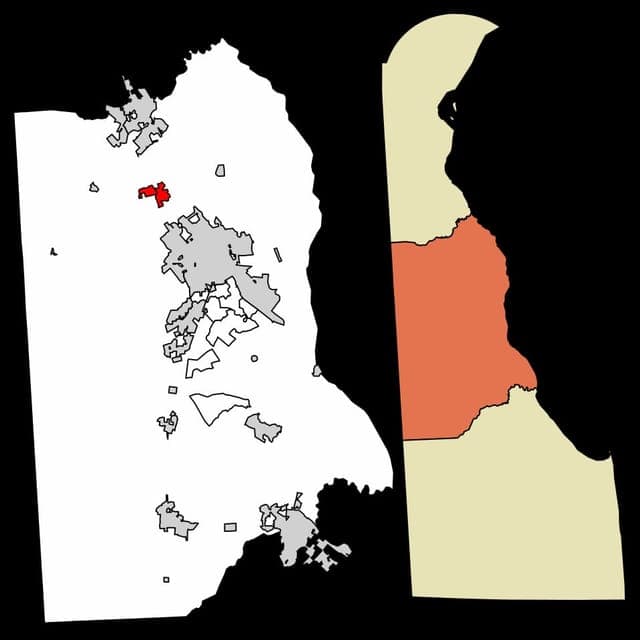
* Values derived from national, state, county, city and local statistics and may differ in a specific area. Last updated: 2026-04-18T22:17:47.000Z
Narrative content on this page is AI-generated and may contain mistakes. Verify any details that matter before acting on them.
ReloMaps may earn a commission from affiliate links at no extra cost to you.

