
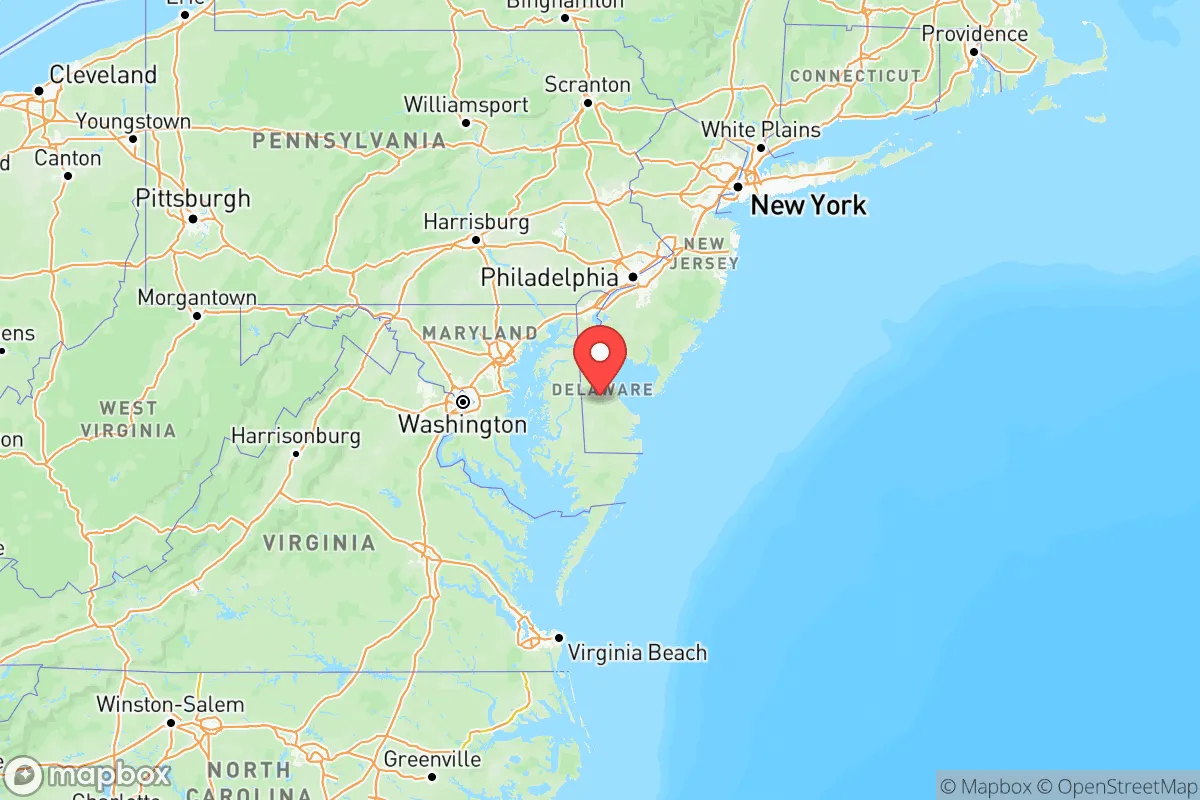
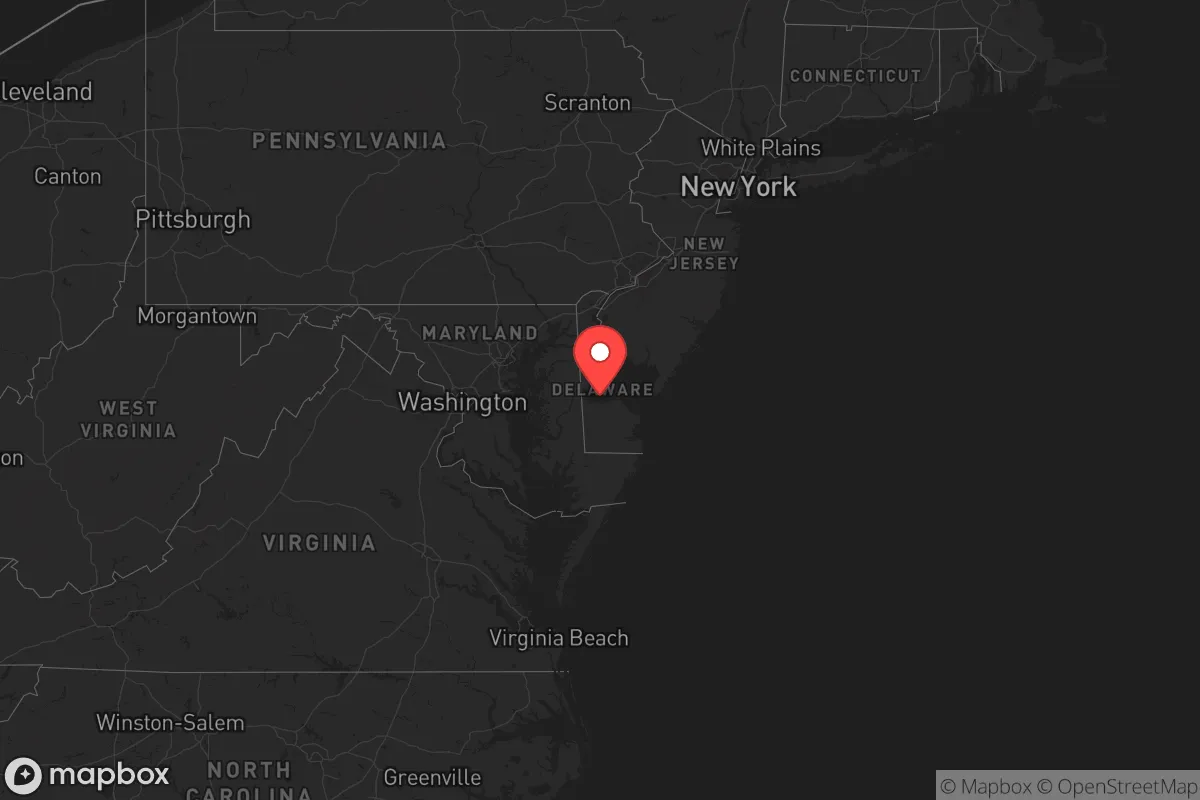
Photo: Wikipedia
Quality of Life in Delaware
A livable area that tracks near national norms for affordability, walkability, and neighborhood health.
What does Quality of Life tell us?
Quality of Life measures an area by evaluating factors like cost of living, nearby amenities, country club access, airport proximity, socioeconomic signals and neighborhood character. For large states, this is a general average — quality of life can vary dramatically between metro areas, suburbs, and rural communities within the same state.
What does this tell us?
Quality of Life measures an area by evaluating factors like cost of living, nearby amenities, country club access, airport proximity, socioeconomic signals and neighborhood character. For large states, this is a general average — quality of life can vary dramatically between metro areas, suburbs, and rural communities within the same state.
Cost of Living
16% above national average
89%
The Real Cost of Living in Delaware for 2026
| Tier | Individual | Family (4) |
|---|---|---|
| Survival | $21k | $40k |
| Comfortable | $63k | $93k |
| Luxury | $146k+ | $226k+ |
| Elite (Top 5%) | $172k+ | $266k+ |
Quality-of-Life Analysis
Delaware offers a surprisingly broad spectrum of quality-of-life options within its compact borders, ranging from the dense urban core of Wilmington to the resort-driven coastlines of Sussex County and the quiet agricultural flatlands of Kent County. The state’s overall cost-of-living index sits at 116 (100 = U.S. average), with a median home value of $326,800 and median rent of $1,341, but these averages mask dramatic geographic variation. A person seeking a 24-hour city lifestyle, a quiet beach retirement, or a low-cost rural homestead can all find a fit in the First State, though the trade-offs in commute times, taxes, and community character are significant.
Major metros
Delaware’s only true major metro is Wilmington, the state’s largest city with roughly 70,000 residents and the anchor of the northern New Castle County region. Wilmington functions as a satellite of the Philadelphia metro, with a dense urban core dominated by the financial and legal sectors—particularly the credit card banking industry that earned it the nickname “the corporate capital of the world.” The city offers walkable neighborhoods like Trolley Square and the Riverfront, a growing arts scene, and direct SEPTA rail access to Philadelphia in under 30 minutes. However, Wilmington also contends with higher crime rates than the state average and a school system that pushes many families toward suburban districts. The surrounding suburbs—Newark, Bear, and Hockessin—provide a more conventional suburban lifestyle with top-rated schools and commutes averaging 26 minutes statewide, though Newark also functions as a college town anchored by the University of Delaware.
Mid-size cities & college towns
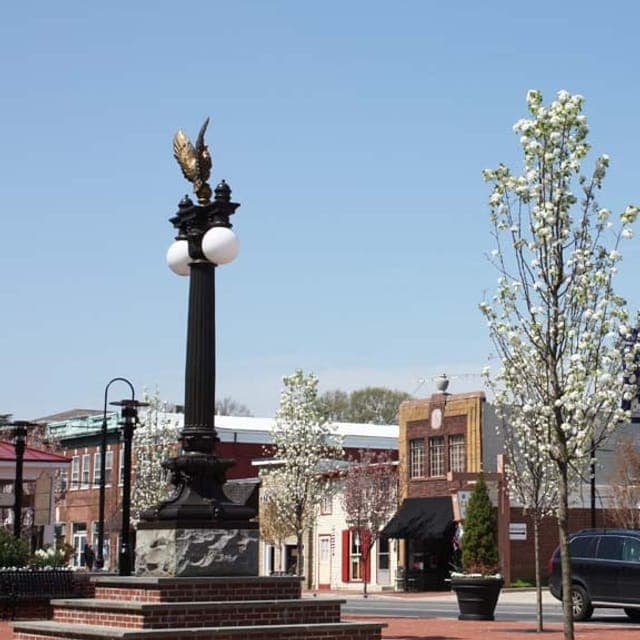
Beyond Wilmington, Delaware’s mid-size cities offer distinct identities. Newark (pop. ~34,000) is the state’s premier college town, home to the University of Delaware’s main campus, with a lively Main Street, a walkable downtown, and a mix of student rentals and family homes. Dover (pop. ~39,000), the state capital, offers a government-anchored economy with lower housing costs—median home values often run 15-20% below the state average—and a slower pace than northern Delaware, though its retail and dining options are limited. Middletown (pop. ~24,000) has been one of the fastest-growing towns in the state, attracting families with newer housing developments and a commute to Wilmington or Dover that stays under 30 minutes. Georgetown, the Sussex County seat, is a smaller but functional hub for the coastal region, with a historic square and a growing population driven by the nearby beach economy. Smyrna straddles the Kent-New Castle line, offering affordable starter homes and a small-town feel with easy access to both Dover and Wilmington.
Small towns & rural areas
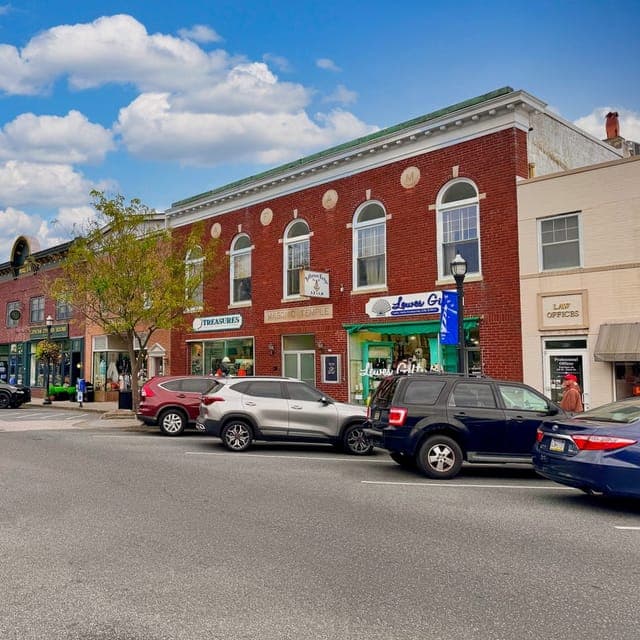
Delaware’s small towns and rural areas are concentrated in Kent County and western Sussex County, where agriculture and quiet living dominate. Lewes (pop. ~3,300) is a historic coastal town with a walkable downtown, no high-rise development, and a slower pace than neighboring Rehoboth Beach, appealing to retirees and second-home buyers. Milford (pop. ~11,000) offers a working-class river town atmosphere with a revitalizing downtown and home prices often below $250,000. Bridgeville and Greenwood in western Sussex are true rural hamlets, with populations under 2,000, where residents trade amenities for acreage and quiet. The Delmarva Peninsula’s inland farm country—stretching from Harrington to Laurel—features flat, open landscapes, poultry farming as the dominant industry, and a deeply conservative social fabric. These areas attract those seeking low property taxes (Delaware has no sales tax and low property tax rates) and a self-sufficient lifestyle, though job opportunities are limited and the nearest hospital or grocery store may be 20 minutes away.
Luxury vs. affordable living
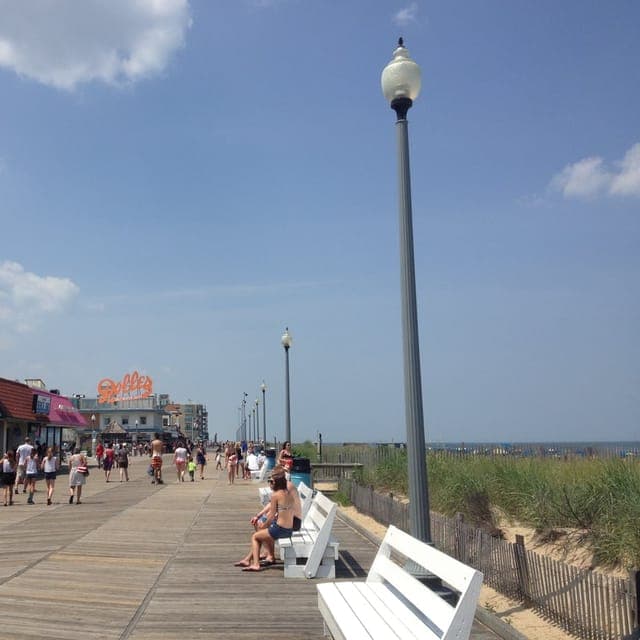
Delaware’s luxury market is concentrated in two distinct zones. Greenville and Hockessin in northern New Castle County are the state’s wealthiest suburbs, with median home values exceeding $600,000, large estates, and top-ranked public schools like the Charter School of Wilmington. Along the coast, Rehoboth Beach and Bethany Beach command premium prices—median home values in Rehoboth often top $800,000—driven by second-home buyers and retirees willing to pay for ocean proximity and a resort lifestyle. On the affordable end, Wilmington’s East Side and Southbridge neighborhoods offer homes under $150,000, though they face higher crime rates and under-resourced schools. Dover’s Capitol Green and South Dover areas have homes in the $180,000–$220,000 range, while Seaford and Laurel in western Sussex offer the state’s lowest housing costs, with fixer-uppers available under $150,000. The spread is stark: a buyer can pay $150,000 for a 1,200-square-foot ranch in Laurel or $1.2 million for a 3,000-square-foot beach house in Bethany, both within the same state tax structure.
The practical reality is that Delaware’s quality-of-life options are sharply divided by geography and income. Northern New Castle County offers the best job access, schools, and urban amenities but at a cost-of-living premium that can exceed 130% of the national average. Kent County provides the most affordable suburban living with reasonable commutes, while Sussex County’s coastal strip is a luxury playground and its inland areas are among the cheapest places to live in the Northeast. The statewide average commute of 26 minutes is manageable, but residents in rural Sussex may drive 40 minutes to a supermarket while Wilmington commuters can reach Philadelphia in 30 minutes by train. The person who thrives here is one who knows which trade-off they want—urban energy, suburban convenience, coastal leisure, or rural solitude—and picks their corner of the state accordingly.

Crime in Delaware
Crime rates similar to the national median for U.S. locations.
Violent CrimeViolent Crime Analysis
Property CrimeProperty Crime Analysis
Crime Analysis
Delaware’s overall crime picture is mixed: the state’s violent crime rate of 342.6 incidents per 100,000 residents sits slightly above the national average, while its property crime rate of 1,551.4 per 100,000 is notably higher than the U.S. median. These figures mask sharp contrasts between Wilmington’s persistent urban crime challenges and the relative safety of suburban and rural communities like Newark, Middletown, and Lewes. The state’s small size and concentrated population mean that a handful of high-crime areas disproportionately affect statewide statistics.
Crime in context
Delaware’s violent crime rate of 342.6 per 100,000 is roughly 10% above the national average of about 310 per 100,000, driven largely by Wilmington, which accounts for a disproportionate share of homicides and aggravated assaults. Property crime at 1,551.4 per 100,000 exceeds the national rate of approximately 1,400 per 100,000, with larceny-theft and motor vehicle theft being the most common offenses. New Castle County, the state’s most populous and urbanized county, posts the highest crime numbers, while Sussex County in the south generally reports lower rates. Kent County, home to Dover, falls in the middle, with property crime rates that track close to the state average.
What residents experience
Daily life for Delaware residents varies dramatically by location. In Wilmington, residents face a violent crime rate that is more than triple the state average, with concentrated gang activity and drug-related shootings in neighborhoods like the East Side and Southbridge. The city’s progressive district attorney, Kathleen Jennings, has emphasized diversion programs and restorative justice, which critics argue has led to shorter sentences and higher recidivism. This approach, while intended to reduce incarceration, has contributed to a perception that offenders face few consequences, emboldening repeat property and violent criminals. In contrast, suburban communities like Middletown and Newark report violent crime rates well below the state average, with property crime largely limited to package thefts and vehicle break-ins. Beach towns such as Lewes and Rehoboth Beach see seasonal spikes in theft but maintain low violent crime year-round. Residents in safer areas often express frustration that the state’s justice policies in Wilmington and New Castle County create a revolving door for offenders who then commit crimes in surrounding suburbs.
Neighborhood-level variation
Within Wilmington, the Highlands and Trolley Square neighborhoods are safer than the city average, with more community policing and higher property values, while the Riverside and Hilltop areas experience the highest rates of violent crime. In New Castle County, the city of Newark (home to the University of Delaware) sees elevated property crime from student-targeted theft but very low violent crime. The town of Elsmere, just outside Wilmington, has a property crime rate nearly double the state average due to its proximity to higher-crime corridors. For those considering relocation, the safest bets are the southern coastal towns and the fast-growing suburbs of Middletown and Townsend, where crime rates remain well below state and national averages. However, even in these areas, residents should remain vigilant about property crime, which is the most common offense across all of Delaware’s counties.
Top Cities for Quality of Life in Delaware
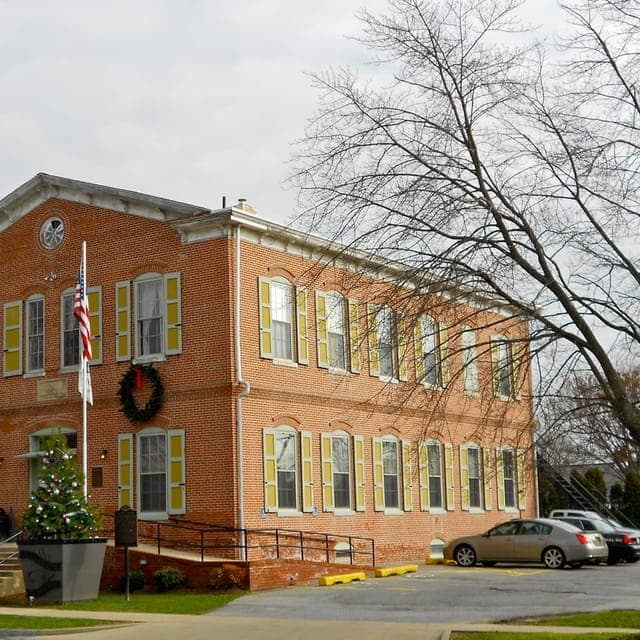

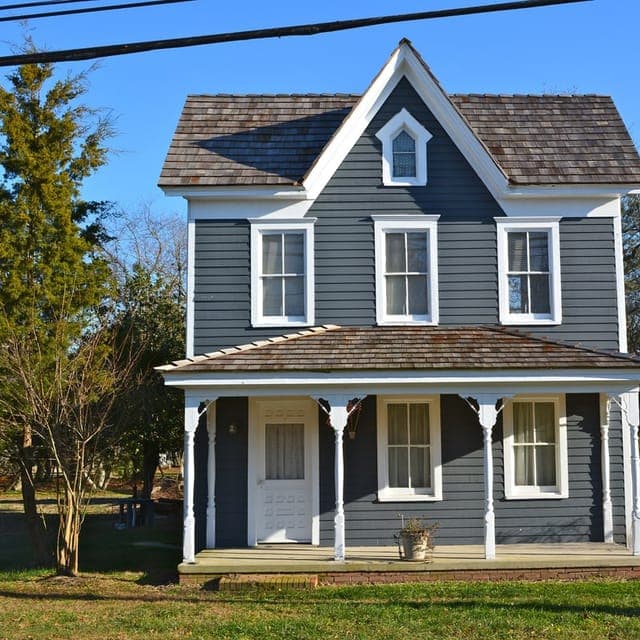
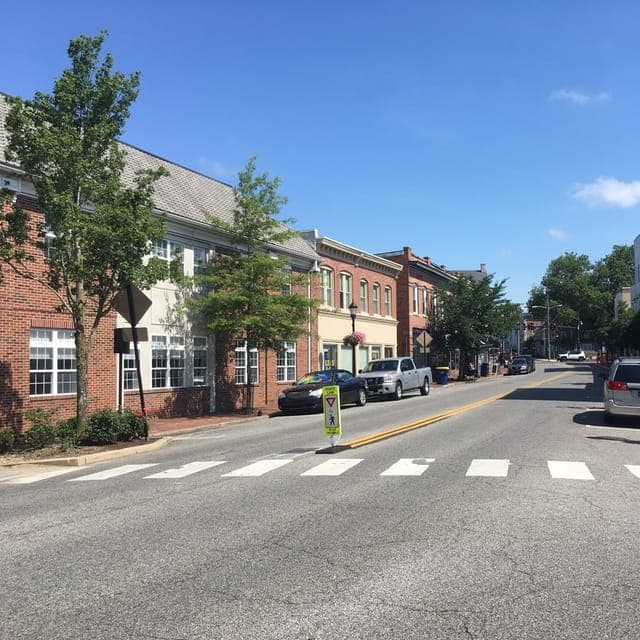
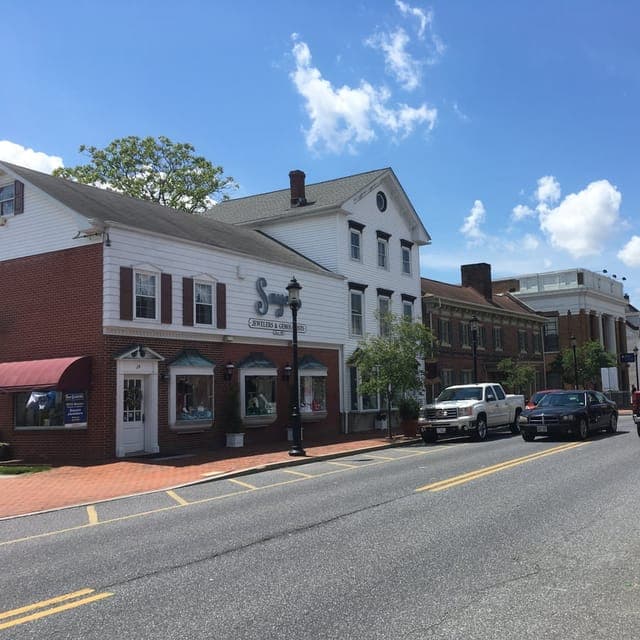
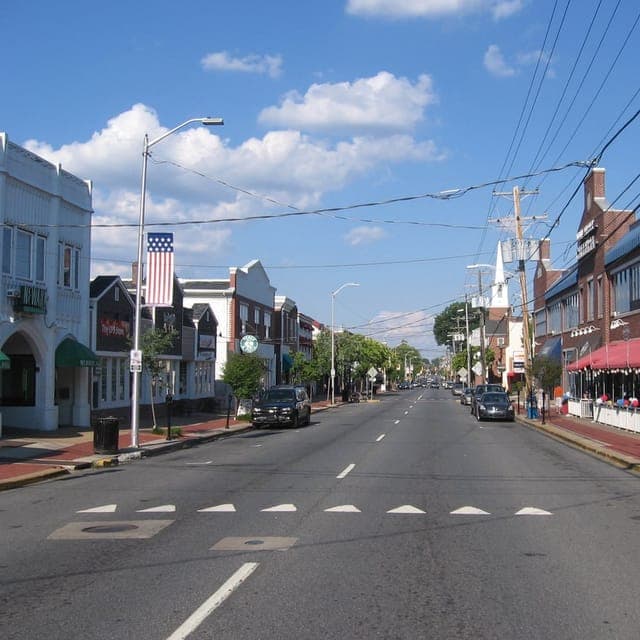
* Values derived from national, state, county, city and local statistics and may differ in a specific area. Last updated: 2026-04-18T22:17:47.000Z
Narrative content on this page is AI-generated and may contain mistakes. Verify any details that matter before acting on them.
ReloMaps may earn a commission from affiliate links at no extra cost to you.

