Photo: Wikipedia
Political ClimatePolitical Climate in Delaware
Political Environment in the State
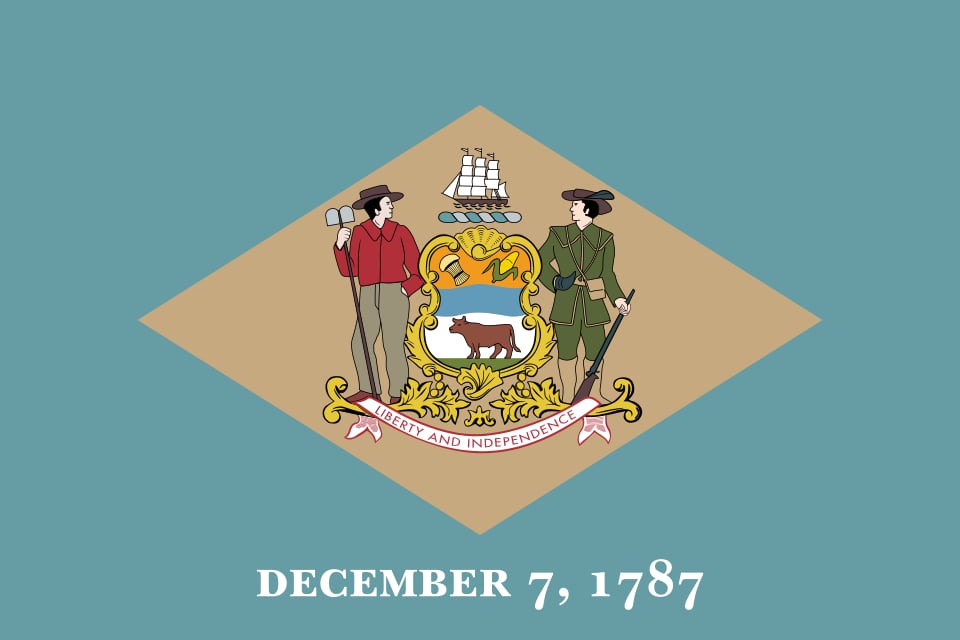
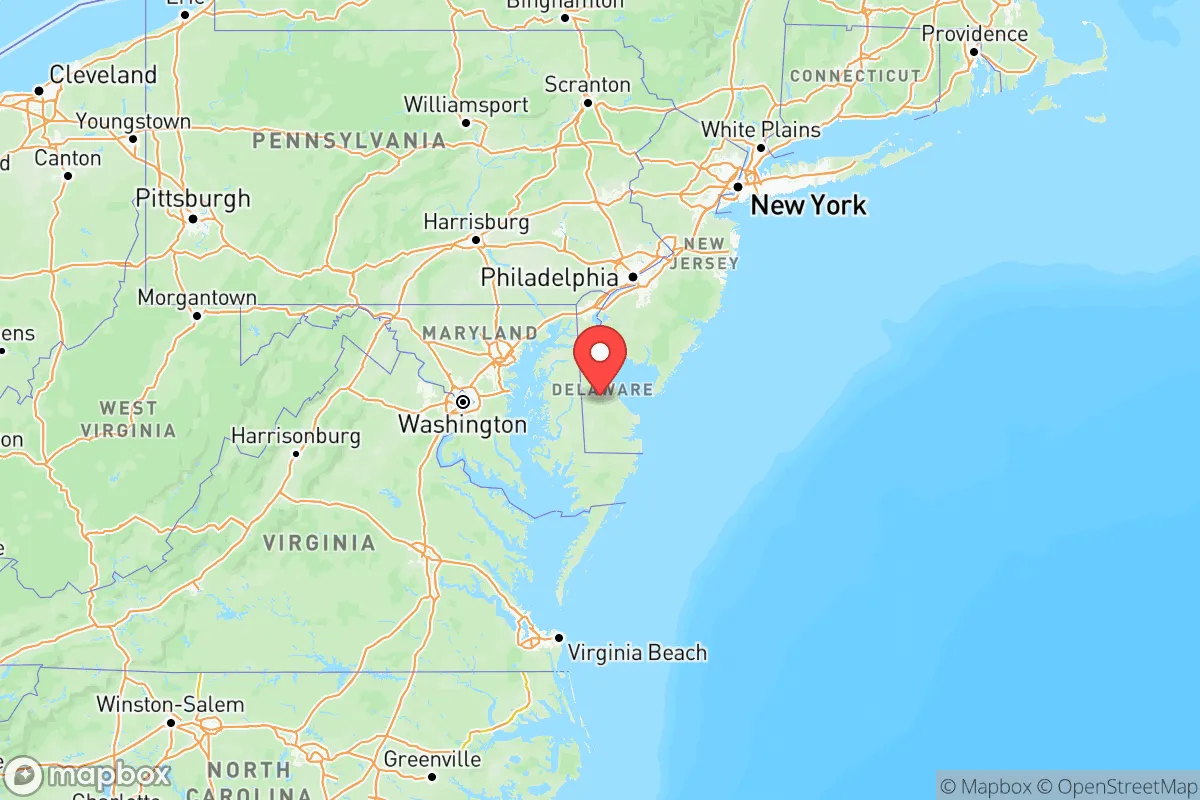
Delaware, with a Cook PVI of D+8, has been a reliably blue state for decades, but don’t let the statewide numbers fool you—this is a tale of two Delawares. The northern corridor, anchored by Wilmington and Newark, drives the Democratic majority with dense, educated, and increasingly progressive populations, while the southern counties of Kent and Sussex have been trending red, creating a sharp urban-rural split that’s only widened since 2020. Over the last 10-20 years, the state has shifted from a moderate, business-friendly blue to a more aggressively progressive policy environment, especially on taxes, education, and social issues, which has conservatives feeling like they’re fighting a rear-guard action in their own backyards.
Urban vs. rural divide
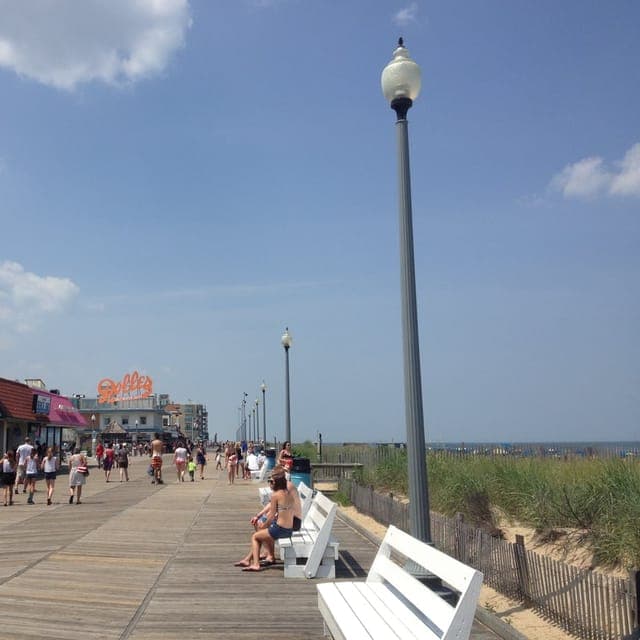
The political map of Delaware is essentially a north-south civil war. New Castle County, home to Wilmington, Newark, and the suburbs of Pike Creek and Hockessin, casts about 55% of the state’s vote and is the engine of the Democratic machine. Wilmington’s city council and mayor’s office have been Democratic for decades, and the county’s affluent, college-educated workforce—many employed by the chemical and financial sectors—leans heavily left. Drive south of the Chesapeake & Delaware Canal, and you hit a different world. Kent County, with its capital Dover and agricultural towns like Harrington, is a purple battleground that’s been inching redder; in 2024, Trump carried Kent by a narrow margin. Sussex County, the beach and retirement destination with towns like Rehoboth Beach, Lewes, and Georgetown, is the conservative stronghold—Trump won it by double digits in 2020 and 2024, fueled by retirees from the Mid-Atlantic and a growing agricultural and construction workforce. The divide isn’t just cultural; it’s economic, with northerners pushing for transit-oriented development and green mandates, while southerners fight for property rights and lower taxes.
Policy environment
Delaware’s policy environment is a mixed bag that increasingly leans toward government intervention. On taxes, the state has a progressive income tax with rates up to 6.6%, and while there’s no sales tax, property taxes are relatively low—but that’s cold comfort when you see the state’s gas tax and vehicle registration fees climbing. The regulatory posture is heavy: Delaware is notorious for its corporate-friendly incorporation laws (over 60% of Fortune 500 companies are incorporated here), but for individuals, the bureaucracy can be stifling. Education policy is a flashpoint: the state has embraced Common Core and progressive curricula, and in 2021, it passed a law requiring all schools to teach LGBTQ-inclusive history, which sparked backlash in conservative districts like Sussex County. Healthcare is heavily regulated, with a state-run exchange and Medicaid expansion under the ACA. Election laws are a sore spot for conservatives: Delaware has no-excuse absentee voting, same-day registration, and automatic voter registration, which critics argue erodes ballot integrity. The state also has a strict gun control regime, including a 2022 law banning “assault weapons” and high-capacity magazines, which passed along party lines and is currently being challenged in court.
Trajectory & freedom
Delaware is on a clear trajectory toward less personal freedom, especially for conservatives. The 2022 gun control law was a watershed moment—it banned the sale of many semi-automatic rifles and limited magazine capacity to 17 rounds, effectively criminalizing common firearms owned by law-abiding citizens. Parental rights took a hit in 2023 when the state passed a law prohibiting schools from notifying parents about a child’s gender identity without the child’s consent, a move that outraged conservative families in Sussex and Kent. Medical autonomy is also under pressure: Delaware expanded abortion access in 2022, removing the requirement for parental notification for minors and allowing nurse practitioners to perform procedures, which many see as an overreach. Property rights are being squeezed by aggressive zoning laws in New Castle County, where “upzoning” mandates are forcing denser development in single-family neighborhoods. On the plus side, Delaware has no sales tax and relatively low property taxes, but the state’s income tax and regulatory creep are making it harder for small businesses and families to thrive. The trend is unmistakable: the legislature, controlled by Democrats, is moving faster than the electorate, especially in the southern counties.
Civil unrest & political movements
Delaware hasn’t seen the kind of violent protests seen in larger states, but there have been flashpoints. In 2020, Wilmington saw several nights of unrest following George Floyd’s death, with property damage and clashes with police, which deepened the urban-rural divide. The state has a vocal progressive activist network, particularly around the Delaware Working Families Party and the ACLU, which push for criminal justice reform and sanctuary policies. On the right, the Delaware GOP has been revitalized by grassroots groups like the Sussex County Republican Committee and the Delaware Family Alliance, which organized against the transgender notification law and the gun ban. Immigration politics are relatively quiet, but Delaware is a sanctuary state in practice—state law prohibits local law enforcement from cooperating with ICE on civil detainers, which frustrates conservatives in border-adjacent communities like Seaford. Election integrity is a live issue: after the 2020 election, the state’s widespread use of mail-in ballots and drop boxes led to lawsuits and legislative battles, with Republicans pushing for voter ID laws that have been repeatedly blocked by the Democratic majority. A new resident would notice the political tension most at school board meetings, where fights over curriculum and parental rights are intense, especially in Sussex County.
Projection
Over the next 5-10 years, Delaware is likely to become more polarized, not less. The northern suburbs of Wilmington are growing denser and more progressive, driven by young professionals and remote workers from Philadelphia and New York, while Sussex County continues to attract conservative retirees and families from the Mid-Atlantic. This demographic tug-of-war means the state will remain blue statewide, but the margin could narrow if southern turnout keeps rising. The real danger for conservatives is that the Democratic majority in the legislature will continue to push progressive policies—expect more gun control, higher taxes on the wealthy, and expanded government mandates on energy and education. The state’s reliance on corporate franchise fees (which make up about 30% of revenue) gives it a fiscal cushion, but that also insulates lawmakers from voter backlash. For someone moving in now, expect to live in a state where your vote in New Castle County is largely canceled out by the progressive machine, but where your local community in Sussex or Kent can still feel like a redoubt. The key battleground will be the statehouse races in Kent County, where flipping a few seats could at least slow the legislative agenda.
For a conservative considering relocation, Delaware offers a mixed bag: low property taxes and no sales tax are real advantages, but the state’s trajectory on personal freedoms—especially gun rights, parental rights, and school choice—is concerning. If you’re looking for a place where your values are reflected in state policy, the southern counties of Sussex and Kent are your best bet, but be prepared to fight for every inch at the local level. The bottom line: Delaware is a state where you can find a conservative community, but you’ll be swimming against a blue tide in Dover and Wilmington. If you’re willing to engage in local politics and accept that the state government will often work against you, it’s a livable place—just don’t expect the freedom you’d find in a red state like Texas or Florida.

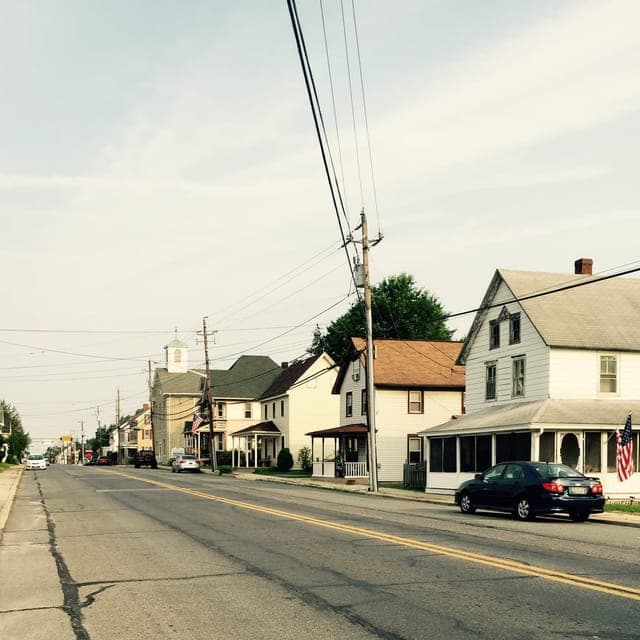
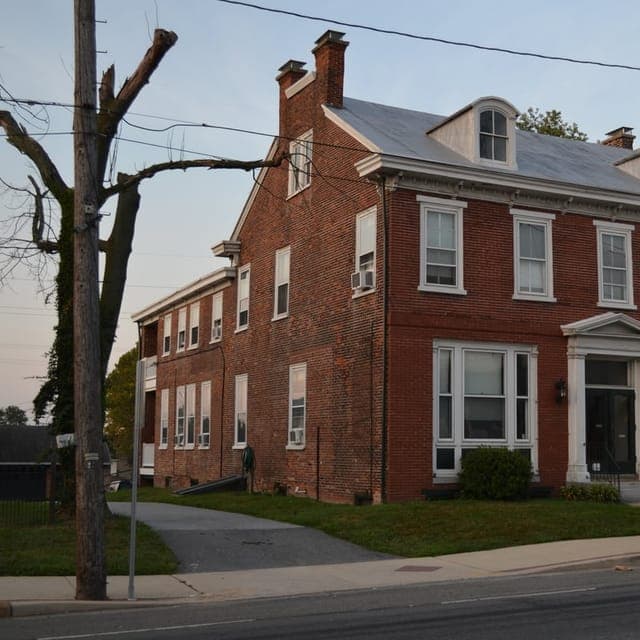
Most Conservative Cities in Delaware
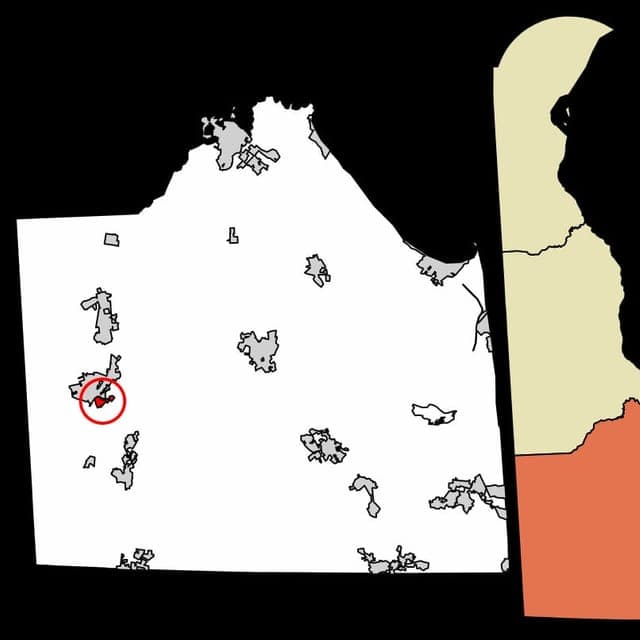

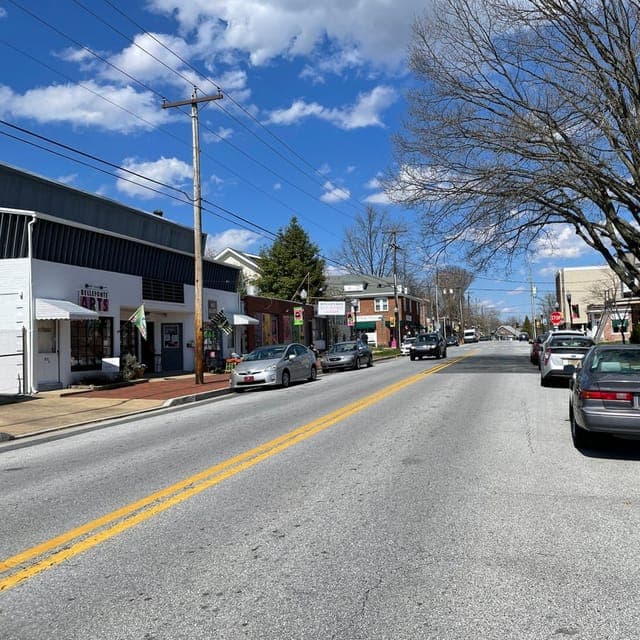
Most Liberal Cities in Delaware
* Values derived from national, state, county, city and local statistics and may differ in a specific area. Last updated: 2026-04-18T22:17:47.000Z
Narrative content on this page is AI-generated and may contain mistakes. Verify any details that matter before acting on them.
ReloMaps may earn a commission from affiliate links at no extra cost to you.

