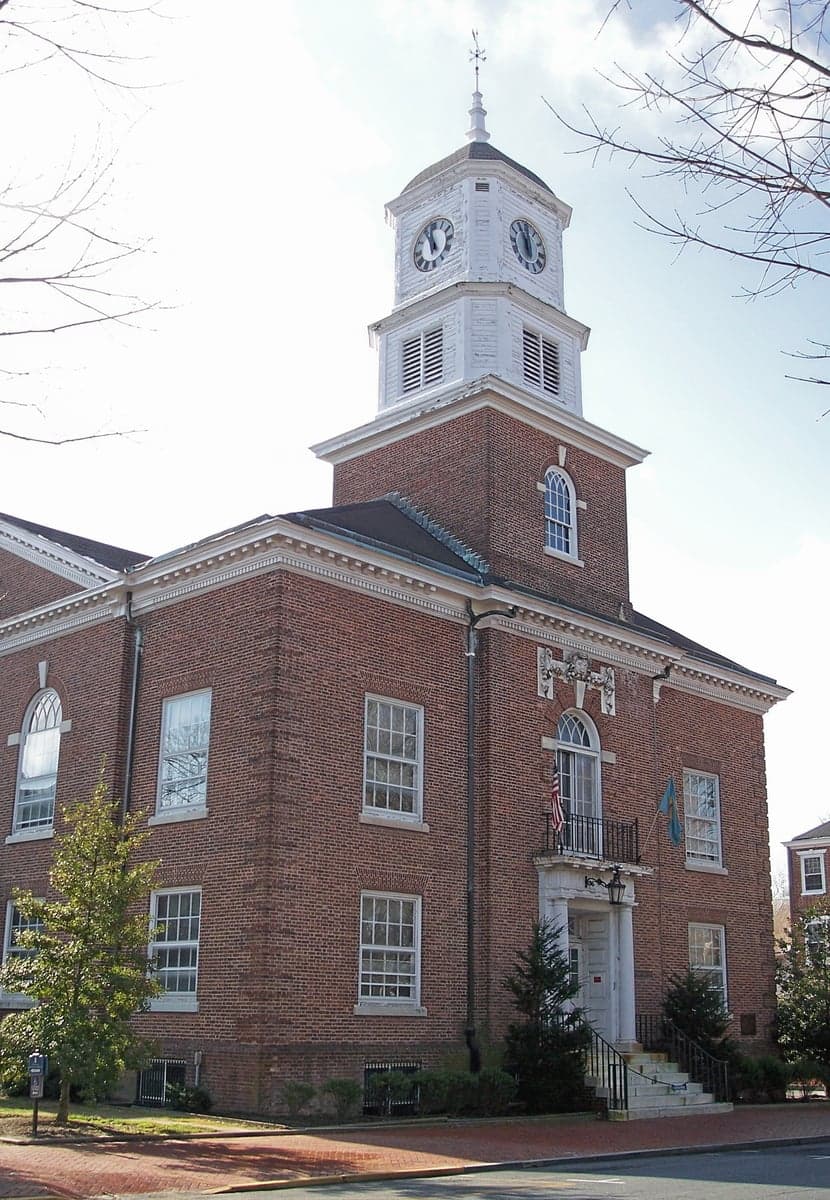
Photo: Wikipedia
Strategic Assessment of Kent County
Multiple tactical vulnerabilities. Population density, target proximity, or disaster risk are likely compounding. A retreat property and exit planning is required.
What does the Strategic Assessment tell us?
Our Strategic Assessment grades tactical survivability of an area. Major population centers, military targets, fallout zones, natural disasters, and border exposure all drive risk — lower exposure means a more defensible position in a crisis.
This is heavily inspired by Joel Skousen's Strategic Relocation book. Highly recommended you checkout the book ($)What does this tell us?
Our Strategic Assessment grades tactical survivability of an area. Major population centers, military targets, fallout zones, natural disasters, and border exposure all drive risk — lower exposure means a more defensible position in a crisis.
This is heavily inspired by Joel Skousen's Strategic Relocation book. Highly recommended you checkout the book ($)Strategic Pillars

Key Distances
Strategic Assessment Analysis
Kent County, Delaware, occupies a strategic middle ground that resilience-minded relocators should study closely. It sits far enough from the major Eastern Seaboard population centers to avoid the worst of any cascading collapse, yet remains close enough to access critical infrastructure when things are stable. The county’s low population density—roughly 180,000 people spread across 800 square miles—combined with its position between the Chesapeake and Delaware Bays, gives it a natural buffer that many preppers find appealing. For those looking to balance proximity to resources with genuine physical separation from urban chaos, Kent County offers a rare combination of agricultural self-sufficiency and logistical access that warrants a hard look.
Geographic position and natural advantages for long-term stability
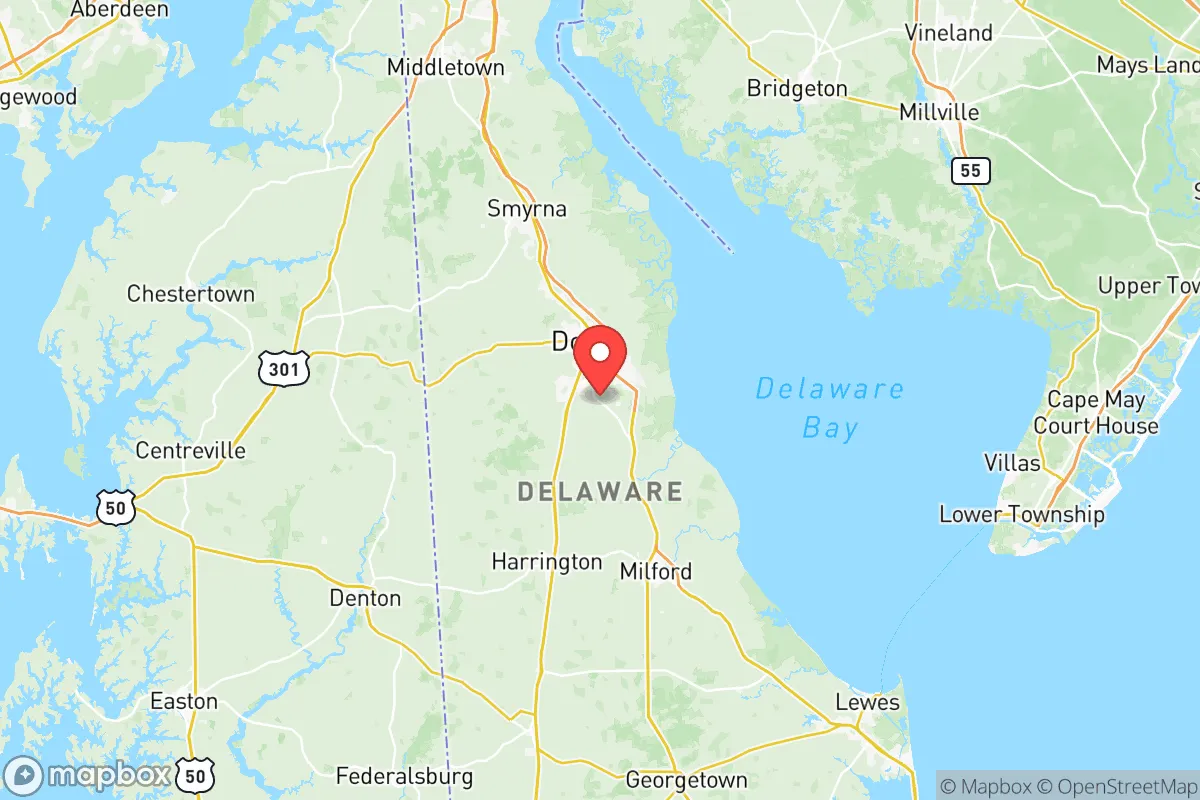
Kent County’s location is its primary strategic asset. It lies roughly 80 miles south of Philadelphia and 90 miles east of Washington, D.C., placing it outside the immediate blast radius of any major metropolitan target while still within a day’s drive of those regions for supply runs or family extraction. The county is bordered by the Delaware River and Bay to the east, providing a natural defensive barrier against ground movement from New Jersey and the Atlantic coast. To the west, the Chesapeake Bay is less than 30 miles away, offering another water-based buffer. The interior is flat, agricultural land—mostly corn, soybeans, and poultry operations—meaning food production is already happening in your backyard. The town of Dover, the county seat and state capital, sits roughly 10 miles inland from the coast, giving it some protection from storm surge while still being close enough to the water for fishing and maritime trade. The nearby Bombay Hook National Wildlife Refuge and the extensive network of tidal creeks and marshes provide both a natural barrier and a potential food source for those who know how to work it. The climate is temperate, with no extreme cold or heat, and the water table is high, making well drilling relatively straightforward across most of the county.
Risks, exposures, and proximity to fallout-relevant landmarks
No location is without vulnerabilities, and Kent County has several that a serious prepper must account for. The most obvious is the Dover Air Force Base, located just southeast of Dover. This is a major military installation—home to the 436th Airlift Wing and the Air Force Mortuary Affairs Operations—which makes it a high-value target in any conflict scenario. A conventional or nuclear strike on the base would create a significant fallout plume that could affect much of central Kent County, depending on wind direction. The base is also a potential source of civil unrest if the military is called to respond to domestic emergencies, as it could become a staging area that draws unwanted attention. Additionally, the county is within 50 miles of the Salem Nuclear Generating Station in New Jersey, across the Delaware Bay. A catastrophic failure there—whether from accident or attack—could render large portions of eastern Kent County uninhabitable for years. The county’s flat terrain offers no natural cover from fallout; there are no mountains or significant hills to block or channel radiation. Flooding is another concern: the low-lying coastal areas, particularly around the towns of Little Creek and Bowers Beach, are vulnerable to storm surge from hurricanes and nor’easters. The 2023 flooding from the remnants of Hurricane Ida demonstrated that even moderate storms can overwhelm drainage systems and cut off roads. Finally, the county’s reliance on the Delaware Memorial Bridge and the Chesapeake Bay Bridge for east-west movement means that a single point of failure could isolate the region from critical supply lines during a crisis.
Practical resilience for a relocator: food, water, energy, and defensibility
For the individual or family looking to establish a long-term sustainable position, Kent County offers several concrete advantages. The agricultural base is real: the county is one of Delaware’s top producers of poultry, with major processing facilities in the towns of Harrington and Milford. That means a local food supply that doesn’t depend on interstate trucking. The Amish and Mennonite communities in the western part of the county, around the town of Felton, maintain traditional farming practices that could become a lifeline in a grid-down scenario. Building relationships with these communities before a crisis is a smart move—they are self-sufficient, tight-knit, and generally willing to trade with outsiders who show respect and competence. Water is abundant and accessible. The water table sits at about 10 to 20 feet deep across most of the county, making hand-dug wells or shallow driven wells feasible for most properties. The St. Jones River and the Murderkill River both run through the county, providing surface water sources, though these would require filtration and boiling. For energy, solar is viable: the county averages about 200 sunny days per year, and there are no restrictive HOA covenants in the rural areas that would prevent panel installation. Wood is available for heating, but the county is not heavily forested—most timber is in small woodlots and along waterways—so you’ll need to plan for fuel sourcing. Defensibility is mixed. The flat, open farmland makes it easy to see threats coming from a distance, but it also offers little cover. A property with a good perimeter—natural hedgerows, ditches, or a creek—is essential. The county’s road network is sparse enough that a few well-placed obstacles could effectively channel or block movement. The towns of Smyrna and Clayton to the north offer some small-town community structure, but the real strategic value lies in the unincorporated rural areas where you can maintain a low profile. The local gun culture is strong, with several gun shops and ranges in the county, and Delaware has relatively permissive firearm laws compared to neighboring Maryland and New Jersey. That said, the state’s recent passage of a permit-to-purchase law and magazine capacity restrictions means you should acquire your hardware before moving, not after.
The overall strategic picture for Kent County is one of calculated trade-offs. It is not a remote mountain redoubt—you will have neighbors, and you will be within striking distance of major infrastructure that could become a liability. But for the relocator who wants a defensible, self-sufficient property within a few hours of the Eastern Seaboard’s major population centers, it is one of the better options available. The agricultural base, accessible water, and relatively low population density give you a foundation to build on. The risks from Dover Air Force Base and the Salem nuclear plant are real, but they are manageable with proper planning—know your wind patterns, have a fallout shelter plan, and keep a bug-out route to the west open. The conservative, rural character of the county means you are more likely to find like-minded neighbors who will band together rather than turn on each other. If you are serious about long-term resilience and can accept the proximity to certain high-value targets, Kent County deserves a spot on your short list. Just don’t buy within 10 miles of the base, and make sure your property has a well and a septic system before you sign.

* Values derived from national, state, county, city and local statistics and may differ in a specific area. Last updated: 2026-06-07T00:50:31.000Z
Narrative content on this page is AI-generated and may contain mistakes. Verify any details that matter before acting on them.
ReloMaps may earn a commission from affiliate links at no extra cost to you.

