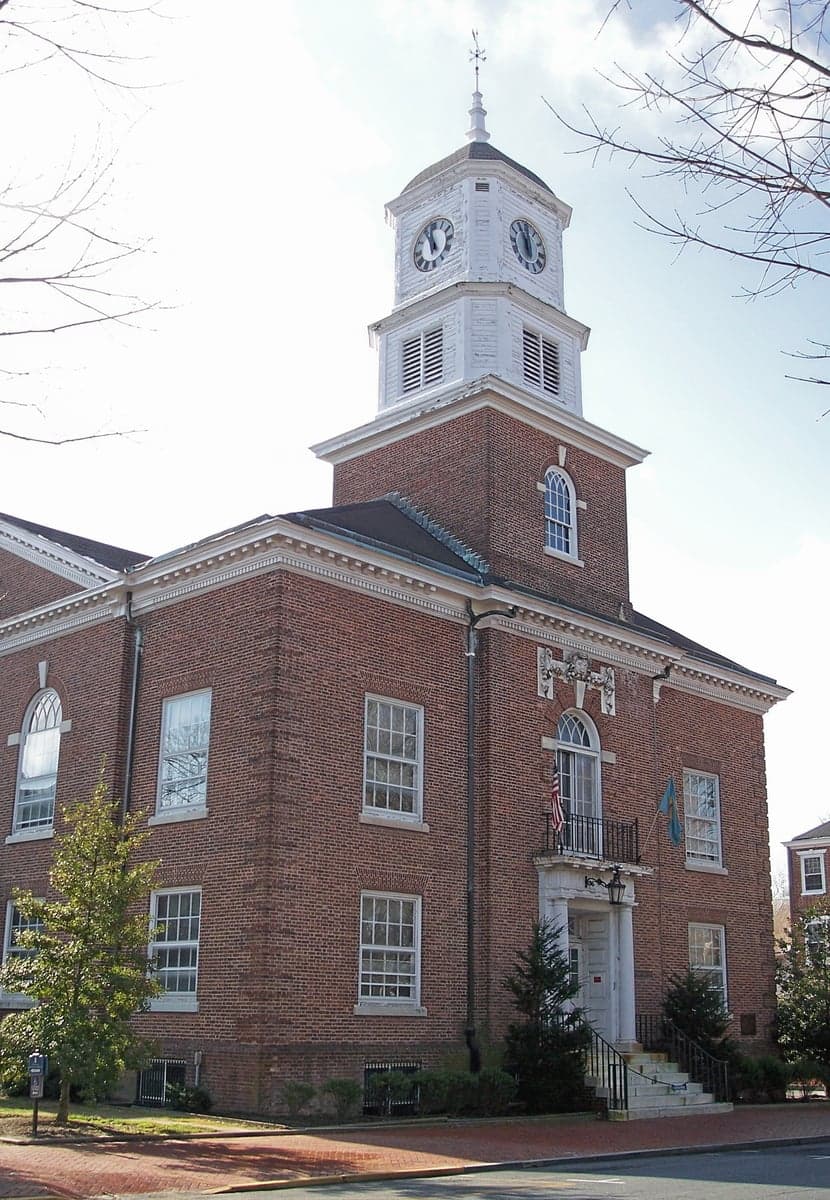
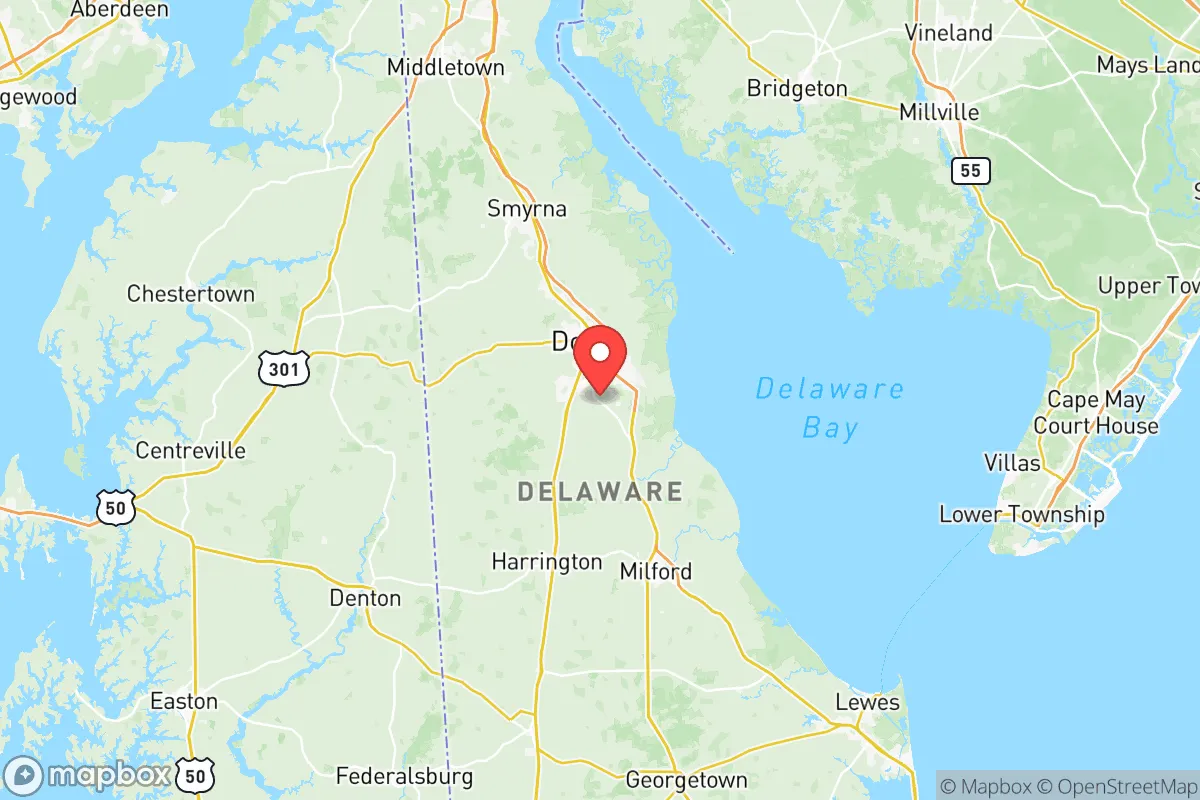
Photo: Wikipedia
Political ClimatePolitical Climate in Kent County
Showing state-level results — no local-only data available.
Local Political AnalysisPolitical Analysis of Kent County
Look, I’ve been around Kent County long enough to see it shift, and honestly, it’s a mixed bag that’s getting more complicated. The county as a whole leans Democratic, with a Cook PVI of D+8, which is the same as the state of Delaware itself. But that number hides a lot of ground-level tension. The rural stretches—places like Felton, Harrington, and the farmland around Dover Air Force Base—still vote reliably red, while the city of Dover and the college crowd near Delaware State University push the county blue. The real story is how the purple towns like Smyrna and Milford are swinging. Ten years ago, Smyrna was a safe bet for conservatives; now it’s a toss-up, and that’s got folks worried about where the county’s heading.
How it compares
On paper, Kent County and Delaware share the same D+8 rating, but the lived experience is night and day. Up in New Castle County, you’ve got Wilmington and Newark—places where progressive policies are the norm, and the state legislature’s agenda gets set. Down here in Kent, we’re the buffer zone. We’re more like Sussex County in spirit, but with a heavier government presence because of the state capital in Dover. That means we get the worst of both worlds: state-level mandates from a liberal majority in New Castle, but local governments that still try to hold the line. For example, the state’s push for stricter gun laws and renewable energy mandates feels like a one-size-fits-all solution that doesn’t fit our farming communities. The comparison isn’t just about numbers—it’s about who’s making the rules and whether they’ve ever set foot in a feed store in Hartly.
What this means for residents
For folks living here, the political climate means you’re constantly watching your back. The state government in Dover has been leaning harder into progressive policies—think expanded social programs, higher taxes to fund them, and zoning changes that favor dense development over rural character. If you value personal freedoms, like the right to decide how to use your land or what kind of energy you buy, this trend is a red flag. The county council has some conservative voices, but they’re outnumbered when the state legislature flexes its muscle. I’ve seen neighbors in Camden and Wyoming get priced out by new regulations that make it harder to run a small farm or a local shop. The long-term trajectory feels like we’re being slowly absorbed into a more urban, top-down way of life, and that’s a tough pill to swallow for a county that still remembers when you could leave your truck unlocked.
Culturally, Kent County still holds onto a lot of what made Delaware great—church suppers, volunteer fire departments, and a general distrust of politicians who talk too smooth. But the policy distinctions are real. We’re seeing more noise about “equity” initiatives in schools and county hiring, which rubs a lot of folks the wrong way when they feel like merit is being sidelined. The state’s push for electric vehicle mandates and solar farms on prime farmland is another sore spot. It’s not that people here are against progress—it’s that we want it to come from the ground up, not from a desk in Dover. If you’re thinking of moving here, just know that the political vibe is a tug-of-war. The rural towns are holding strong, but the tide is moving toward a more centralized, progressive model, and that’s something you’ll have to decide if you can live with.

State Political ClimatePolitical Climate in Delaware
State Political AnalysisPolitical Environment in the State
Delaware, despite its small size, is a solidly Democratic state with a Cook PVI of D+8, meaning it votes about eight points more Democratic than the national average in presidential elections. Over the past 20 years, the state has shifted from a competitive purple state—George W. Bush lost it by just 1% in 2000—to a reliable blue stronghold, driven largely by the explosive growth of the northern suburbs of Wilmington and the influx of federal and corporate employees from the D.C.-Philadelphia corridor. For a conservative considering relocation, the state’s political trajectory is a cautionary tale of how a once-moderate, business-friendly environment can be reshaped by concentrated urban power and progressive activism.
Urban vs. rural divide
The political map of Delaware is a stark tale of two worlds. New Castle County, home to Wilmington and its sprawling suburbs like Newark and Bear, is the engine of Democratic dominance. This county alone casts roughly 55% of the state’s votes and consistently delivers margins of 20-30 points for Democrats. The city of Wilmington itself is a deep-blue enclave, heavily influenced by unionized public employees and a growing population of young professionals working in finance and legal services. In contrast, the two southern counties—Kent and Sussex—are increasingly Republican. Kent County, anchored by Dover, is a swing area where military families from Dover Air Force Base and agricultural communities lean red, but the county still votes narrowly Democratic in statewide races. Sussex County, home to beach towns like Rehoboth Beach and Lewes, is the real conservative stronghold: it voted for Trump by 12 points in 2020 and has been trending redder as retirees and second-home owners from the Mid-Atlantic move in. The divide is so sharp that a drive from Wilmington to the southern tip of the state feels like crossing a political border—blue suburbs and cityscapes give way to red farmland and coastal communities.
Policy environment
Delaware’s policy environment is a mixed bag that leans increasingly progressive, especially on taxation and regulation. The state has no sales tax, which is a plus, but it makes up for it with high property taxes in New Castle County (around 1.2% of assessed value) and a progressive income tax that tops out at 6.6% for individuals earning over $60,000. Corporate taxes are relatively low, which is why so many companies incorporate here, but the personal tax burden is above the national average. On education, Delaware has a statewide school choice program that includes charter schools, but the state’s teacher unions are powerful and have blocked meaningful expansion of vouchers or education savings accounts. Healthcare policy is dominated by the state’s Medicaid expansion under Obamacare, which covers about 20% of the population. Election laws are a concern for conservatives: Delaware has no voter ID requirement, same-day voter registration, and universal mail-in voting was made permanent in 2022. This combination of policies—high taxes, weak election integrity, and union-dominated education—makes the state feel less free than its small-government reputation suggests.
Trajectory & freedom
Delaware is becoming less free by almost any measure, and the trend has accelerated since 2020. The most alarming recent legislation for conservatives is the 2022 gun control package, which banned the sale of "assault weapons" and high-capacity magazines, required a permit to purchase a handgun, and raised the minimum age to buy a long gun to 21. This was followed by a 2023 law that eliminated the state’s castle doctrine protections for homeowners who use deadly force against intruders. On parental rights, the state passed a 2023 law that prohibits schools from notifying parents if a child changes their gender identity or pronouns, effectively creating a secret-keeping policy that undermines family authority. Medical autonomy took a hit with the 2021 legalization of assisted suicide, which some conservatives view as a slippery slope. Property rights are under pressure from a 2024 law that allows localities to impose rent control, a move that discourages new housing construction. The only bright spot for freedom advocates was the 2023 legalization of recreational marijuana, which at least reduces criminal penalties. But overall, the legislature in Dover has been steadily expanding government control over personal choices, from guns to parenting to housing.
Civil unrest & political movements
Delaware has seen its share of political flashpoints, though they tend to be more organized than chaotic. The Black Lives Matter protests in Wilmington during summer 2020 were large and occasionally violent, with several businesses damaged and a statue of Christopher Columbus toppled. Since then, the state has seen a rise in organized progressive activism, particularly around environmental issues (opposition to the proposed LNG terminal in the Delaware River) and racial justice. On the right, the most visible movement is the "Sussex County Patriots," a grassroots group that holds regular rallies and has successfully pushed for more conservative school board members in the southern part of the state. Immigration politics are relatively quiet, as Delaware is not a border state, but the city of Wilmington declared itself a "sanctuary city" in 2017, and the state has a law limiting cooperation with ICE. Election integrity remains a hot-button issue: the 2020 election saw widespread use of mail-in ballots, and while no major fraud was proven, the lack of voter ID has left many conservatives skeptical. The most visible flashpoint for a new resident would be the stark cultural divide between the liberal north and the conservative south, which plays out in everything from school board meetings to local zoning debates.
Projection
Over the next 5-10 years, Delaware is likely to become even more Democratic and less free. The key demographic driver is the continued influx of white-collar professionals from the D.C. and Philadelphia suburbs into New Castle County, drawn by lower housing costs and corporate relocations. This group tends to vote Democratic and support progressive policies. Meanwhile, the conservative growth in Sussex County is real but slower, and it’s offset by the fact that the southern counties have less population weight. The state’s Democratic supermajority in the legislature shows no signs of weakening, meaning more gun control, higher taxes, and expanded government programs are likely. The only wildcard is if a national recession hits Delaware’s financial services sector hard, which could shift the political conversation toward economic freedom. But for now, someone moving in should expect a state where personal liberties—especially gun rights and parental authority—will continue to erode, and where the tax burden will likely increase to fund expanded social programs.
For a conservative considering Delaware, the bottom line is this: if you’re looking for a low-tax, high-freedom environment, this is not the state. The northern suburbs are a progressive stronghold, and the state government in Dover is actively expanding its reach into your life. The southern beach towns offer a more conservative lifestyle, but you’ll still be subject to state-level policies that limit your rights. If you value gun rights, parental control over education, and low taxes, you’re better off looking at neighboring Maryland’s eastern shore or further south. Delaware is a beautiful state with a rich history, but its political trajectory is firmly blue, and that’s not changing anytime soon.
* Values derived from national, state, county, city and local statistics and may differ in a specific area. Last updated: 2026-06-07T00:50:31.000Z
Narrative content on this page is AI-generated and may contain mistakes. Verify any details that matter before acting on them.
ReloMaps may earn a commission from affiliate links at no extra cost to you.

