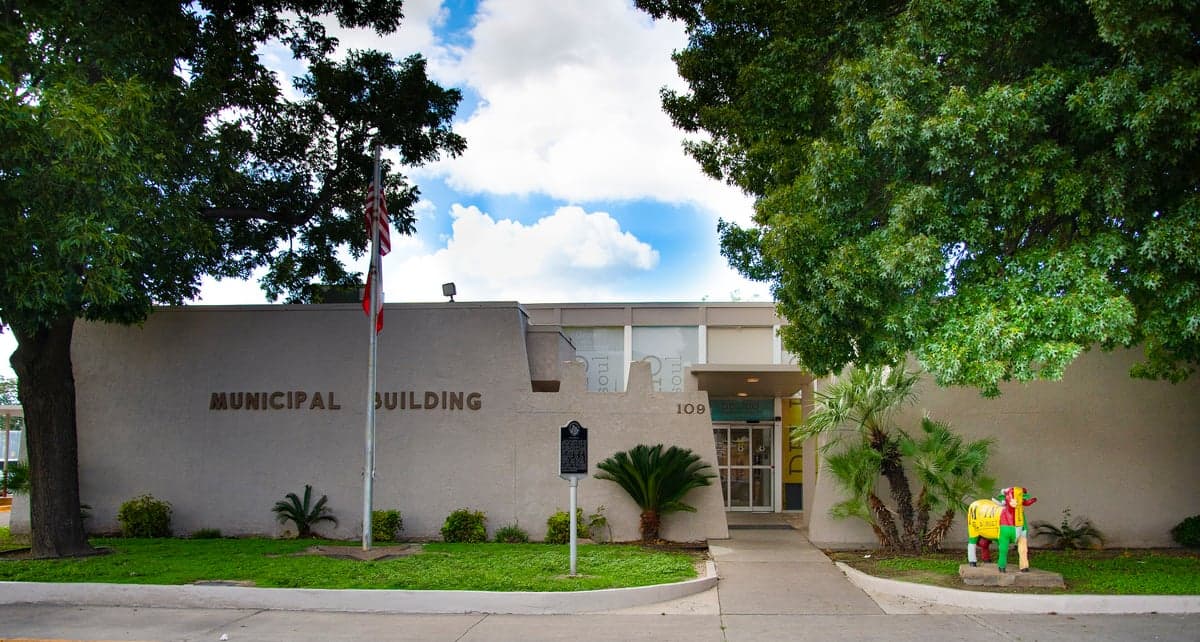
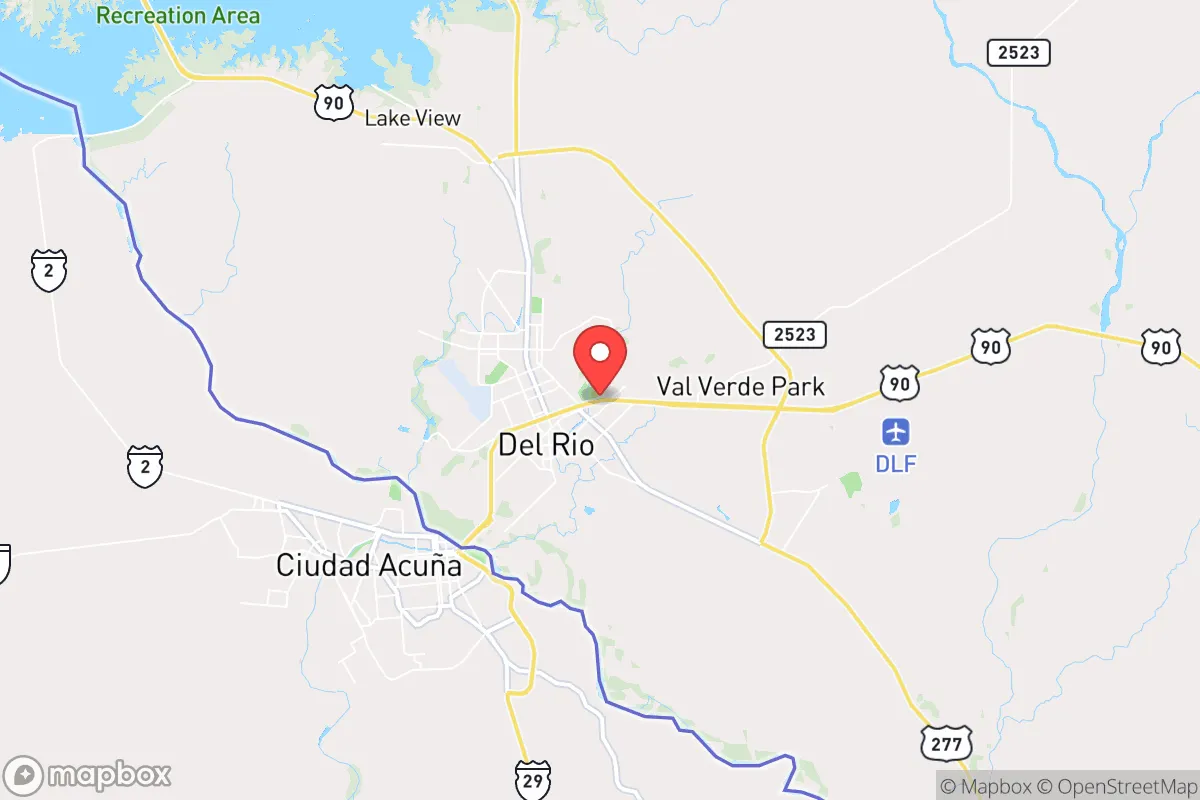
Photo: Wikipedia
Find The Best Places To Live
in Del Rio
PRO TIP! You can paste a Zillow or Redfin link to get info on that property.
What It's Like Living in Del Rio, TX
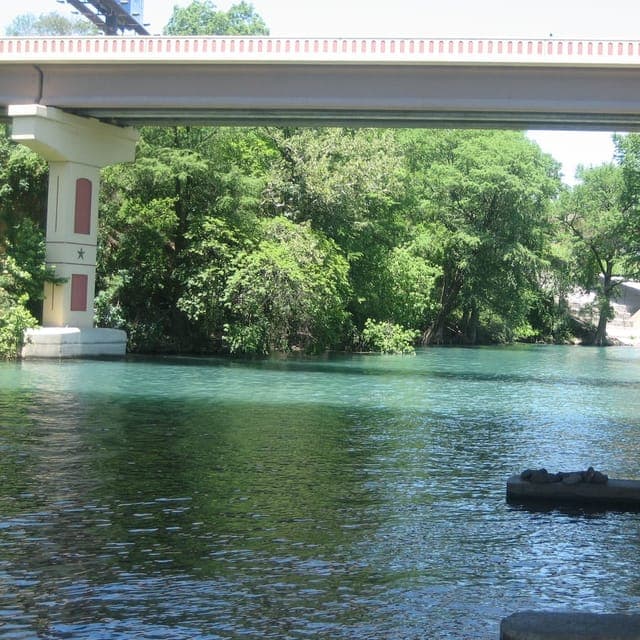
Del Rio feels like a place that time forgot, in the best possible way. It’s a border town where the rhythms of daily life are dictated more by the San Felipe Creek and the slow roll of the Rio Grande than by any corporate clock, and where a handshake still carries more weight than a digital signature. Living here means trading the frantic pace of a big city for a slower, more deliberate existence, one where the cost of living is genuinely low and the community ties are genuinely deep.
The Daily Rhythm: Slow Mornings and Long Commutes
Most days in Del Rio start with the sun baking the limestone bluffs, and the first stop for many is a local spot like Stratton’s Cafe for a plate of migas or a cup of coffee that’s strong enough to wake the dead. The workday is real—major employers include the Laughlin Air Force Base, the local school district, and the sprawling First Cash Financial Services headquarters—but the pace is unhurried. People here aren’t trying to climb a corporate ladder so much as they are trying to build a stable life. The median household income sits at $59,588, which goes a remarkably long way thanks to a cost of living index of just 66 (well below the national average of 100). That $143,200 median home value can buy a three-bedroom house with a yard, something that feels like a fantasy in Austin or San Antonio. The trade-off is the commute: the average drive time clocks in at nearly 27 minutes, which feels long for a town of 34,638 people, largely because so many residents commute to the base or to jobs scattered across the wide, flat landscape.
Sports, Community, and the Big Game
High school football isn’t just a pastime here; it’s the social calendar’s anchor. The Del Rio Rams pack the stands at Rams Stadium on Friday nights, and the energy is electric, especially during the annual rivalry game against the Eagles from Eagle Pass. For college sports, most locals bleed burnt orange for the Texas Longhorns or maroon for the Texas A&M Aggies, with watch parties at sports bars like Bubba’s Smokehouse or The Broken Spoke (no relation to the Austin dance hall). There’s no pro team within two hours, so the community rallies around the base’s sports leagues and the local little league. The real cultural touchstone, though, is the Fiesta de la Amistad every September, a binational celebration that fills the downtown square with music, food vendors, and a parade that shuts down the main drag. It’s a vivid reminder that Del Rio’s identity is inseparable from its border location.
What’s There to Do: Water, History, and Honky-Tonks
When the weekend hits, the question isn’t “what’s happening” but “where’s the water.” The San Felipe Springs feed a network of creeks and the San Felipe Country Club golf course, but the real draw is Lake Amistad, a massive reservoir just north of town that’s a paradise for fishing, boating, and camping. Locals spend summer Saturdays on houseboats or at the Diablo East marina, and the lake is the single biggest reason people stay. For a night out, the options are limited but authentic: El Tapatio serves some of the best fajitas in the region, while La Popular Bakery is the go-to for pan dulce and coffee. The Val Verde Winery, one of the oldest in Texas, offers a quiet afternoon of tasting Don Luis’s signature wines. The biggest frustration for residents is the lack of variety—there’s no mall, no major concert venue, and no movie theater that shows first-run films consistently. For that, you’re driving an hour to Eagle Pass or two hours to San Antonio.
Pros and Cons of Living in Del Rio
- Pro: Genuinely affordable living. The low cost of living and cheap housing mean you can actually save money or afford a lifestyle that would be impossible in a bigger city. The violent crime rate of 147.1 per 100,000 is notably lower than the national average, making it a safe place to raise kids.
- Pro: Strong community bonds. People know their neighbors, the schools are the heart of the town (with a median age of 33.1, it’s a young family crowd), and there’s a real sense of mutual support.
- Con: Limited job market and amenities. The economy is heavily tied to the base and a few large employers, and only 20.8% of adults hold a college degree. If you’re not in healthcare, education, or the military, opportunities are scarce.
- Con: Isolation and summer heat. The nearest major city is two hours away, and the summer temperatures regularly hit triple digits. The lack of entertainment options can feel stifling for singles or young adults without a strong outdoor hobby.
The kind of person who thrives in Del Rio is someone who values peace, quiet, and financial breathing room over nightlife and career ladder-climbing. It’s a town for families who want a backyard and a boat, for retirees on a fixed income, and for anyone who doesn’t mind driving a half-hour to get groceries if it means owning their home outright. The cultural quirks are real—the blend of Mexican and Texan traditions, the pride in the base, the way everyone knows the best spot to watch the sunset over the river—and they create a place that feels less like a suburb and more like a small, self-contained world. It’s not for everyone, but for the people who call it home, it’s exactly enough.

Similar towns to Del Rio

* Values derived from national, state, county, city and local statistics and may differ in a specific area. Last updated: 2026-08-04T15:33:28.000Z
Narrative content on this page is AI-generated and may contain mistakes. Verify any details that matter before acting on them.
ReloMaps may earn a commission from affiliate links at no extra cost to you.

