Personal Sovereignty in Northwest Hills Planning Region County
Viable for self-reliance. Generally workable, though some barriers may limit total independence.
What does Personal Sovereignty tell us?
Personal Sovereignty measures your capacity for self-reliance and independence with minimal government friction. Higher scores mean fewer barriers between you and the way you want to live... but it assumes you have the space you need and good neighbors.
What does this tell us?
Personal Sovereignty measures your capacity for self-reliance and independence with minimal government friction. Higher scores mean fewer barriers between you and the way you want to live... but it assumes you have the space you need and good neighbors.
State Policy
Energy independence: Importer (5% of energy produced in-state)
Personal Liberty
Homesteading

Personal Liberty Analysis
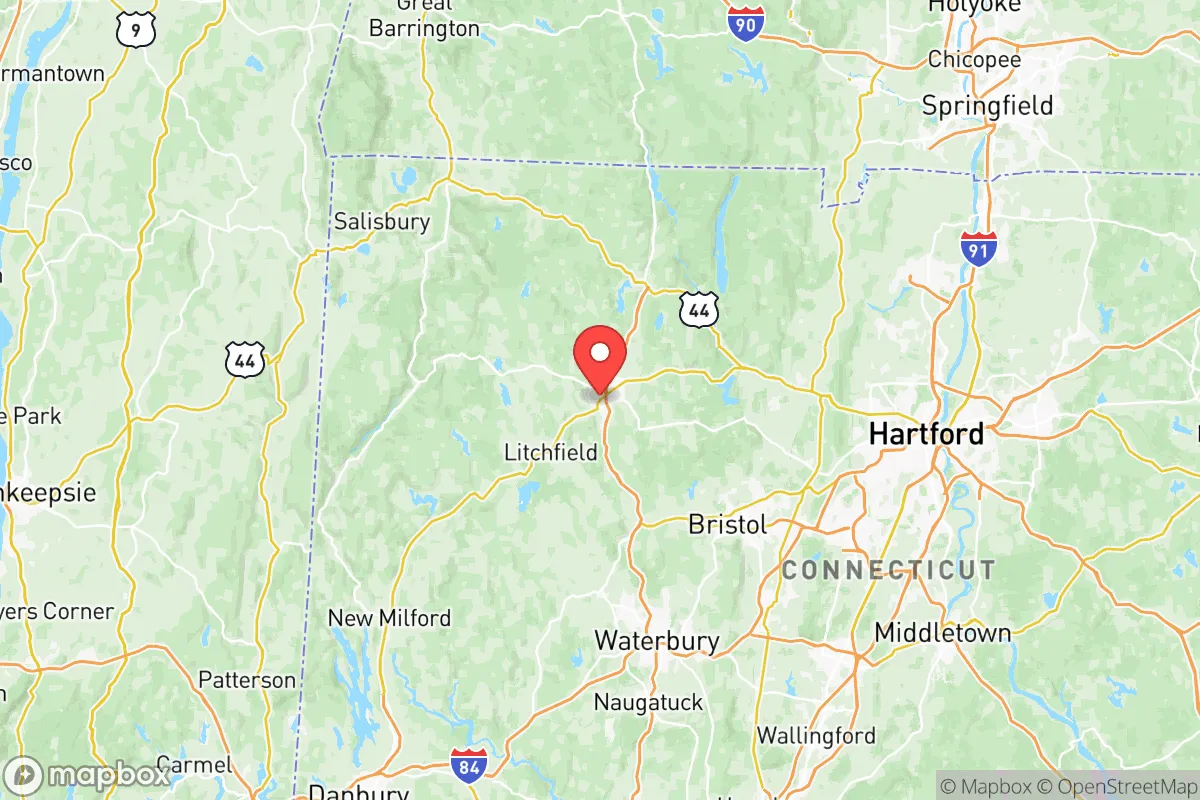
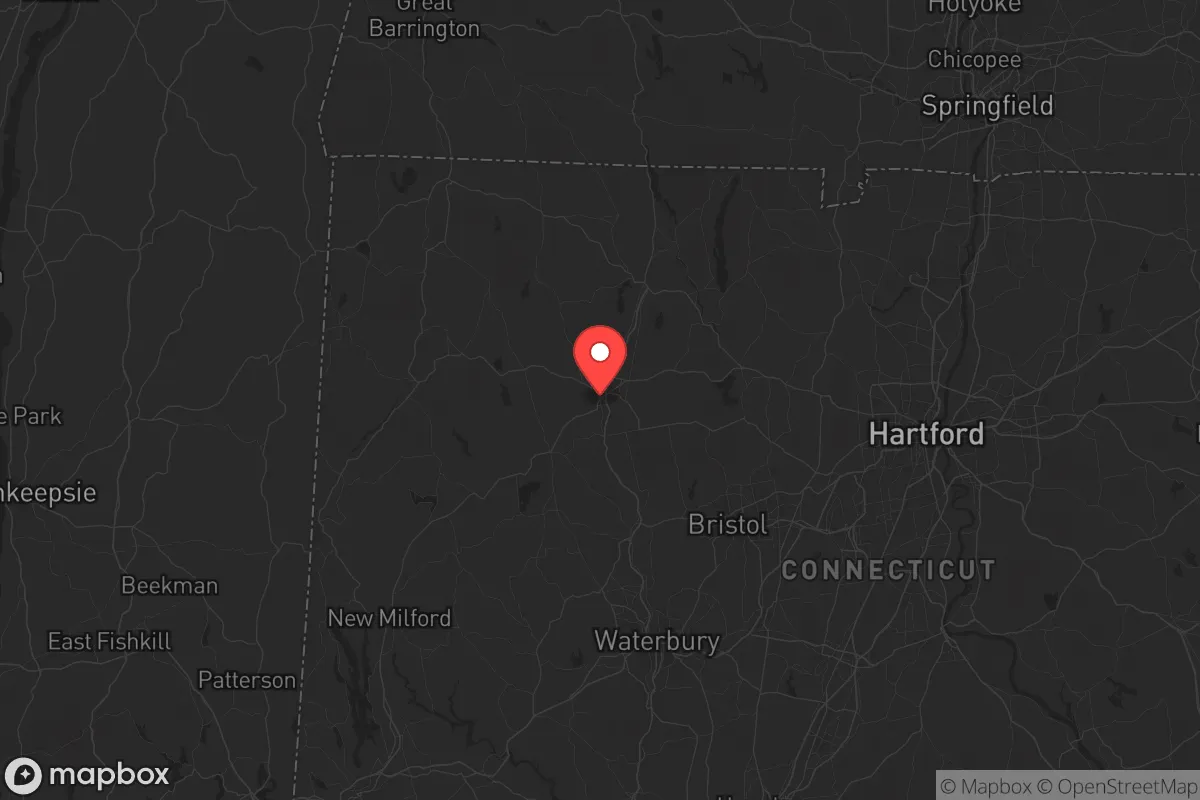
Northwest Hills Planning Region County, Connecticut, presents a nuanced environment for personal sovereignty, where state-level mandates often clash with a deeply rooted local tradition of self-reliance. The region’s autonomy profile is defined less by a uniform county-wide policy and more by the distinct character of its towns—from the more libertarian-leaning rural hamlets like Norfolk and Cornwall to the more regulated village centers of Litchfield and Kent. For the freedom-minded individual or family, the key is understanding that while Connecticut’s state government imposes a relatively heavy regulatory and tax burden, the Northwest Hills offers pockets of genuine independence, particularly in areas of land use, self-defense, and community governance.
Tax burden and regulatory posture across Northwest Hills towns
Connecticut’s overall tax burden is among the highest in the nation, and Northwest Hills residents feel this acutely through state income tax (a flat 5.5% on most income) and property taxes that average 2.5% to 3.5% of assessed home value. However, the regulatory posture varies significantly by town. In Sharon and Salisbury, local zoning boards are known for a lighter touch, often approving accessory dwelling units and home-based businesses with fewer hurdles than in more densely populated areas. Conversely, Litchfield and Washington maintain stricter historic district commissions that can delay or deny exterior modifications, impacting property rights. The state’s business regulatory environment is generally considered burdensome, but towns like Torrington and Winsted have more permissive commercial zoning and lower local permitting fees, making them more attractive for entrepreneurs seeking to operate with less red tape. The mill rate (property tax rate) can vary by over 10 mills between neighboring towns, so a careful town-by-town comparison is essential for anyone prioritizing low tax exposure.
Self-defense and gun law specifics in Connecticut’s Northwest Hills
Connecticut is a "may-issue" state for concealed carry permits, meaning local authorities have discretion, but in practice, Northwest Hills towns like Cornwall, Kent, and Norfolk are known for relatively straightforward permit issuance for law-abiding residents. The state mandates a background check, a safety course, and a 60-day processing window, but the culture in these rural towns is generally gun-friendly. Open carry is legal with a permit, and many residents exercise this right without incident. However, state law bans "assault weapons" and high-capacity magazines, and requires safe storage of firearms. The practical effect in the Northwest Hills is that while the legal framework is restrictive by national standards, local enforcement is often more relaxed, and the social environment is far more accepting of gun ownership than in Connecticut’s coastal cities. For the self-defense-minded, the region offers a realistic balance: legal access to firearms for home and personal protection, but with more paperwork and fewer hardware options than in a state like Texas or New Hampshire.
Self-reliance and homesteading viability: lot sizes, zoning, and off-grid feasibility
The Northwest Hills is one of the best regions in Connecticut for those seeking a self-reliant lifestyle, but feasibility depends heavily on the specific town. Norfolk and Cornwall have large minimum lot sizes (often 2-3 acres) and relatively lax zoning regarding agricultural structures, chicken coops, and small-scale livestock. Off-grid living is legally challenging due to state building codes that require connection to the electrical grid for new construction, but many properties in Sharon and Salisbury already have private wells and septic systems, and solar panel installations are common and permitted. Rainwater collection for non-potable use is generally allowed, though state law restricts it for drinking water. The region’s abundant forests and farmland in towns like Goshen and Colebrook make firewood heating and gardening practical, but residents should expect to comply with state wetland and inland-wetland regulations, which can restrict clearing and construction near water bodies. Overall, the Northwest Hills offers a viable homesteading environment for those willing to navigate moderate local permitting, but full off-grid autonomy is not legally straightforward.
Personal liberties: parental rights, medical autonomy, speech, and property
Parental rights in Connecticut are generally strong, with a legal presumption that parents have decision-making authority over their children’s education and healthcare. The state does not have a "parental bill of rights" law, but local school boards in Litchfield and Kent have been responsive to parent input on curriculum and library materials. Medical autonomy is more constrained: Connecticut has strict vaccine mandates for school attendance and a relatively robust public health apparatus, though homebirth and midwifery are legal and accessible. Free speech is protected under the First Amendment, and the region’s town hall meetings in places like Norfolk and Cornwall are vibrant forums for open debate. Property rights are the most contested area: while you generally have broad freedom to use your land, state-level environmental regulations (e.g., the Connecticut Environmental Protection Act) can impose significant restrictions on development, even on private property. The Northwest Hills is a place where personal liberties are respected in daily life, but the legal framework is more collectivist than in many Western states, requiring residents to be proactive and engaged in local governance to protect their freedoms.
In the broader context of personal sovereignty, Northwest Hills Planning Region County offers a moderate-to-high level of autonomy compared to other parts of Connecticut and the Northeast, but it falls short of the freedom found in states like New Hampshire or Texas. The region’s greatest strength is its local governance culture: towns like Norfolk, Cornwall, and Sharon provide a genuine sense of community control over land use, education, and daily life. The trade-offs are a higher tax burden and state-level restrictions on firearms and off-grid living. For the relocation-minded individual or family who values self-reliance and is willing to engage in local politics, the Northwest Hills represents a viable compromise—a place where personal sovereignty is exercised through community participation rather than absolute independence.

* Values derived from national, state, county, city and local statistics and may differ in a specific area. Last updated: 2026-06-12T18:07:36.000Z
Narrative content on this page is AI-generated and may contain mistakes. Verify any details that matter before acting on them.
ReloMaps may earn a commission from affiliate links at no extra cost to you.

