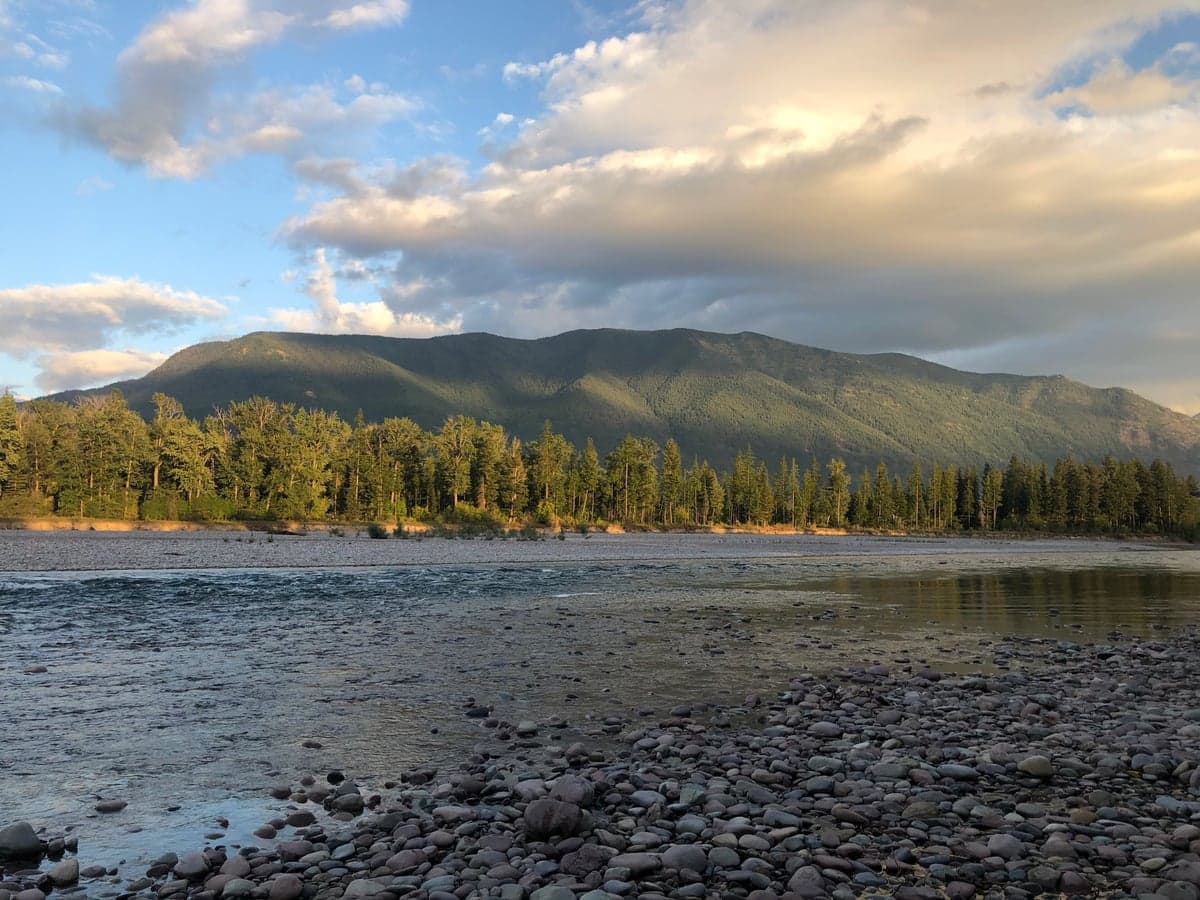
Photo: Wikipedia
Political ClimatePolitical Climate in Columbia Falls, MT
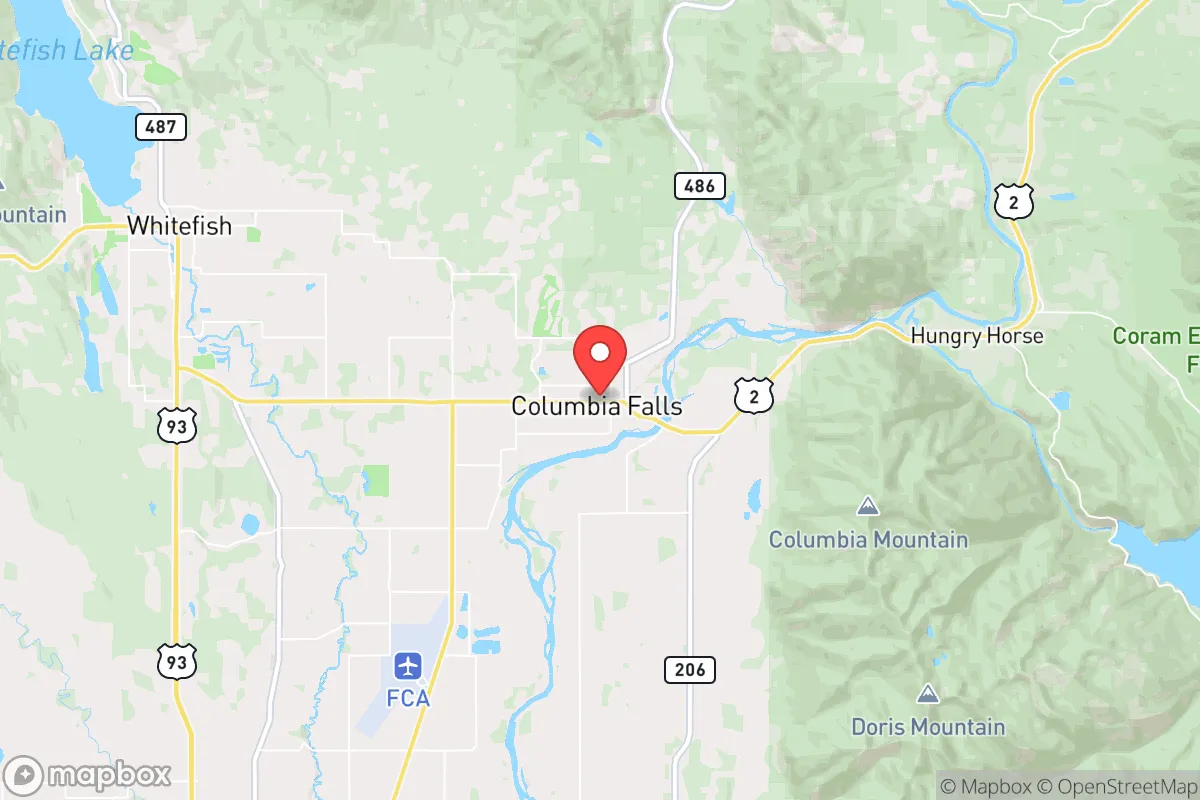
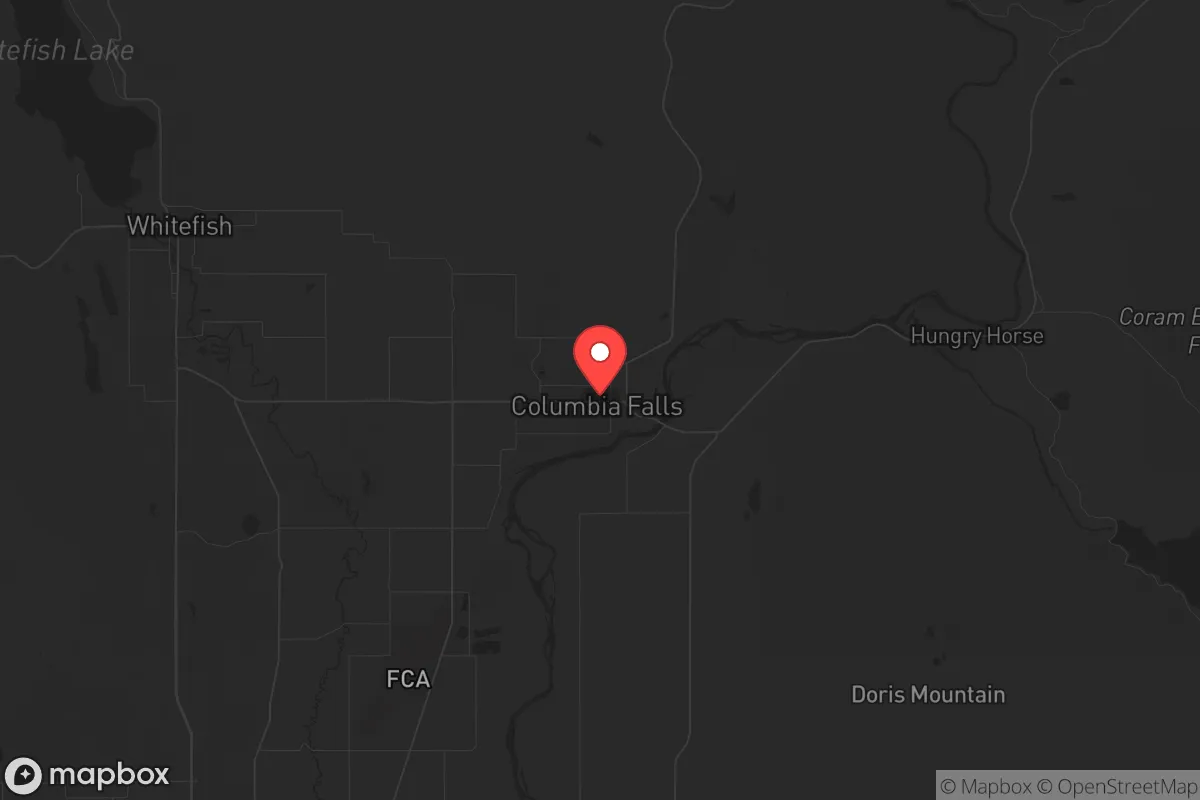
District shown is the primary district for this city’s centroid. Cities may span multiple districts.
Local Political AnalysisPolitical Analysis of Columbia Falls, MT
Columbia Falls has always been a solidly conservative community, and that hasn't changed much, even as the rest of the country gets pulled in different directions. The area's Cook Partisan Voting Index of R+5 tells you the baseline, but it doesn't capture the local feel—this is a place where folks still believe in minding their own business and keeping the government out of their backyards. If anything, the political trajectory here is a slow, steady pushback against the progressive creep you see in places like Missoula or even Kalispell, which has gotten a little more purple over the years. The long-term worry among locals is that outside money and new transplants from blue states will try to shift things left, but so far, the county commission and local school board have held the line on fiscal responsibility and personal liberty.
How it compares
Compared to the rest of Flathead County, Columbia Falls is actually a bit more conservative than the county average, which itself leans right. Kalispell, just 15 minutes south, has seen a noticeable influx of remote workers and retirees from California and Washington, and that's brought a more moderate, sometimes even progressive, tilt to its city council races and local ballot initiatives. Whitefish, of course, is the outlier—it's become a liberal enclave with high property taxes and a lot of government-funded arts programs that make longtime residents shake their heads. Columbia Falls, by contrast, still feels like the working-class heart of the valley. The difference shows up in things like zoning fights: while Whitefish debates density bonuses and affordable housing mandates, Columbia Falls is more likely to ask, "Why does the county need to tell me what I can do with my own land?" That independent streak is what keeps the political climate here stable and resistant to the overreach you see in bigger Montana towns.
What this means for residents
For someone living here, the political climate means you can generally expect local government to stay out of your way. Property taxes are relatively low compared to the rest of the state, and there's no appetite for the kind of progressive social engineering that drives up costs and restricts personal choices—like mask mandates or vaccine passports, which were a non-starter here during the pandemic. The school board has resisted critical race theory and gender ideology curricula, focusing instead on basics and vocational training. That said, the pressure is mounting. As more people move in from out of state, you see more ballot measures trying to raise taxes for "community programs" or "environmental initiatives" that sound nice but usually mean more bureaucracy and less freedom. The key for residents is staying engaged at the local level—showing up to commission meetings and voting in every primary—because the moment you get complacent is the moment some outside group tries to impose their vision on your town.
Culturally, Columbia Falls still holds onto a few distinctions that set it apart from the rest of the valley. The annual Columbia Falls Log Days celebration is a throwback to the timber industry roots that built this place, and you won't find the same kind of boutique festivals or farmer's markets that dominate Whitefish's calendar. There's also a strong Second Amendment culture here—most folks carry, and the idea of red flag laws or magazine capacity limits is seen as a direct threat to personal safety. Policy-wise, the city has kept its zoning code simple and avoided the kind of historic district overlays that let government tell you what color to paint your house. If you're looking for a place where you can live your life without a lot of bureaucratic hassle, and where the political winds still blow toward individual rights and local control, Columbia Falls is about as good as it gets in Northwest Montana. Just keep an eye on those city council races—that's where the future gets decided.

State Political ClimatePolitical Climate in Montana
State Political AnalysisPolitical Environment in the State
Montana has long been a reliably Republican state at the presidential level, voting for the GOP candidate in every election since 1968 except for 1992, but its internal politics are far more nuanced than a simple red-state label suggests. The dominant coalition is a mix of libertarian-leaning ranchers, conservative small-town residents, and a growing number of out-of-state transplants, many of whom are fleeing progressive policies elsewhere. Over the last 10-20 years, the state has shifted rightward in its rural and exurban areas, while the few growing urban centers have become more competitive, creating a political landscape that is simultaneously more conservative and more polarized than it was two decades ago.
Urban vs. rural divide
The political map of Montana is a textbook case of the urban-rural split. The state’s largest city, Billings, remains a Republican stronghold in Yellowstone County, which has voted for the GOP in every presidential race since 2000, often by double digits. Missoula, home to the University of Montana, is the state’s most liberal city, consistently voting Democratic and serving as a hub for environmental activism and progressive organizing. Bozeman, in Gallatin County, has been the epicenter of the state’s population boom and political shift; once a reliably Republican area, it has become a swing county, with Democrats winning it in 2020 and 2024 by narrow margins, driven by an influx of wealthy, left-leaning newcomers from California and Colorado. Helena, the capital, leans Democratic due to state government workers, while Great Falls and Butte are more working-class and have trended Republican as union ties have weakened. The rural counties east of the Rockies—like McCone, Garfield, and Petroleum—routinely vote 80-90% Republican, while the Flathead Reservation and areas around Kalispell have become reliably conservative, with Flathead County voting +30 points for Trump in 2024. The divide is stark: the state’s six largest counties (Yellowstone, Gallatin, Missoula, Flathead, Cascade, and Lewis and Clark) now hold over 60% of the population, and their political leanings determine statewide outcomes.
Policy environment
Montana’s policy environment is broadly conservative, with a strong emphasis on limited government and individual liberty. The state has no sales tax, a flat income tax rate of 5.9% (reduced from 6.9% in 2021), and property taxes that are relatively low by national standards. The regulatory posture is business-friendly, with no state-level minimum wage above the federal $7.25 and a right-to-work law passed in 2021. Education policy has been a flashpoint: in 2023, the legislature passed House Bill 303, which prohibits classroom instruction on sexual orientation and gender identity in K-3 grades, and Senate Bill 99, which allows parents to opt their children out of any curriculum materials they find objectionable. Healthcare is a mixed bag—Montana expanded Medicaid under the ACA in 2015, but the program is up for reauthorization in 2025, and conservative lawmakers are pushing for work requirements. Election laws have tightened: in 2021, the state passed House Bill 176, requiring a photo ID to vote, and Senate Bill 169, which ended same-day voter registration. The state also has a constitutional right to hunt and fish, and it is a “constitutional carry” state for firearms, meaning no permit is needed to carry a concealed weapon.
Trajectory & freedom
Montana is arguably becoming more free in several key areas, but the trend is not uniform. On gun rights, the state has expanded liberty: in 2021, the legislature passed House Bill 102, which prohibits state and local law enforcement from enforcing federal gun laws that violate the Montana Constitution, and in 2023, Senate Bill 423 allowed the carrying of firearms in most government buildings. On parental rights, the 2023 session saw the passage of House Bill 361, which requires schools to notify parents if a child requests a name or pronoun change, and Senate Bill 458, which bans gender-affirming medical care for minors. On property rights, the state has pushed back against federal overreach: in 2023, Governor Greg Gianforte signed House Bill 190, which requires the state to sue the federal government over any “unlawful” federal land management that harms local economies. However, there are concerning trends: the influx of out-of-state money has driven up housing prices, and some local governments—particularly in Bozeman and Missoula—have imposed growth restrictions and inclusionary zoning mandates that infringe on property rights. The state also saw a push for a state-level “red flag” law in 2023, which was defeated, but the issue is likely to return.
Civil unrest & political movements
Montana has seen relatively little civil unrest compared to other states, but there have been notable flashpoints. In 2020, Missoula saw several Black Lives Matter protests, including a march that blocked traffic on Interstate 90, and a statue of a Confederate soldier was removed from the county courthouse lawn. The state has a small but vocal far-right movement, with groups like the Montana Freedom Caucus gaining influence in the legislature; they have pushed for nullification of federal gun laws and have been involved in election integrity efforts, including a 2022 audit of the 2020 election in Flathead County that found no evidence of widespread fraud. Immigration politics are less heated than in border states, but the 2023 legislature passed House Bill 215, which prohibits “sanctuary city” policies and requires local law enforcement to cooperate with federal immigration authorities. The most visible political movement in recent years has been the “Montana Land Use” debate, with rural residents organizing against proposed federal land transfers and conservation easements that they see as federal overreach. A new resident would notice the prevalence of “Don’t Tread on Me” flags and “Keep Montana Free” bumper stickers, particularly in rural areas and at county fairs.
Projection
Over the next 5-10 years, Montana is likely to become more politically competitive at the state level, but the overall conservative tilt will persist. The key demographic driver is the influx of out-of-state migrants, particularly to Gallatin County (Bozeman) and Missoula County. These newcomers tend to be wealthier and more educated, and while many are fleeing progressive policies in their home states, they also bring moderate-to-liberal views on social issues. If current trends hold, Gallatin County could become reliably Democratic within a decade, which would flip the state’s second-largest county and make statewide races much closer. However, the rural counties are not shrinking as fast as in other states, and the state’s legislative districts are heavily gerrymandered in favor of rural areas. The Montana Supreme Court, currently controlled by a 5-2 conservative majority, will be a battleground over issues like abortion (the state has a 1999 law protecting abortion access, but a 2023 trigger law banning it is being litigated) and parental rights. The biggest wildcard is housing: if the state fails to address the affordability crisis, the in-migration could slow, preserving the current political balance. Someone moving in now should expect a state that remains conservative on fiscal and gun issues, but where the culture wars over education and medical freedom will intensify.
For a new resident, the bottom line is that Montana offers a high degree of personal freedom—low taxes, strong gun rights, and limited government interference—but the political landscape is shifting. If you’re moving to Billings or Kalispell, you’ll find a reliably conservative community. If you’re headed to Bozeman or Missoula, be prepared for a more mixed environment where local politics are increasingly contested. The state’s trajectory is toward more polarization, not less, and the battles over education, medical freedom, and property rights will define the next decade. If you value individual liberty and want to live in a place where your vote still counts, Montana is a solid choice—but keep an eye on the legislature and the courts, because the fight for freedom is never over.
* Values derived from national, state, county, city and local statistics and may differ in a specific area. Last updated: 2026-04-29T22:11:44.000Z
Narrative content on this page is AI-generated and may contain mistakes. Verify any details that matter before acting on them.
ReloMaps may earn a commission from affiliate links at no extra cost to you.

