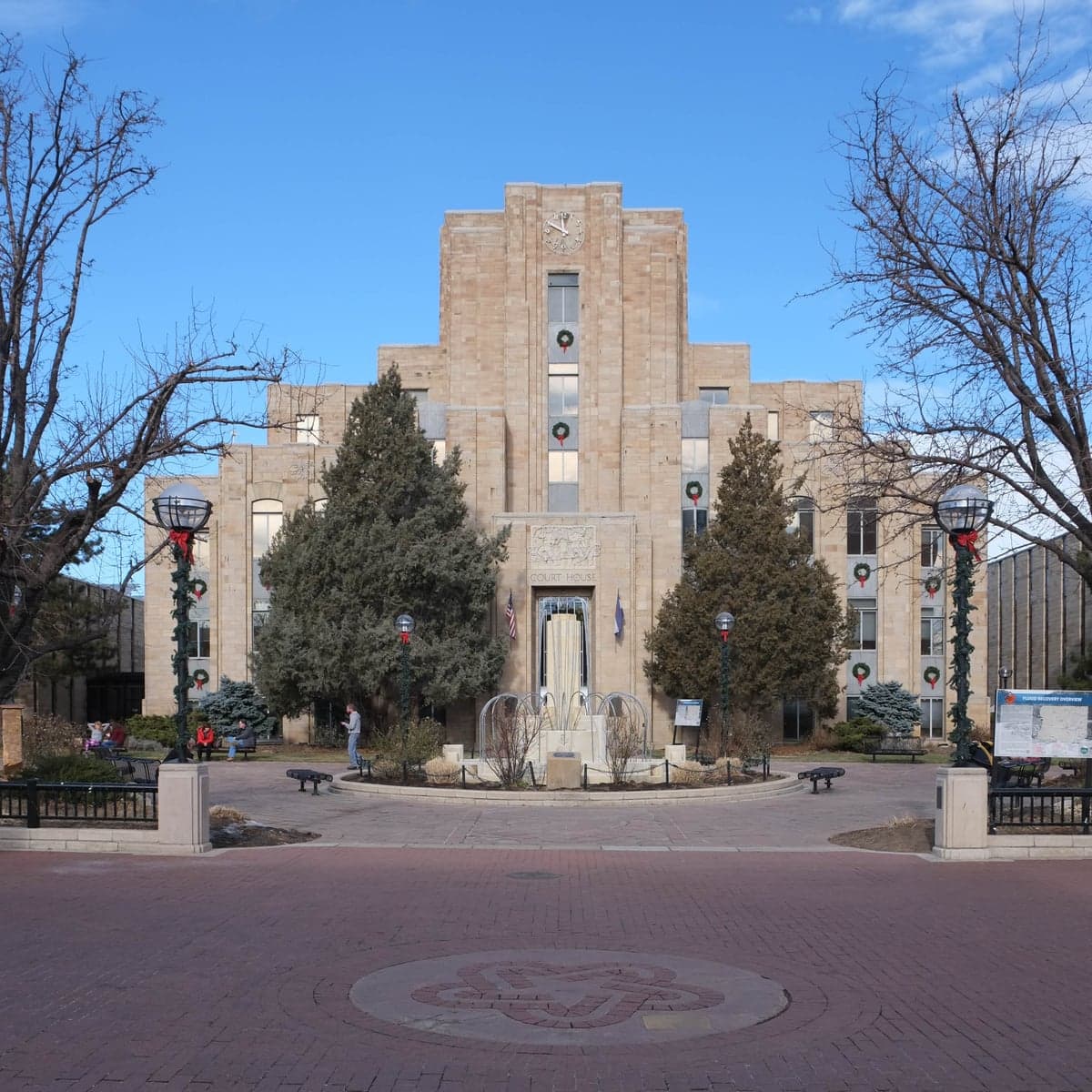
Photo: Wikipedia
Quality of Life in Boulder County
A livable area that tracks near national norms for affordability, walkability, and neighborhood health.
What does Quality of Life tell us?
Quality of Life measures an area by evaluating factors like cost of living, nearby amenities, country club access, airport proximity, socioeconomic signals and neighborhood character. For large states, this is a general average — quality of life can vary dramatically between metro areas, suburbs, and rural communities within the same state.
What does this tell us?
Quality of Life measures an area by evaluating factors like cost of living, nearby amenities, country club access, airport proximity, socioeconomic signals and neighborhood character. For large states, this is a general average — quality of life can vary dramatically between metro areas, suburbs, and rural communities within the same state.
Cost of Living
99% above national average
50%
The Real Cost of Living in Boulder County for 2026
| Tier | Individual | Family (4) |
|---|---|---|
| Survival | $30k | $57k |
| Comfortable | $139k | $204k |
| Luxury | $186k+ | $288k+ |
| Elite (Top 5%) | $242k+ | $375k+ |
Quality-of-Life Analysis
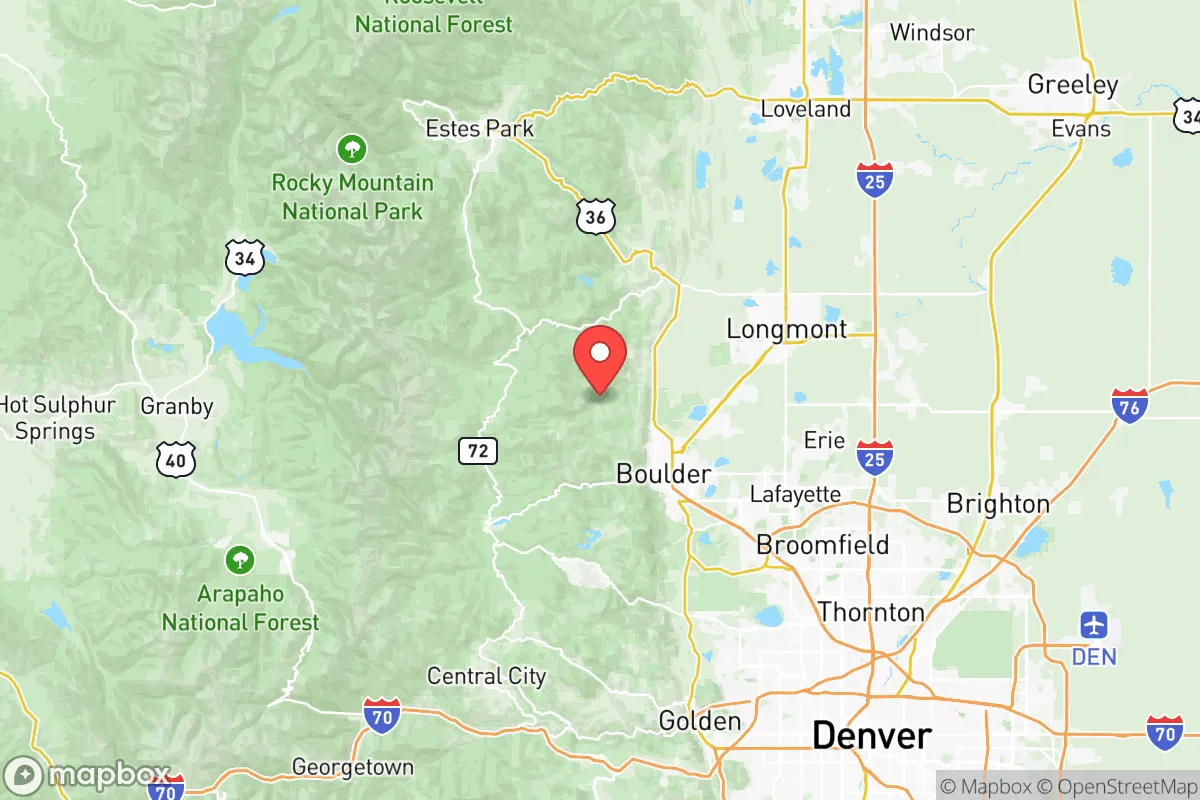
Boulder County offers one of the most dramatic quality-of-life spectrums in Colorado, ranging from the dense, amenity-rich city of Boulder itself to unincorporated mountain hamlets and working agricultural plains. The county draws a diverse mix of tech professionals, University of Colorado faculty, outdoor athletes, and long-time rural residents, each finding a distinct lifestyle within its 740 square miles. With a cost-of-living index of 199 — nearly double the national average — the trade-offs between urban convenience, suburban space, and mountain solitude are sharply defined by location.
Largest town(s) & population centers
Boulder is the county's dominant population center, home to roughly 105,000 residents and the University of Colorado Boulder. Daily life here is defined by a walkable downtown, the Pearl Street Mall, a robust bike-path network, and a concentration of tech and bioscience employers such as Google, IBM, and Ball Aerospace. The city's median home value of $713,900 and median rent of $1,893 reflect its premium on proximity to open space and cultural amenities. Longmont, the county's second-largest city with about 98,000 residents, offers a more affordable entry point and a growing downtown centered around Main Street breweries and the St. Vrain Greenway. Louisville and Lafayette are smaller, family-oriented suburbs with strong school systems, historic downtowns, and easy access to US 36 for the average 23-minute commute to Boulder or Denver.
Smaller towns & rural pockets
Beyond the front-range corridor, Boulder County's character shifts dramatically. Nederland, perched at 8,200 feet in the mountains west of Boulder, is a former mining town turned artsy mountain community, popular with skiers and hikers heading to Eldora Mountain Resort. Lyons, at the county's northern edge, is a gateway to Rocky Mountain National Park and a hub for rock climbers and bikers, with a small-town feel and the St. Vrain River running through its center. Ward, a tiny unincorporated community at 9,000 feet, offers extreme seclusion and a handful of year-round residents. On the eastern plains, Niwot and Gunbarrel are unincorporated areas that blend suburban subdivisions with remnant agricultural land, while Allenspark and Jamestown are remote mountain hamlets with limited services and strong community ties.
Cost & lifestyle range
The cost-of-living index of 199 masks extreme internal variation. At the high end, Boulder's Chautauqua neighborhood and west of Broadway command $2 million-plus homes with direct trail access, while downtown Longmont and east Lafayette offer condos and starter homes in the $400,000–$500,000 range. Mountain towns like Nederland and Ward have lower median home prices than Boulder proper — often $500,000–$600,000 — but higher heating costs, longer commutes on winding roads, and limited grocery and healthcare access. On the plains, eastern Longmont and unincorporated areas near Hygiene still contain working farms and ranches, where land prices per acre are lower but services are sparse. The lifestyle range is equally broad: a Boulder resident might walk to a farmers market and a climbing gym, while a Ward resident might drive 30 minutes for a gallon of milk and rely on a wood stove for heat.
Boulder County best suits those who can afford its premium housing costs and who value outdoor recreation, progressive politics, and high-quality public schools. Families and professionals who prioritize walkability and cultural density gravitate to Boulder and Longmont, while those seeking solitude, mountain living, or agricultural land find their niche in the county's smaller towns and rural pockets. The common thread is a willingness to pay for access to open space, clean air, and the Front Range's active lifestyle — whether that means a $1,893 monthly rent in a downtown Boulder apartment or a $500,000 fixer-upper in the mountains of Ward.

Crime in Boulder County
Crime rates similar to the national median for U.S. locations.
Violent CrimeViolent Crime Analysis
Property CrimeProperty Crime Analysis
Crime Analysis
Boulder County’s overall safety picture is a study in contrasts: its violent crime rate of 426.6 per 100,000 residents sits slightly above the national average, while its property crime rate of 2,173.1 per 100,000 is notably higher than both state and national benchmarks. The county’s progressive judicial philosophy, particularly in the 20th Judicial District covering Boulder and surrounding areas, has led to policies that prioritize diversion and reduced sentencing for non-violent offenders. This approach, while intended to reduce recidivism, has resulted in a revolving-door justice system that residents and business owners in high-traffic areas like downtown Boulder and the Pearl Street Mall say emboldens repeat property criminals and leaves victims feeling unheard.
Crime in context
When compared to Colorado’s statewide violent crime rate of roughly 370 per 100,000, Boulder County’s 426.6 figure is about 15% higher, driven largely by incidents in the city of Boulder itself. The property crime rate of 2,173.1 per 100,000 is significantly above the national average of approximately 1,950 per 100,000, placing the county in the top 20% of Colorado counties for theft and burglary. Boulder County’s property crime rate is roughly 50% higher than neighboring Larimer County, which has a more traditional law-and-order approach in its district attorney’s office. The disparity is most visible in auto theft and bicycle theft, with the city of Boulder reporting over 1,200 bike thefts annually—a figure that dwarfs communities like Longmont and Louisville, where police departments maintain dedicated property-crime units and prosecutors are less likely to offer plea deals to repeat offenders.
What residents experience
For residents, the most tangible impact of the county’s crime trends is the frequency of property crime in mixed-use neighborhoods. Areas near the University of Colorado Boulder campus and along the 29th Street retail corridor experience the highest density of thefts and vehicle break-ins, often committed by individuals who cycle through the justice system with minimal consequences. In contrast, the towns of Superior and Erie—both within Boulder County but with their own police departments and more conservative judicial oversight—report property crime rates roughly 30% lower than the county average. Violent crime, while less common, is concentrated in specific corridors: the city of Boulder’s central business district and parts of Longmont near Main Street see elevated rates of aggravated assault and robbery. The county’s district attorney, a progressive elected official, has publicly emphasized restorative justice programs and declined to prosecute certain low-level property crimes, a policy that local business associations argue has normalized theft as a low-risk activity.
Neighborhood-level variation
Safety varies dramatically within Boulder County, largely along lines of municipal jurisdiction and policing philosophy. The city of Boulder itself accounts for roughly 60% of the county’s reported crime, while the unincorporated mountain communities like Nederland and Ward report almost no violent crime and property crime rates below 500 per 100,000. The town of Lyons, situated at the county’s northern edge, benefits from a dedicated sheriff’s substation and has maintained a violent crime rate under 100 per 100,000 for the past five years. Conversely, the city of Longmont, which operates its own police force and has a more moderate district attorney in the 17th Judicial District, has seen property crime drop 12% since 2022 after implementing a targeted auto-theft task force. For prospective residents, the choice between Boulder’s urban amenities and the lower-crime suburbs of Louisville, Superior, or Erie often comes down to tolerance for property crime versus access to transit and nightlife—a trade-off shaped directly by the county’s progressive criminal justice policies.
* Values derived from national, state, county, city and local statistics and may differ in a specific area. Last updated: 2026-06-08T18:37:48.000Z
Narrative content on this page is AI-generated and may contain mistakes. Verify any details that matter before acting on them.
ReloMaps may earn a commission from affiliate links at no extra cost to you.

