Quality of Life in Clearwater, TX
Above-average quality of iife. The area offers a reasonable cost of living, decent mobility, and a mix of neighborhood amenities.
What does Quality of Life tell us?
Quality of Life blends cost of living, nearby amenities, socioeconomic signals, and neighborhood character. City-level scores represent the whole municipality; individual neighborhoods can differ.
What does this tell us?
Quality of Life blends cost of living, nearby amenities, socioeconomic signals, and neighborhood character. City-level scores represent the whole municipality; individual neighborhoods can differ.
Cost of Living
31% below national average
The Real Cost of Living in Clearwater, TX for 2026
| Tier | Individual | Family (4) |
|---|---|---|
| Survival | $15k | $28k |
| Comfortable | $30k | $43k |
| Luxury | $78k+ | $121k+ |
| Elite (Top 5%) | $92k+ | $142k+ |
119%
The Area Signal
A metric tracking the socioeconomic signals of the area.
Limited data for this area
Limited data for this area
Hobbies
Explore the areaGroceries
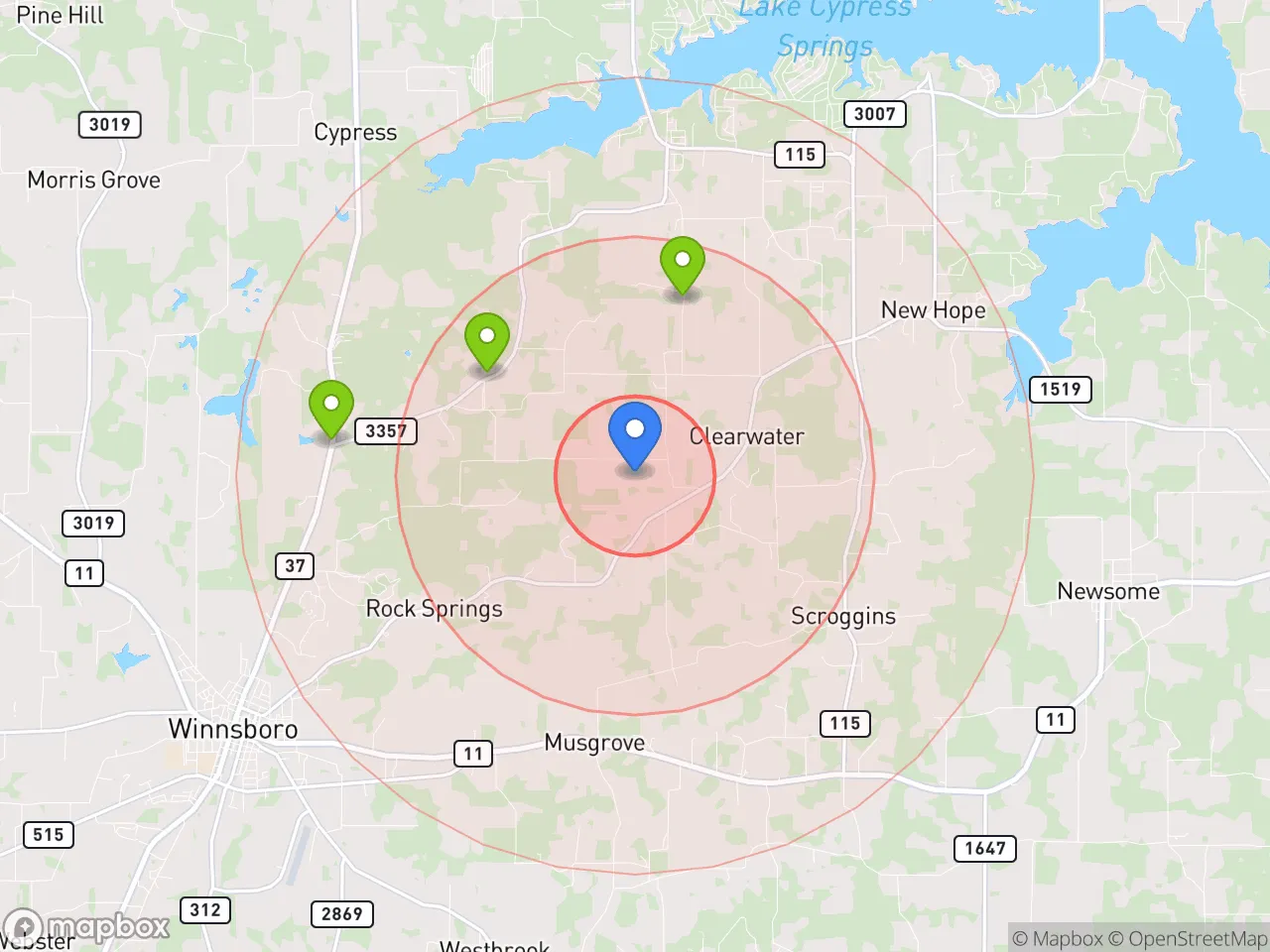
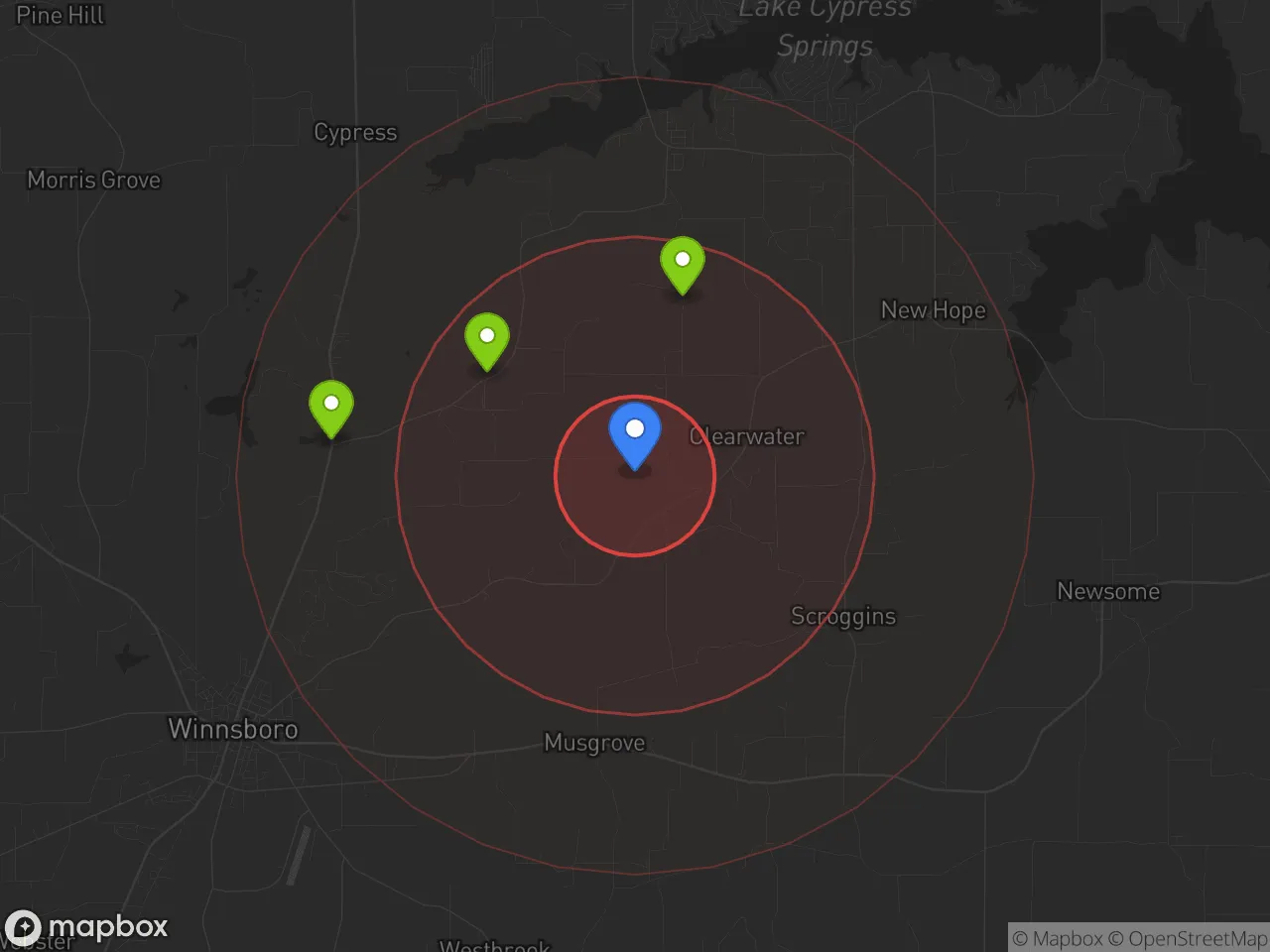
1 within 10 miles
Gas
1 within 10 miles
Hospital
4 within 20 miles
Airport
DFW — Dallas/Fort Worth International
Post Office
USPS — Leesburg, TX
Critical Amenities
Quality-of-Life Analysis
Clearwater, Texas, offers a notably affordable quality of life that attracts a mix of working-class families, retirees, and commuters seeking a quieter, lower-cost alternative to the Dallas-Fort Worth metroplex. With a cost of living index of 69—well below the U.S. average of 100—the area is characterized by a practical, no-frills lifestyle where residents prioritize financial stability and space over urban amenities. The population skews toward middle-income earners, many employed in local manufacturing, healthcare, and retail, alongside a growing number of remote workers drawn by the low housing costs.
How housing costs and daily expenses compare to nearby cities
Clearwater’s housing market is a primary draw, with a median home value of $152,000 and median rent of $925, making it significantly cheaper than the national average and most of the Dallas-Fort Worth suburbs. For context, a comparable home in McKinney or Frisco would cost three to four times more, while even smaller towns like Sherman or Denison carry higher price tags. The overall cost of living index of 69 means groceries, utilities, and transportation are also below average, though residents should note that property taxes in Texas are relatively high—typically 1.8% to 2.2% of assessed value—which can offset some savings. The average commute of 26.7 minutes is manageable, with most workers driving to nearby employment hubs like Sherman (15 minutes north) or Denison (20 minutes east), rather than facing the hour-plus slog into downtown Dallas. This balance of low housing costs and reasonable commute times makes Clearwater a practical choice for budget-conscious buyers who don’t need to be in a major metro daily.
What daily life is like for families: schools, shopping, and recreation
Daily life in Clearwater centers on a small-town rhythm, with most errands handled locally or in nearby Sherman. The area is served by the Sherman Independent School District, which includes Clearwater Elementary and Sherman High School—both rated average by the Texas Education Agency, with the high school offering a few Advanced Placement courses and a solid athletics program. For shopping and dining, residents typically drive 10–15 minutes to Sherman for grocery stores (Walmart, Aldi), chain restaurants, and basic retail, while more extensive options (e.g., Stonebriar Centre mall) require a 45-minute trip to Frisco. Outdoor recreation is limited but functional: Lake Texoma (30 minutes east) provides fishing, boating, and camping, while local parks like Clearwater Park offer playgrounds and walking trails. The area lacks a vibrant nightlife or cultural scene, so families and retirees tend to fill weekends with lake trips, high school sports, or DIY home projects. For those who value quiet, space, and low overhead, this trade-off is acceptable; for those seeking urban energy, it would feel isolating.
Clearwater is best suited for individuals and families who prioritize affordability and a slower pace over proximity to big-city attractions. Retirees on fixed incomes, first-time homebuyers priced out of the DFW suburbs, and remote workers who need only occasional airport access (DFW is about 75 minutes south) will find the cost savings compelling. However, professionals in high-paying fields or those who crave walkable neighborhoods, diverse dining, or top-tier schools should look elsewhere. The area delivers exactly what its numbers promise: a low-cost, low-fuss lifestyle for those willing to trade urban convenience for financial breathing room.

Crime in Clearwater, TX
Crime rates similar to the national median for U.S. locations.
Violent CrimeViolent Crime Analysis
Property CrimeProperty Crime Analysis
Crime Analysis
Clearwater, Texas, presents a mixed safety profile that demands careful consideration from potential residents. The city's violent crime rate of 345.5 incidents per 100,000 residents and property crime rate of 1,798.2 per 100,000 place it above national averages, a reality shaped in part by its proximity to the Tampa Bay metropolitan area and the progressive judicial policies that dominate the region. These numbers indicate that while Clearwater is not among the most dangerous cities in the state, it is not a low-crime haven either, and the broader legal environment in the Tampa metro area—characterized by liberal district attorneys and judges who prioritize offender rehabilitation over strict sentencing—contributes to a higher likelihood of repeat offenses and reduced public safety.
Crime in context
Clearwater's violent crime rate of 345.5 per 100,000 is approximately 25% higher than the national average of roughly 280 per 100,000 and significantly above the Florida state average of about 380 per 100,000. Property crime at 1,798.2 per 100,000 is also elevated compared to the national figure of around 1,950 per 100,000, but notably lower than the Florida state average of approximately 2,100 per 100,000. These statistics place Clearwater in a middle tier among similarly sized Florida cities. However, the context of the Tampa Bay metro area is critical: the region has seen a rise in property crimes like theft and vehicle break-ins, which local law enforcement attributes in part to progressive bail reform policies and diversion programs that reduce the time offenders spend in custody, allowing them to reoffend more quickly.
What residents experience
Residents report that property crime—particularly theft from vehicles, package theft, and bicycle theft—is the most common safety concern in daily life. Violent crime is less frequent but tends to cluster in specific areas, such as parts of downtown and near major transit corridors. The presence of a progressive district attorney in the 6th Judicial Circuit, which covers Pinellas County, has led to policies that decrease the likelihood of pretrial detention for nonviolent offenders, a factor that many residents believe emboldens repeat property criminals. Neighborhood watch programs are active in communities like Harbor Oaks and Belleair, but effectiveness varies. The overall sentiment among long-term residents is one of cautious vigilance rather than alarm, though the judicial philosophy of leniency is a frequent topic of local concern.
Neighborhood-level variation is significant. Areas closer to the waterfront and higher-income districts like Sand Key and Island Estates report lower violent crime but still experience property crime, while neighborhoods near the downtown core and along U.S. 19 see higher rates of both. The city's police department has implemented community policing initiatives, but the broader judicial environment—where offender-centric policies often take precedence over victim and public safety—remains a structural challenge that individual policing cannot fully overcome. For those considering relocation, a thorough review of block-level crime data and a visit to prospective neighborhoods at different times of day are strongly recommended.
* Values derived from national, state, county, city and local statistics and may differ in a specific area. Last updated: 2026-10-17T15:09:37.000Z
Narrative content on this page is AI-generated and may contain mistakes. Verify any details that matter before acting on them.
ReloMaps may earn a commission from affiliate links at no extra cost to you.

