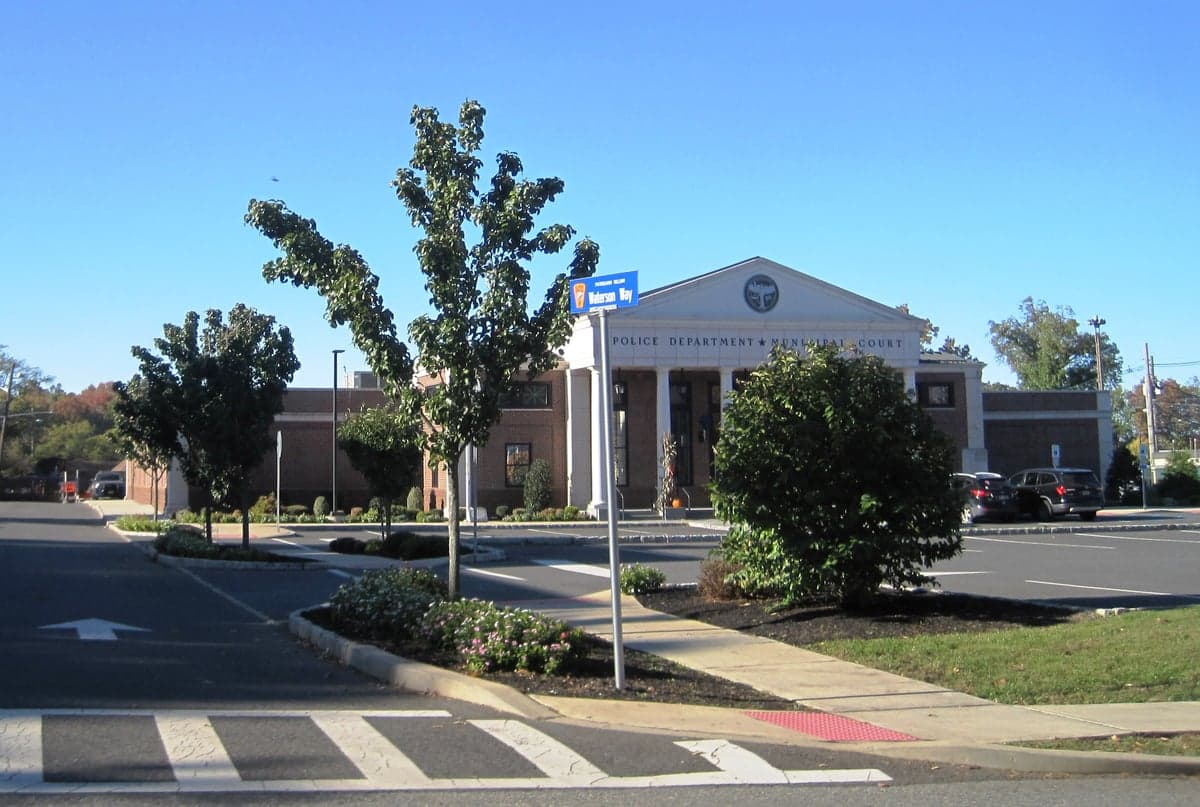
Photo: Wikipedia
Quality of Life in Clark, NJ
A high quality of life with strong walkability, manageable living costs, healthy neighborhood signals, and solid amenity access.
What does Quality of Life tell us?
Quality of Life blends cost of living, nearby amenities, socioeconomic signals, and neighborhood character. City-level scores represent the whole municipality; individual neighborhoods can differ.
What does this tell us?
Quality of Life blends cost of living, nearby amenities, socioeconomic signals, and neighborhood character. City-level scores represent the whole municipality; individual neighborhoods can differ.
Cost of Living
55% above national average
The Real Cost of Living in Clark, NJ for 2026
| Tier | Individual | Family (4) |
|---|---|---|
| Survival | $26k | $48k |
| Comfortable | $99k | $146k |
| Luxury | $182k+ | $283k+ |
| Elite (Top 5%) | $228k+ | $354k+ |
69%
The Area Signal
A metric tracking the socioeconomic signals of the area.
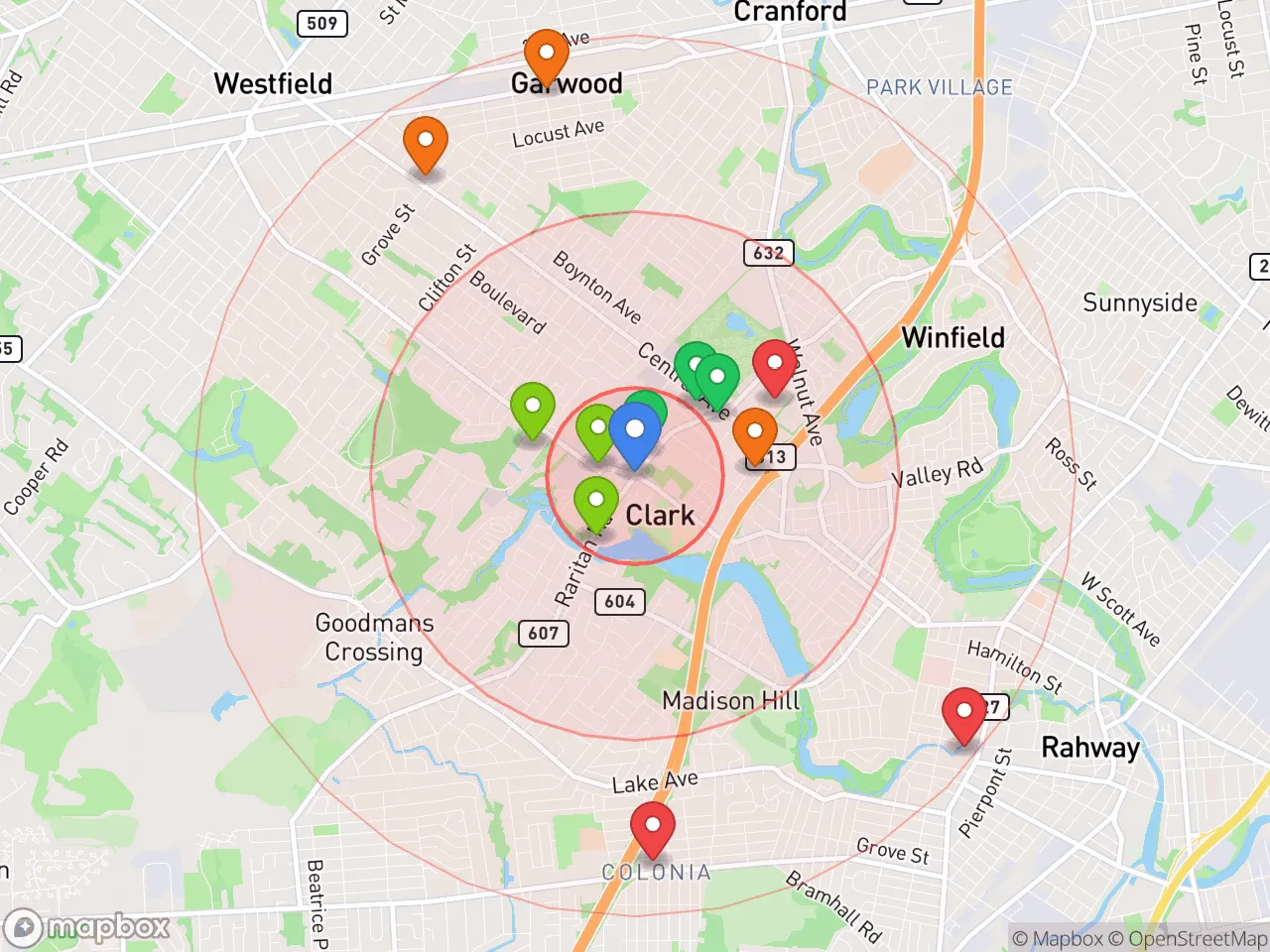
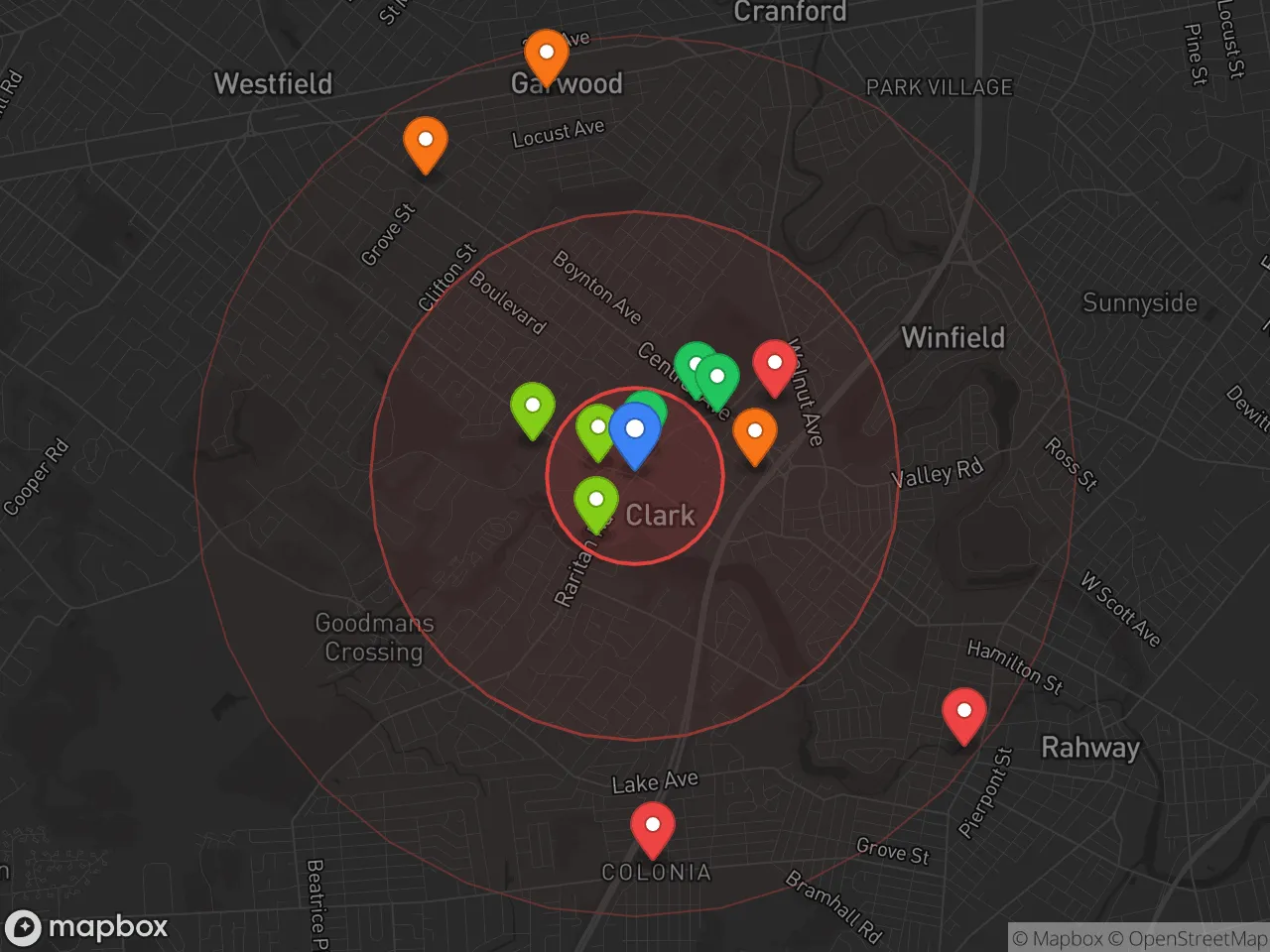
Hobbies
Explore the areaGroceries
0 within 10 miles
Gas
0 within 10 miles
Hospital
0 within 20 miles
Airport
EWR — Newark Liberty International
Post Office
Critical Amenities
Quality-of-Life Analysis
Clark, New Jersey, is a solidly upper-middle-class township in Union County, with a cost of living index of 155 — a full 55% above the national average — that reflects its position as a commuter haven for professionals working in New York City and northern New Jersey. The community skews toward established families, long-time residents, and white-collar workers who prioritize top-rated schools, low crime, and a quiet suburban rhythm over nightlife or urban density. With a median home value of $509,800 and a median rent of $1,603, Clark attracts buyers and renters who are willing to pay a premium for safety, school quality, and a 30-minute-or-less rail commute to Manhattan.
How housing costs and affordability compare to nearby towns
Clark’s real estate market sits in a notable middle ground within Union County: it is significantly more affordable than neighboring Westfield or Cranford, where median home values routinely exceed $700,000, yet it carries a clear premium over working-class towns like Rahway or Linden. The median home value of $509,800 buys a classic mid-century ranch or split-level on a quarter-acre lot, typically within walking distance of one of Clark’s four elementary schools. Renters face a tighter market — the median rent of $1,603 is below the state average but still commands a substantial share of household income, especially for younger renters just entering the market. Property taxes are the hidden cost: New Jersey’s famously high levies mean a $509,800 home in Clark carries an annual tax bill of roughly $12,000 to $14,000, a figure that pushes the true monthly cost of ownership well above the mortgage payment alone. Compared to nearby Scotch Plains or Summit, Clark offers roughly 20-25% more square footage for the same purchase price, making it a pragmatic choice for families who want Union County schools without the prestige-town markup.
Schools, amenities, and what daily life actually feels like
Daily life in Clark revolves around the Arthur L. Johnson High School district, which consistently ranks in the top 20% of New Jersey high schools by test scores and college placement, and the township’s compact, car-dependent layout means most errands are a five-minute drive. The Clark Recreation Department runs a robust slate of youth sports — baseball, soccer, and basketball leagues that fill the fields at Oak Ridge Park and the township’s several small parks — and the Clark Public Library anchors a modest downtown strip along Westfield Avenue. The average commute of 29.6 minutes is the single biggest lifestyle factor: most residents drive to the Cranford or Rahway NJ Transit stations, park in the municipal lots, and ride the Raritan Valley Line or Northeast Corridor into Penn Station, a trip that runs 35-45 minutes door-to-door. Weekend errands typically mean a short drive to the Clark Commons shopping center (Stop & Shop, Target, and a handful of chain restaurants) or a longer trip to the Short Hills Mall or downtown Westfield for anything upscale. The township has no real nightlife to speak of — the social calendar is built around school events, town parades, and the annual Clark Street Fair — and residents accept that trade-off willingly. Crime is minimal, with the Clark Police Department reporting fewer than 50 property crimes per year across the entire 4.5-square-mile township, a figure that makes it one of the safest municipalities in Union County.
Clark is best suited for families and established professionals who want Union County’s school quality and commuter access without the prestige pricing of Westfield or Summit, and who are comfortable trading urban amenities for a safe, predictable, car-oriented suburb. Singles and young couples without children will likely find the social scene thin and the housing stock dated, but for parents prioritizing school rankings, short commutes, and a community where neighbors know each other by name, Clark delivers consistently on all three. The high tax burden and elevated cost of living are real drawbacks, but for households earning $120,000 or more — the income level needed to comfortably afford the median-priced home — Clark offers a stable, low-drama quality of life that few nearby towns can match at the same price point.

Crime in Clark, NJ
Lower crime rates than 90% of comparable U.S. locations.
Violent CrimeViolent Crime Analysis
Property CrimeProperty Crime Analysis
Crime Analysis
Clark, New Jersey, presents a notably mixed safety profile for a suburban community within the New York metropolitan area. While the township’s violent crime rate is exceptionally low at 18.2 incidents per 100,000 residents, its property crime rate of 1,360.1 per 100,000 is significantly elevated, creating a situation where residents face a high risk of theft and burglary despite a very low risk of violent assault. This disparity makes Clark a community where personal safety is generally high, but property security demands constant vigilance.
Crime in context
Clark’s violent crime rate of 18.2 per 100,000 is a fraction of both the New Jersey state average (roughly 200 per 100,000) and the national average (approximately 380 per 100,000), placing it among the safest municipalities in the state for violent offenses. However, the property crime rate tells a different story. At 1,360.1 per 100,000, Clark’s property crime rate is nearly double the New Jersey state average and well above the national median for suburban communities. This pattern—low violence but high property crime—is common in affluent suburbs with easy highway access, as Clark sits near the Garden State Parkway and Route 1, providing quick egress for thieves targeting parked cars, packages, and unoccupied homes.
What residents experience
For daily life in Clark, the practical impact of these statistics is a community where residents feel safe walking their neighborhoods at night but routinely deal with theft from vehicles, package porch piracy, and occasional home burglaries. The low violent crime rate means that schools, parks, and downtown areas are generally free from the threat of robbery or assault. However, the high property crime rate creates a persistent nuisance and financial burden. Residents commonly invest in security cameras, motion-sensor lighting, and neighborhood watch participation. The presence of Union County’s progressive prosecutorial policies is a concern for many residents, as critics argue that a lenient approach to property crime offenders—such as reduced bail requirements and diversion programs for repeat theft suspects—contributes to a cycle where criminals are quickly returned to the streets, undermining deterrence and victim restitution.
Neighborhood-level variation within Clark is primarily driven by proximity to major roads and transit. Areas near the Clark Circle shopping district and the Garden State Parkway interchange experience the highest rates of vehicle break-ins and retail theft. Conversely, the quiet residential streets in the eastern and southern parts of the township, particularly those with limited through-traffic, report fewer incidents. The township’s police department maintains a visible presence and runs active community policing programs, but the structural challenge of being a high-access suburb within a large metro area with progressive criminal justice policies means that property crime remains a stubbornly persistent issue for Clark residents.
* Values derived from national, state, county, city and local statistics and may differ in a specific area. Last updated: 2026-11-13T06:00:37.000Z
Narrative content on this page is AI-generated and may contain mistakes. Verify any details that matter before acting on them.
ReloMaps may earn a commission from affiliate links at no extra cost to you.

