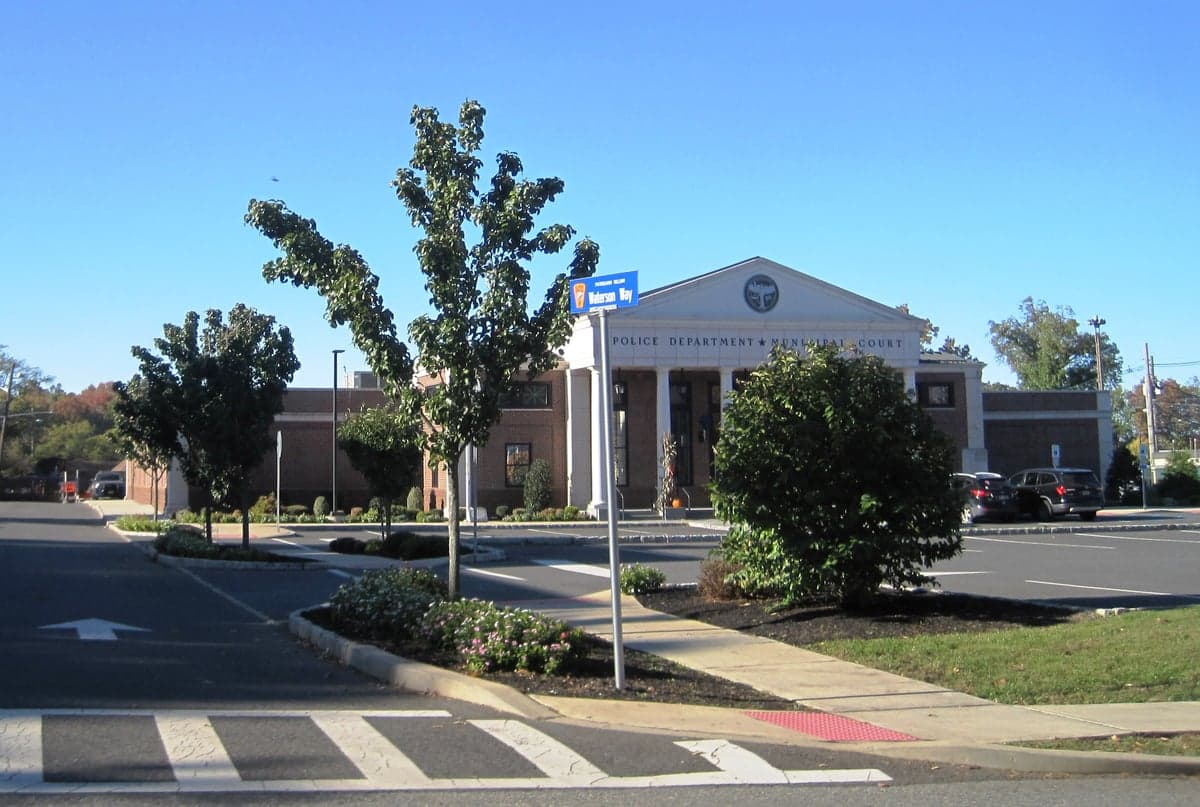
Photo: Wikipedia
Strategic Assessment of Clark, NJ
High tactical risk. This location is likely close to major population centers, strategic targets, or sits in a high-disaster corridor. A retreat property and careful exit planning is required.
What does the Strategic Assessment tell us?
Our Strategic Assessment grades tactical survivability of an area. Major population centers, military targets, fallout zones, natural disasters, and border exposure all drive risk — lower exposure means a more defensible position in a crisis.
This is heavily inspired by Joel Skousen's Strategic Relocation book. Highly recommended you checkout the book ($)What does this tell us?
Our Strategic Assessment grades tactical survivability of an area. Major population centers, military targets, fallout zones, natural disasters, and border exposure all drive risk — lower exposure means a more defensible position in a crisis.
This is heavily inspired by Joel Skousen's Strategic Relocation book. Highly recommended you checkout the book ($)Strategic Pillars
Key Distances
Regional Safe Places
Below is our recommended "safe zones" in New Jersey and the surrounding area based on our strategic heuristics. For most people, it's unrealistic to live in a “safe zone” full-time due to work, family or other personal reasons. They tend to be more rural. However, many of these areas are perfect for second homes and retreat properties that double as a vacation home or even a short-term rental.
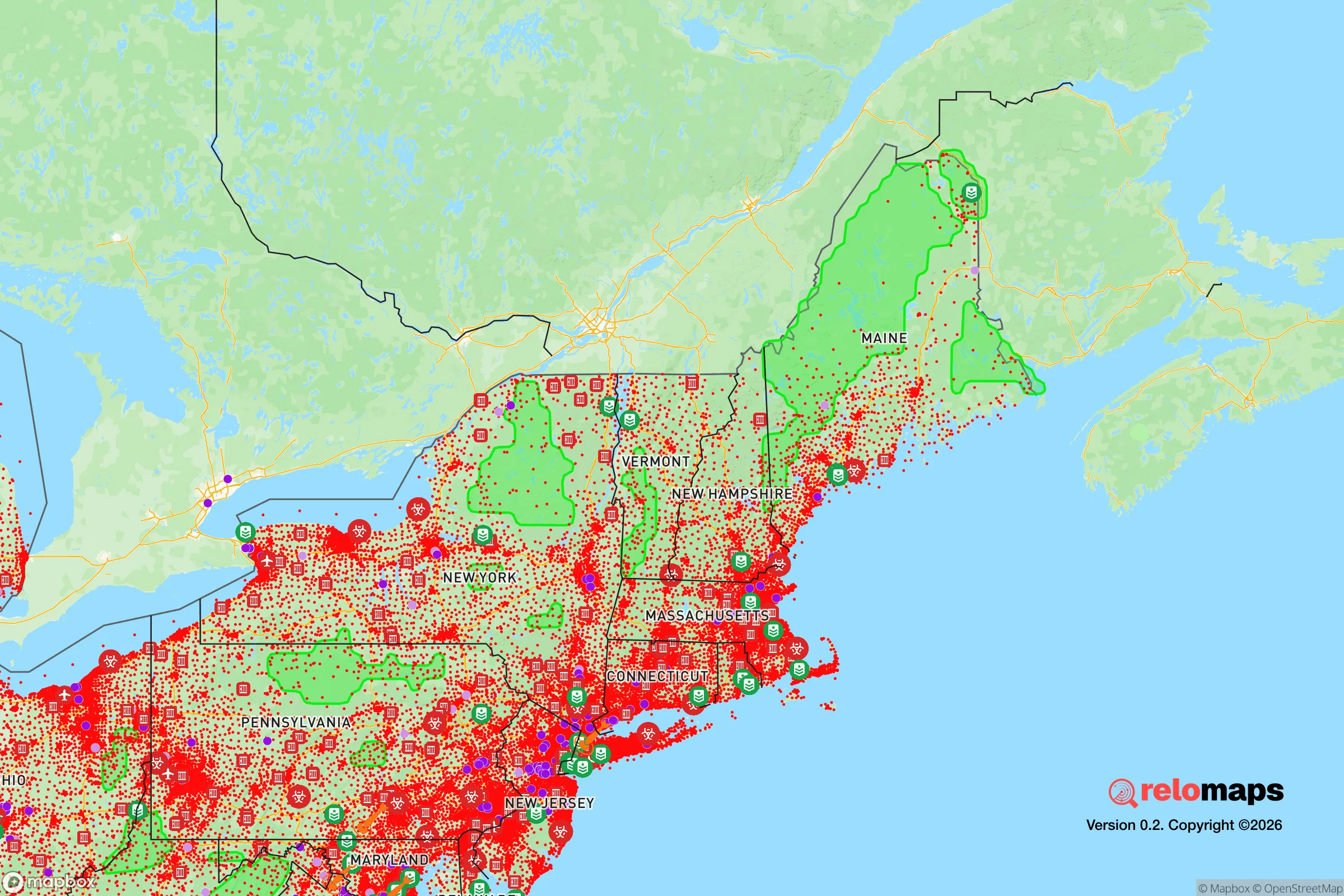
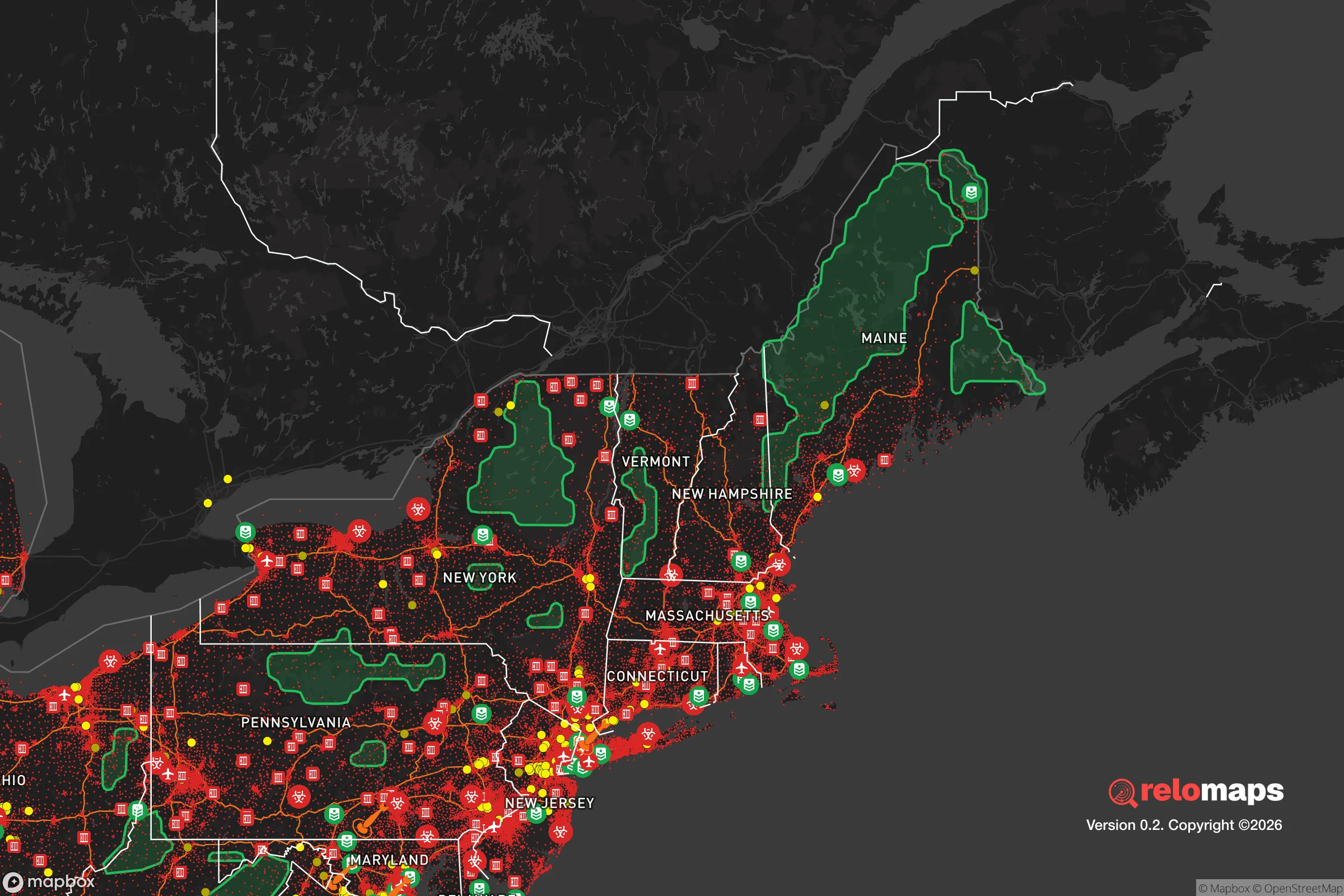


Important Note: For informational purposes only. This does not mean nothing bad ever happens in the green zones. Please use common sense. This is based on public data and modeled with AI. We tried to take a conservative approach but mistakes happen. We update this regularly as new information becomes available.
Solar Generator Recommendations
Backup power matters more here than in safer locations. We've picked three solar generators across budgets and capacity tiers — start with the budget unit if you only need a few essentials, or step up if you want to run a fridge and HVAC for days at a time.
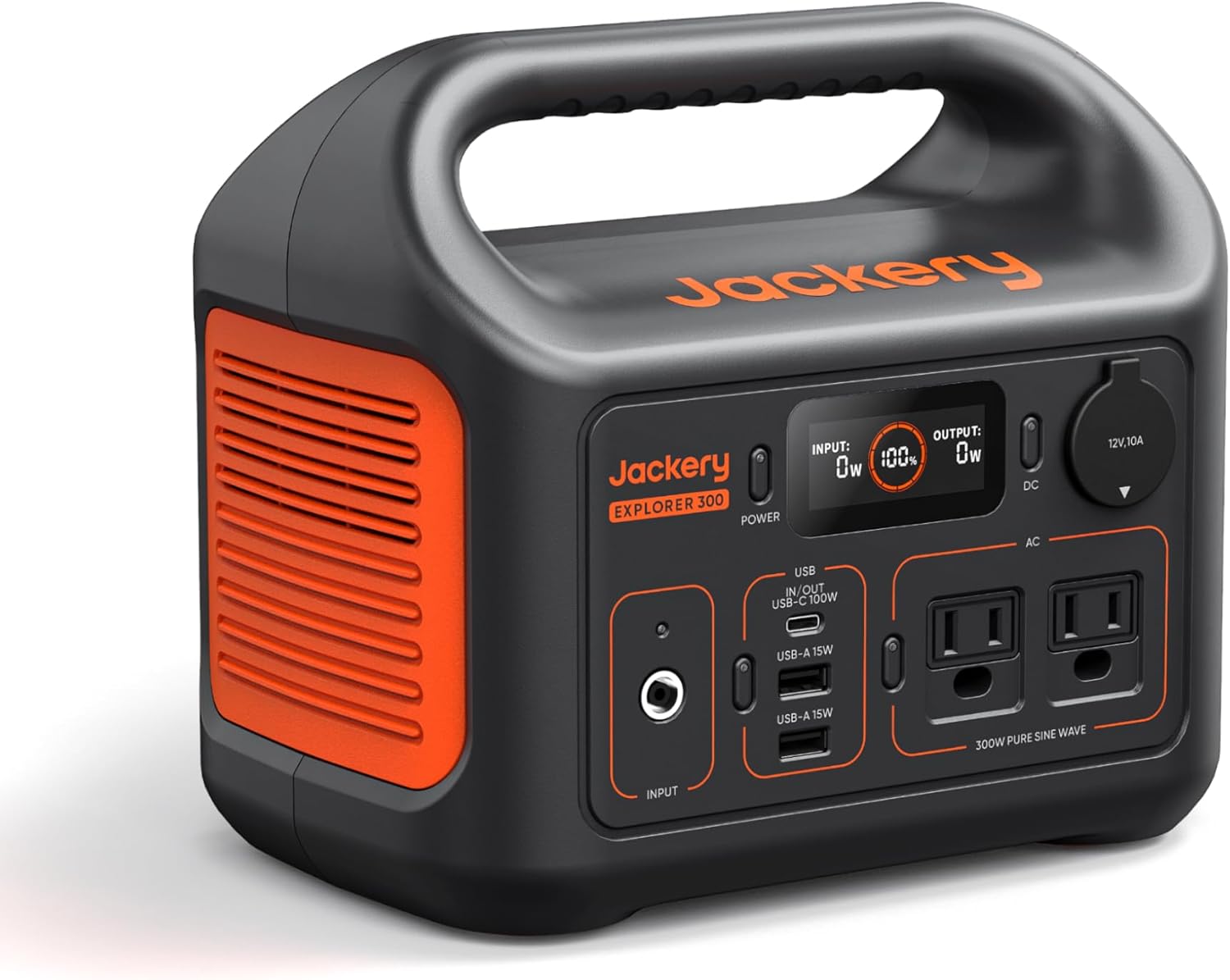
Jackery Portable Power Station Explorer 300
Budget OptionPower on the Go: Weighing only 11 lbs, it's convenient to set up and store with book-sized foldable solar panels

BLUETTI Portable Power Station AC180
Designed for both indoor and outdoor scenarios, AC180 is highly capable as it has a robost capacity and continuous output power.

EF ECOFLOW DELTA Pro Ultra Power Station
Upgraded PickEcoFlow DELTA Pro Ultra is a whole-home energy system designed to grow with your family. Integrated with the Smart Home Panel 2, it scales to meet your evolving energy needs — keeping your home powered, intelligent, and secure through every stage of life.
We earn a commission, at no additional cost to you.
Strategic Assessment Analysis
Clark, New Jersey, presents a mixed strategic picture for the relocation-minded reader focused on resilience and preparedness. While its position in Union County offers proximity to economic hubs, that same location introduces significant vulnerabilities that a serious self-sufficiency planner must weigh carefully. The township’s resilience is not defined by its isolation or natural fortifications, but by its ability to leverage suburban infrastructure and community networks in a region that sits within a dense, interconnected corridor of potential risks.
Geographic position and natural advantages for a preparedness-minded relocator
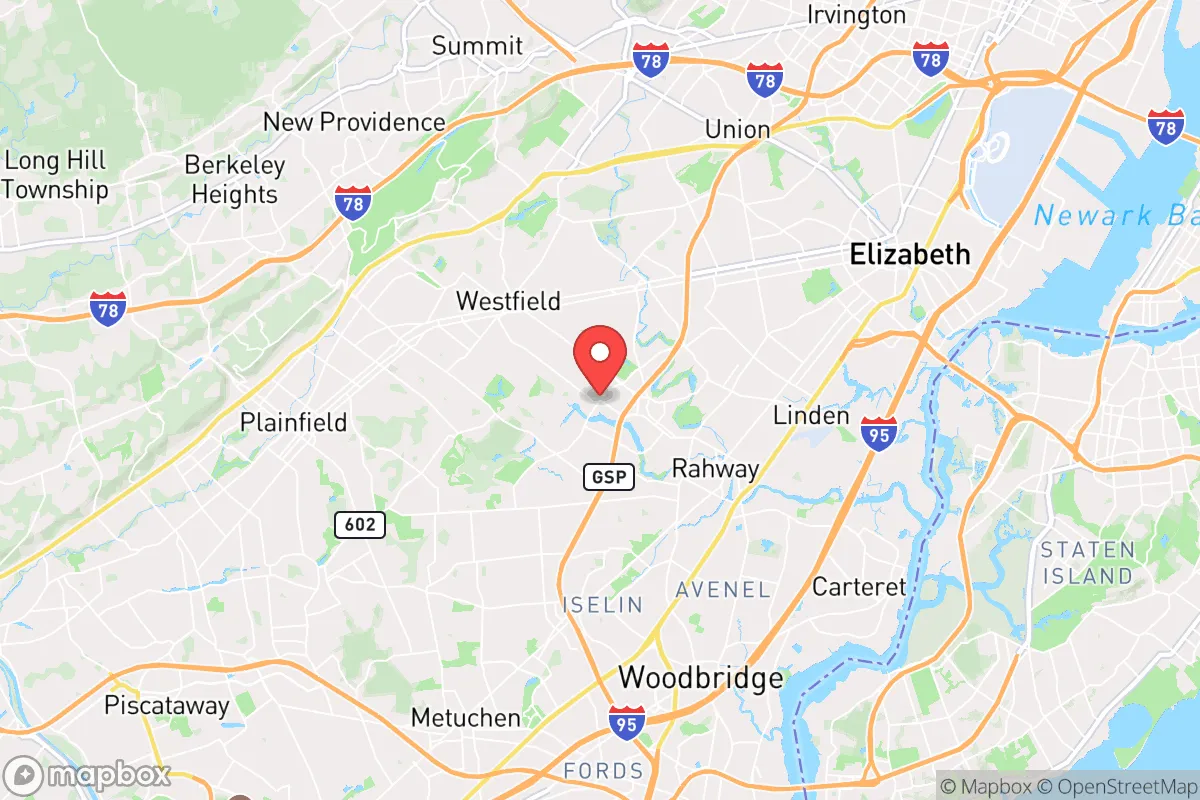
Clark’s geography is a study in contrasts. Situated roughly 20 miles southwest of Manhattan and 10 miles west of Staten Island, the township occupies a spot in the Rahway River watershed, characterized by gentle hills and well-drained soils. The area is not prone to the catastrophic natural disasters that plague other parts of the country—there are no active fault lines, no hurricane storm surge zones, and no wildfire corridors. The primary natural threat is flooding along the Rahway River and its tributaries, particularly in low-lying sections near the Clark Reservoir and areas adjacent to the river’s floodplain. FEMA flood maps show that most of Clark’s residential neighborhoods sit outside the 100-year flood zone, but buyers should verify specific property elevations before committing. The local climate supports a reliable growing season of roughly 180 days, which is a meaningful advantage for anyone planning to establish a home garden or small-scale food production. The soil is a mix of loam and sandy loam, workable for vegetables and fruit trees with modest amendment. Clark’s elevation, averaging around 60 feet above sea level, provides no defensive high ground but also eliminates landslide or mudslide risk. The township’s tree canopy is moderate, offering some natural cooling and privacy but not enough to create a true buffer from surrounding development.
Risks, exposures, and proximity to fallout-relevant landmarks in the region
The most significant resilience challenge for Clark is its location within the New York metropolitan area’s outer ring. The township sits roughly 12 miles from the Port Newark-Elizabeth Marine Terminal, one of the busiest container ports on the East Coast and a potential target for both conventional and asymmetric threats. The nearby Linden Airport and the Linden Cogeneration Plant add industrial and energy infrastructure that could become points of failure or secondary targets in a crisis. Clark is also within 15 miles of the Exelon Generating Station’s Hope Creek and Salem nuclear plants in southern New Jersey, though prevailing winds typically carry any potential plume away from Union County. More immediately relevant is the township’s proximity to the chemical and refining corridor that runs through Linden, Elizabeth, and Bayonne. A major industrial accident or intentional release at one of these facilities could affect air quality and necessitate evacuation or shelter-in-place orders for Clark residents. The area’s dense population—Union County has over 575,000 residents in just 105 square miles—means that any large-scale evacuation would face severe congestion on the Garden State Parkway, Route 22, and the New Jersey Turnpike. Clark’s position on the Raritan Valley Line rail corridor offers an alternative egress route, but rail capacity is limited and would be overwhelmed in a regional emergency. For the preparedness-minded relocator, the key takeaway is that Clark is not a retreat location; it is a suburban node within a high-risk zone, and its resilience depends on situational awareness and local resource access rather than geographic isolation.
Practical resilience for a relocator: food, water, energy, and defensibility
For a family or individual serious about self-sufficiency, Clark offers a mixed but workable foundation. The township’s water supply comes from the Elizabethtown Water Company, which draws from the Raritan River and the Spruce Run Reservoir. This system is generally reliable but vulnerable to both contamination events and power outages. A well-installed property is rare in Clark’s developed neighborhoods, so most residents will depend on municipal water. A minimum of two weeks of stored water per person is a baseline recommendation here, with a Berkey or similar gravity filter as a backup for any available surface water. Food resilience is more achievable. Clark has several community gardens and a strong farmers’ market scene during the growing season, but year-round food independence would require a significant investment in raised beds, cold frames, and possibly a small greenhouse. The township’s zoning allows for backyard chickens with a permit, which is a meaningful step toward protein self-sufficiency. Larger livestock is not practical on standard residential lots. Energy resilience is a weak point. The local grid, served by PSE&G, experiences occasional outages during nor’easters and summer thunderstorms, but extended multi-day blackouts are uncommon. Solar panel installation is permitted, and net metering is available, but the township’s tree cover and roof orientations vary widely. A backup generator—either a portable unit for critical loads or a whole-house standby—is a prudent investment for any Clark resident. Defensibility is the most challenging category. Clark is a suburban grid of interconnected streets with no natural chokepoints or defensible terrain. The township’s police department is professional and well-funded, with a response time typically under five minutes in normal conditions, but in a widespread crisis, law enforcement resources would be stretched thin. Neighborhood watch programs and community emergency response teams (CERT) exist but are not universally active. The best defensive strategy for a Clark relocator is to build strong relationships with immediate neighbors and participate in local preparedness groups. A home security system, reinforced doors, and a clear plan for sheltering in place are more realistic than attempting to create a hardened compound.
Overall, Clark, NJ, is a location for the relocator who values economic access and suburban stability over strategic isolation. Its resilience profile is average for the Northeast corridor: not a disaster-prone zone, but not a safe haven either. The township’s real strength lies in its community infrastructure—good schools, a responsive local government, and a population that is generally engaged and prepared. For the single individual or family willing to invest in water storage, backup power, and neighborhood networking, Clark can be a viable base for a prepared lifestyle. But anyone expecting a remote, self-sufficient retreat should look farther west or north. Clark is a suburban outpost in a high-risk region, and its resilience depends on active preparation, not passive geography.

* Values derived from national, state, county, city and local statistics and may differ in a specific area. Last updated: 2026-11-13T06:00:37.000Z
Narrative content on this page is AI-generated and may contain mistakes. Verify any details that matter before acting on them.
ReloMaps may earn a commission from affiliate links at no extra cost to you.

