 Popular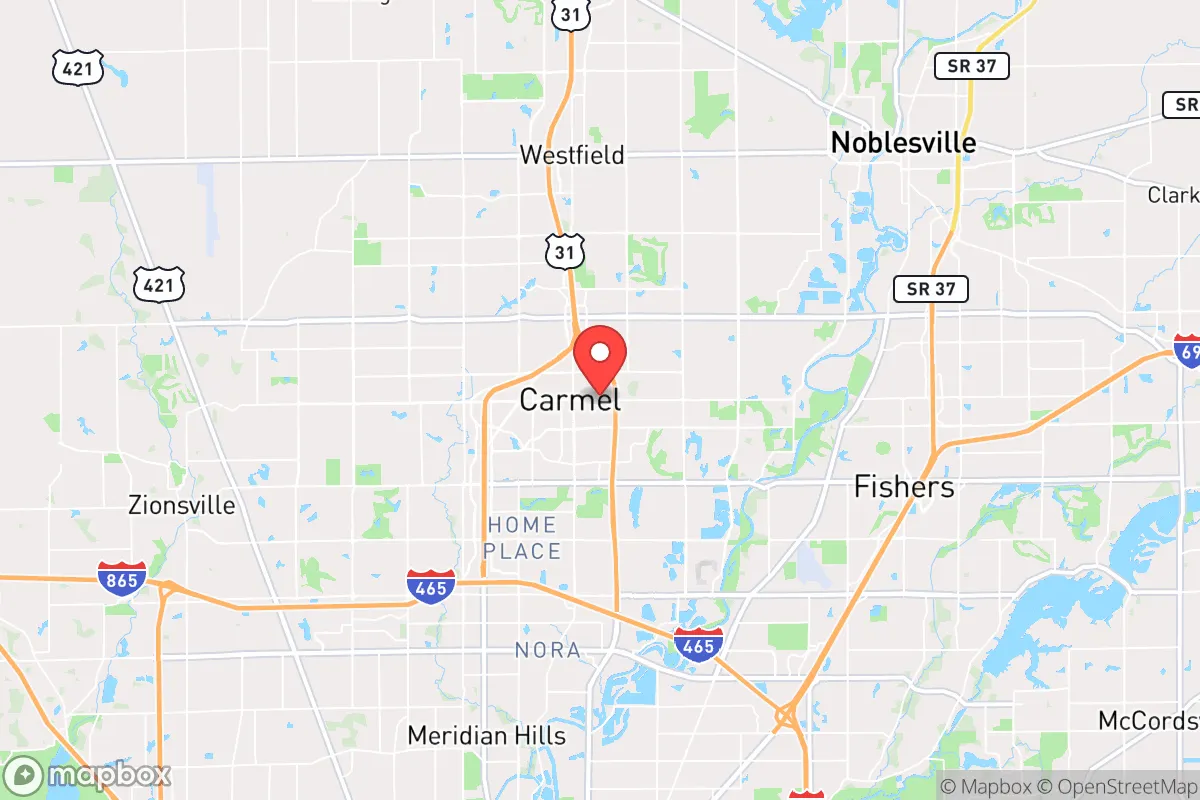
Photo: Wikipedia
Personal Sovereignty in Carmel, IN
Viable for self-reliance. Generally workable, though some barriers may limit total independence.
What does Personal Sovereignty tell us?
Personal Sovereignty measures your capacity for self-reliance and independence with minimal government friction. Higher scores mean fewer barriers between you and the way you want to live... but it assumes you have the space you need and good neighbors.
What does this tell us?
Personal Sovereignty measures your capacity for self-reliance and independence with minimal government friction. Higher scores mean fewer barriers between you and the way you want to live... but it assumes you have the space you need and good neighbors.
State Policy
Energy independence: Importer (35% of energy produced in-state)
Personal Liberty
Homesteading

Personal Liberty Analysis
Carmel, Indiana, presents a mixed picture for those prioritizing personal sovereignty, offering a strong state-level legal framework for gun rights and property freedom but operating within a local governance structure that leans heavily on regulation and high taxation. While Indiana’s constitutional protections and preemption laws provide a solid baseline against many forms of government overreach, Carmel’s affluent, planned-community model means residents trade some autonomy for high-end amenities and strict zoning. For the survivalist or prepper mindset, the key question is whether the state’s buffer against federal and local overreach outweighs the city’s own appetite for control. Here’s the unvarnished breakdown.
Tax burden and regulatory posture: How much of your income and property stays yours
Indiana’s tax structure is relatively favorable for those seeking to keep more of what they earn, but Carmel’s local add-ons chip away at that advantage. The state levies a flat income tax of 3.15% (as of 2025, with scheduled reductions to 2.9% by 2027), and property taxes are capped at 1% of assessed value for owner-occupied homes under the state’s constitutional circuit breaker. However, Carmel’s property tax rates are among the highest in Hamilton County, often pushing the effective rate near that 1% cap due to high home valuations—median home prices hover around $550,000, meaning annual property tax bills can exceed $5,500. The city also imposes a local option income tax of 1.25% (county-wide), bringing the total effective income tax to roughly 4.4%. For a prepper, this means less disposable income for stockpiling, land, or off-grid investments. On the regulatory side, Indiana is a right-to-work state with minimal business licensing hurdles, but Carmel’s zoning code is notoriously strict—no backyard chickens, limited home-based businesses, and heavy restrictions on outbuildings or sheds that could serve as storage for supplies. The city’s planning department has a reputation for enforcing every line of the code, so don’t expect to quietly build a root cellar or install a backup generator without permits.
Self-defense and gun law specifics: What you can carry, where, and how fast
Indiana is a constitutional carry state, meaning no permit is required to carry a handgun openly or concealed for anyone 18 or older who can legally possess a firearm. This is a major win for personal sovereignty, as it eliminates the need for government permission to exercise a fundamental right. The state also has strong preemption laws—local governments like Carmel cannot pass their own gun restrictions, so you won’t face city-level bans on magazine capacity or specific firearm types. Stand-your-ground laws are in effect, with no duty to retreat in any place you have a legal right to be. However, there are practical limits: firearms are prohibited in K-12 schools (with exceptions for licensed security), and private property owners (including businesses) can ban carry on their premises. Carmel’s police department is well-funded and responsive, but for the prepper, the real concern is that the city’s dense suburban layout means any self-defense scenario is likely to involve close-quarters encounters with neighbors or in public spaces like the Monon Trail. The state’s firearm preemption ensures you aren’t hamstrung by local ordinances, but the high property values mean you’re likely living near people who may not share your views on armed self-defense—something to factor into your threat assessment.
Self-reliance and homesteading viability: Lot sizes, zoning, and off-grid feasibility
Carmel is not a homesteader’s paradise. The city’s zoning code is designed for manicured suburbs, not self-sufficiency. Minimum lot sizes in most residential zones are around 0.25 to 0.5 acres, with many newer developments packing homes on lots as small as 6,000 square feet. This makes raising livestock, keeping bees, or even maintaining a substantial vegetable garden difficult. The city explicitly bans farm animals (including chickens) in residential zones, and any structure over 200 square feet (like a shed or greenhouse) requires a building permit. Off-grid living is effectively impossible: the city mandates connection to municipal water and sewer, and solar panels are allowed but must comply with strict aesthetic guidelines (no ground-mounted arrays, and roof panels must be flush with the roofline). Rainwater collection is legal under state law, but Carmel’s code requires any system to be approved by the health department, adding bureaucratic friction. For those serious about self-reliance, the surrounding unincorporated areas of Hamilton County or neighboring Boone County offer more flexibility—larger parcels (2-5 acres are common), fewer zoning restrictions, and no municipal water/sewer mandates. But inside Carmel’s city limits, you’re trading autonomy for convenience and a high property tax bill.
Personal liberties: Parental rights, medical autonomy, speech, and property
Indiana has a strong track record on parental rights, with state law requiring parental consent for minors’ medical procedures (including abortion and gender transition care) and a 2023 law that prohibits schools from withholding information about a child’s health or well-being from parents. This aligns well with conservative values, but Carmel’s school district—Carmel Clay Schools—is known for its progressive leanings, and some parents report friction over curriculum transparency. On medical autonomy, Indiana does not have a state-level vaccine mandate, and the 2023 law banning COVID-19 vaccine mandates for state employees and contractors sets a precedent against forced medical procedures. However, the state does require certain vaccines for school attendance (with religious and medical exemptions available). Free speech is protected under the Indiana Constitution, which explicitly guarantees the right to speak, write, or print freely, and Carmel has no local ordinances restricting political signage or public assembly beyond standard time-place-manner rules. Property rights are generally strong: Indiana has a right-to-farm law that protects agricultural operations from nuisance lawsuits, but this is irrelevant inside Carmel’s urban zones. The city’s strict zoning and homeowners’ association (HOA) presence in many neighborhoods mean your property rights are heavily mediated by covenants and codes. For the prepper, this is a red flag—you may not be able to store supplies visibly, park a work truck, or even paint your house without HOA approval.
Overall, Carmel offers a solid state-level foundation for personal sovereignty—constitutional carry, parental rights, and low state taxes—but the local environment is one of high regulation and high cost. Compared to rural Indiana counties like Brown or Owen, where you can buy 10 acres for the price of a Carmel townhouse and live with minimal zoning interference, Carmel feels like a gilded cage. For the survivalist or prepper who values autonomy over amenities, the city’s trade-offs may not be worth it. If you’re willing to live within a strict suburban framework and prioritize access to jobs and infrastructure, the state’s protections give you a decent buffer against federal overreach. But if your goal is true self-reliance—growing your own food, storing supplies without oversight, and living free from HOA and municipal codes—look farther out. Carmel is a place to work and invest, not a place to bunker down.

* Values derived from national, state, county, city and local statistics and may differ in a specific area. Last updated: 2026-04-14T21:55:05.000Z
Narrative content on this page is AI-generated and may contain mistakes. Verify any details that matter before acting on them.
ReloMaps may earn a commission from affiliate links at no extra cost to you.

