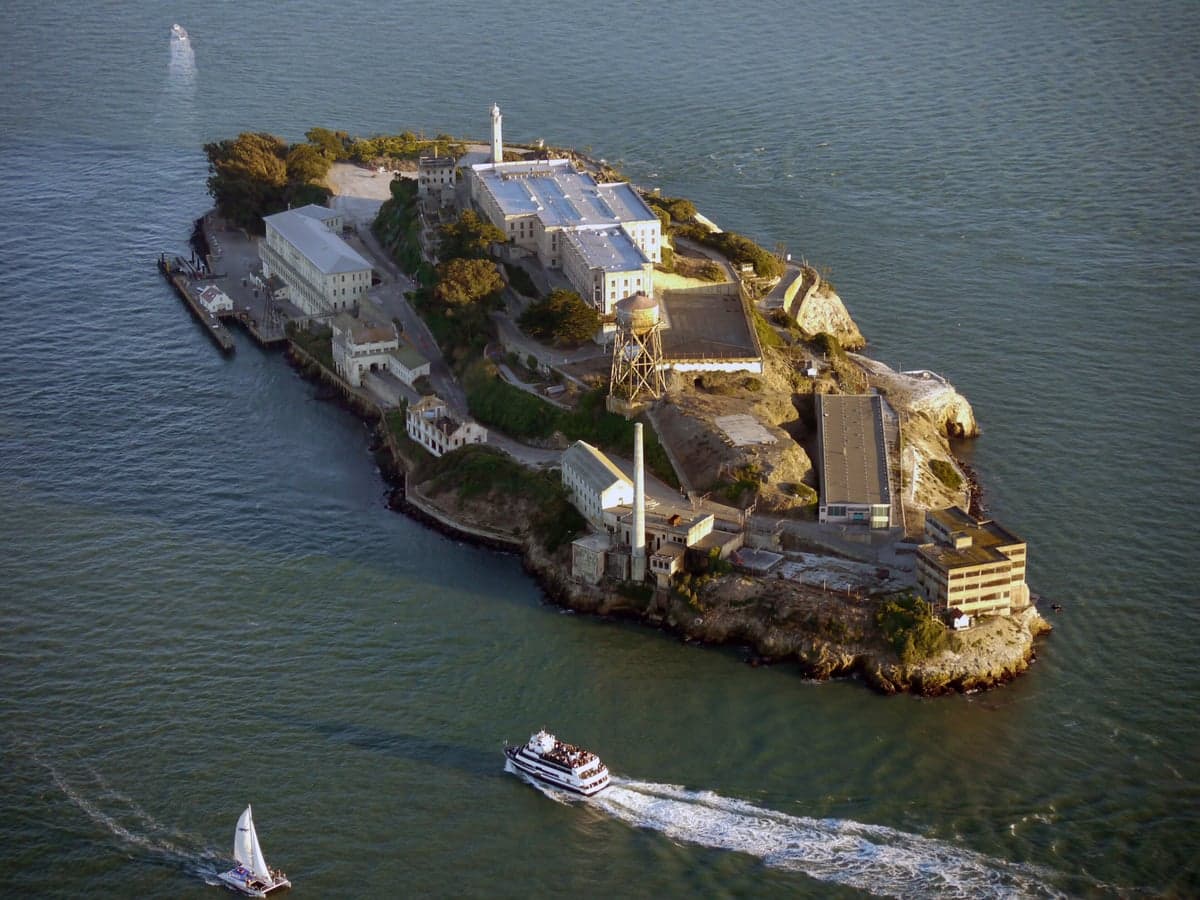
Photo: Wikipedia
Quality of Life in San Francisco County
A livable area that tracks near national norms for affordability, walkability, and neighborhood health.
What does Quality of Life tell us?
Quality of Life measures an area by evaluating factors like cost of living, nearby amenities, country club access, airport proximity, socioeconomic signals and neighborhood character. For large states, this is a general average — quality of life can vary dramatically between metro areas, suburbs, and rural communities within the same state.
What does this tell us?
Quality of Life measures an area by evaluating factors like cost of living, nearby amenities, country club access, airport proximity, socioeconomic signals and neighborhood character. For large states, this is a general average — quality of life can vary dramatically between metro areas, suburbs, and rural communities within the same state.
Cost of Living
221% above national average
47%
The Real Cost of Living in San Francisco County for 2026
| Tier | Individual | Family (4) |
|---|---|---|
| Survival | $39k | $73k |
| Comfortable | $207k | $304k |
| Luxury | $256k+ | $396k+ |
| Elite (Top 5%) | $357k+ | $553k+ |
Quality-of-Life Analysis
San Francisco County is unique among California counties: it is a consolidated city-county, meaning the entire county is coterminous with the City and County of San Francisco. There are no separate towns, smaller communities, or rural pockets within its 47 square miles. The entire county is a dense, urban environment, drawing people who prioritize career opportunities in technology, finance, and the arts, as well as those seeking a vibrant, walkable, and culturally rich lifestyle. The spectrum of quality-of-life options here is not about urban versus rural, but rather about neighborhood character, housing type, and proximity to specific amenities.
Largest town(s) & population centers
As a consolidated city-county, San Francisco itself is the sole population center. Daily life is defined by high density, with over 17,000 people per square mile. The city is a patchwork of distinct neighborhoods, each functioning almost like a small town. Downtown and the Financial District are the core of the region's economy, home to major tech employers like Salesforce, Uber, and Twitter (now X), as well as financial giants. Daily life here is fast-paced, with a heavy reliance on public transit (BART, Muni) and a concentration of high-rise apartments and condos. The Mission District offers a more bohemian, culturally rich experience with its Latino heritage, vibrant street art, and a dense concentration of restaurants and bars. Noe Valley and the Marina are popular with young families and professionals, featuring Victorian homes, boutique shopping, and a strong sense of community. The average commute time of 31.2 minutes reflects the city's density and the fact that many residents work within the county, though a significant number commute from the East Bay or Peninsula.
Smaller towns & rural pockets
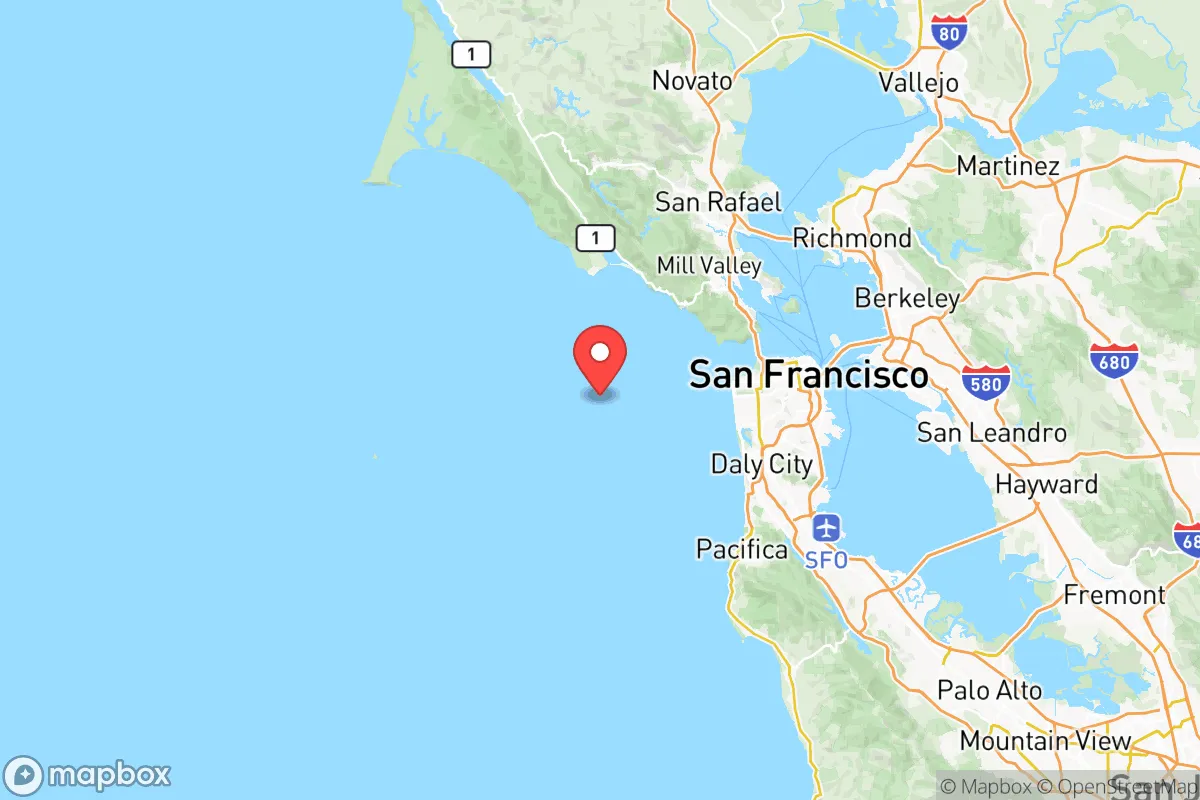
San Francisco County contains no smaller towns or rural pockets. The entire land area is incorporated as the City and County of San Francisco. The only unincorporated area is a tiny portion of the Farallon Islands, approximately 30 miles offshore, which are uninhabited and serve as a wildlife refuge. For residents seeking a more suburban or rural lifestyle, they must look to neighboring counties such as Marin County (e.g., Sausalito, Mill Valley) or San Mateo County (e.g., Pacifica, Half Moon Bay). Within the city itself, the closest approximation to a quieter, less dense environment is found in neighborhoods like the Outer Sunset or the Richmond, which feature single-family homes, lower building heights, and proximity to Ocean Beach and Golden Gate Park, but these remain fully urban in character.
Cost & lifestyle range
The cost of living in San Francisco County is extraordinarily high, with a cost of living index of 321 (more than three times the U.S. average). The median home value is $1,380,500, and the median rent is $2,419. However, the lifestyle range is vast, driven by neighborhood choice. At the high end, neighborhoods like Pacific Heights, Nob Hill, and Sea Cliff offer luxury living with panoramic views, historic mansions, and median home prices well above $3 million. These areas attract high-net-worth individuals and executives. At the more accessible end, neighborhoods like the Excelsior, Outer Mission, and Bayview-Hunters Point offer relatively lower home prices and rents, though still far above national averages. These areas are more ethnically diverse and have a stronger working-class character, with a mix of single-family homes and small apartment buildings. The lifestyle range also includes SoMa (South of Market), which is a hub for tech startups and modern high-rise living, and the Castro, a historic LGBTQ+ neighborhood with a lively nightlife and a strong sense of identity.
Who thrives in San Francisco County? The county is best suited for individuals and families who are deeply engaged with urban life, value career opportunities in high-growth industries, and are willing to accept a high cost of living in exchange for unparalleled cultural amenities, progressive social values, and a world-class food and arts scene. It is less suitable for those seeking a traditional suburban or rural lifestyle, large single-family homes with yards, or a low cost of living. The county's density and diversity create a dynamic, ever-changing environment that rewards adaptability and a love for city living.

Crime in San Francisco County
WARNING: The crime statistics are unreliable for this jurisdiction. Local authorities have either not reported or under reported their data to the FBI. This could be due to bad intentions, incompetence or technical issues. Regardless, we suggest skepticism.
Higher crime rates than 72% of comparable U.S. locations.
Violent CrimeViolent Crime Analysis
Property CrimeProperty Crime Analysis
Crime Analysis
San Francisco County, coterminous with the city of San Francisco, presents a complex safety picture defined by stark contrasts between its high property crime rate and a violent crime rate that, while elevated, is not the highest in California. The county recorded a violent crime rate of 435.1 per 100,000 residents and a property crime rate of 1,822.6 per 100,000 in the most recent reporting period. These figures place San Francisco in a challenging position: property crime significantly exceeds both state and national averages, while violent crime sits above the national average but below several other major California cities. The city's progressive district attorney and judicial policies, focused on alternatives to incarceration and reduced sentencing for non-violent offenses, have been widely cited by critics as contributing factors to the perception—and reality—of lawlessness, particularly in retail and auto-burglary categories.
Crime in context
To understand San Francisco's crime data, comparison with broader benchmarks is essential. The national violent crime rate hovers around 380 per 100,000, meaning San Francisco's 435.1 is roughly 14% higher. However, California's statewide violent crime rate is approximately 442 per 100,000, placing San Francisco slightly below the state average. The property crime story is more dramatic: the national rate is about 1,954 per 100,000, but San Francisco's 1,822.6 is actually below the national figure. Yet this masks a critical detail: California's statewide property crime rate is roughly 2,100 per 100,000, meaning San Francisco is below the state average as well. The real outlier is the larceny-theft rate, which in San Francisco is disproportionately high due to organized retail theft rings targeting Union Square, the Mission District, and Fisherman's Wharf. Meanwhile, cities like Daly City and South San Francisco (both in San Mateo County, adjacent to San Francisco County) report significantly lower property crime rates, underscoring the concentrated nature of the problem within the city's core commercial corridors.
What residents experience
Daily life for San Francisco residents is heavily shaped by property crime. Car break-ins are endemic, with over 20,000 reported annually in recent years, targeting tourist areas like the Embarcadero, Alamo Square, and Golden Gate Park parking lots. Residents in neighborhoods like SoMa (South of Market) and the Tenderloin report frequent encounters with open-air drug markets and theft from vehicles. Violent crime, while less common in daily experience, is concentrated in specific districts: the Tenderloin and parts of Bayview-Hunters Point see elevated rates of robbery and aggravated assault. The city's progressive criminal justice policies, including the 2014 passage of Proposition 47 (which reclassified many drug and property felonies as misdemeanors) and a district attorney's office that has deprioritized prosecution of certain thefts, have created a climate where many residents feel that property crime carries minimal consequences. This has led to a notable exodus of retail businesses from Union Square and downtown, with chains like Nordstrom and Whole Foods closing locations, citing safety concerns for employees and customers.
Neighborhood-level variation
Safety in San Francisco varies dramatically by neighborhood. The Richmond and Sunset districts (west side) consistently report the lowest crime rates, with violent crime below 200 per 100,000 in some census tracts. Pacific Heights and Marina enjoy low violent crime but still experience property crime, particularly package theft and car break-ins. In contrast, the Tenderloin and SoMa have violent crime rates exceeding 1,000 per 100,000, driven by drug-related violence and homelessness. The Mission District sees high property crime but moderate violent crime. Residents considering relocation should understand that the county's progressive governance—including a district attorney elected on a reform platform and a Board of Supervisors that has repeatedly defunded police—has created an environment where criminals face few consequences for non-violent offenses, directly impacting quality of life. For those seeking safer alternatives within the Bay Area, cities like San Mateo, Foster City, or Pleasanton offer dramatically lower crime rates while remaining within commuting distance of San Francisco.
* Values derived from national, state, county, city and local statistics and may differ in a specific area. Last updated: 2026-11-21T00:28:17.000Z
Narrative content on this page is AI-generated and may contain mistakes. Verify any details that matter before acting on them.
ReloMaps may earn a commission from affiliate links at no extra cost to you.

