Quality of Life in Burton, WV
A high quality of life with strong walkability, manageable living costs, healthy neighborhood signals, and solid amenity access.
What does Quality of Life tell us?
Quality of Life blends cost of living, nearby amenities, socioeconomic signals, and neighborhood character. City-level scores represent the whole municipality; individual neighborhoods can differ.
What does this tell us?
Quality of Life blends cost of living, nearby amenities, socioeconomic signals, and neighborhood character. City-level scores represent the whole municipality; individual neighborhoods can differ.
Cost of Living
61% below national average
The Real Cost of Living in Burton, WV for 2026
| Tier | Individual | Family (4) |
|---|---|---|
| Survival | $8k | $14k |
| Comfortable | $20k | $29k |
| Luxury | $50k+ | $77k+ |
| Elite (Top 5%) | $59k+ | $91k+ |
150%
* median home value substituted from county-level data — local Census figures unavailable for small populations
The Area Signal
A metric tracking the socioeconomic signals of the area.
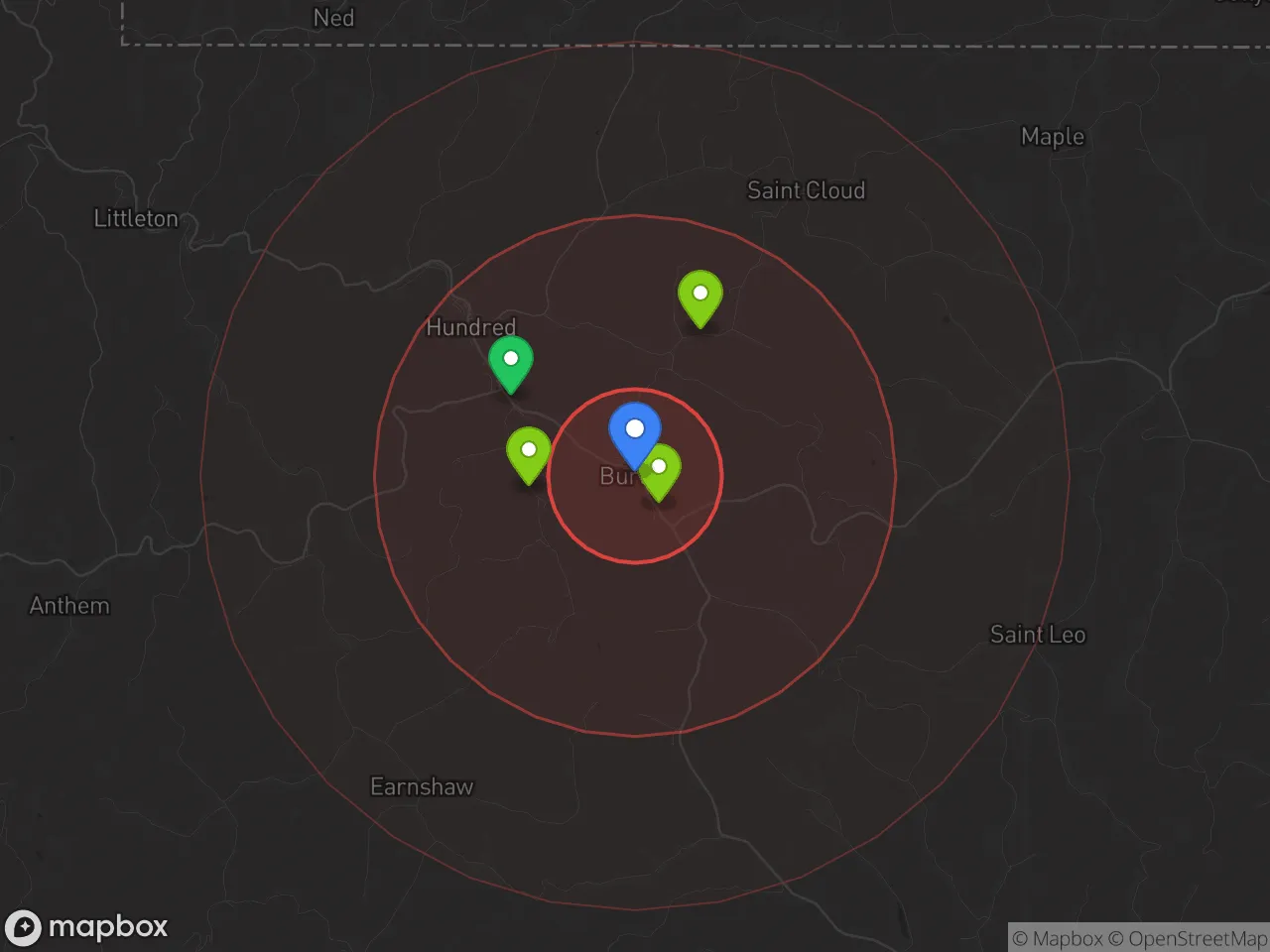
Hobbies
Explore the areaGroceries
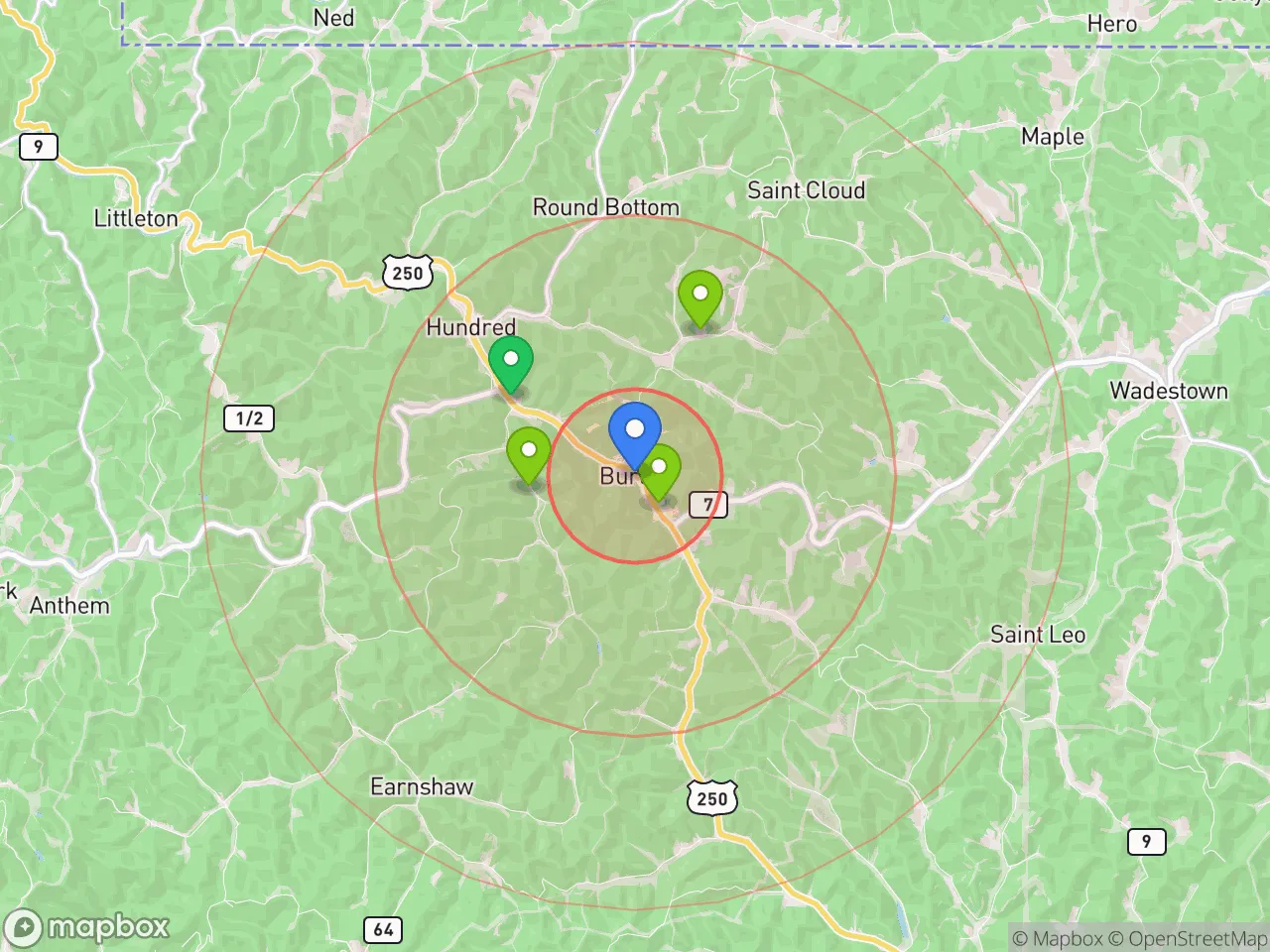
0 within 10 miles
Gas
0 within 10 miles
Hospital
0 within 20 miles
Airport
Pittsburgh International Airport
Post Office
Critical Amenities
Quality-of-Life Analysis
Burton, West Virginia, presents a unique quality-of-life proposition defined by its extreme affordability and a predominantly working-class, family-oriented population. With a cost of living index of 39—far below the national average of 100—the area attracts residents seeking financial breathing room, often tradespeople, remote workers, or retirees on fixed incomes. The community is small and tight-knit, where neighbors know each other and the pace of life is deliberately slow, offering a stark contrast to the hustle of larger cities like Wheeling or Morgantown.
Cost of Living and Housing Affordability Compared to Nearby Areas
Burton's cost of living is among the lowest in West Virginia, making it a haven for budget-conscious households. The median home value sits at $102,800, while median rent is just $475 per month—figures that are roughly half the state average and a fraction of national norms. This affordability extends to utilities and groceries, though residents should note that the average commute stretches to 29.7 minutes, often necessary to reach employment hubs in Moundsville or Wheeling. Compared to nearby towns like Cameron or Glen Dale, Burton offers slightly lower housing costs but fewer immediate job opportunities, making it ideal for those who can work remotely or are willing to commute for higher wages.
Amenities, Schools, and the Daily Rhythm of Life
Daily life in Burton revolves around simplicity and self-sufficiency. The town has limited commercial amenities—a few gas stations, a Dollar General, and local churches serve as community anchors. For groceries, dining, and healthcare, residents typically drive 15–20 minutes to Moundsville or 30 minutes to Wheeling. The local school system, part of Marshall County Schools, provides basic K–12 education, though some families opt for private or parochial options in nearby cities. The rhythm of life here is unhurried: mornings might involve tending a garden or a short walk to the post office, afternoons are for commuting or remote work, and evenings often mean porch sitting or community events at the volunteer fire department. Outdoor recreation is limited but includes nearby fishing spots and the vast wooded areas of the Appalachian foothills.
Burton is best suited for those who value solitude, low costs, and a self-directed lifestyle. It will appeal strongly to retirees on fixed incomes, remote workers who can trade urban amenities for financial freedom, and families who prioritize safety and community over commercial convenience. However, it may frustrate those seeking vibrant nightlife, diverse dining, or robust public services. For the right person—someone content with a quiet, affordable, and neighborly existence—Burton offers a quality of life that is both sustainable and deeply rooted in Appalachian simplicity.

Crime in Burton, WV
Generally safer than 67% of comparable U.S. locations.
Violent CrimeViolent Crime Analysis
Property CrimeProperty Crime Analysis
Crime Analysis
Burton, West Virginia, presents a mixed safety profile for prospective residents. The town's violent crime rate of 234.9 incidents per 100,000 residents is notably lower than the national average, but its property crime rate of 959.3 per 100,000 sits significantly above the national benchmark. This combination suggests that while the risk of violent confrontation is relatively contained, the likelihood of theft, burglary, or vandalism is a more pressing concern for daily life in the community.
Crime in context
When compared to broader state and national figures, Burton's violent crime rate of 234.9 per 100,000 is roughly 33% lower than the U.S. average of approximately 380 per 100,000, and it also falls below the West Virginia state average. This indicates that serious offenses like homicide, aggravated assault, and robbery are less frequent here than in many other parts of the country. However, the property crime picture is less favorable. At 959.3 per 100,000, Burton's property crime rate is about 40% higher than the national average. This elevated rate is driven primarily by larceny-theft and burglary, making property security a key consideration for anyone moving to the area. The data suggests a community where personal safety is generally good, but where securing one's home, vehicle, and belongings requires vigilance.
What residents experience
For those living in Burton, the day-to-day reality is shaped more by property crime than by violent incidents. Residents are more likely to encounter issues like package theft, break-ins of unlocked vehicles, or vandalism than they are to face a violent crime. The relatively low violent crime rate means that public spaces, parks, and downtown areas are generally considered safe for routine activities. However, the elevated property crime rate can create a sense of unease, particularly in areas with less foot traffic or poorer street lighting. The effectiveness of local law enforcement and community watch programs can vary, and new residents are advised to take proactive steps such as installing security cameras, using deadbolt locks, and joining neighborhood social media groups to stay informed about local incidents.
Neighborhood-level variation in safety is a critical factor in Burton. Crime is not distributed evenly across the town; some blocks and subdivisions experience far fewer incidents than others. Areas closer to main thoroughfares or with a higher concentration of rental properties may see more property crime, while quieter, well-established residential pockets often report lower rates. Prospective residents should consult local police department crime maps, speak with neighbors, and drive through potential neighborhoods at different times of day to get a true feel for safety. The overall data provides a useful baseline, but the specific block and street-level conditions will ultimately define the day-to-day security of a new home in Burton.
* Values derived from national, state, county, city and local statistics and may differ in a specific area. Last updated: 2026-11-17T02:22:22.000Z
Narrative content on this page is AI-generated and may contain mistakes. Verify any details that matter before acting on them.
ReloMaps may earn a commission from affiliate links at no extra cost to you.

