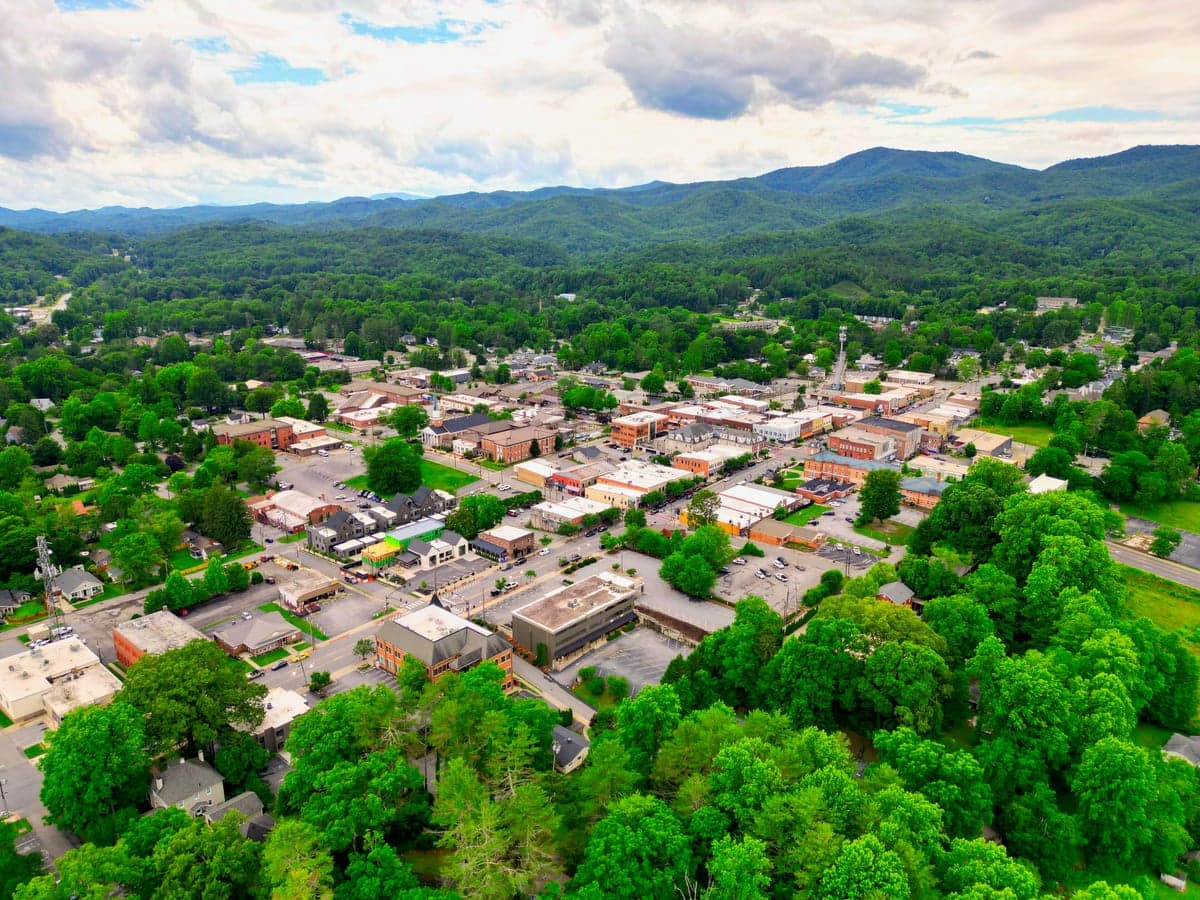
Photo: Wikipedia
Quality of Life in Brevard, NC
A high quality of life with strong walkability, manageable living costs, healthy neighborhood signals, and solid amenity access.
What does Quality of Life tell us?
Quality of Life blends cost of living, nearby amenities, socioeconomic signals, and neighborhood character. City-level scores represent the whole municipality; individual neighborhoods can differ.
What does this tell us?
Quality of Life blends cost of living, nearby amenities, socioeconomic signals, and neighborhood character. City-level scores represent the whole municipality; individual neighborhoods can differ.
Cost of Living
4% above national average
The Real Cost of Living in Brevard, NC for 2026
| Tier | Individual | Family (4) |
|---|---|---|
| Survival | $14k | $26k |
| Comfortable | $75k | $111k |
| Luxury | $80k+ | $124k+ |
| Elite (Top 5%) | $130k+ | $201k+ |
40%
The Area Signal
A metric tracking the socioeconomic signals of the area.
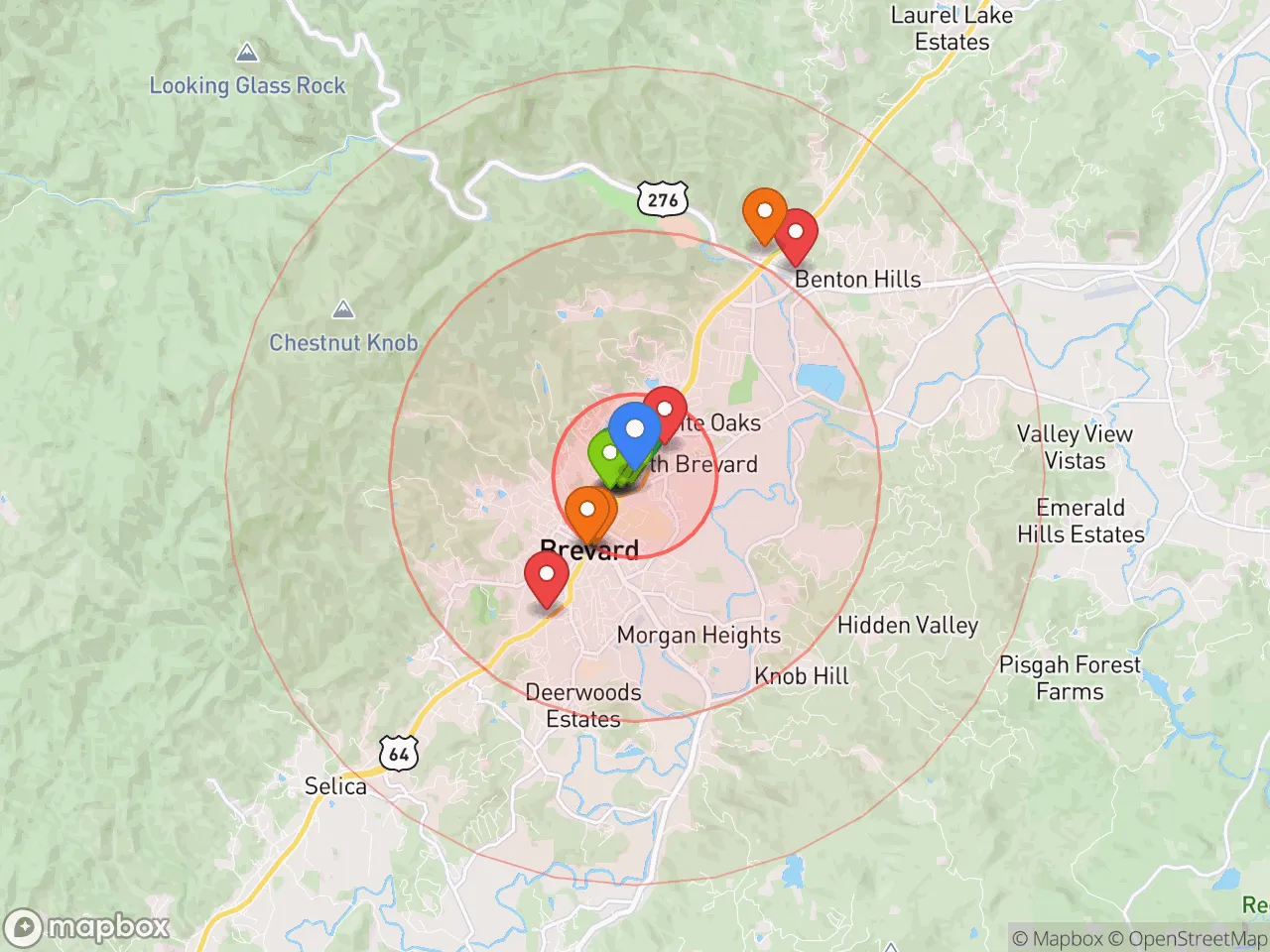
Hobbies
Explore the areaGroceries
0 within 10 miles
Gas
0 within 10 miles
Hospital
0 within 20 miles
Airport
CLT — Charlotte Douglas International
Post Office
Critical Amenities
Quality-of-Life Analysis
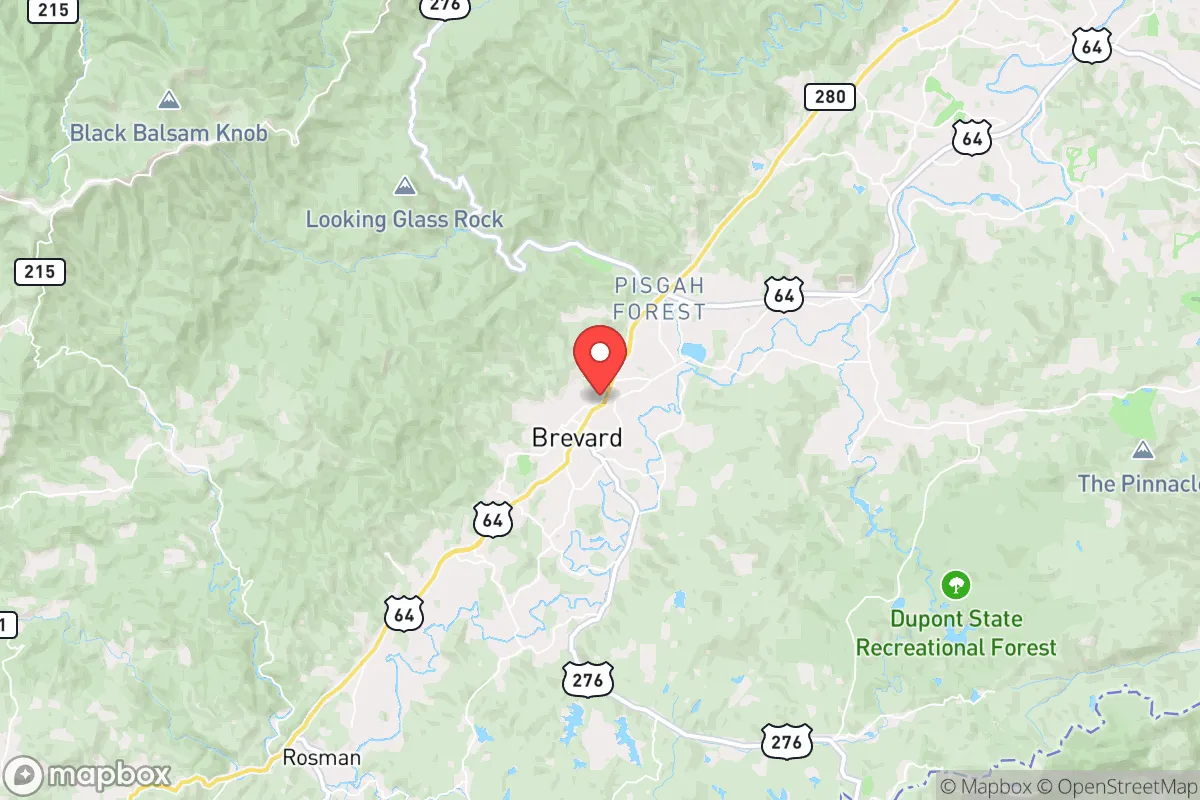
Brevard, North Carolina, presents a quality of life defined by its scenic mountain setting and a notably affluent, educated population drawn to the area’s natural beauty and cultural amenities. The town’s cost of living index of 104 (where 100 equals the U.S. average) indicates expenses slightly above the national norm, a figure that reflects its desirability as a destination for retirees, second-home owners, and remote workers seeking a slower pace without sacrificing access to the arts and outdoor recreation. The community is characterized by a mix of lifelong residents, seasonal visitors from Florida and the Southeast, and a growing cohort of professionals who value the proximity to Asheville and the Pisgah National Forest.
Cost of living, housing affordability, and how Brevard compares to nearby towns
Housing is the primary driver of Brevard’s above-average cost of living, with a median home value of $411,000 that significantly exceeds the national median and places it among the pricier small towns in western North Carolina. For context, this is roughly 30% higher than the median in nearby Hendersonville and about 15% below the median in Asheville, positioning Brevard as a premium option within the region. Renters fare better: the median rent of $878 is notably affordable compared to both the national median and the Asheville metro area, where rents often exceed $1,200. This rental affordability, combined with an average commute of just under 20 minutes, makes Brevard attractive for workers employed locally or remotely who want to avoid the traffic congestion of larger cities. However, the high home prices create a barrier for first-time buyers and lower-income households, contributing to a housing market that favors established buyers and those relocating with equity from higher-cost states.
Amenities, schools, and what daily life is like for families and retirees
Daily life in Brevard revolves around its walkable downtown, the adjacent Pisgah National Forest, and a calendar of community events that includes the renowned Brevard Music Center summer festival. The town’s public schools, part of Transylvania County Schools, consistently rank among the top in the state for academic performance, with Brevard High School earning a GreatSchools rating of 8 out of 10 and a reputation for strong college preparatory programs. For families, the combination of low crime rates, access to hiking and waterfalls, and a robust public library system creates a safe, engaging environment. Retirees are drawn to the active lifestyle opportunities—golf, fly fishing, and the numerous trails—as well as the presence of a well-regarded hospital, Transylvania Regional Hospital, which is part of the Mission Health system. The town’s cultural scene, anchored by the Brevard Music Center and the Transylvania Heritage Museum, provides year-round programming that reduces the need to travel to Asheville for entertainment.
Brevard is best suited for individuals and families who prioritize outdoor recreation, a tight-knit community feel, and access to quality schools over urban nightlife or career diversity. The high home values and limited rental inventory mean that renters and first-time buyers may need to act quickly or consider nearby towns like Pisgah Forest or Rosman for more affordable options. Remote workers and retirees with flexible incomes will find the cost of living manageable, while those on fixed budgets may struggle with the housing market. Ultimately, Brevard offers a high quality of life for those who can afford its premium, with the trade-off being a smaller job market and fewer retail options than a larger metro area.

Crime in Brevard, NC
Lower crime rates than 92% of comparable U.S. locations.
Violent CrimeViolent Crime Analysis
Property CrimeProperty Crime Analysis
Crime Analysis
Brevard, North Carolina, reports a violent crime rate of 87.4 incidents per 100,000 residents and a property crime rate of 586.6 per 100,000, placing it well below national averages for both categories. These figures suggest a generally safe environment, though the local justice system’s ideological leanings warrant scrutiny for potential impacts on public safety. The city’s small-town character and low crime volume make it appealing, but residents should remain aware of how broader regional policies may affect crime trends.
Crime in context
Brevard’s violent crime rate is roughly 70% lower than the U.S. average of about 380 per 100,000, and its property crime rate is approximately 40% below the national figure of 1,950 per 100,000. Compared to North Carolina’s state averages—around 350 violent and 2,100 property crimes per 100,000—Brevard is significantly safer. However, Transylvania County, which includes Brevard, has a history of progressive-leaning judicial appointments. In 2024, the county’s district attorney, elected on a platform emphasizing rehabilitation over incarceration, has been associated with plea deals that reduce sentences for repeat property offenders. This approach, while well-intentioned, can lead to higher recidivism and more criminals on the street, directly undermining public safety. Readers should consider that such ideological stances in the justice system may erode the deterrent effect of prosecution, potentially increasing risks over time.
What residents experience
Residents report that property crimes like theft from vehicles and occasional burglaries are the most common concerns, often concentrated near tourist areas like downtown Brevard’s Main Street. Violent incidents are rare, with the 87.4 per 100,000 rate translating to roughly 5 to 6 violent crimes annually in a city of about 7,600 people. The local police department maintains a visible presence, but the county’s progressive district attorney has been criticized for declining to prosecute certain low-level drug offenses, which can embolden property criminals. For example, in 2023, a series of car break-ins near the Brevard Music Center resulted in only one arrest, with the suspect released on a reduced bond—a pattern that frustrates victims and may signal leniency. Residents should lock vehicles and secure homes, especially near high-traffic areas, as the justice system’s focus on offender rehabilitation may not fully prioritize victim protection.
Neighborhood-level variation is modest but notable. Areas west of the French Broad River, such as the Connestee Falls community, report near-zero violent crime and lower property crime due to gated access and private security. In contrast, neighborhoods closer to U.S. 64 and the city’s commercial core, like the Ecusta Road corridor, see slightly higher property crime rates, likely tied to transient populations. The progressive judicial philosophy in Transylvania County means that even in safer enclaves, the risk of repeat offenders cycling through the system remains a concern. For those prioritizing safety, choosing a home with strong community watch programs or in a gated subdivision can mitigate the effects of a lenient justice system, but the broader ideological environment should factor into relocation decisions.
* Values derived from national, state, county, city and local statistics and may differ in a specific area. Last updated: 2026-08-03T15:45:12.000Z
Narrative content on this page is AI-generated and may contain mistakes. Verify any details that matter before acting on them.
ReloMaps may earn a commission from affiliate links at no extra cost to you.

