Photo: Wikipedia
Find The Best Places To Live in Transylvania County
PRO TIP! You can paste a Zillow or Redfin link to get info on that property.
Best Places to Live in Transylvania County
Cities & Towns in Transylvania County
Cities in Transylvania County
What It's Like Living in Transylvania County, NC
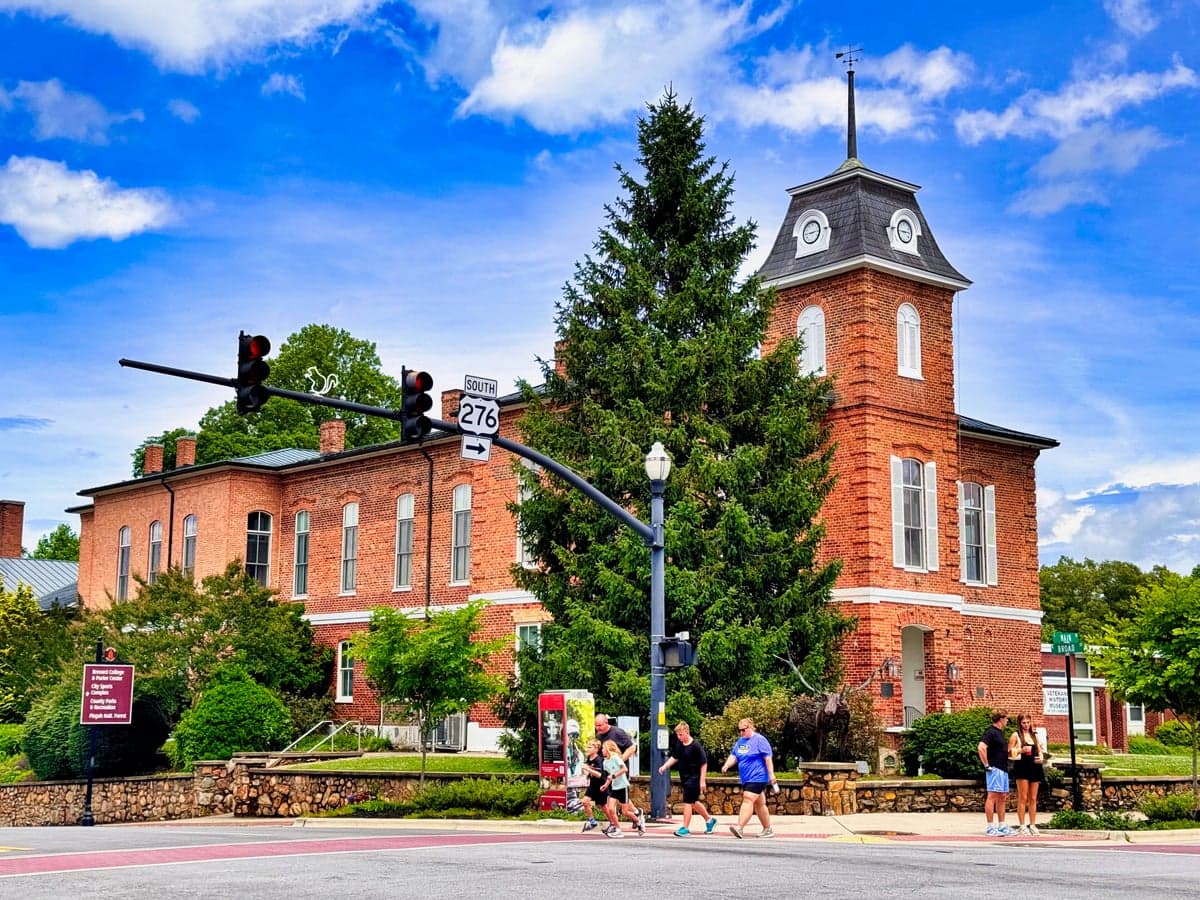
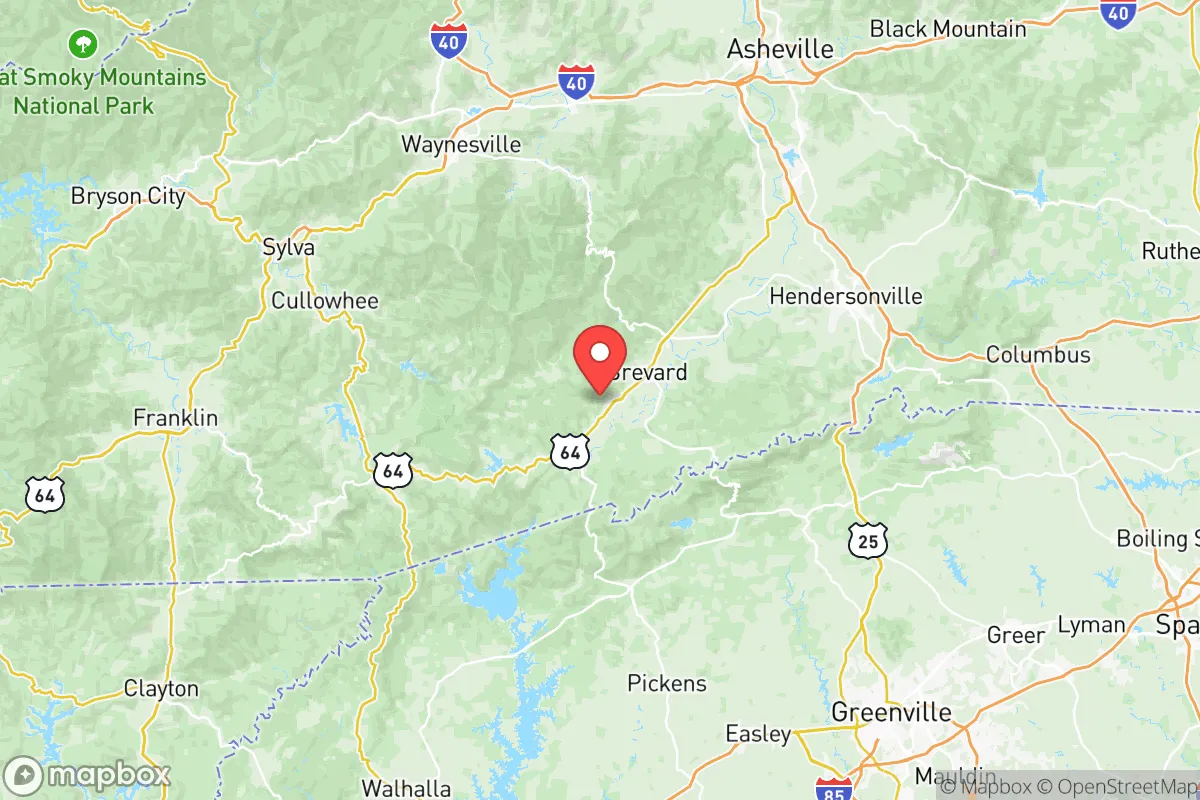
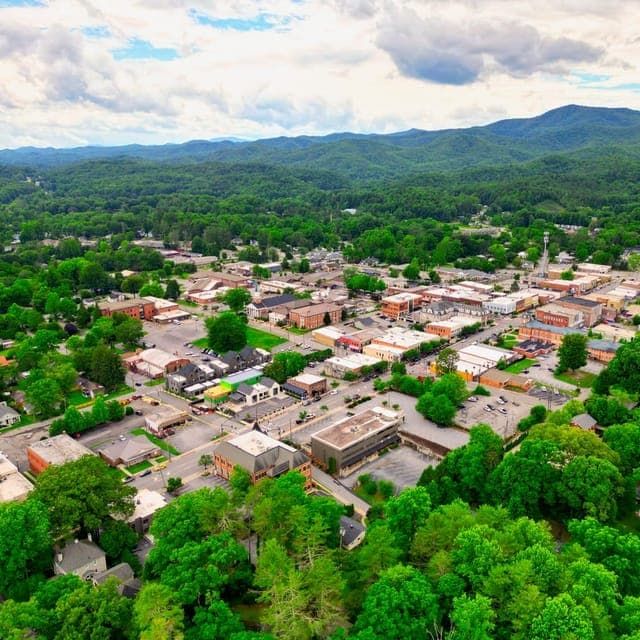
Living in Transylvania County, North Carolina, means trading the rush of city life for a slower, more deliberate rhythm defined by towering waterfalls, winding mountain roads, and a community where everyone seems to know your name—or at least your truck. The county’s identity is deeply tied to its geography, with the Blue Ridge Parkway slicing through the northern edge and the French Broad River carving a path through the center. For a slightly conservative-leaning audience, this is a place where self-reliance, outdoor stewardship, and neighborly connection still matter, even as the area gently modernizes.
Daily Rhythm in the Land of Waterfalls
Most mornings here start with a drive that feels like a postcard. Residents of Brevard, the county seat and largest town, often grab coffee at Rocky’s Grill & Soda Shop—a classic diner that’s been serving biscuits and conversation since the 1950s. The average commute is just over 23 minutes, which means you’re never far from work, school, or the trailhead. For families, the day often revolves around Brevard Elementary or Rosman High School, where Friday-night football games in the fall draw crowds that pack the bleachers under the stadium lights. The schools are a genuine community hub, not just for education but for potlucks, fundraisers, and the kind of small-town pride that shows up in the stands rain or shine.
Weekends are for the outdoors. Locals in Pisgah Forest and Cedar Mountain spend Saturday mornings hiking to Looking Glass Falls or fishing the Davidson River, a world-class trout stream that runs through the heart of Pisgah National Forest. The county’s population of just over 33,000 means you can still find solitude on a trail, but you’ll also run into familiar faces at the Brevard Farmers Market on Saturday mornings. The median age here is 51.9, which gives the county a noticeably quieter, more settled feel—this isn’t a place for a rowdy nightlife scene, but rather for porch sitting, woodworking, and slow conversations.
What’s There to Do Beyond the Trails
Outdoor recreation is the main draw, but Transylvania County has more than just waterfalls. The Brevard Music Center hosts a summer classical and bluegrass festival that draws musicians from across the country, filling the evenings with live performances in an open-air amphitheater. For a more low-key evening, locals head to Jordan Street Café in Brevard for live acoustic sets or to The Square Root for a craft beer and a burger. The county’s cost of living index sits at 95—slightly below the national average—which means a night out won’t break the bank, though the median home value of $336,100 has been climbing as newcomers discover the area.
Festivals are a big part of the calendar. The White Squirrel Festival in Brevard celebrates the town’s famous white squirrels with live music, arts and crafts, and a parade that feels like a family reunion. In the fall, the Transylvania County Apple Festival in Pisgah Forest draws crowds for apple butter, cider, and hayrides. For sports fans, high school athletics are the main event—there’s no pro team within two hours, so Friday-night football at Brevard High School or basketball at Rosman High School gets the same energy you’d see in a larger town. The community rallies around these games, and it’s not unusual to see grandparents, parents, and kids all wearing the same school colors.
Who Fits In—and Who Might Struggle
Transylvania County tends to attract people who value privacy, nature, and a slower pace. The median household income is $64,523, which supports a comfortable but not extravagant lifestyle—most people here own their homes and spend their money on gear, garden supplies, and gas for weekend trips. The county has a higher-than-average share of college-educated residents at 38.6%, many of whom work remotely in tech or creative fields, or commute to Asheville (about 45 minutes north) for jobs in healthcare and education. Retirees are a significant presence, drawn by the mild summers and the quiet, but younger families are moving in too, especially to Brevard and Rosman, where housing is still more affordable than in Asheville or Hendersonville.
That said, the county isn’t for everyone. The violent crime rate of 311.3 per 100,000 is higher than the national average, and while most incidents are concentrated in specific areas, it’s a fact that longtime residents will mention with a shrug—it’s not something that dominates daily life, but it’s worth knowing. The weather is another consideration: summers are mild and green, but winters can be gray and damp, with occasional ice storms that knock out power for days. And if you’re looking for a vibrant nightlife, diverse dining, or big-city amenities, you’ll find yourself driving to Asheville or Greenville, South Carolina, more often than you might expect.
Pros and Cons of Living Here
- Pro: Unmatched access to outdoor recreation—hiking, fishing, and waterfall chasing are part of everyday life, not vacation plans.
- Con: Limited job opportunities locally; many residents commute or work remotely, and the local economy leans heavily on tourism and seasonal work.
- Pro: A strong sense of community, especially around schools, churches, and local festivals like the White Squirrel Festival.
- Con: Rising home prices (median $336,100) are pricing out some longtime locals, and inventory is tight in popular areas like Brevard and Pisgah Forest.
- Pro: Lower cost of living than the national average, with affordable groceries and utilities compared to nearby Asheville.
- Con: Limited healthcare options; serious medical needs often require a drive to Asheville or Greenville.
For the right person—someone who values quiet, nature, and a community that still waves from the truck—Transylvania County offers a life that feels both grounded and free. It’s not perfect, but the waterfalls, the white squirrels, and the sound of the Davidson River running past your back porch make it hard to leave.

* Values derived from national, state, county, city and local statistics and may differ in a specific area. Last updated: 2026-08-08T12:55:44.000Z
Narrative content on this page is AI-generated and may contain mistakes. Verify any details that matter before acting on them.
ReloMaps may earn a commission from affiliate links at no extra cost to you.

