Photo: Wikipedia
Demographics of Boxford, MA
Affluence Level in Boxford, MA
A wealthy area with high-earning, well-educated households. Incomes, home values, and educational attainment meaningfully outpace national averages.
People of Boxford, MA
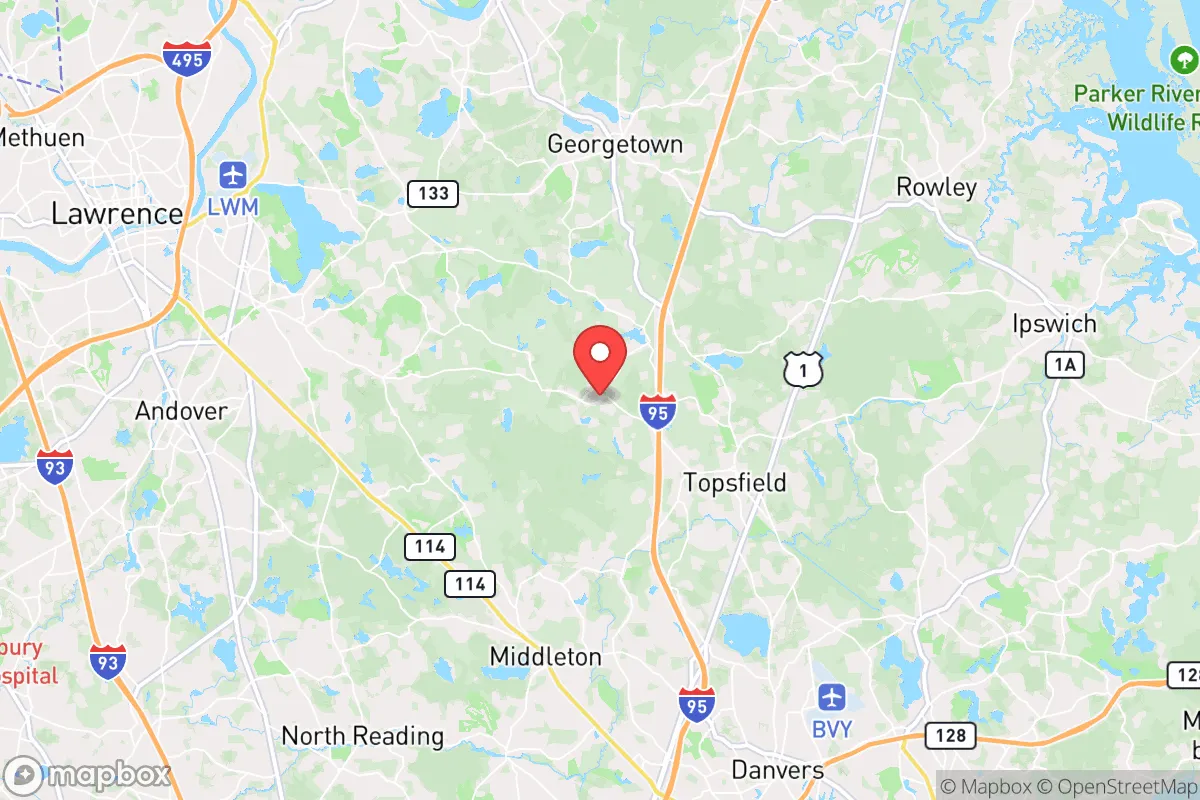
The people of Boxford, Massachusetts, number roughly 2,325 and form one of the most homogeneous and highly educated communities in Essex County. With a population that is 92.4% White and a foreign-born share of just 0.9%, Boxford retains the character of a tightly-knit, rural New England town where 72.0% of adults hold a college degree. The community is defined by its quiet, family-oriented lifestyle, large-lot zoning, and a deep sense of historical continuity that sets it apart from the more suburbanized towns along the I-95 corridor.
How the city was settled and grew
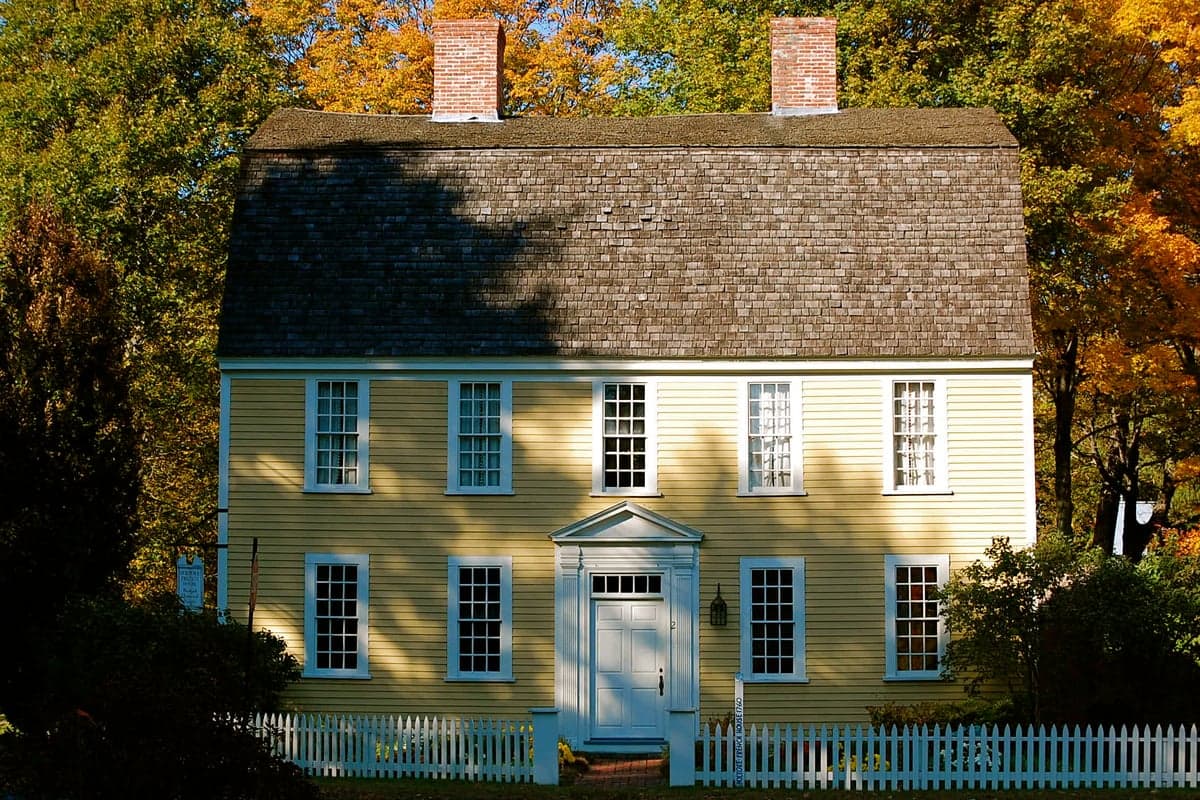
Europeans first settled the area that would become Boxford in the mid-17th century, primarily as a farming outpost of Rowley and Ipswich. The original grantees were English Puritans seeking arable land and timber, and the town was officially incorporated in 1685. These early families — the Symonds, the Peabodys, and the Perleys — established homesteads along what are now Main Street and Middleton Road, in the area still referred to as Center Village around the Town Hall and First Church. During the 18th and 19th centuries, Boxford remained a sparsely populated agricultural community, with sawmills and gristmills operating along the Pye Brook and Fish Brook. The village that grew around the millpond at East Boxford became a modest service hub, housing the shoemakers and blacksmiths who supported the surrounding farms. The arrival of the Boston and Maine Railroad in the late 19th century brought a small wave of summer residents from Boston, who built cottages near the Boxford station in the West Boxford area. However, the town’s population remained under 1,000 until after World War II, and it never developed the dense mill-village character of nearby towns like Middleton or Topsfield.
Modern era (post-1965)
The post-1965 era transformed Boxford from a sleepy farm town into an affluent commuter enclave. The 1970s and 1980s saw significant domestic in-migration of white-collar professionals and executives from the Boston area, drawn by large wooded parcels and the town’s highly rated public schools. This wave built new homes in the town’s southwestern quadrant, particularly in the Spofford Pond and Pilgrim Road neighborhoods, where modern colonial and contemporary houses replaced former hayfields and apple orchards. The town’s growth was deliberately constrained by a 3-acre minimum zoning requirement enacted in the 1960s, which preserved low density and kept subdivisions small. Boxford has remained overwhelmingly White throughout this period; the current Hispanic population stands at 3.0%, and East/Southeast Asian residents account for 0.6%, with no Black or Indian-subcontinent population reported. Most of the limited ethnic diversity present today is concentrated among professional families living in newer construction near the Endicott Road area, which is proximate to the commuter rail station in North Andover. The town has resisted commercial development and multifamily housing, preserving its rural aesthetic and ensuring that population growth has been modest and largely organic through family settlement.
The future
Boxford’s population is projected to remain stable or decline slightly over the next 20 years, constrained by restrictive zoning, high property values, and the aging of the original suburban wave. The median age continues to rise, and the school-age population has contracted in recent enrollments. Diversity will likely increase only marginally, primarily through small numbers of professional East/Southeast Asian and Hispanic families who can afford the high entry price of a Boxford home, but the town is not expected to undergo any significant demographic shift. The absence of rental housing, apartment complexes, or starter-home subdivisions effectively filters the population toward established professionals and second-generation residents settling near Middleton Road or in the historic Boxford Village district. The cultural identity of the town is likely to remain defined by its reputation for privacy, land conservation (with assets like the Boxford State Forest), and a politics that leans conservative relative to the rest of Essex County — a deliberate choice for families who value low taxes and local control over rapid growth.
For someone moving in now, Boxford offers a rare combination of rural character and high educational attainment in a state where such communities are increasingly rare. The trade-offs are clear: a homogeneous, expensive, and socially insular environment where new residents are expected to embrace the existing culture rather than reshape it. If you are seeking a community with visible diversity, rental options, or a broad housing range, this is not the town. If you want a place where the main policy debates are about conservation restrictions and school building maintenance, Boxford will feel like an ideal fit.

* Values derived from national, state, county, city and local statistics and may differ in a specific area. Last updated: 2026-09-13T22:15:13.000Z
Narrative content on this page is AI-generated and may contain mistakes. Verify any details that matter before acting on them.
ReloMaps may earn a commission from affiliate links at no extra cost to you.

