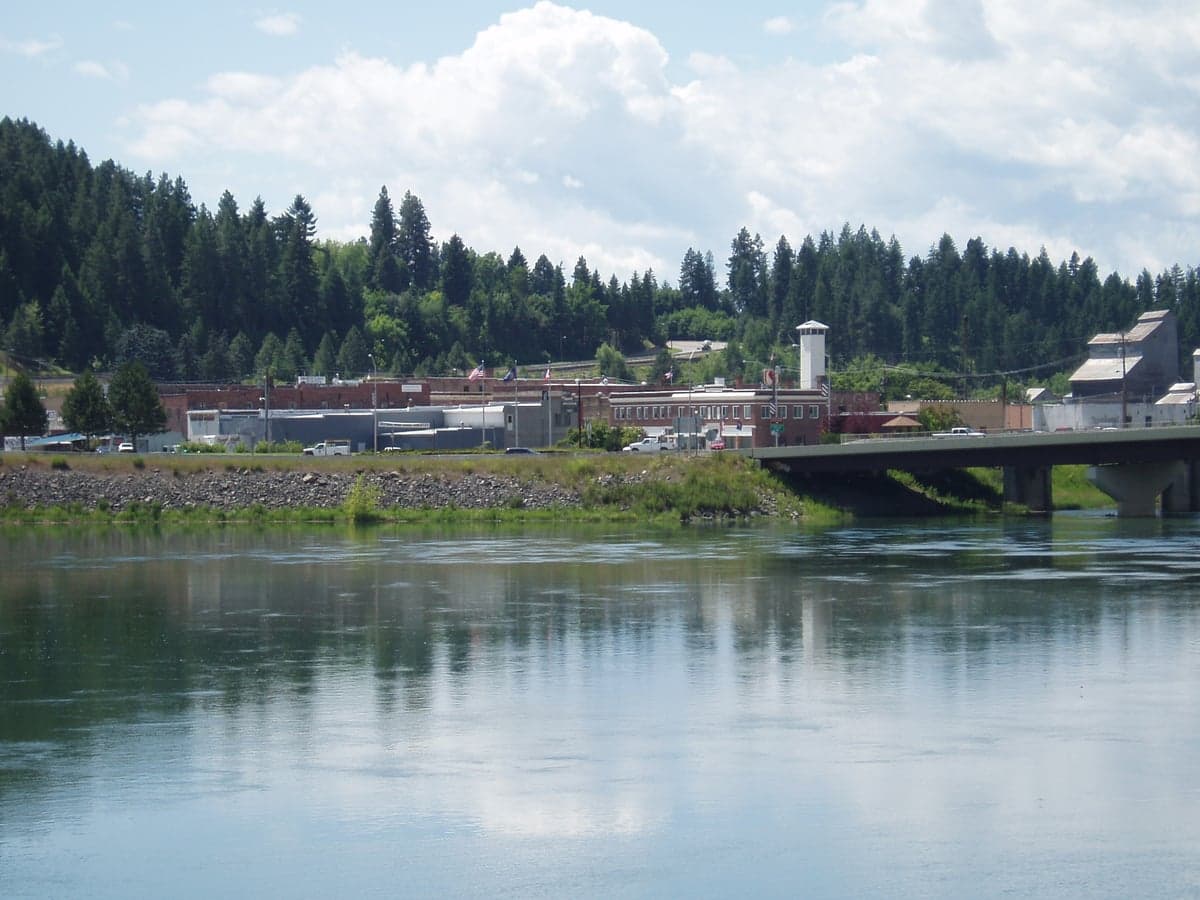
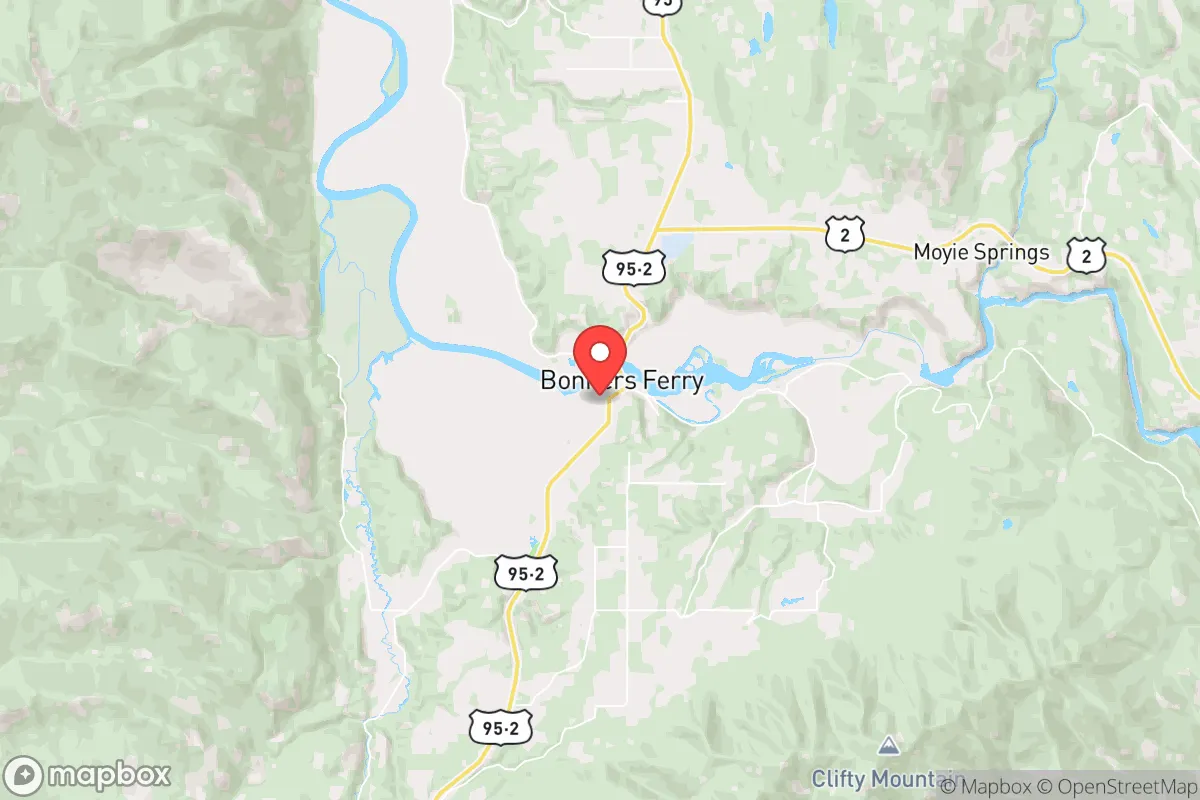
Photo: Wikipedia
Quality of Life in Bonners Ferry, ID
Above-average quality of iife. The area offers a reasonable cost of living, decent mobility, and a mix of neighborhood amenities.
What does Quality of Life tell us?
Quality of Life blends cost of living, nearby amenities, socioeconomic signals, and neighborhood character. City-level scores represent the whole municipality; individual neighborhoods can differ.
What does this tell us?
Quality of Life blends cost of living, nearby amenities, socioeconomic signals, and neighborhood character. City-level scores represent the whole municipality; individual neighborhoods can differ.
Cost of Living
8% below national average
The Real Cost of Living in Bonners Ferry, ID for 2026
| Tier | Individual | Family (4) |
|---|---|---|
| Survival | $17k | $31k |
| Comfortable | $48k | $71k |
| Luxury | $71k+ | $109k+ |
| Elite (Top 5%) | $83k+ | $129k+ |
77%
The Area Signal
A metric tracking the socioeconomic signals of the area.
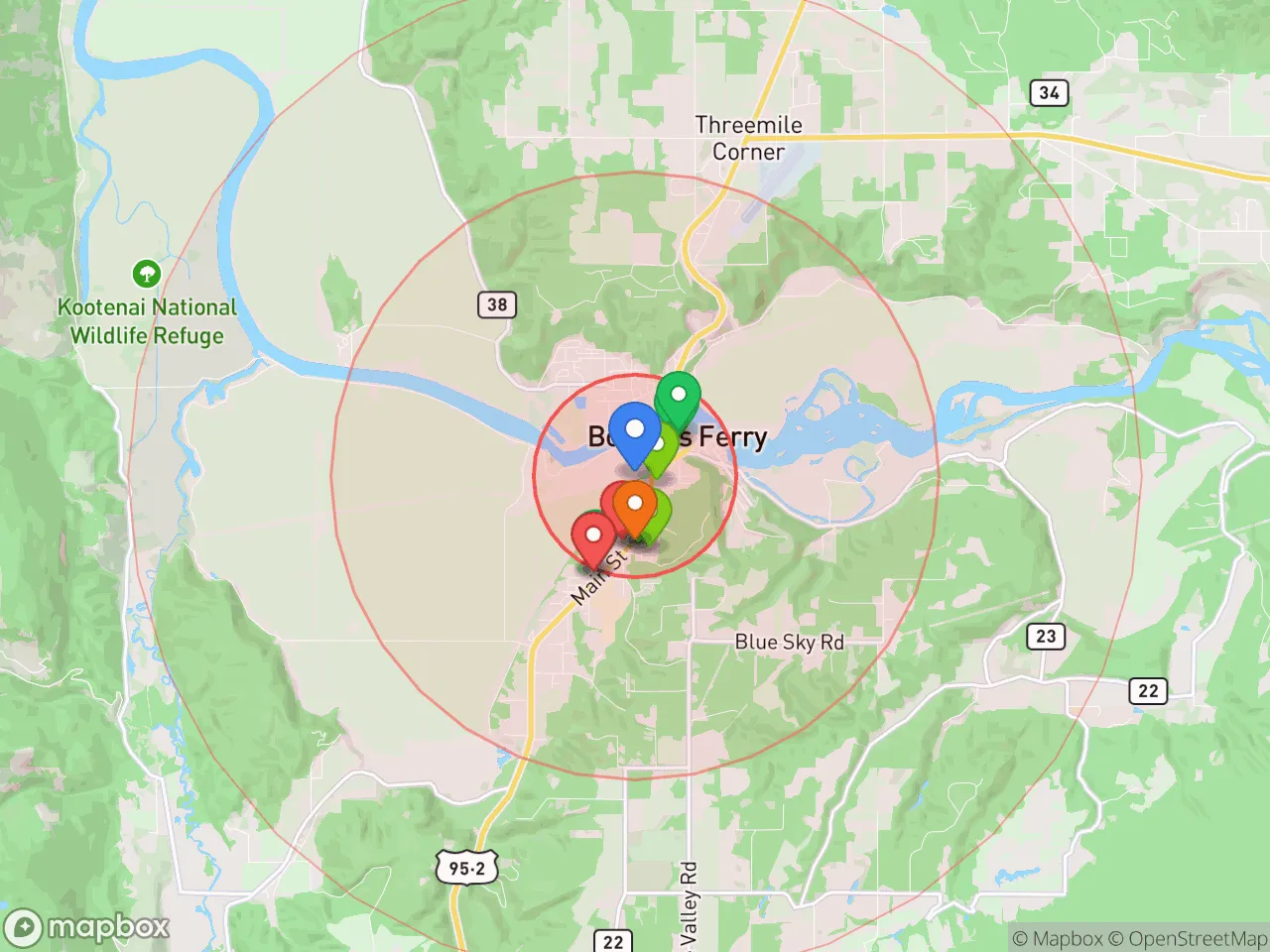
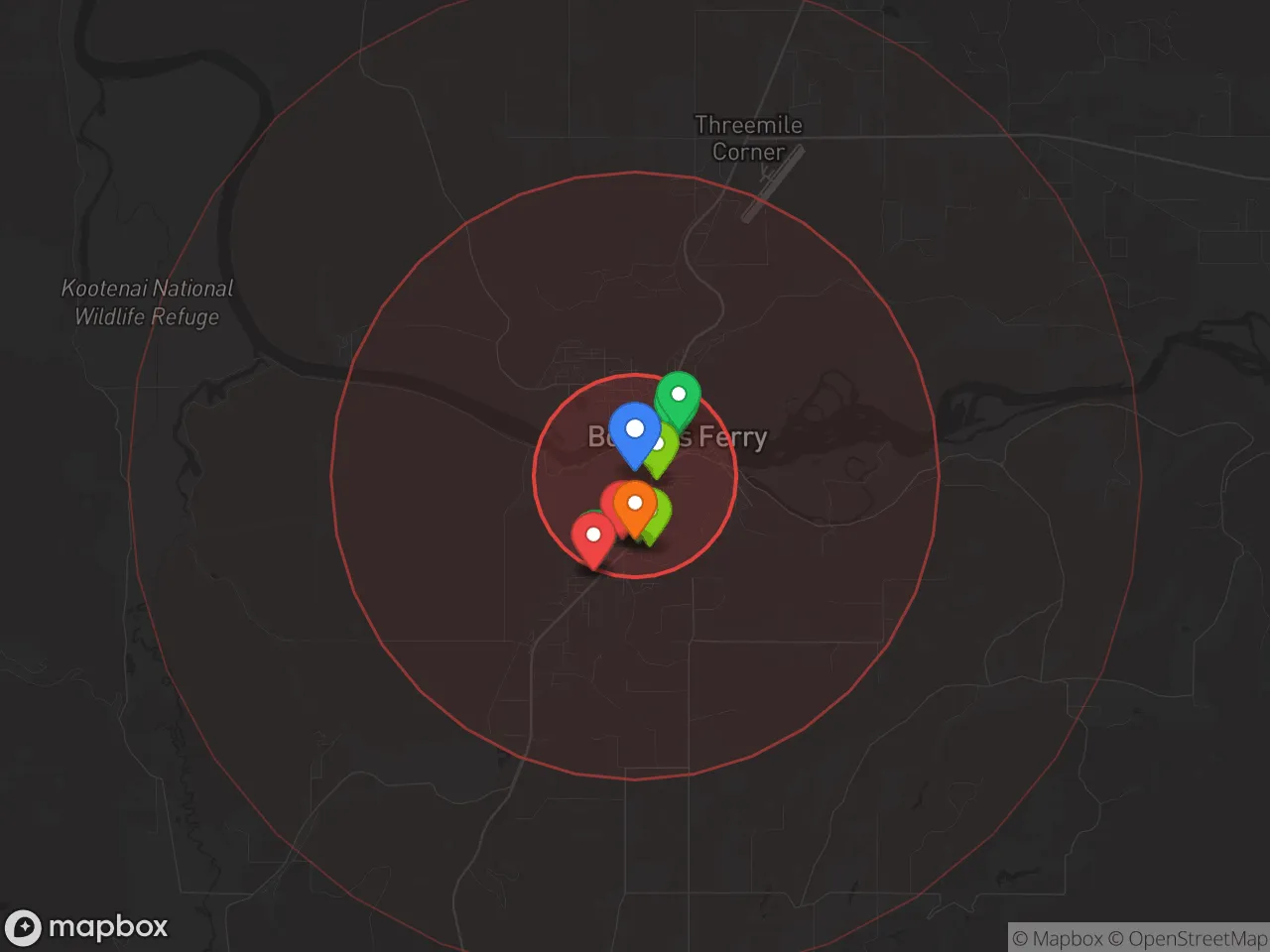
Hobbies
Explore the areaGroceries
0 within 10 miles
Gas
0 within 10 miles
Hospital
0 within 20 miles
Airport
SEA — Seattle–Tacoma International
Post Office
Critical Amenities
Quality-of-Life Analysis
Bonners Ferry, Idaho, presents a quality of life defined by small-town affordability and a predominantly conservative, outdoor-oriented population. With a cost of living index of 92 (8% below the U.S. average), the community attracts families, retirees, and remote workers seeking a quieter, more rural lifestyle than the booming resort towns of Sandpoint or Coeur d'Alene. The median household income hovers around the state average, supporting a mix of long-time agricultural families and newer residents drawn by the Kootenai River and surrounding Selkirk Mountains.
Cost of living, housing, and affordability compared to Sandpoint and Coeur d'Alene
Bonners Ferry’s affordability is its strongest draw. The median home value sits at $272,000, roughly $100,000 less than Sandpoint and $150,000 less than Coeur d'Alene, making it one of the most accessible housing markets in northern Idaho. Median rent is $1,043, well below the state median of $1,200. The average commute of 21.5 minutes is manageable, though many residents drive to jobs in Sandpoint (30 minutes south) or even Coeur d'Alene (1 hour). Property taxes remain low due to Idaho’s favorable tax structure, but buyers should note that inventory is limited and homes often sell quickly. For renters, the market is tight, with few apartment complexes and a reliance on single-family rentals.
What daily life is like for families: schools, amenities, and outdoor access
Daily life in Bonners Ferry revolves around the Kootenai River and the Boundary County School District, which serves roughly 1,800 students across three elementary schools, one middle school, and Bonners Ferry High School. The high school offers strong FFA and outdoor leadership programs, reflecting the area’s agricultural and recreation-focused identity. Amenities are sparse but functional: a small hospital (Boundary Community Hospital), a Safeway, a hardware store, and a handful of local diners and cafes. For major shopping, healthcare specialists, or entertainment, residents drive to Sandpoint or Coeur d'Alene. The real draw is the outdoors—the Kootenai National Forest, the Selkirk Crest, and the Moyie River provide year-round hiking, fishing, hunting, and snowmobiling. The town’s rhythm is slow, with community events like the Kootenai River Days and the Boundary County Fair anchoring the social calendar.
Bonners Ferry is best suited for people who prioritize space, nature, and low costs over urban convenience. Remote workers with stable internet (fiber is available in parts of town) will find the affordability attractive, as will retirees seeking a quiet, conservative community. Families should be comfortable with limited after-school activities and a 30-minute drive for most specialized services. Those who thrive here value self-reliance, outdoor recreation, and a tight-knit social fabric where neighbors know each other by name.

Crime in Bonners Ferry, ID
Lower crime rates than 85% of comparable U.S. locations.
Violent CrimeViolent Crime Analysis
Property CrimeProperty Crime Analysis
Crime Analysis
Bonners Ferry, Idaho, reports a violent crime rate of 245.2 incidents per 100,000 residents and a property crime rate of 665.5 per 100,000, placing it below the national average for violent offenses but above the state average for property crime. While the town is generally considered safe compared to many large metropolitan areas, residents should be aware that property crime—particularly theft and burglary—is the more common concern. The overall safety picture is one of a small, rural community where violent incidents are rare but not absent, and where proactive prevention efforts can make a meaningful difference.
Crime in context
Bonners Ferry’s violent crime rate of 245.2 per 100,000 is roughly 30% lower than the national average of about 380 per 100,000, but it is higher than the Idaho state average of approximately 220 per 100,000. Property crime in Bonners Ferry, at 665.5 per 100,000, sits below the national average of roughly 1,950 per 100,000 but exceeds the Idaho state average of about 1,100 per 100,000. This means a resident is statistically more likely to experience a property crime in Bonners Ferry than in the typical Idaho community, though the risk remains well below the national norm. By comparison, large metropolitan areas with progressive justice policies—such as Portland, Oregon, or Seattle, Washington—often report violent crime rates two to three times higher, a pattern linked to lenient sentencing and reduced incarceration for repeat offenders.
What residents experience
For those living in Bonners Ferry, daily life is marked by a low likelihood of encountering violent crime. The most common incidents are theft from vehicles, burglary, and occasional vandalism, often concentrated near commercial areas or during tourist seasons. Residents report feeling safe walking downtown and in residential neighborhoods, though they advise locking vehicles and securing outbuildings. The Boundary County Sheriff’s Office and local police maintain a visible presence, and community watch programs are active. However, the town’s remote location and limited law enforcement resources mean that response times can be slower in outlying areas, and property crimes are sometimes underreported or unsolved.
Neighborhood-level variation
Neighborhood-level crime data for Bonners Ferry is limited, but anecdotal reports suggest that areas closer to the Kootenai River and downtown core see slightly higher property crime rates, while newer subdivisions on the outskirts experience fewer incidents. The town’s small size—roughly 2,500 residents—means that crime is not heavily concentrated in any single district. For the most current block-level data, prospective residents should consult the Boundary County Sheriff’s Office or online crime mapping tools. Overall, Bonners Ferry offers a safer environment than many urban centers, particularly those with progressive criminal justice policies that can lead to higher recidivism and reduced public safety.
* Values derived from national, state, county, city and local statistics and may differ in a specific area. Last updated: 2026-11-24T18:34:20.000Z
Narrative content on this page is AI-generated and may contain mistakes. Verify any details that matter before acting on them.
ReloMaps may earn a commission from affiliate links at no extra cost to you.

