Photo: Wikipedia
Quality of Life in Belfast, ME
A high quality of life with strong walkability, manageable living costs, healthy neighborhood signals, and solid amenity access.
What does Quality of Life tell us?
Quality of Life blends cost of living, nearby amenities, socioeconomic signals, and neighborhood character. City-level scores represent the whole municipality; individual neighborhoods can differ.
What does this tell us?
Quality of Life blends cost of living, nearby amenities, socioeconomic signals, and neighborhood character. City-level scores represent the whole municipality; individual neighborhoods can differ.
Cost of Living
5% below national average
The Real Cost of Living in Belfast, ME for 2026
| Tier | Individual | Family (4) |
|---|---|---|
| Survival | $16k | $30k |
| Comfortable | $60k | $88k |
| Luxury | $111k+ | $172k+ |
| Elite (Top 5%) | $164k+ | $254k+ |
70%
The Area Signal
A metric tracking the socioeconomic signals of the area.
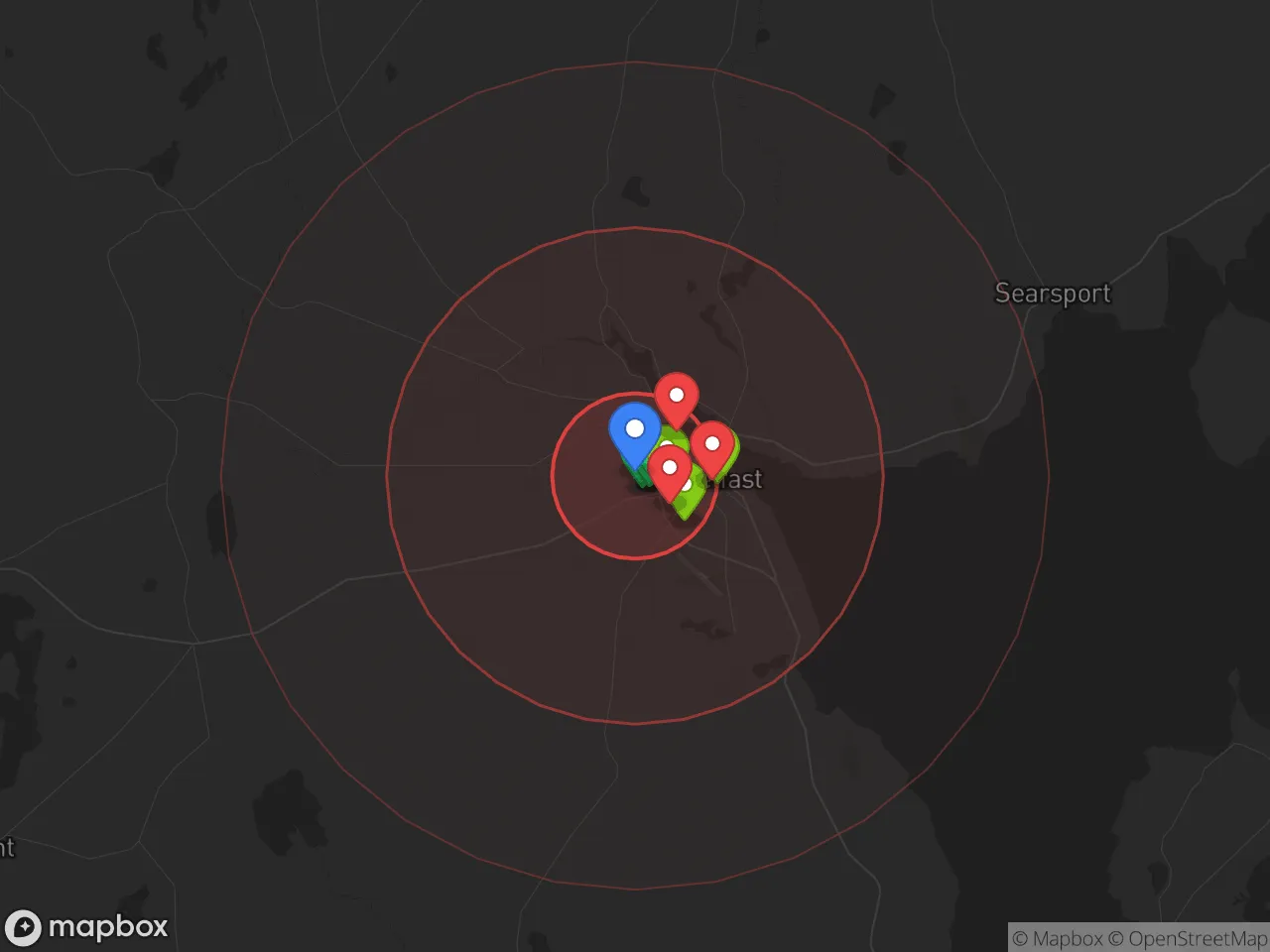
Hobbies
Explore the areaGroceries
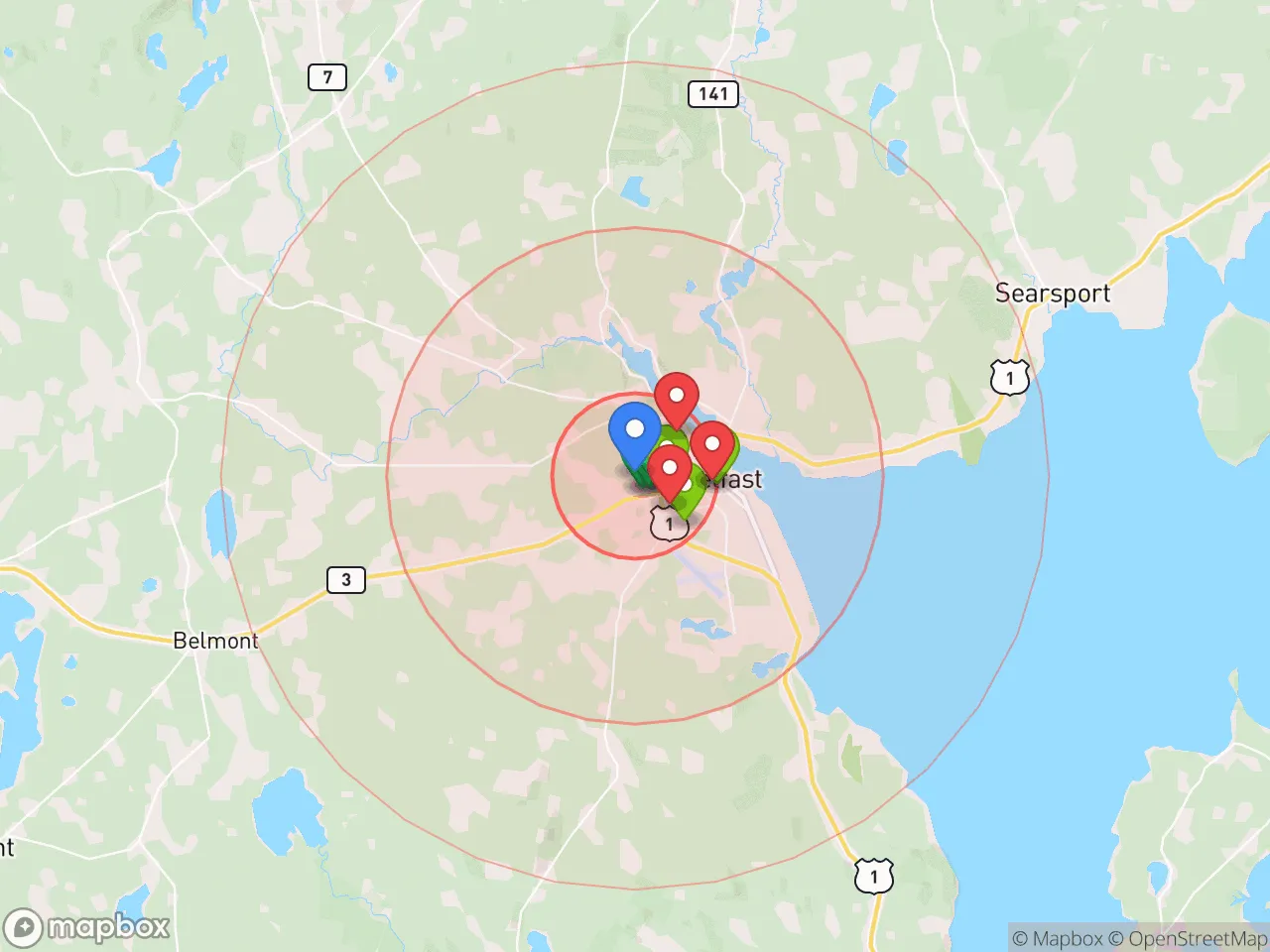
1 within 10 miles
Gas
6 within 10 miles
Hospital
2 within 20 miles
Airport
PDX — Portland International Jetport
Post Office
USPS — Belfast, ME
Critical Amenities
Quality-of-Life Analysis
Belfast, Maine, presents a distinctive quality-of-life profile shaped by its coastal location, historic character, and a population that blends long-standing Mainers with an influx of artists, retirees, and remote workers. The city’s cost of living index of 95—slightly below the national average of 100—belies a housing market that has tightened considerably since 2020, attracting those seeking a slower pace without sacrificing access to the Maine coast. The median home value of $307,700 and median rent of $986 position Belfast as a more affordable alternative to pricier coastal hubs like Camden or Rockport, yet still above inland Waldo County towns, making it a magnet for buyers priced out of southern Maine.
Cost of living, housing affordability, and how Belfast compares to nearby towns
Belfast’s housing market offers a relative bargain compared to the Midcoast’s most expensive enclaves. The median home value of $307,700 is roughly 30% lower than Camden’s median and about 15% below Rockland’s, while the median rent of $986 undercuts both. However, this affordability comes with trade-offs: inventory is limited, and many homes date to the 19th or early 20th centuries, requiring renovation. The overall cost of living index of 95 is driven by housing costs that are below the national average, but utilities and groceries run slightly higher due to the region’s seasonal tourism economy and transportation logistics. For context, a household earning the Waldo County median income of roughly $55,000 can afford the median-priced home with a conventional mortgage, though first-time buyers often compete with cash offers from out-of-state relocators. The average commute of 24.4 minutes is manageable, with most workers traveling to Belfast itself, nearby Rockland, or the larger employment centers of Bangor (about 45 minutes north) and Augusta (about 50 minutes west).
Local amenities, schools, and the daily rhythm of life in Belfast
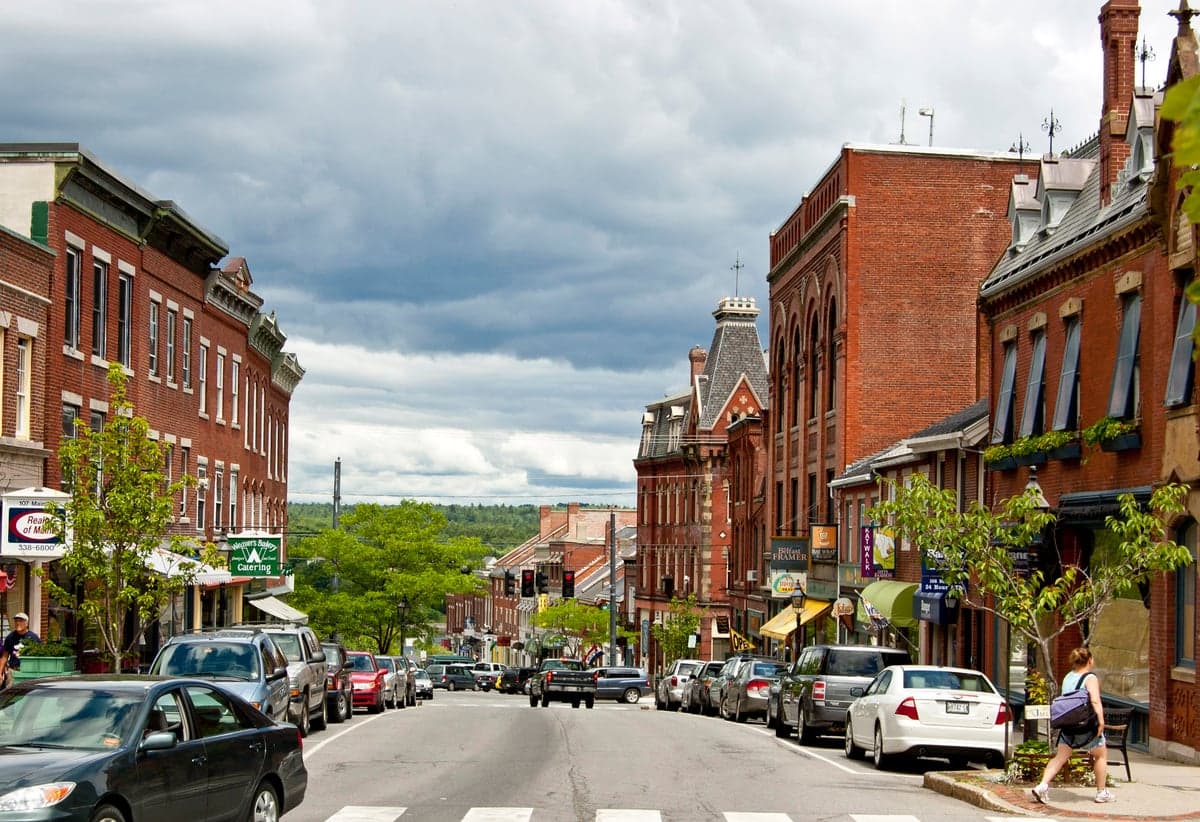
Daily life in Belfast revolves around a compact, walkable downtown anchored by the Belfast Harbor and the historic Main Street, which hosts independent bookstores, farm-to-table restaurants, and art galleries. The city’s public schools—Belfast Area High School, Troy A. Howard Middle School, and several elementary schools—serve about 1,500 students and have received mixed ratings; the high school offers Advanced Placement courses and a strong vocational program through the Waldo County Technical Center. For families, the Belfast Free Library and the city’s network of parks, including the 1.5-mile Rail Trail along the Passagassawakeag River, provide low-cost recreation. The daily rhythm is distinctly seasonal: summer brings a surge of tourists and farmers’ market activity, while winter slows to a quieter pace, with community events like the Belfast Winterport Festival and the annual Maine Celtic Celebration. Healthcare access is solid, with Waldo County General Hospital (part of MaineHealth) offering emergency care and primary services, though specialists often require a drive to Bangor or Portland. The city’s cultural scene—including the Belfast Maskers community theater and the Waterfall Arts center—punches above its weight for a town of 6,900 residents.
Belfast is best suited for those who value coastal beauty, a tight-knit community, and a slower pace over urban amenities or career density. Retirees, remote workers, and creative professionals will find the most alignment with the city’s character, especially if they can secure housing before further price appreciation. Families should weigh the school system’s limitations and the limited after-school options against the safety and outdoor access. For anyone seeking a genuine Midcoast Maine lifestyle without the premium price tag of Camden or Bar Harbor, Belfast offers a compelling, grounded alternative.

Crime in Belfast, ME
Lower crime rates than 94% of comparable U.S. locations.
Violent CrimeViolent Crime Analysis
Property CrimeProperty Crime Analysis
Crime Analysis
Belfast, Maine, presents a notably safe profile for a small coastal city, with violent crime rates far below national averages. The city recorded a violent crime rate of 28.6 incidents per 100,000 residents, a figure that is roughly one-tenth the national average and significantly lower than the Maine state average. Property crime, however, is more prevalent, with a rate of 671 per 100,000, which sits slightly above the state average but remains below the national median. This combination makes Belfast a community where residents generally feel secure, though property-related incidents warrant attention.
Crime in context
Belfast’s violent crime rate of 28.6 per 100,000 is exceptionally low, placing it among the safest municipalities in Waldo County and the state. For comparison, the national violent crime rate hovers around 380 per 100,000, while Maine’s state rate is approximately 110 per 100,000. The city’s property crime rate of 671 per 100,000 is higher than Maine’s average of roughly 550 per 100,000 but still well below the national figure of about 1,950 per 100,000. The primary driver of property crime in Belfast is larceny-theft, followed by burglary, with motor vehicle theft being rare. These figures reflect a community where serious violent offenses are uncommon, but opportunistic property crimes—often tied to seasonal tourism and transient populations—occur with some regularity.
What residents experience
Daily life in Belfast is characterized by a strong sense of community safety. Most residents report feeling comfortable walking downtown, using local parks, and leaving homes unlocked during the day. The Belfast Police Department maintains a visible presence, and neighborhood watch programs are active in several residential areas. However, residents should be aware of property crime trends, particularly during the busy summer tourist season when thefts from vehicles and unlocked homes increase. The city’s justice system operates within Maine’s broader legal framework, which is generally considered moderate. Unlike larger metropolitan areas with progressive district attorneys who may deprioritize certain property offenses, Waldo County’s judicial approach remains more traditional, contributing to the area’s overall low violent crime environment. This is a positive factor for those concerned about the impact of lenient prosecution on public safety.
Neighborhood-level variation in Belfast is modest but worth noting. The downtown core and waterfront areas see higher foot traffic and occasional petty theft, while outlying residential streets and rural subdivisions experience very low crime rates. The Harbor area and High Street corridor have slightly elevated property crime reports, whereas neighborhoods like East Belfast and the residential areas near the Country Club are among the safest. Overall, Belfast offers a safe living environment, particularly for families and retirees, with the primary caution being standard property crime prevention measures rather than concerns about violent victimization.
* Values derived from national, state, county, city and local statistics and may differ in a specific area. Last updated: 2026-04-22T22:11:04.000Z
Narrative content on this page is AI-generated and may contain mistakes. Verify any details that matter before acting on them.
ReloMaps may earn a commission from affiliate links at no extra cost to you.

