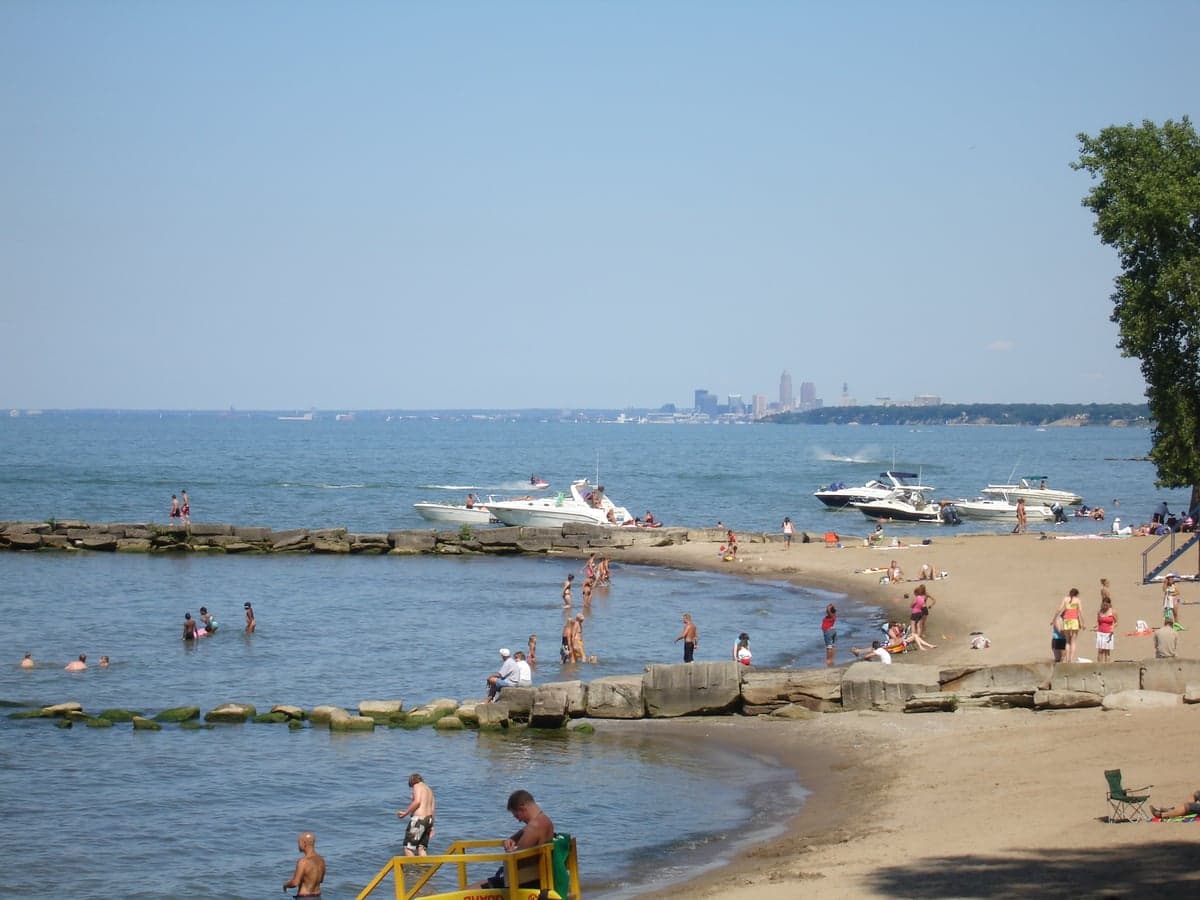
Photo: Wikipedia
Strategic Assessment of Bay Village, OH
Multiple tactical vulnerabilities. Population density, target proximity, or disaster risk are likely compounding. A retreat property and exit planning is required.
What does the Strategic Assessment tell us?
Our Strategic Assessment grades tactical survivability of an area. Major population centers, military targets, fallout zones, natural disasters, and border exposure all drive risk — lower exposure means a more defensible position in a crisis.
This is heavily inspired by Joel Skousen's Strategic Relocation book. Highly recommended you checkout the book ($)What does this tell us?
Our Strategic Assessment grades tactical survivability of an area. Major population centers, military targets, fallout zones, natural disasters, and border exposure all drive risk — lower exposure means a more defensible position in a crisis.
This is heavily inspired by Joel Skousen's Strategic Relocation book. Highly recommended you checkout the book ($)Strategic Pillars

Key Distances
Regional Safe Places
Below is our recommended "safe zones" in Ohio and the surrounding area based on our strategic heuristics. For most people, it's unrealistic to live in a “safe zone” full-time due to work, family or other personal reasons. They tend to be more rural. However, many of these areas are perfect for second homes and retreat properties that double as a vacation home or even a short-term rental.

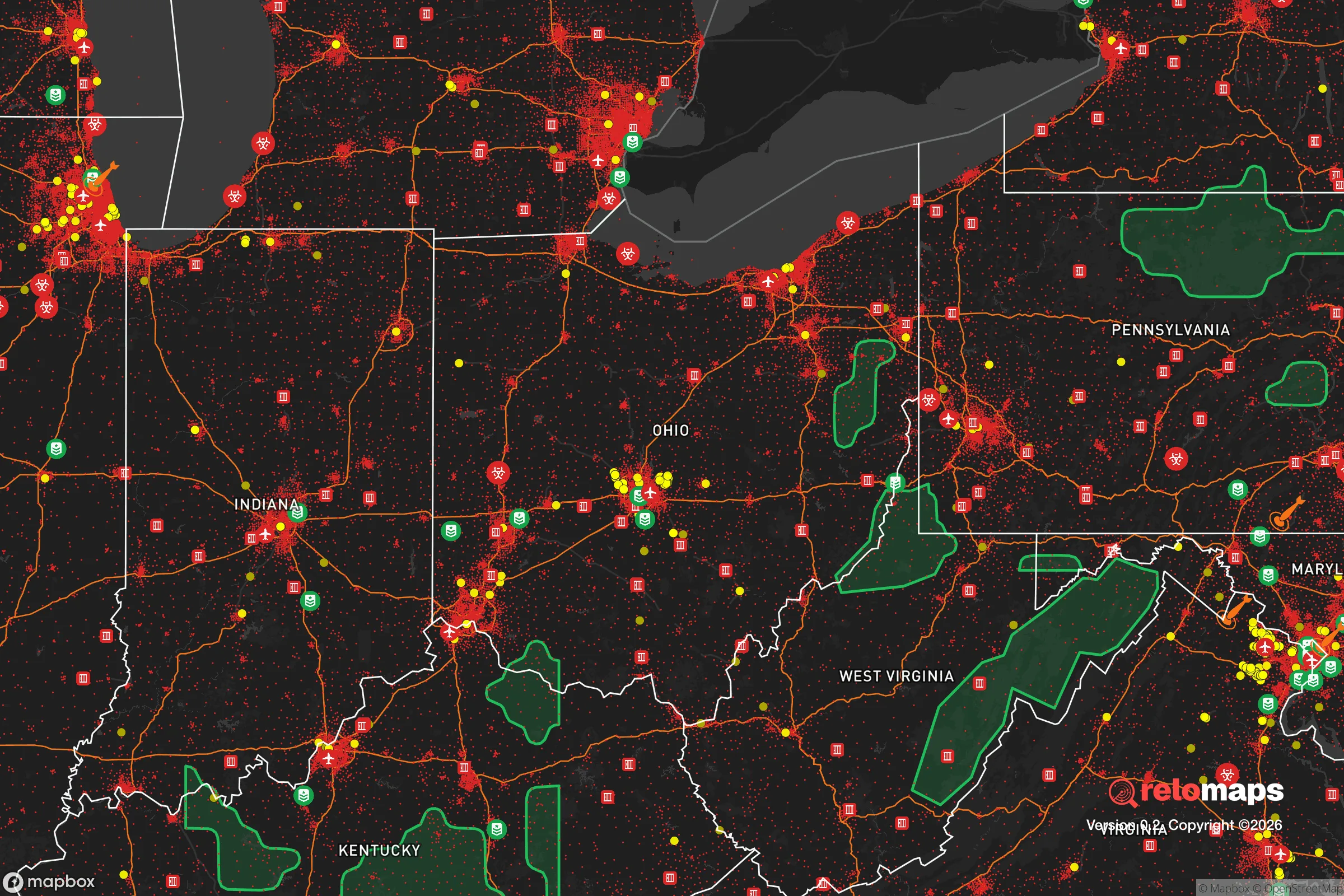


Important Note: For informational purposes only. This does not mean nothing bad ever happens in the green zones. Please use common sense. This is based on public data and modeled with AI. We tried to take a conservative approach but mistakes happen. We update this regularly as new information becomes available.
Solar Generator Recommendations
Backup power matters more here than in safer locations. We've picked three solar generators across budgets and capacity tiers — start with the budget unit if you only need a few essentials, or step up if you want to run a fridge and HVAC for days at a time.

Jackery Portable Power Station Explorer 300
Budget OptionPower on the Go: Weighing only 11 lbs, it's convenient to set up and store with book-sized foldable solar panels

BLUETTI Portable Power Station AC180
Designed for both indoor and outdoor scenarios, AC180 is highly capable as it has a robost capacity and continuous output power.

EF ECOFLOW DELTA Pro Ultra Power Station
Upgraded PickEcoFlow DELTA Pro Ultra is a whole-home energy system designed to grow with your family. Integrated with the Smart Home Panel 2, it scales to meet your evolving energy needs — keeping your home powered, intelligent, and secure through every stage of life.
We earn a commission, at no additional cost to you.
Strategic Assessment Analysis
Bay Village, Ohio, presents a mixed strategic picture for the relocation-minded reader focused on resilience and self-sufficiency. Its primary advantage is its position on the Lake Erie shoreline, offering a natural water source and a degree of geographic separation from the densest urban cores, yet its proximity to Cleveland and major industrial infrastructure introduces significant vulnerabilities. For a single individual or family weighing disaster readiness, Bay Village is not a remote stronghold but a suburban buffer zone with specific, calculable trade-offs between convenience and security.
Geographic position and natural advantages for long-term stability
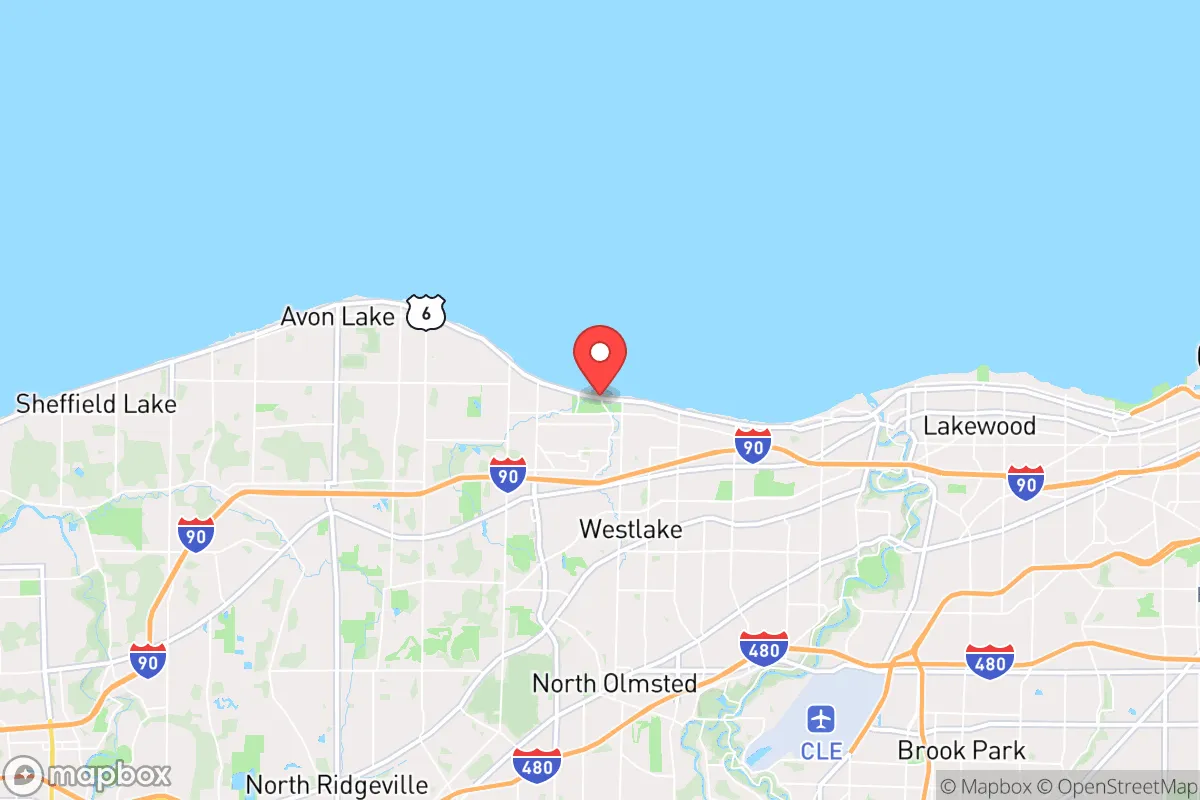
Bay Village sits on the western edge of Cuyahoga County, roughly 14 miles west of downtown Cleveland, and its location on the Lake Erie shore provides a few genuine strategic assets. The lake itself is a massive, reliable freshwater reservoir—the single most critical resource for any long-term resilience plan. The city’s elevation along the lakefront bluffs offers some natural drainage advantages and reduces flood risk from the lake itself, though shoreline erosion is a persistent concern for properties directly on the edge. The surrounding region is part of the broader Lake Erie lowlands, with relatively fertile soil and a climate that supports agriculture, though the growing season is short (roughly 150–170 days). The area’s position in the snow belt means heavy lake-effect snow is a regular winter hazard, but this also means consistent precipitation that supports local water tables and small-scale farming. For a relocator, the key geographic takeaway is that Bay Village is not isolated—it is embedded in the northeastern Ohio suburban matrix, with easy access to major highways (I-90 and the Ohio Turnpike) that connect to Toledo, Cleveland, and points east. This connectivity is a double-edged sword: it facilitates supply movement and evacuation but also makes the area a potential through-zone during a regional crisis.
Risks, exposures, and proximity to fallout-relevant landmarks
The most significant risk for Bay Village in a disaster-readiness context is its proximity to Cleveland and the concentration of industrial and infrastructure targets along the Lake Erie shore. Cleveland is a major population center, a Great Lakes shipping hub, and home to critical infrastructure including oil refineries, chemical plants, and the Cleveland Hopkins International Airport. Bay Village lies roughly 15 miles from the city center, well within the zone that could be affected by a large-scale industrial accident, a major infrastructure failure, or, in a worst-case scenario, a deliberate attack on regional assets. The city is also within 30 miles of the Perry Nuclear Power Plant, located east of Cleveland in Lake County. While the plant’s operational safety record is solid, any nuclear incident—whether from accident or sabotage—would place Bay Village in a downwind risk corridor depending on prevailing westerly winds. Additionally, the area’s dense suburban layout means that a widespread grid failure or supply chain disruption would affect the city quickly, as it relies entirely on external food, fuel, and medical supply chains. Natural hazards are less dramatic but more frequent: severe winter storms can paralyze the region for days, and the area is subject to occasional tornado warnings and severe thunderstorms. Flooding is localized, primarily in low-lying areas near the lake and along the Cahoon Creek watershed. For a relocator, the calculus is clear: Bay Village is not a target in itself, but it sits within the blast radius—both literal and figurative—of a major American city and its associated critical infrastructure.
Practical resilience for a relocator: food, water, energy, and defensibility
For a household focused on self-sufficiency, Bay Village offers a mixed practical picture. Water is the strongest asset: Lake Erie provides an essentially unlimited raw water source, but accessing it requires either direct lakefront property or a legal and logistical plan for hauling and treating water. The city’s municipal water supply comes from the lake and is treated at the nearby Avon Lake Water Treatment Plant, which is a potential single point of failure. A relocator would need a backup plan—rainwater catchment, a well (uncommon in this suburban setting), or a reliable method for filtering and storing lake water. Food resilience is moderate. The surrounding region has active farmland, particularly in Lorain and Medina counties to the west and south, and there are local farmers’ markets and CSAs within a short drive. However, Bay Village itself is a fully built-out suburb with limited space for significant home food production. A typical quarter-acre lot can support a substantial vegetable garden and a few fruit trees, but not enough for full caloric self-sufficiency. Energy resilience is a weak point. The grid is standard suburban overhead distribution, vulnerable to ice storms and high winds. Natural gas is the primary heating fuel, and a prolonged gas outage during winter would be a serious threat. Solar potential is moderate—the region gets about 160 sunny days per year, below the national average—but a grid-tied system with battery backup is feasible for a motivated homeowner. Defensibility is low. Bay Village is a typical suburban community with open street grids, easy vehicle access, and a low crime rate that means most residents are not security-conscious. There are no natural chokepoints or defensible terrain features. The city’s police department is professional but small (roughly 30 sworn officers), and during a widespread crisis, law enforcement would be stretched thin. For a relocator, the practical takeaway is that Bay Village requires a proactive, self-contained approach to resilience—stockpiling supplies, investing in backup power and water treatment, and building relationships with neighbors—rather than relying on the area’s inherent characteristics to provide security.
Overall, Bay Village is a reasonable choice for a relocator who wants to stay within striking distance of Cleveland’s economy and amenities while maintaining a baseline level of disaster readiness, but it is not a retreat or a bug-out location. Its strategic value lies in its access to Lake Erie water, its position in a region with agricultural capacity, and its relatively stable community fabric. Its weaknesses are its proximity to major urban and industrial targets, its complete dependence on external supply chains, and its lack of natural defensibility. For a family willing to invest in home-based resilience systems and maintain a low profile, Bay Village offers a livable compromise. For someone seeking true independence and security from regional risks, the search should continue further west into the more rural parts of Ohio’s Lake Erie shoreline or inland toward the Appalachian foothills.

* Values derived from national, state, county, city and local statistics and may differ in a specific area. Last updated: 2026-08-10T17:36:25.000Z
Narrative content on this page is AI-generated and may contain mistakes. Verify any details that matter before acting on them.
ReloMaps may earn a commission from affiliate links at no extra cost to you.

