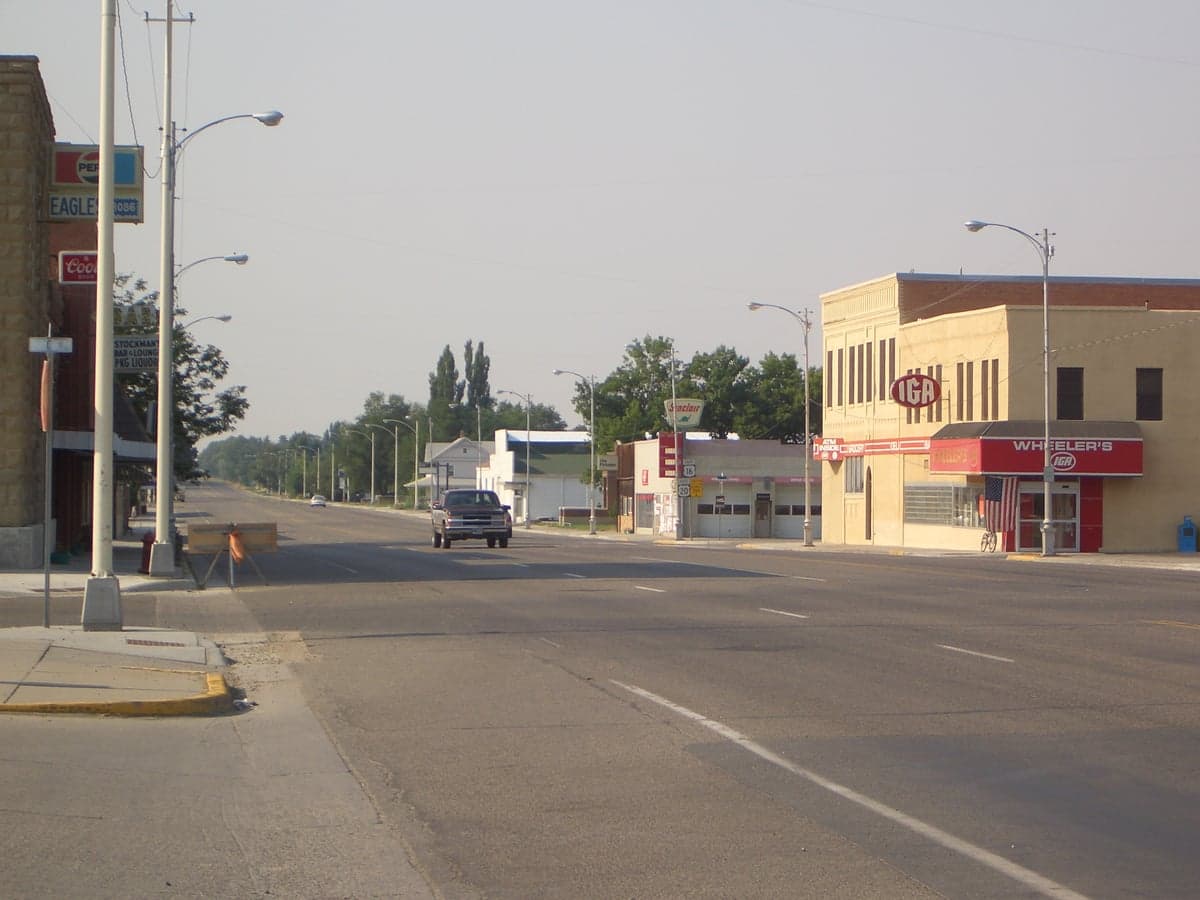
Photo: Wikipedia
Quality of Life in Basin, WY
A livable area that tracks near national norms for affordability, walkability, and neighborhood health.
What does Quality of Life tell us?
Quality of Life blends cost of living, nearby amenities, socioeconomic signals, and neighborhood character. City-level scores represent the whole municipality; individual neighborhoods can differ.
What does this tell us?
Quality of Life blends cost of living, nearby amenities, socioeconomic signals, and neighborhood character. City-level scores represent the whole municipality; individual neighborhoods can differ.
Cost of Living
32% below national average
The Real Cost of Living in Basin, WY for 2026
| Tier | Individual | Family (4) |
|---|---|---|
| Survival | $15k | $27k |
| Comfortable | $28k | $41k |
| Luxury | $71k+ | $111k+ |
| Elite (Top 5%) | $84k+ | $130k+ |
146%
The Area Signal
A metric tracking the socioeconomic signals of the area.
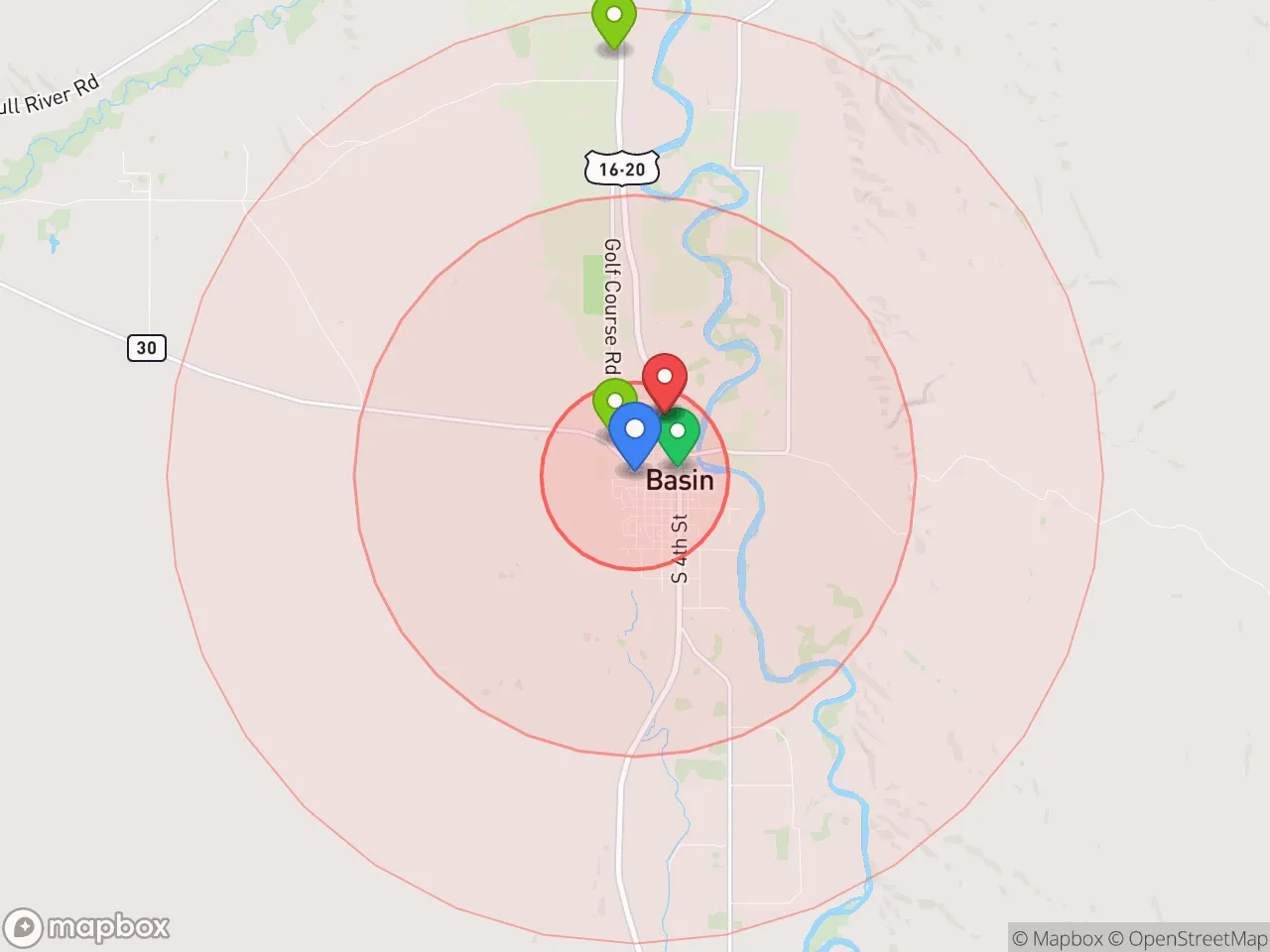
Hobbies
Explore the areaGroceries
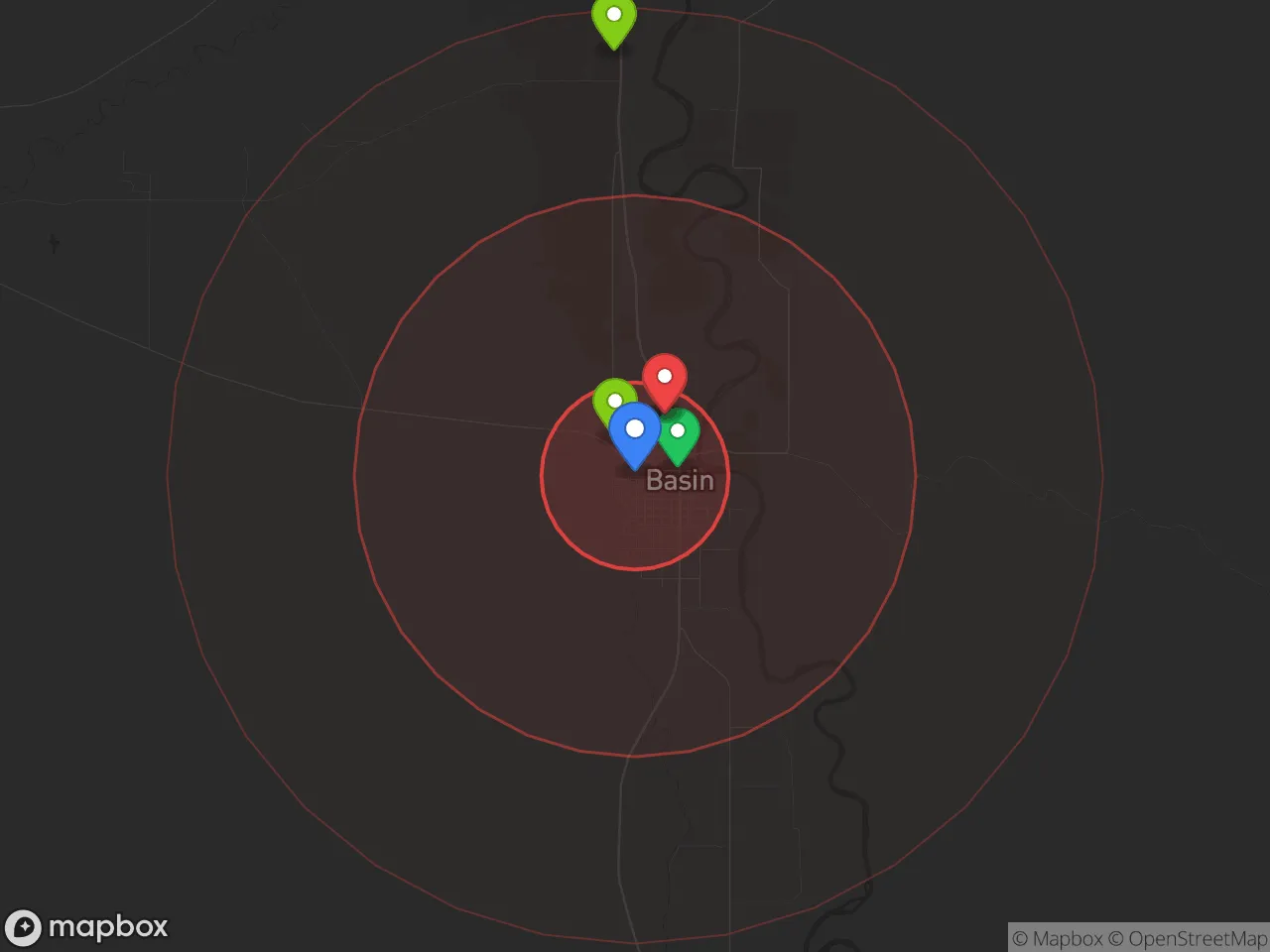
0 within 10 miles
Gas
6 within 10 miles
Hospital
1 within 20 miles
Airport
SLC — Salt Lake City International
Post Office
USPS — Basin, WY
Critical Amenities
Quality-of-Life Analysis
Basin, Wyoming, presents a notably affordable quality of life that attracts a mix of retirees, outdoor enthusiasts, and workers in the energy and agriculture sectors. With a cost of living index of 68—32 percent below the national average—the town offers a financial ease that is increasingly rare in the Mountain West. The population skews older and more settled than the state average, reflecting a community where stability and low overhead are prized over urban bustle.
How housing costs and everyday expenses compare to nearby towns
Basin’s housing market is the primary driver of its low cost of living. The median home value sits at $143,900, roughly half the Wyoming state median and dramatically lower than resort-adjacent towns like Jackson or even Cody. Median rent is $914, making it one of the most affordable rental markets in the Big Horn Basin. For context, a comparable home in Greybull (15 miles south) might run 5–10 percent less, while in Powell (45 miles west) prices are typically 15–20 percent higher. The average commute of 18.5 minutes is short and predictable, with most residents working locally in government, healthcare, or the oil and gas fields near Byron and Cowley. Utility costs are moderate, though winter heating bills can spike due to the high-elevation climate. Groceries and healthcare are slightly below national averages, reinforcing the overall affordability picture.
What daily life is like for families and retirees in Basin
Daily life in Basin revolves around a compact downtown core, the Big Horn County government offices, and the nearby Big Horn River. The town’s public schools—Basin Elementary, Basin Middle, and Riverside High School—serve a small student body with class sizes that often allow for individualized attention. For recreation, residents have access to the Basin City Park, a nine-hole golf course, and the Big Horn Canyon National Recreation Area about 30 minutes east. Medical care is anchored by the Big Horn County Memorial Hospital, which provides emergency and primary services; for specialist care, most residents drive 90 minutes to Billings, Montana. Dining and shopping are limited to a handful of local cafes, a grocery store, and a hardware store, so most major errands require a trip to Cody or Lovell. The rhythm is slow and neighborly, with community events like the Basin Days festival and the county fair in August drawing consistent participation.
Basin is best suited for people who prioritize low costs, quiet living, and outdoor access over career variety or cultural amenities. Retirees on fixed incomes will find the housing and tax environment especially favorable—Wyoming has no state income tax. Families who value small schools and safe streets will also thrive, provided they are comfortable with a 45-minute drive for big-box shopping or entertainment. Workers in energy, agriculture, or remote-friendly jobs will appreciate the short commute and the ability to own a home outright on a modest salary. Those seeking nightlife, fine dining, or a diverse job market should look elsewhere, but for anyone wanting a financially sustainable, low-stress base in the Big Horn Basin, Basin delivers exactly that.

Crime in Basin, WY
Generally safer than 72% of comparable U.S. locations.
Violent CrimeViolent Crime Analysis
Property CrimeProperty Crime Analysis
Crime Analysis
Basin, Wyoming, presents a mixed safety profile that diverges sharply from national averages. The town's violent crime rate of 170 incidents per 100,000 residents is notably lower than the U.S. average of roughly 380 per 100,000, but its property crime rate of 1,006.2 per 100,000 is significantly higher than the national figure of approximately 1,950 per 100,000. This combination means residents face a lower risk of violent assault or robbery but a substantially elevated risk of theft, burglary, and vehicle break-ins compared to the typical American community.
Crime in context
When measured against both state and national benchmarks, Basin's crime data reveals a distinct pattern. The violent crime rate is 55% lower than the national average, placing it among safer small towns in the Big Horn Basin region. However, the property crime rate, while below the national average, is roughly 1.5 times higher than the Wyoming state average of about 670 per 100,000. This disparity suggests that while serious physical threats are uncommon, property-related offenses are a persistent concern. The town's remote location and limited law enforcement resources may contribute to this dynamic, as opportunistic crimes like theft from vehicles and unoccupied homes are more difficult to prevent in a spread-out rural setting.
What residents experience
Daily life in Basin involves a tangible awareness of property crime. Residents commonly report securing vehicles and outbuildings, as theft of tools, recreational equipment, and personal items from yards or garages is not unusual. Violent crime is rare and typically involves individuals known to one another, meaning random attacks on strangers are extremely uncommon. The local police department and Big Horn County Sheriff's Office maintain a visible presence, but the vast geography and limited staffing mean response times can be longer than in urban areas. For families and retirees, the primary safety concern is not personal danger but the financial and emotional disruption of a burglary or theft. The town's small size fosters a neighborhood watch culture where unusual activity is quickly noticed, which helps mitigate some risks.
Neighborhood-level variation in Basin is modest but worth noting. The core residential blocks near the courthouse and along Main Street tend to have lower reported crime due to higher foot traffic and natural surveillance. Outlying areas, particularly subdivisions on the town's edges and properties along Highway 20, experience a disproportionate share of vehicle break-ins and shed burglaries, likely because these areas offer easier escape routes and fewer witnesses. Rentals and vacant properties can also attract transient criminal activity. Overall, Basin is a safe place to live for those who take standard rural precautions, but newcomers should prioritize secure storage and consider property insurance that covers theft, as the risk of property crime is a real and ongoing aspect of life here.
* Values derived from national, state, county, city and local statistics and may differ in a specific area. Last updated: 2026-04-21T11:27:52.000Z
Narrative content on this page is AI-generated and may contain mistakes. Verify any details that matter before acting on them.
ReloMaps may earn a commission from affiliate links at no extra cost to you.

