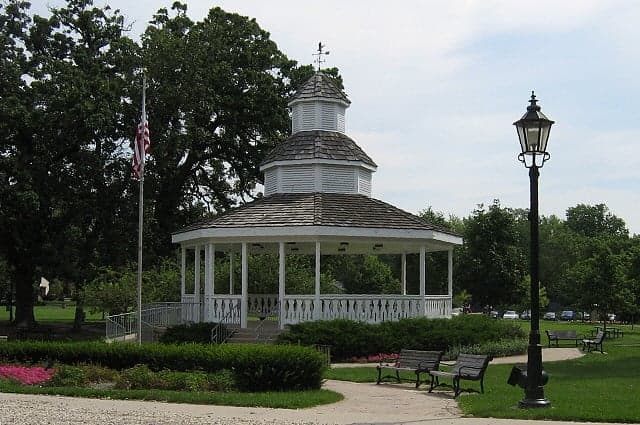
Photo: Wikipedia
Quality of Life in Bartlett, IL
A high quality of life with strong walkability, manageable living costs, healthy neighborhood signals, and solid amenity access.
What does Quality of Life tell us?
Quality of Life blends cost of living, nearby amenities, socioeconomic signals, and neighborhood character. City-level scores represent the whole municipality; individual neighborhoods can differ.
What does this tell us?
Quality of Life blends cost of living, nearby amenities, socioeconomic signals, and neighborhood character. City-level scores represent the whole municipality; individual neighborhoods can differ.
Cost of Living
46% above national average
The Real Cost of Living in Bartlett, IL for 2026
| Tier | Individual | Family (4) |
|---|---|---|
| Survival | $30k | $56k |
| Comfortable | $68k | $100k |
| Luxury | $168k+ | $261k+ |
| Elite (Top 5%) | $198k+ | $307k+ |
130%
The Area Signal
A metric tracking the socioeconomic signals of the area.
Hobbies
Explore the areaGroceries
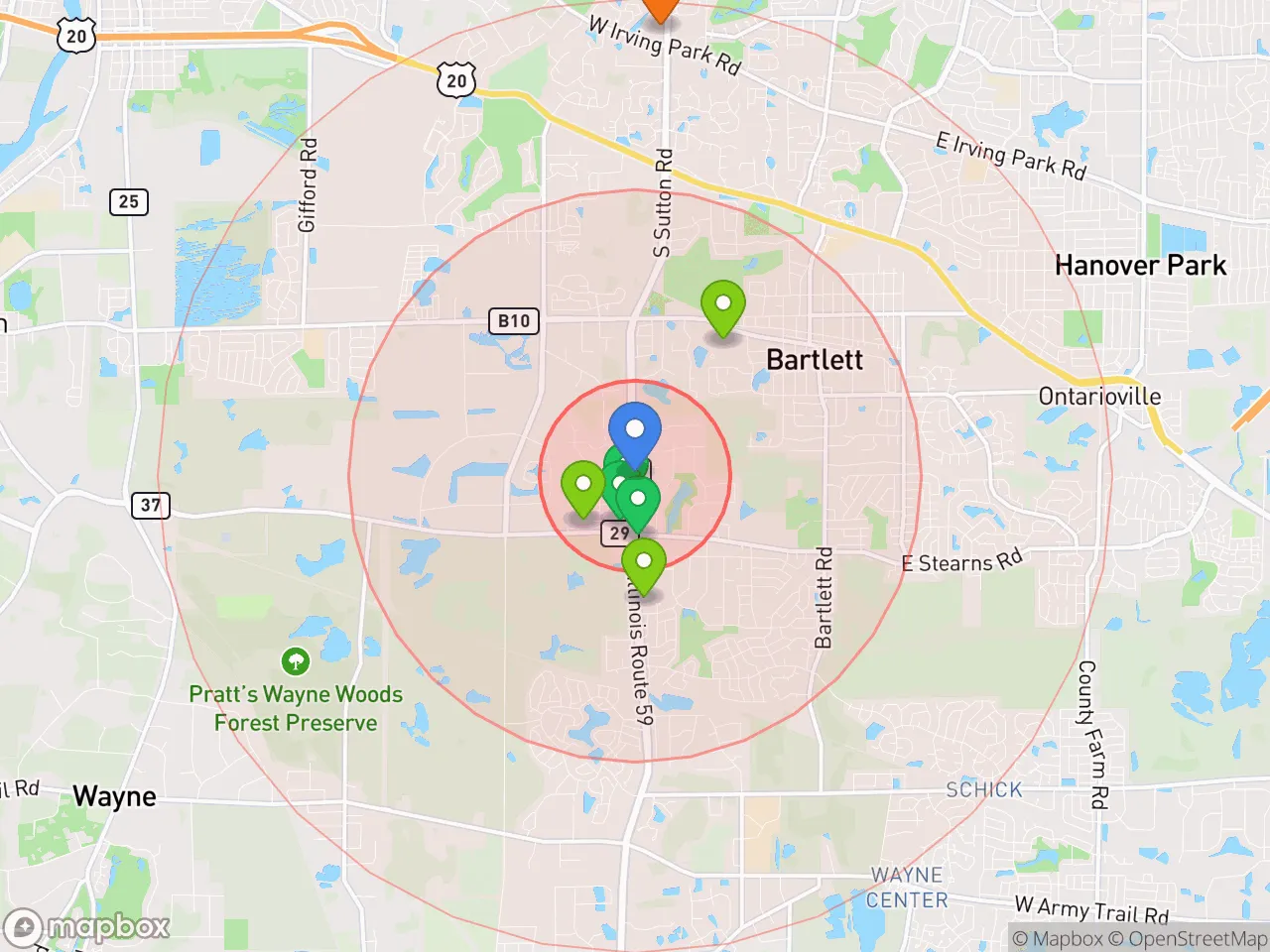
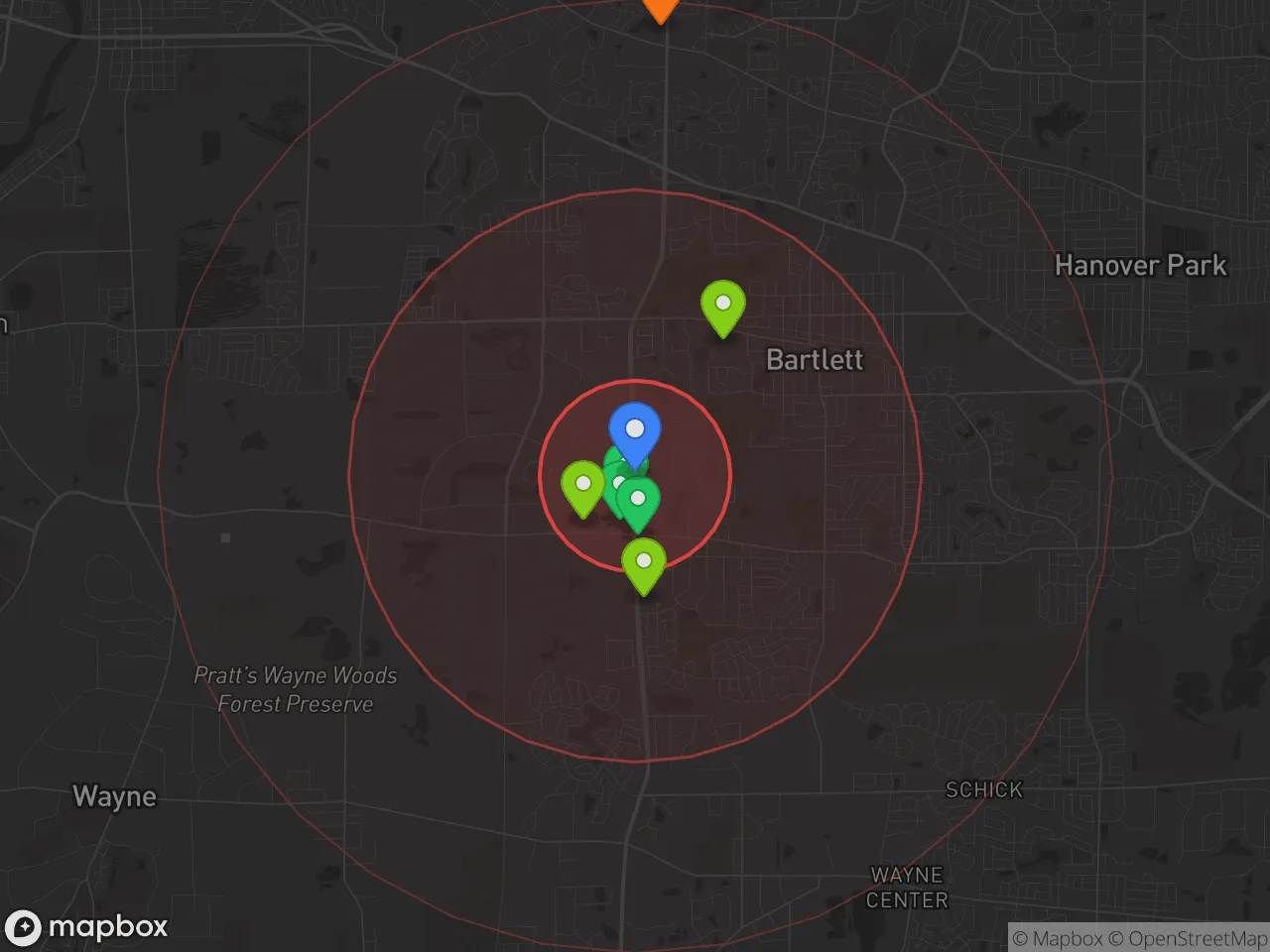
7 within 10 miles
Gas
20 within 10 miles
Hospital
20 within 20 miles
Airport
ORD — O'Hare International
Post Office
USPS — Bartlett, IL
Critical Amenities
Quality-of-Life Analysis
Bartlett, Illinois, is an affluent western Chicago suburb where the cost of living index sits at 146—well above the national baseline of 100—reflecting a community of established professionals, dual-income families, and long-term homeowners who prioritize space, schools, and safety over urban proximity. The village’s population of roughly 41,000 skews toward married couples with children, drawn by large single-family homes on tree-lined streets and a reputation for low crime rates that consistently rank among the best in Cook and DuPage counties. Bartlett is not a transient starter-home market; it is a place where residents often stay for decades, anchored by strong public schools and a commuter-friendly location near the intersection of I-90 and Route 59.
Cost of living, housing affordability, and how Bartlett compares to nearby suburbs
Bartlett’s cost of living index of 146 is roughly 10–15 points higher than neighboring Hanover Park or Streamwood, but notably lower than elite suburbs like Barrington or Naperville, which often exceed 160. The median home value of $350,500—while steep against the national median of roughly $350,000—is actually below the Chicago metro median of about $370,000, making Bartlett a relative value for buyers seeking a large lot and a strong school district. Median rent of $1,857 is competitive for the region, though renters are a minority here: over 80% of housing units are owner-occupied. The average commute of 30.2 minutes is typical for the western suburbs, with most workers driving to jobs in Schaumburg, Itasca, or downtown Chicago via the Metra Union Pacific West Line from the Bartlett station. Property taxes are a significant factor—Cook County rates hover around 2.1% of assessed value—so buyers should budget accordingly.
What daily life is like: amenities, schools, and community rhythm
Daily life in Bartlett revolves around its highly rated School District U-46, the state’s second-largest, which serves Bartlett High School and several elementary and middle schools with strong test scores and robust extracurricular programs. The village maintains over 400 acres of parkland, including the 80-acre Apple Orchard Forest Preserve and the popular Bartlett Aquatic Center, which anchors summer recreation. Retail is concentrated along Route 59 and Lake Street, with big-box stores, grocery chains, and local restaurants like the Village Grill & Tap filling practical needs. The downtown area is small but walkable, featuring a Metra station, a public library, and seasonal events such as the Bartlett Fourth of July Parade and the Fall Festival. Residents describe the pace as quiet and family-oriented—weekends are often spent at youth sports leagues, the Bartlett Nature Center, or the nearby Spring Valley Nature Sanctuary in Schaumburg. Nightlife is minimal; most socializing happens at school events, community center programs, or private gatherings.
Bartlett is best suited for families and mid-career professionals who value strong schools, low crime, and a suburban buffer from Chicago’s intensity, while still needing a manageable commute. Empty-nesters and retirees are less common here, as the housing stock leans toward larger single-family homes and property taxes remain high. Singles or young renters may find the social scene limited and the cost of living a stretch. For those who prioritize a safe, well-maintained community with solid public services and a predictable daily rhythm, Bartlett delivers consistently—but it demands a willingness to pay for that stability through elevated housing costs and property taxes.

Crime in Bartlett, IL
Lower crime rates than 96% of comparable U.S. locations.
Violent CrimeViolent Crime Analysis
Property CrimeProperty Crime Analysis
Crime Analysis
Bartlett, Illinois, reports a violent crime rate of 41.8 incidents per 100,000 residents and a property crime rate of 248.5 per 100,000, figures that place it well below both the national average and the averages for the broader Chicago metropolitan area. This small village in Cook and DuPage counties benefits from its suburban character and relatively low population density, but residents should remain aware that its proximity to a large, high-crime metro area introduces risks tied to regional crime patterns and the progressive criminal justice policies prevalent in the region.
Crime in context
Bartlett’s violent crime rate is roughly one-fifth the national average of approximately 380 per 100,000, and its property crime rate is about half the U.S. median. Compared to neighboring suburbs like Elgin (violent crime near 300 per 100K) or Hanover Park (property crime above 1,500 per 100K), Bartlett is notably safer. However, these statistics must be weighed against the reality of Cook County’s justice system, where progressive prosecutors and judges have implemented policies such as cash bail reform and reduced sentencing guidelines. These measures, while intended to address systemic inequities, have been linked to higher recidivism and a greater number of offenders released back onto the streets, directly impacting suburban communities like Bartlett through cross-jurisdictional crime.
What residents experience
For daily life, Bartlett feels safe: most crime is property-related, with theft from vehicles and package theft being the most common complaints. The village’s police department maintains a visible presence and participates in regional task forces, but the underlying threat comes from the broader metro area’s crime ecosystem. Cook County’s progressive district attorney, Kim Foxx, has overseen a 40% decline in felony prosecutions since 2016, a policy shift that critics argue emboldens repeat offenders. Bartlett residents may not see street violence, but they are not immune to carjackings, burglaries, and organized retail theft rings that originate in Chicago and spread outward. The village’s low violent crime rate is a positive, but it does not insulate the community from the consequences of a justice system that prioritizes offender rehabilitation over public safety.
Neighborhood-level variation is modest in Bartlett, with the most significant differences tied to proximity to major roads like Route 59 and I-90. Areas near the Metra station and shopping corridors see slightly higher property crime, while the more secluded subdivisions west of Bartlett Road report near-zero violent incidents. Homeowners in the eastern part of the village, closer to Hanover Park, should exercise extra caution with vehicle security and outdoor property, as these areas experience more transient crime. Overall, Bartlett is a safe suburb by national standards, but the progressive policies of Cook County mean that residents must remain vigilant against a regional crime environment that is less forgiving than the village’s own statistics suggest.
* Values derived from national, state, county, city and local statistics and may differ in a specific area. Last updated: 2026-04-30T00:16:39.000Z
Narrative content on this page is AI-generated and may contain mistakes. Verify any details that matter before acting on them.
ReloMaps may earn a commission from affiliate links at no extra cost to you.

