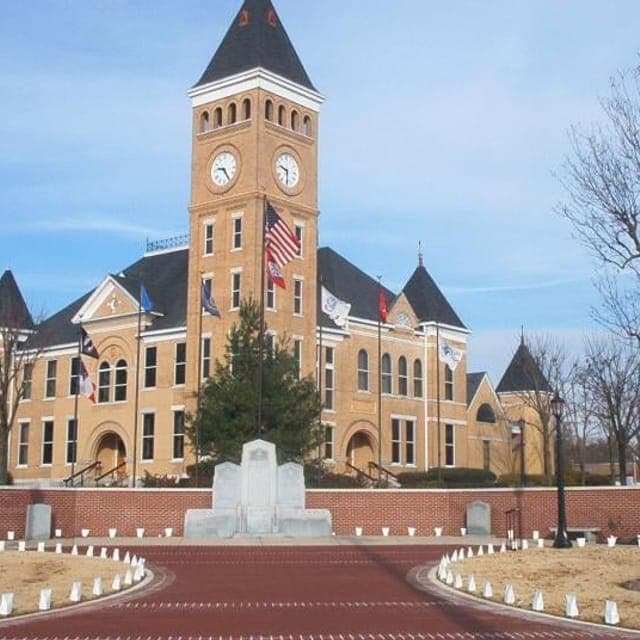
Photo: Wikipedia
Political ClimatePolitical Climate in Arkansas
Political Environment in the State
Arkansas is a deeply red state with a Cook PVI of R+16, meaning it votes about 16 points more Republican than the national average in presidential elections. The dominant coalition is a mix of rural conservatives, evangelical Christians, and an increasingly active business-friendly suburban class, with the state having shifted sharply rightward over the past 20 years—flipping from a reliably Democratic stronghold in the 1990s to a solidly Republican one by 2010. This transformation was driven by a combination of cultural realignment, economic migration, and a deliberate legislative push to lock in conservative governance, making Arkansas one of the most reliably red states in the South today.
Urban vs. rural divide
The political map of Arkansas is starkly divided between its few urban centers and the vast rural expanse. The northwest corner, anchored by Fayetteville and Bentonville, is the state’s economic engine and a growing Republican stronghold, though it has a noticeable libertarian streak thanks to the Walmart and Tyson Foods corporate culture. Little Rock, the capital, is the lone blue dot—Pulaski County voted for Biden in 2020, but even that is a narrow margin, and the surrounding suburbs like Conway and Cabot are reliably red. The Arkansas Delta, including towns like Pine Bluff and West Memphis, remains Democratic-leaning due to a higher concentration of African American voters, but turnout is low and these areas have lost population for decades. The rest of the state—places like Fort Smith, Jonesboro, and Texarkana—votes overwhelmingly Republican, with many counties delivering 70-80% of the vote for GOP candidates. The divide isn’t just about party; it’s about culture. Rural Arkansas is deeply traditional, while the northwest corridor is more pragmatic and growth-oriented, but both are firmly conservative.
Policy environment
Arkansas has one of the most aggressively conservative policy environments in the country. The state income tax was cut from a top rate of 5.9% to 4.4% in 2025, with a goal of hitting 3.9% by 2027, and there is no estate tax. The regulatory posture is light-touch, especially for agriculture and manufacturing, and the state is a right-to-work state with no major union presence. On education, the LEARNS Act of 2023 created a universal school voucher program, allowing parents to use state funds for private or homeschool expenses—a major win for school choice advocates. Healthcare is a mixed bag: Arkansas expanded Medicaid under the private option model, but the state has also passed some of the strictest abortion laws in the nation, including a near-total ban with no exceptions for rape or incest. Election laws are restrictive, with voter ID requirements and limited early voting, but the state has avoided the kind of election integrity controversies seen in Georgia or Arizona. The overall posture is one of limited government, low taxes, and cultural conservatism, with a strong emphasis on parental rights and religious freedom.
Trajectory & freedom
Arkansas is becoming more free in several key areas, particularly fiscal policy and education. The LEARNS Act was a landmark expansion of parental choice, and the state has also passed constitutional carry (permitless concealed carry) and a Second Amendment Preservation Act that nullifies federal gun laws deemed unconstitutional. On medical freedom, Arkansas banned COVID-19 vaccine mandates for state employees and private businesses, and it passed a law prohibiting discrimination based on vaccination status. However, there are concerning trends. The state has expanded its medical marijuana program, but it remains tightly controlled, and recreational use is still illegal. Property rights are generally strong, but there have been fights over eminent domain for pipeline projects. The biggest red flag for liberty-minded residents is the state’s willingness to use government power for moral regulation—like the 2023 law banning drag shows in public spaces, which some see as government overreach into personal expression. Overall, the trajectory is positive for conservatives, but the state’s history of paternalistic intervention (like the old alcohol prohibition laws that still linger in some dry counties) means vigilance is warranted.
Civil unrest & political movements
Arkansas has seen relatively little civil unrest compared to other states, but there have been flashpoints. In 2020, Little Rock saw protests after George Floyd’s death, with some property damage downtown, but they were smaller and shorter than in larger cities. The state has a small but vocal progressive activist scene centered around the University of Arkansas in Fayetteville, but it’s largely drowned out by the dominant conservative culture. On the right, the Arkansas Freedom Fund and local Moms for Liberty chapters have been active in school board races and library board fights, particularly over LGBTQ+ content in books. Immigration politics are muted—Arkansas has a relatively small foreign-born population, and the state passed a law requiring local law enforcement to cooperate with ICE, but there are no sanctuary cities. Election integrity has been a minor issue; the state’s voter ID law has been challenged in court but upheld. The most visible political movement is the ongoing fight over transgender rights, with the state passing laws banning gender-affirming care for minors and restricting transgender athletes in sports. These battles have drawn national attention but are largely settled at the state level, with the legislature firmly in control.
Projection
Over the next 5-10 years, Arkansas will likely become even more conservative, driven by in-migration from blue states like California and Illinois, particularly to the northwest corridor. Bentonville and Rogers are growing fast, attracting families and businesses fleeing high taxes and crime, and these newcomers tend to be Republican-leaning but more libertarian than the native population. The Delta will continue to lose population and political influence, while the suburbs of Little Rock will grow and become more red. The state’s tax cuts will likely continue, and the school choice system will expand. The biggest wild card is the potential for a national Democratic wave to flip a few state legislative seats in the northwest, but the state’s gerrymandered districts and low Democratic turnout make that unlikely. Expect Arkansas to remain a solidly red state with a growing emphasis on economic freedom and parental rights, but with continued battles over cultural issues like abortion and transgender rights. For someone moving in now, the state will look very similar in a decade—just a bit richer, a bit more populated, and a bit more firmly conservative.
For a new resident, the bottom line is this: Arkansas offers a low-tax, low-regulation environment with strong protections for gun rights, school choice, and religious freedom. The political climate is stable and predictable, with no major threats of flipping blue. The main trade-off is that the state’s cultural conservatism can feel restrictive on personal expression, and the rural areas can be insular. But if you’re looking for a place where government stays out of your wallet and your family, and where your vote actually counts in a red state, Arkansas is a solid bet. Just be prepared for the heat, the humidity, and the occasional dry county.

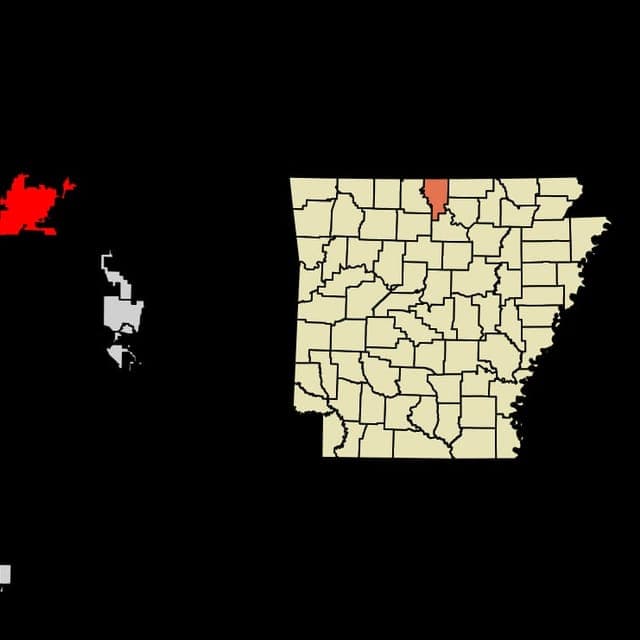
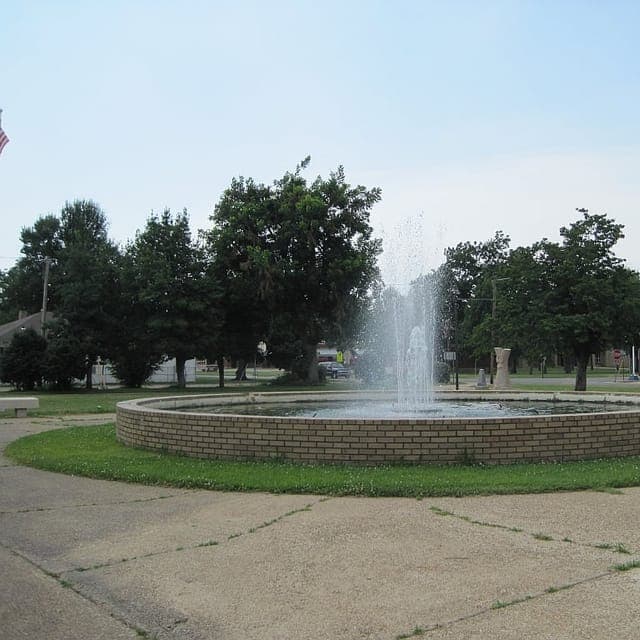
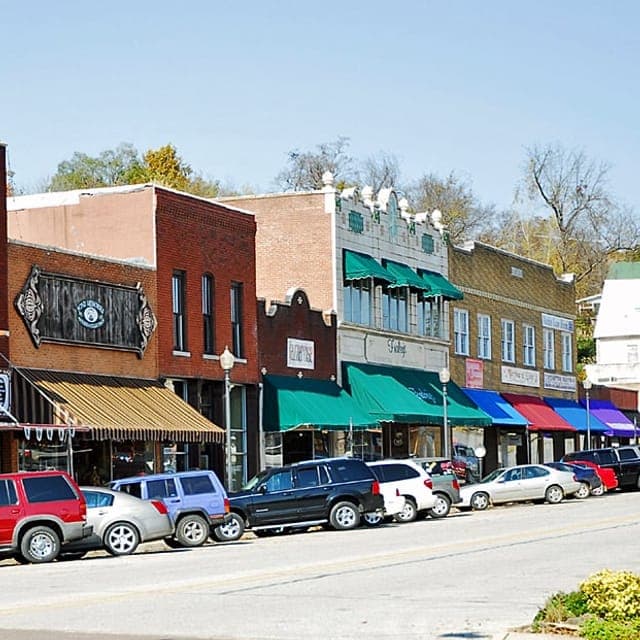
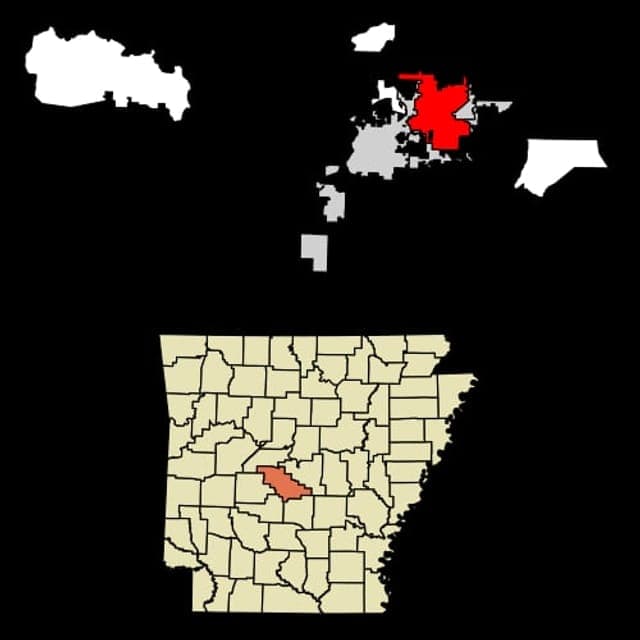
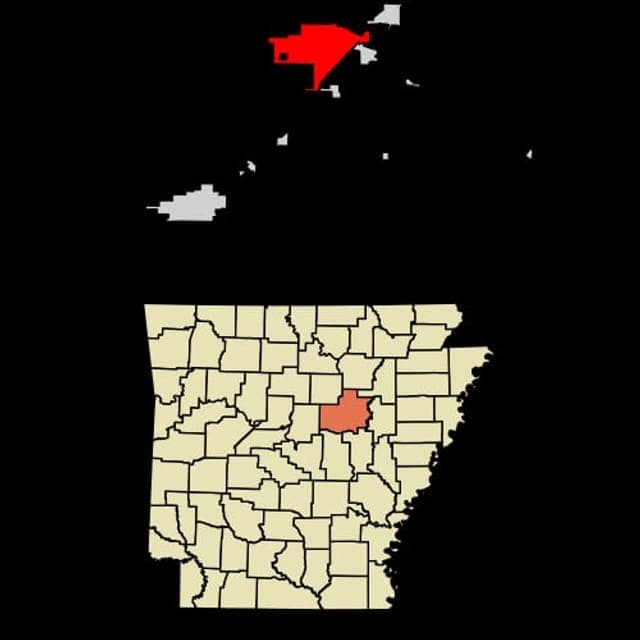
Most Conservative Cities in Arkansas


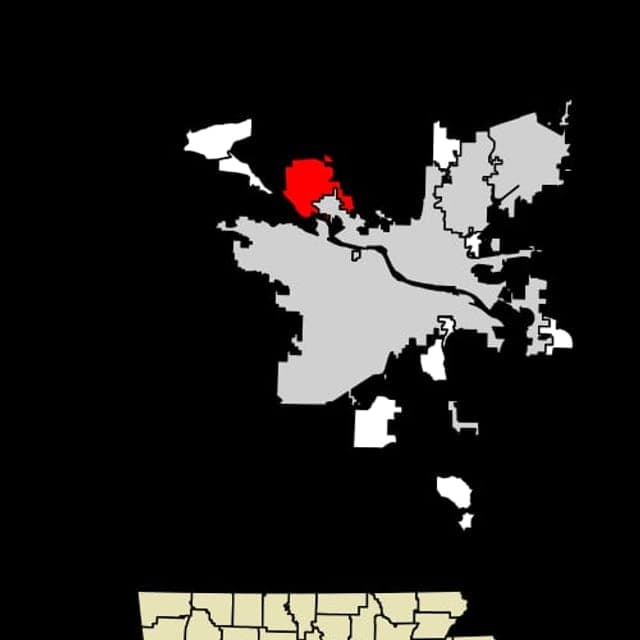
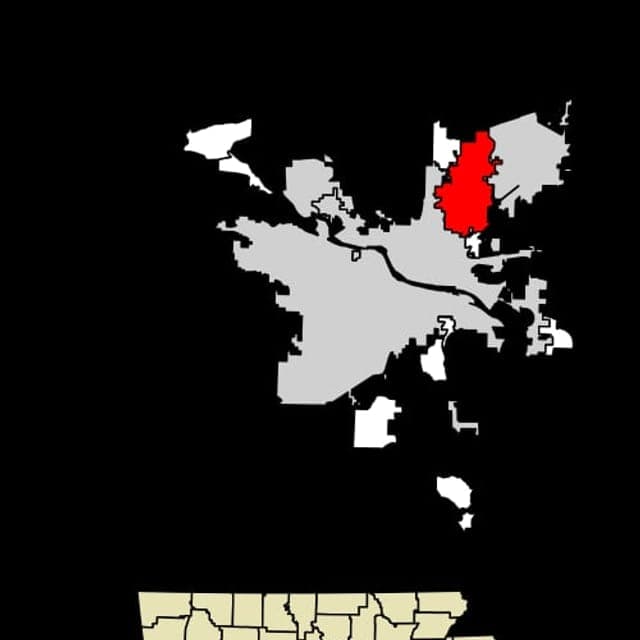
Most Liberal Cities in Arkansas
* Values derived from national, state, county, city and local statistics and may differ in a specific area. Last updated: 2026-04-14T06:33:14.000Z
Narrative content on this page is AI-generated and may contain mistakes. Verify any details that matter before acting on them.
ReloMaps may earn a commission from affiliate links at no extra cost to you.

