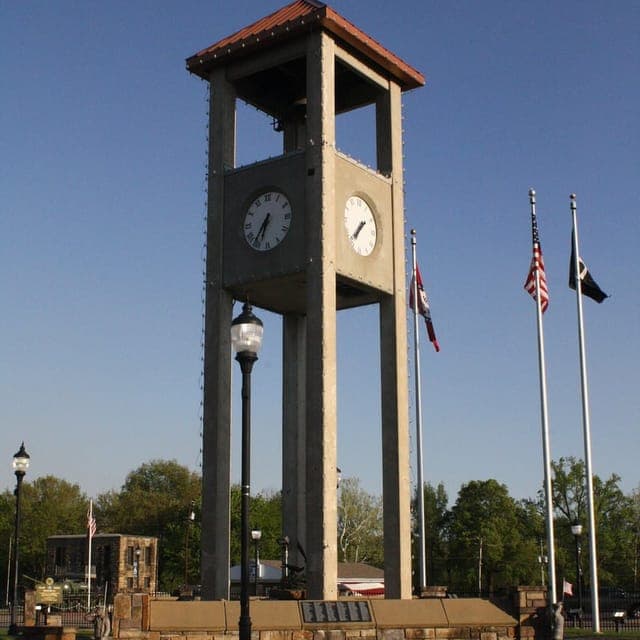
Photo: Wikipedia
Personal Sovereignty in Arkansas
Viable for self-reliance. Generally workable, though some barriers may limit total independence.
What does Personal Sovereignty tell us?
Personal Sovereignty measures your capacity for self-reliance and independence with minimal government friction. Higher scores mean fewer barriers between you and the way you want to live... but it assumes you have the space you need and good neighbors.
What does this tell us?
Personal Sovereignty measures your capacity for self-reliance and independence with minimal government friction. Higher scores mean fewer barriers between you and the way you want to live... but it assumes you have the space you need and good neighbors.
State Policy
Energy independence: Importer (35% of energy produced in-state)
Personal Liberty
Homesteading

Personal Liberty Analysis
Arkansas offers one of the strongest environments for personal sovereignty in the South, combining a state constitutional commitment to individual liberty with a practical culture of self-reliance that has not yet been fully eroded by federal overreach. The state’s legal framework and political leadership have consistently pushed back against mandates and restrictions that other states have embraced, making it a viable relocation target for those who prioritize autonomy over convenience. From the Ozark highlands to the Delta flatlands, the day-to-day reality is that government intrusion into personal decisions remains the exception rather than the rule, though the degree of freedom varies significantly depending on whether you settle in a deep-red rural county or a more urbanized area like Pulaski County (Little Rock). For single individuals and parents alike, Arkansas represents a place where the default assumption is that you can live your life without asking permission, provided you are willing to shoulder the responsibilities that come with that freedom.
Tax burden and regulatory posture: how Arkansas compares to surrounding states
Arkansas’s tax structure is a net positive for sovereignty-minded individuals, with a state income tax that has been steadily ratcheted down from a top marginal rate of 6.9% in 2021 to a flat 4.4% as of 2025, with further reductions already legislated. Property taxes are among the lowest in the nation, averaging just 0.62% of assessed home value, which means you are not paying a perpetual rent to the county for the privilege of owning land. Sales tax is the catch—the state rate of 6.5% plus local add-ons can push the combined rate above 10% in cities like Fayetteville or Little Rock—but this is a consumption tax you can largely control by buying strategically or producing your own goods. The regulatory posture is distinctly hands-off compared to states like California or New York: there is no state-level occupational licensing board that aggressively targets home-based businesses, no onerous environmental permitting for small-scale agriculture, and no state income tax on military retirement pay. However, the difference between Benton County (home to Walmart’s headquarters and a more business-friendly ethos) and Pulaski County (where Little Rock’s city council has flirted with progressive ordinances) is real. For maximum regulatory freedom, look to counties like Newton County or Searcy County in the Ozarks, where county government is minimal and enforcement of state-level rules is lax.
Self-defense and gun law specifics: what the Second Sanctuary status means on the ground
Arkansas is a constitutional carry state with no permit required for open or concealed carry of a handgun by anyone legally allowed to possess a firearm, and the state preempts all local gun ordinances, meaning cities like Fayetteville cannot enact their own bans or restrictions. The state legislature has designated Arkansas a “Second Amendment Sanctuary” through Act 1020 of 2021, which prohibits state resources from being used to enforce any federal gun control measure that infringes on the right to keep and bear arms—including potential future bans on so-called “assault weapons” or magazine capacity limits. Stand-your-ground and castle doctrine laws are fully in effect, with no duty to retreat in any place you are lawfully present. For the prepper or survivalist, this means you can legally own NFA items (suppressors, short-barreled rifles) under state law, though federal NFA registration still applies. The practical reality in rural areas like Stone County or Van Buren County is that local sheriffs are openly hostile to federal overreach and have publicly stated they will not cooperate with ATF enforcement actions they view as unconstitutional. For parents, this legal environment means you can teach your children firearms safety and marksmanship without fear of social services intervention, and home defense is a legally protected right rather than a legal gray area.
Self-reliance and homesteading viability: lot sizes, zoning, and off-grid feasibility
Arkansas is one of the most homestead-friendly states in the country, with vast tracts of unincorporated land where county zoning is either nonexistent or limited to basic health and safety codes. In counties like Madison County and Izard County, you can purchase raw land for under $3,000 per acre and build a cabin, dig a well, install a septic system, and set up solar panels without any building permit beyond a basic electrical inspection. The state has no statewide building code for single-family homes in unincorporated areas, and many counties have no zoning ordinances at all—meaning you can keep livestock, run a home-based gunsmithing business, or store bulk supplies without neighbor complaints triggering code enforcement. Off-grid living is fully legal: rainwater catchment is unrestricted, composting toilets are permitted with proper installation, and there is no state law requiring grid connection for a primary residence. The key distinction is between the Ozark National Forest periphery (where federal land management adds some restrictions) and private land in the Arkansas River Valley (where mineral rights and water access are more straightforward). For those seeking maximum autonomy, the area around Mountain View in Stone County is a known hub for homesteaders and off-gridders, with a local culture that values self-sufficiency over conformity.
Personal liberties: parental rights, medical autonomy, speech, and property
Arkansas has been at the forefront of protecting parental rights, with Act 372 of 2021 prohibiting any government entity from infringing on the fundamental right of parents to direct the upbringing, education, and healthcare of their children—a law that has been used to push back against school district policies on gender ideology and medical interventions. Medical autonomy is strong: the state has banned COVID-19 vaccine mandates for state employees and students, and there is no state-level requirement for childhood vaccinations beyond the federal school entry standards (which have religious and philosophical exemptions). The Arkansas Medical Marijuana Amendment allows for medical cannabis use, though the program is tightly controlled and does not permit home cultivation. Free speech protections are robust, with no state hate speech law that could be used to criminalize political or religious expression, and property rights are protected by a strong eminent domain statute that requires full compensation and a public purpose. The practical difference between Washington County (home to the University of Arkansas and a more liberal Fayetteville) and Baxter County (Mountain Home, a retirement and conservative stronghold) is that in the latter, your neighbors will actively support your right to fly a political flag, post a “No Trespassing” sign with legal teeth, and refuse entry to government officials without a warrant.
Relative to other regions, Arkansas offers a sovereignty profile that rivals Idaho, Montana, and Tennessee for those who value low taxes, strong gun rights, and minimal zoning, while avoiding the high land prices and coastal migration pressures that have inflated costs in those states. The trade-off is that you are trading away the economic opportunities and cultural amenities of a major metropolitan area for a life where you are largely left alone—which, for the survivalist or prepper mindset, is precisely the point. If your primary concern is government overreach and the erosion of personal freedoms, Arkansas is one of the few places left where the legal and cultural infrastructure still supports the idea that you are the ultimate authority over your own life, your own family, and your own property.

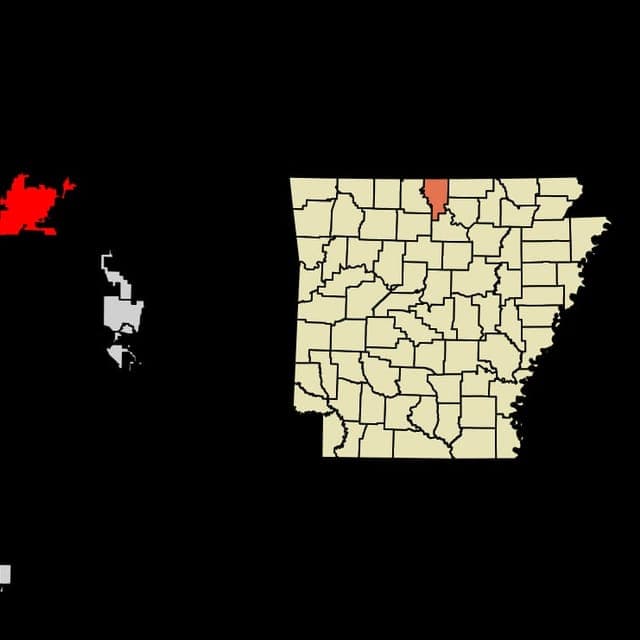
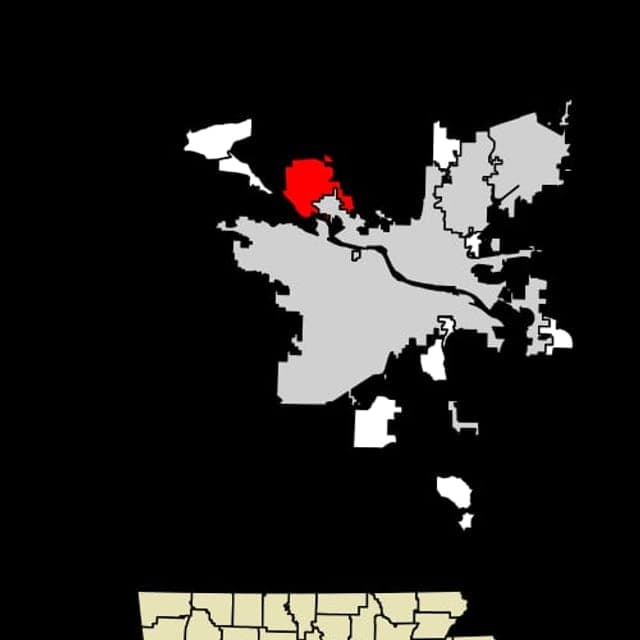
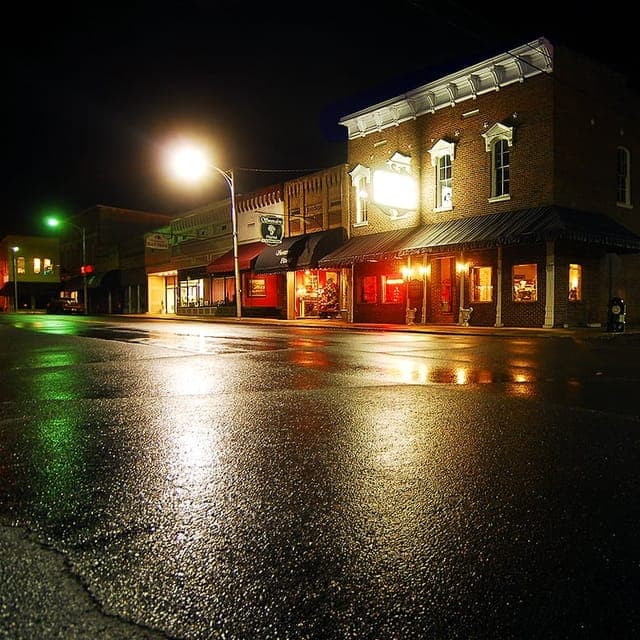
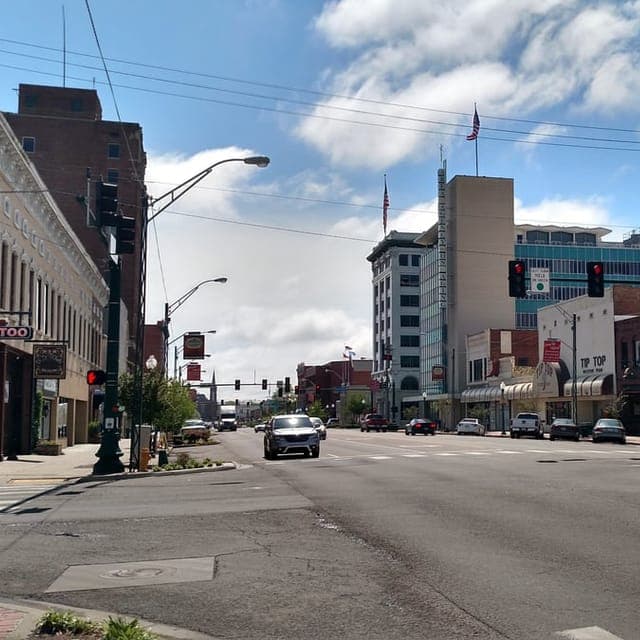
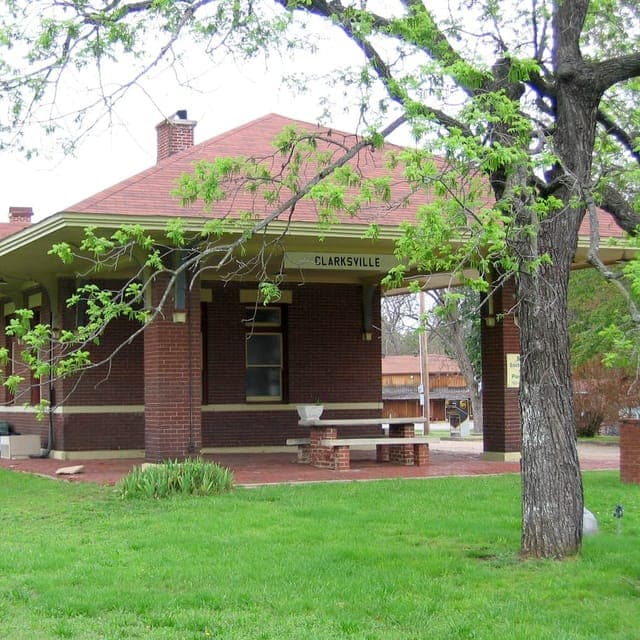
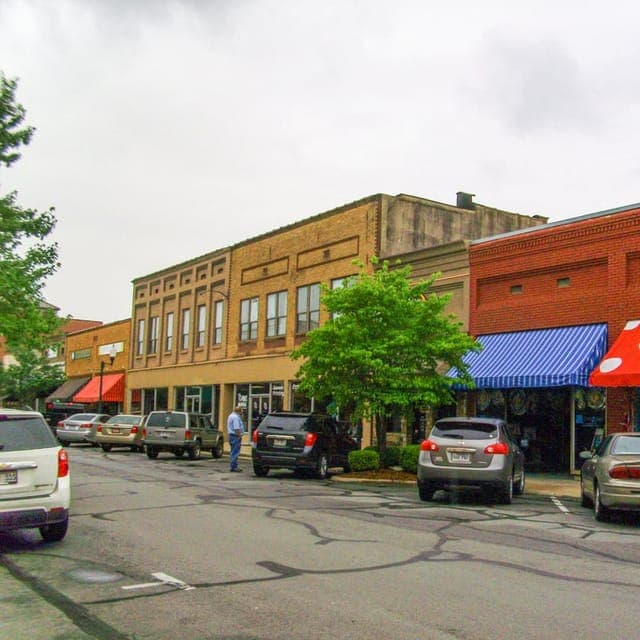
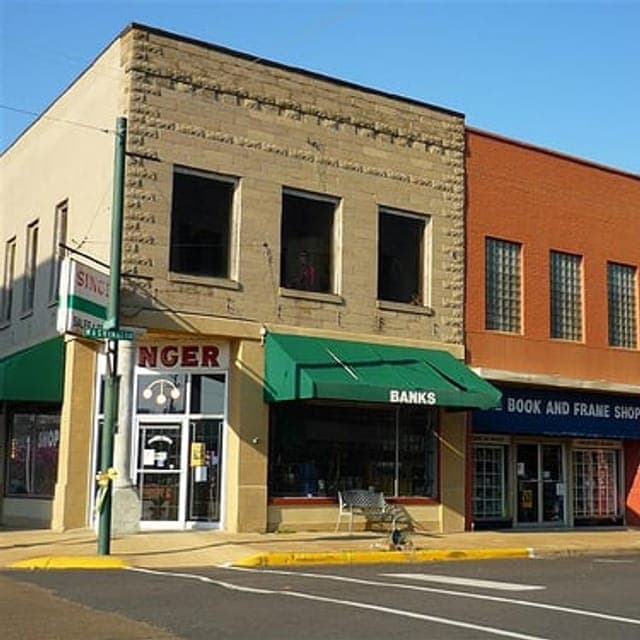
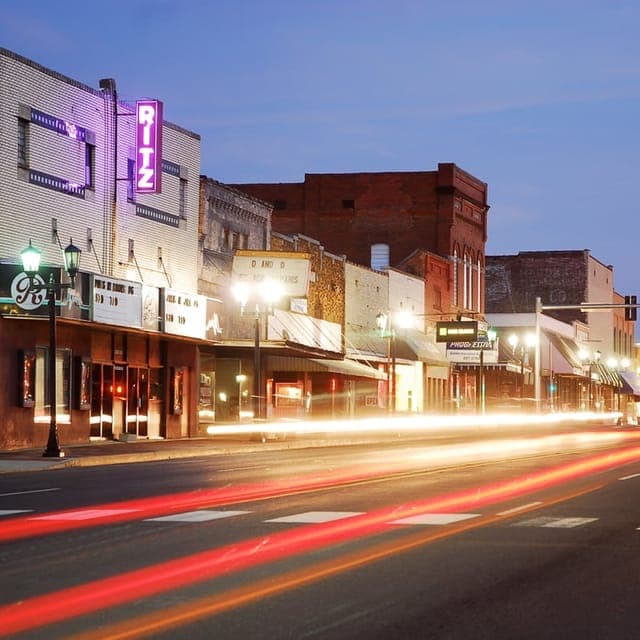
Top Cities for Personal Sovereignty in Arkansas

* Values derived from national, state, county, city and local statistics and may differ in a specific area. Last updated: 2026-04-14T06:33:14.000Z
Narrative content on this page is AI-generated and may contain mistakes. Verify any details that matter before acting on them.
ReloMaps may earn a commission from affiliate links at no extra cost to you.

